Inside São Paulo’s Pacaembu Stadium, the Museu do Futebol traces the history of football in Brazil and its place in the country’s culture. Exhibits combine photographs, films, memorable World Cup moments and interactive games, including chances to test your kick. The displays also cover women’s football and connect the sport with wider events in Brazilian history. You can explore the museum even if you are not a football fan, then browse the on-site shop for football souvenirs. Much of the written information is not in English, but a free audio guide is available via the museum’s Wi-Fi.
Football inside Pacaembu Stadium
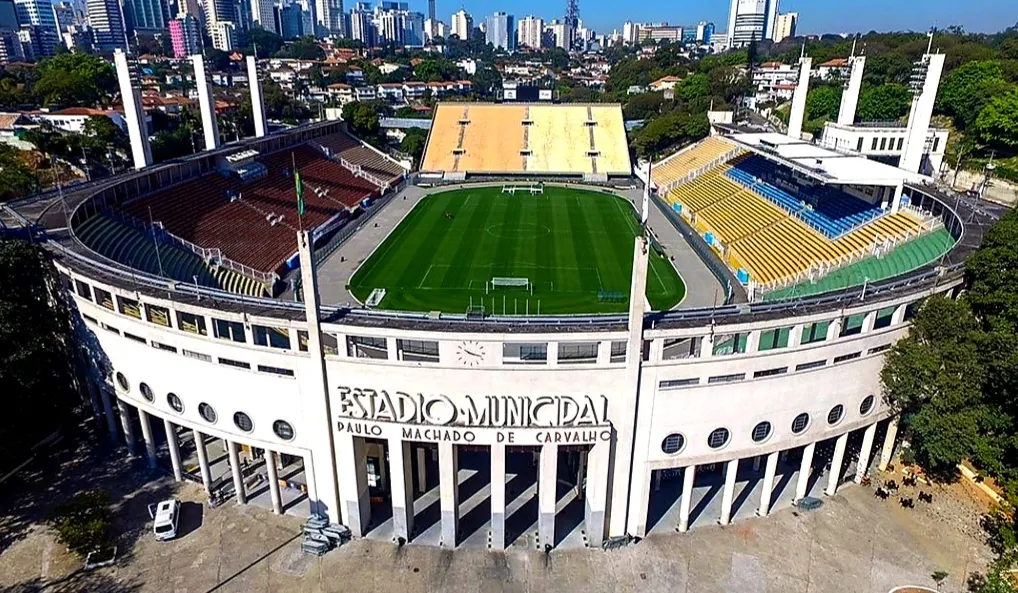
The Museu do Futebol is housed beneath the stands of the Paulo Machado de Carvalho Municipal Stadium, better known as Pacaembu. The museum and stadium are architecturally integrated, so a visit places the sport’s history within one of São Paulo’s best-known football settings.
The museum focuses on football rather than a particular club. Its displays cover the game in Brazil and around the world, and connect football with the country’s social and cultural history. The main exhibition is arranged in themed rooms, with multimedia displays, photographs, films and objects related to the sport.
History, memory and the World Cup

Photographs from football’s early years and video displays about World Cup history give the exhibits a visual rhythm. The museum revisits celebrated victories as well as difficult moments for Brazil, placing football events alongside changes taking place in the wider world.
Displays also address the sport’s arrival in Brazil and its development into a major part of national culture. Women’s football has a place in the story, including references to Brazilian player Marta. The collection includes football memorabilia and vintage displays, while some exhibits draw on political and cultural themes as well as matches and players.
Interactive exhibits and the stadium setting
Hands-on activities bring the game into the visit. You can take part in football challenges, test the power of a kick and play interactive games. An immersive display recreates the sound of a crowd during a match, while video highlights revisit significant moments in the sport.
The combination of historical displays and activities makes the museum suitable for families as well as football enthusiasts. Children may spend extra time at the games, so plan your visit around the exhibits you most want to see. The museum also has a souvenir shop with football-related items.
Planning your visit
English is limited in the written displays. If you want explanations in English, connect to the museum’s Wi-Fi and download its free audio guide. The museum is closed on Mondays and Sundays. Tuesday entry is reported as free, and other promotions may be available, so check current details before setting out.
Allow around one to two hours for a visit, with more time if you plan to try several interactive activities. Crowds can build, particularly when families with children are visiting. The museum is at Praça Charles Miller, inside Pacaembu Stadium.
FAQ
Where is Museu do Futebol?
It is inside Paulo Machado de Carvalho Municipal Stadium, also known as Pacaembu, at Praça Charles Miller in São Paulo.
Is Museu do Futebol suitable for children?
Yes. The museum has interactive football games and challenges that children can try.
Is there information in English?
There is limited English text. You can use the museum’s Wi-Fi to download a free audio guide in English.
How long should I plan for a visit?
Allow around one to two hours, or longer if you want to spend time on the interactive activities.
Is entry free on Tuesdays?
Tuesday entry is reported as free. Check current admission details and promotions before visiting.