The Emílio Goeldi Zoobotanical Park combines a research museum with a forest park in the middle of Belém. Shaded trails run past massive trees, old buildings and a castle-like structure built to hold a water reservoir. Sloths and rodents move freely around the grounds. The ethnology museum holds Marajoara pottery and artifacts from Indigenous groups of the Brazilian Amazon, and an aquarium sits within the park. Admission is 3 Brazilian reais, about €0.50. Allow a few hours to see the grounds, the aquarium and the museum.
A research institution since 1866
The museum was founded in 1866 by the naturalist Emílio Goeldi and a group of intellectuals. Today it is part of the Parque Zoobotânico complex and works as a research institution. Its scientists study the biological and sociocultural diversity of the Amazon Basin, and the complex is one of the most important research facilities in the region.
The park is at Avenida Governador Magalhães Barata, 376, in the São Braz district. A visitor count from 1896 gives a sense of its early reach. The zoo and botanical garden drew about 48,000 people that year, when Belém had roughly 50,000 residents.
Walking the grounds
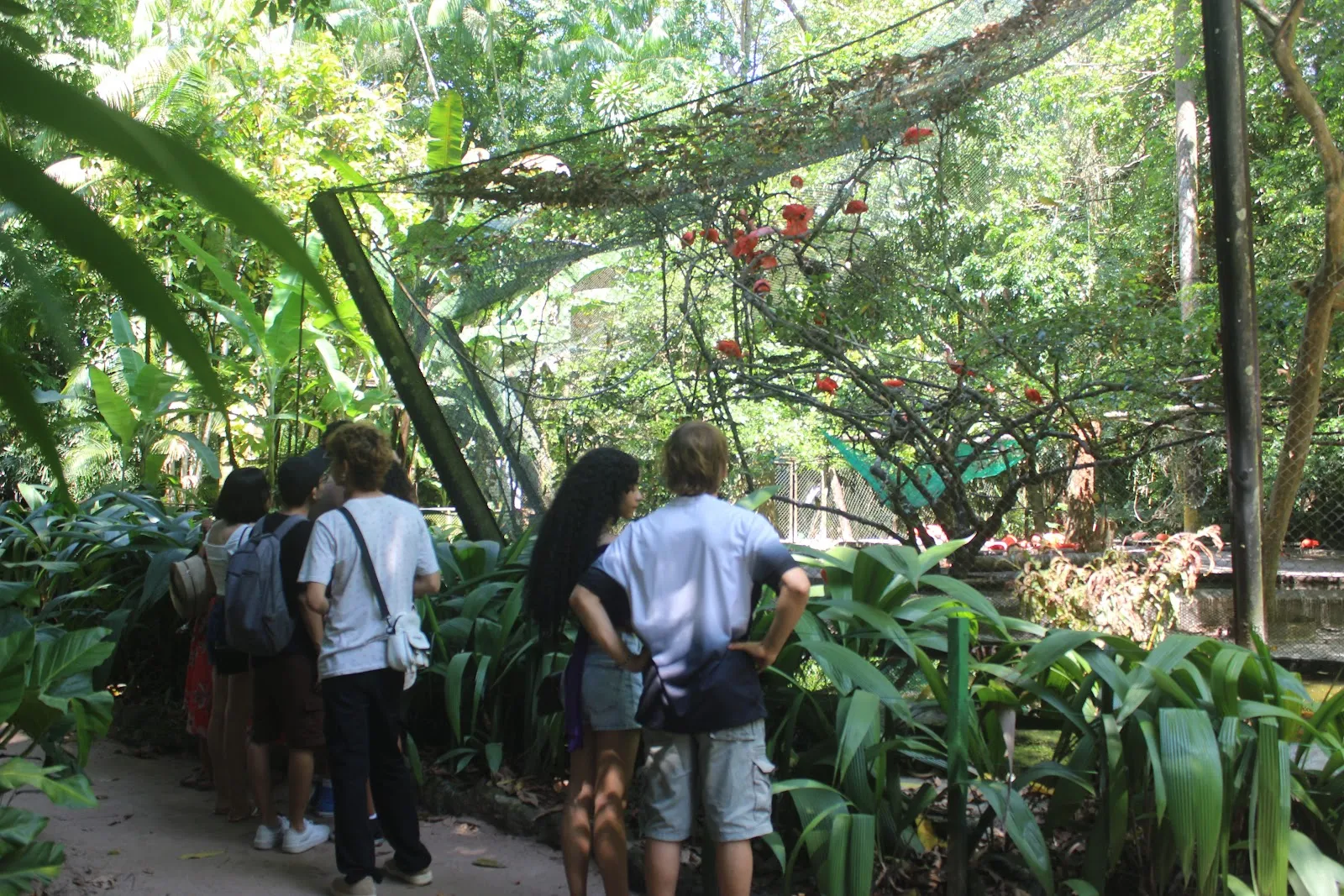
The park is built around shaded trails through large trees and dense vegetation. Old buildings and memorials to botanists and biologists stand along the paths. Reflecting pools hold giant water lilies, and sloths and rodents move about freely.
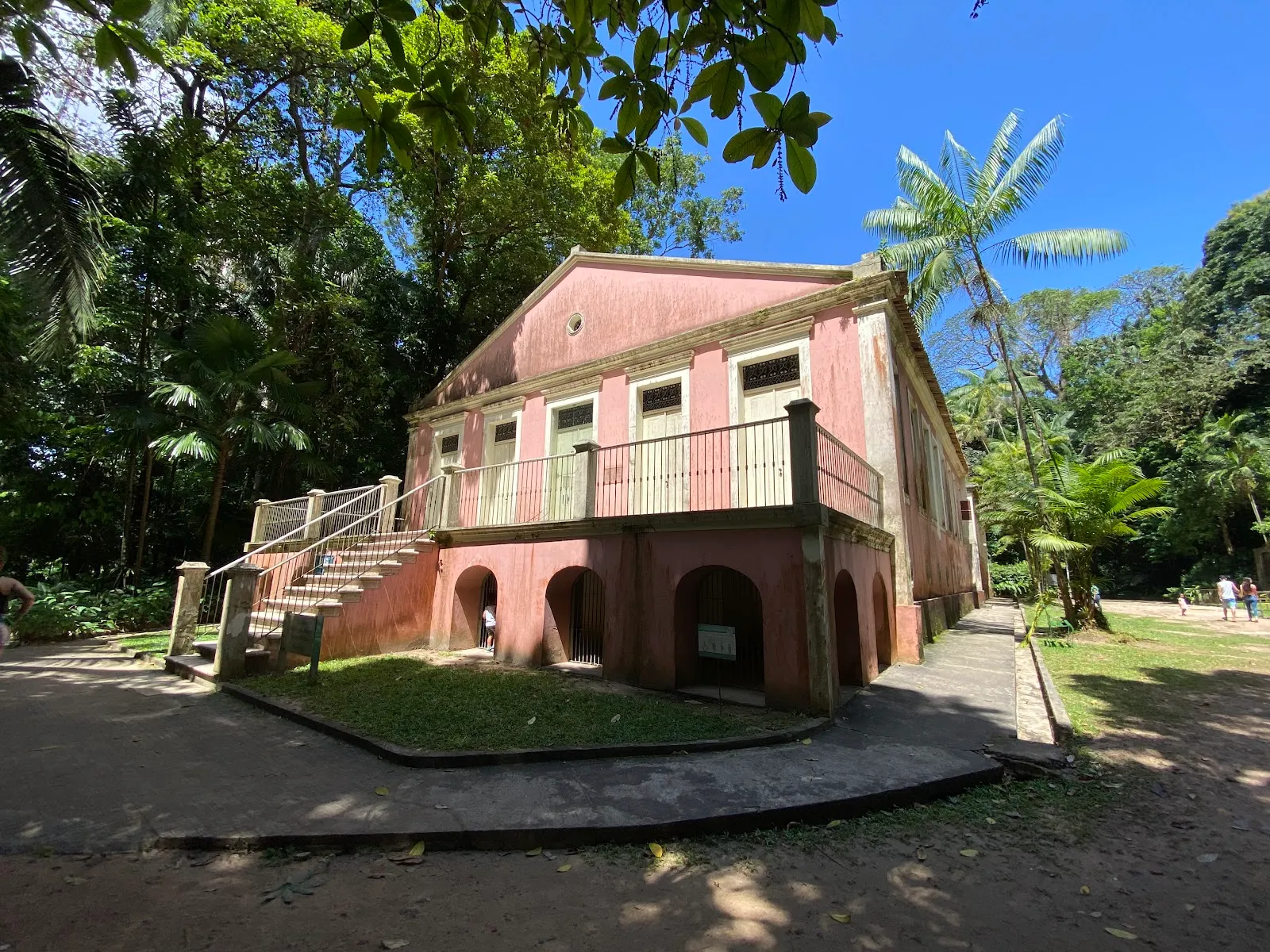
The castle-like building was constructed to house a water reservoir. It is due for renovation, and some structures show wear from limited upkeep. The trails are mostly sand, and some sections have no signs, so a map helps you find the main attractions.
The museum and the animal areas
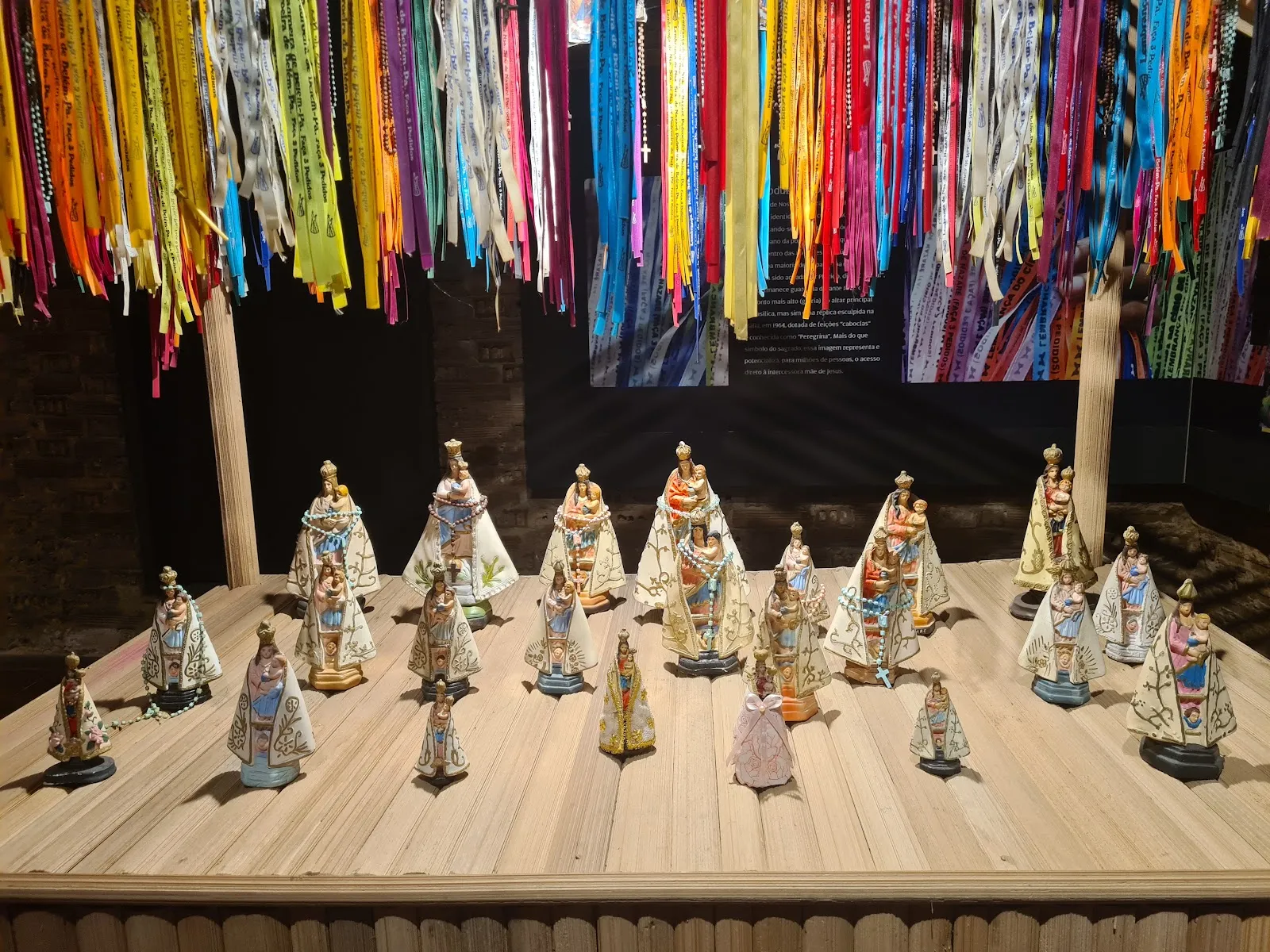
The ethnology museum is the core of the visit. Its best-known pieces are the Marajoara pottery made by the Marajó people, and artifacts from the many Indigenous groups living across the Brazilian Amazon. The collection also includes stuffed birds and old photographs.
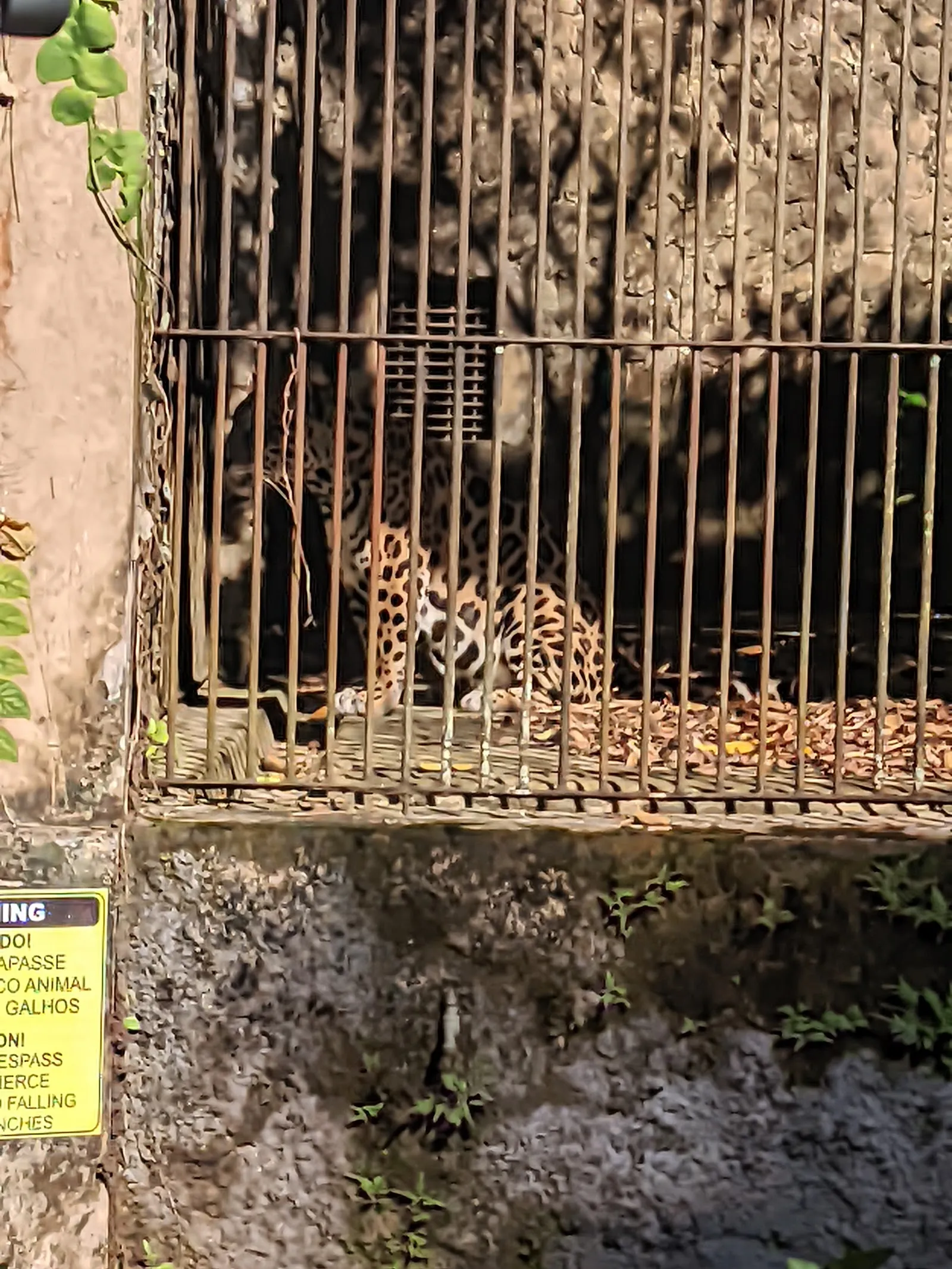
The aquarium is a separate stop, and it houses boa constrictors. The zoological area has manatees, alligators, snakes, monkeys, birds, giant otters, anteaters and jaguars. The animals here were rescued from deforestation or illegal trafficking, and vets and biologists care for them every day.
If you prefer to spend less time with the animals, the forest trails and the museum fill a visit on their own.
Food, access and facilities
A small cafe sits near the jaguar enclosure, a convenient break between the aquarium and the museum. A restaurant is also on site. The park has restrooms, including a wheelchair accessible restroom, and a wheelchair accessible elevator.
The park hosts live performances and private events. Booking tickets ahead is recommended, so arrange them before you travel to the park.
FAQ
Is there an entry fee?
Yes. Admission is 3 Brazilian reais, about €0.50, and it is paid in cash in reais.
Do I need to book tickets in advance?
Getting tickets in advance is recommended.
How long do you need at the park?
Plan on a few hours, about 2 to 4 hours, to walk the grounds, visit the aquarium and see the museum.
Is the park accessible for wheelchair users?
Yes. The park has a wheelchair accessible elevator and a wheelchair accessible restroom.
Is the park good for children?
Yes. Children can see free-roaming animals and the animal enclosures, and there is an aquarium and a museum to visit.