
Thimphu
Thimphu, Bhutan's capital, pairs a fortress monastery that still houses government offices with temples, a weekend market and hillsides above the valley.
We may earn a commission. It never decides our picks.
Thimphu is the capital of Bhutan, a Himalayan kingdom between China and India. The city sits in a valley at about 2,300 meters, so evenings stay cool even in summer and a warm layer helps. Its best-known landmark is Tashichho Dzong, a fortress monastery that houses government offices and the central monastic body. Parts of the complex are open to visitors.
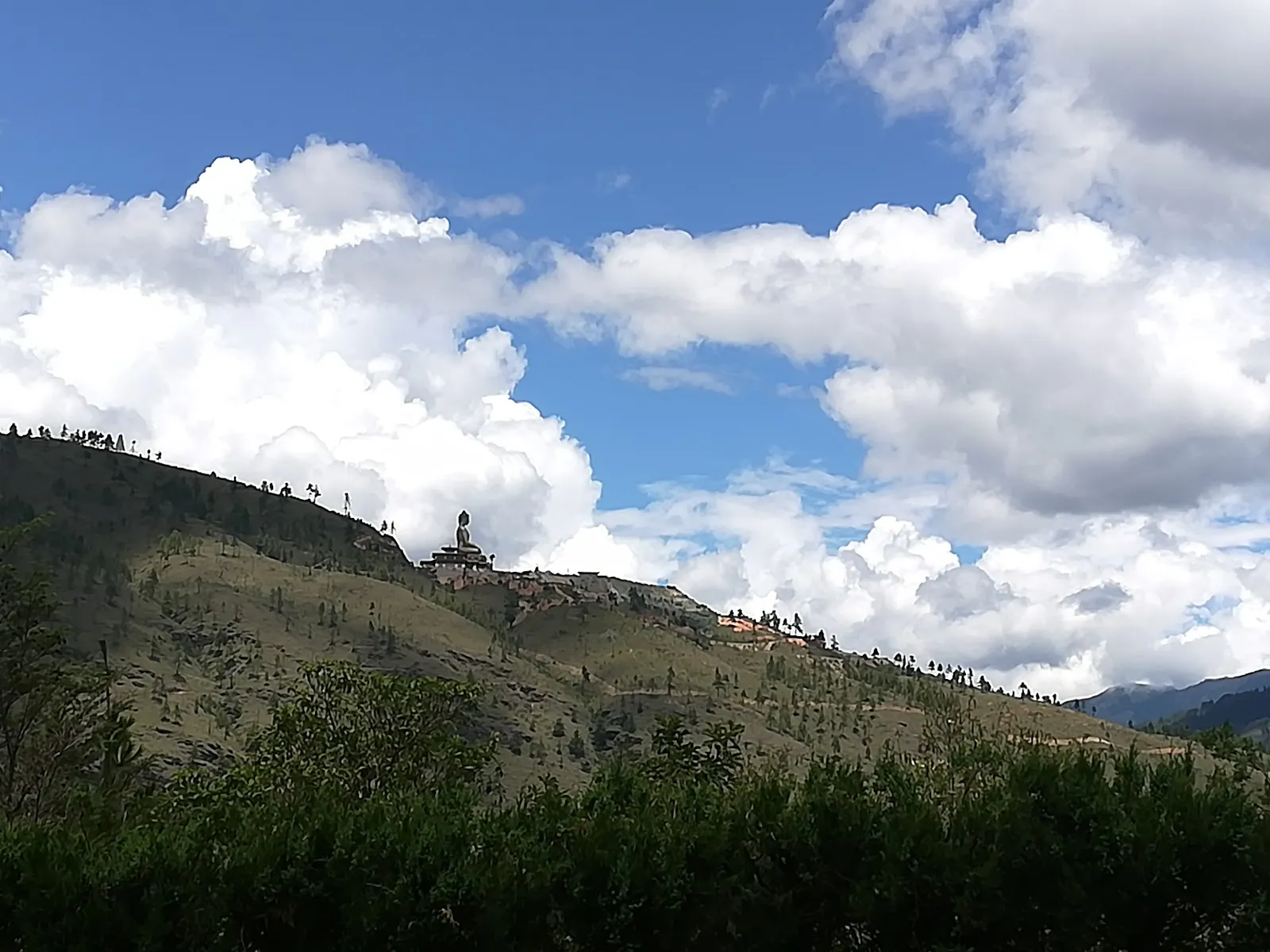
Beyond the dzong, the city is small enough to cover on foot. Common stops include the Memorial Chorten, a whitewashed stupa built in memory of the third king, and the Buddha Dordenma, a large gilded bronze Buddha on a hill above town. The weekend market fills a few blocks with produce, crafts and local snacks. Plan two or three days in the city and visit in spring or autumn for the most comfortable walking weather. Most visitors enter Bhutan through a licensed tour operator, so check current entry rules before you book flights.
Thimphu in five
- Book your visa and tour before you flyMost visitors cannot enter Bhutan on their own. A licensed Bhutanese tour operator arranges the visa and the pre-booked tour, so book both before you buy flights.Visas and entry
- Carry cash in ngultrumMany shops and taxis take cash only, and ATMs are few outside the main town. Carry small notes, as change can be hard to find.Money and costs
- Buy a local SIM on arrivalTashiCell and B-Mobile are the two local networks. Bring your passport to register the SIM, and check your roaming plan before you land.Phones and eSIM
- Dress modestly for the dzongsTashichho Dzong houses government offices and the central monastic body, and it has strict dress rules. Cover your shoulders and knees, and take off your hat before you go in.
- Allow a slow first day at altitudeThimphu sits at about 2,300 m. Walk slowly on the first day, and take the climb up to Buddha Dordenma at an easy pace.
Things to do in Thimphu
See all attractions in Thimphu



Need to know
- Currency
- Ngultrum (BTN), pegged to the Indian rupee
- Entry
- Visa and pre-booked tour via a licensed operator; Indian citizens exempt Read more
- Emergency
- 113 police, 112 ambulance, 110 fire
- Tipping
- Not expected
- Time
- UTC+6, no daylight saving
Weather by month
- Best
- Good
- Mixed
- Poor
- JanuaryCold, clear
- FebruaryCold, dry
- MarchMild, clear
- AprilRhododendrons
- MayWarm, green
- JuneMonsoon rain
- JulyMonsoon rain
- AugustMonsoon rain
- SeptemberClear, mild
- OctoberTshechu festivals
- NovemberCrisp, clear
- DecemberCold, clear
Right now in Thimphu
Local time, today's weather and the exchange rate, refreshed through the day.

-1
- Feels like
- -5°
- Humidity
- 76%
- Wind
- 3 km/h
- Chance of rain
- 2%
Thimphu
06:04 AM
Tuesday, November 3
- Today11°-2°2%Tuesday: Fog. High 11°, Low -2°. Chance of rain 2%.
- Wed11°-2°0%Wednesday: Fog. High 11°, Low -2°. Chance of rain 0%.
- Thu10°-2°6%Thursday: Fog. High 10°, Low -2°. Chance of rain 6%.
- Fri10°-1°25%Friday: Drizzle. High 10°, Low -1°. Chance of rain 25%.
- Sat8°-2°33%Saturday: Fog. High 8°, Low -2°. Chance of rain 33%.
- Sun7°-3°6%Sunday: Fog. High 7°, Low -3°. Chance of rain 6%.
- Mon8°-3°2%Monday: Clear. High 8°, Low -3°. Chance of rain 2%.
Updated 03:16 AM local time · Weather data by Open-Meteo.com
Money
Mid-market rate1 USD = 95.02 BTN
Rates from Nov 2, 2026 · Rates By Exchange Rate API
Day trips by train
- Paroabout 1.5 hours by roadTaktsang monastery, perched on a cliff and reached by a long uphill walk.
- Punakhaabout 2 hours by road over Dochula PassPunakha Dzong sits where two rivers meet, in a warmer valley.
- Haa Valleyabout 3 hours by roadA quiet valley of village houses with few visitors.
Before you go to Thimphu
Rules for Thimphu, checked
- Most visitors must book a visa and tour through a licensed Bhutanese operator and pay the Sustainable Development Fee in advance. Check the Tourism Council of Bhutan site before you book.Source
- Ask before you photograph inside dzongs and temples, as some interiors and rituals are off limits to cameras.
- Bhutan restricts the sale and import of tobacco. Check the customs rules before you carry any tobacco products into the country.
Plan around Thimphu
Regions, dzongs and where Thimphu fits in a longer trip
Read the guideEntry and visa rulesHow the licensed-operator visa process works for most visitors
Read the guideMoney and cashCarrying ngultrum, where cards work and where they do not
Read the guidePhones and eSIMLocal SIM options from TashiCell and B-Mobile, and what to bring
Read the guideWhere to stayHotels and guesthouses across the main town areas
Read the guideGetting aroundTaxis, drivers and day trips by road from the capital
Read the guideThimphu FAQ
Can I visit Thimphu without a tour?
Not for most visitors. Bhutan requires a visa arranged through a licensed tour operator, so you travel on a pre-booked package. Indian citizens are exempt from the visa requirement.
How many days do you need in Thimphu?
Two nights cover Tashichho Dzong, the Memorial Chorten, the weekend market and Buddha Dordenma. Add a day or two for Paro or Punakha.
Where should I stay in Thimphu?
Norzin Lam if you want to walk to shops and restaurants. Motithang if you want quieter nights and a short taxi ride into town.
Is Thimphu worth visiting?
Yes, for a day or two. It is the capital and a good first look at Bhutan's dzongs, markets and Buddhist culture. The town is small and quiet at night.
Can I day-trip from Thimphu to Paro?
Yes. Paro is about 1.5 hours by road. The Taktsang monastery needs a long uphill walk, so start early.
Do I tip in Bhutan?
Tipping is not expected in shops or restaurants. Many travellers tip guides and drivers at the end of a tour.