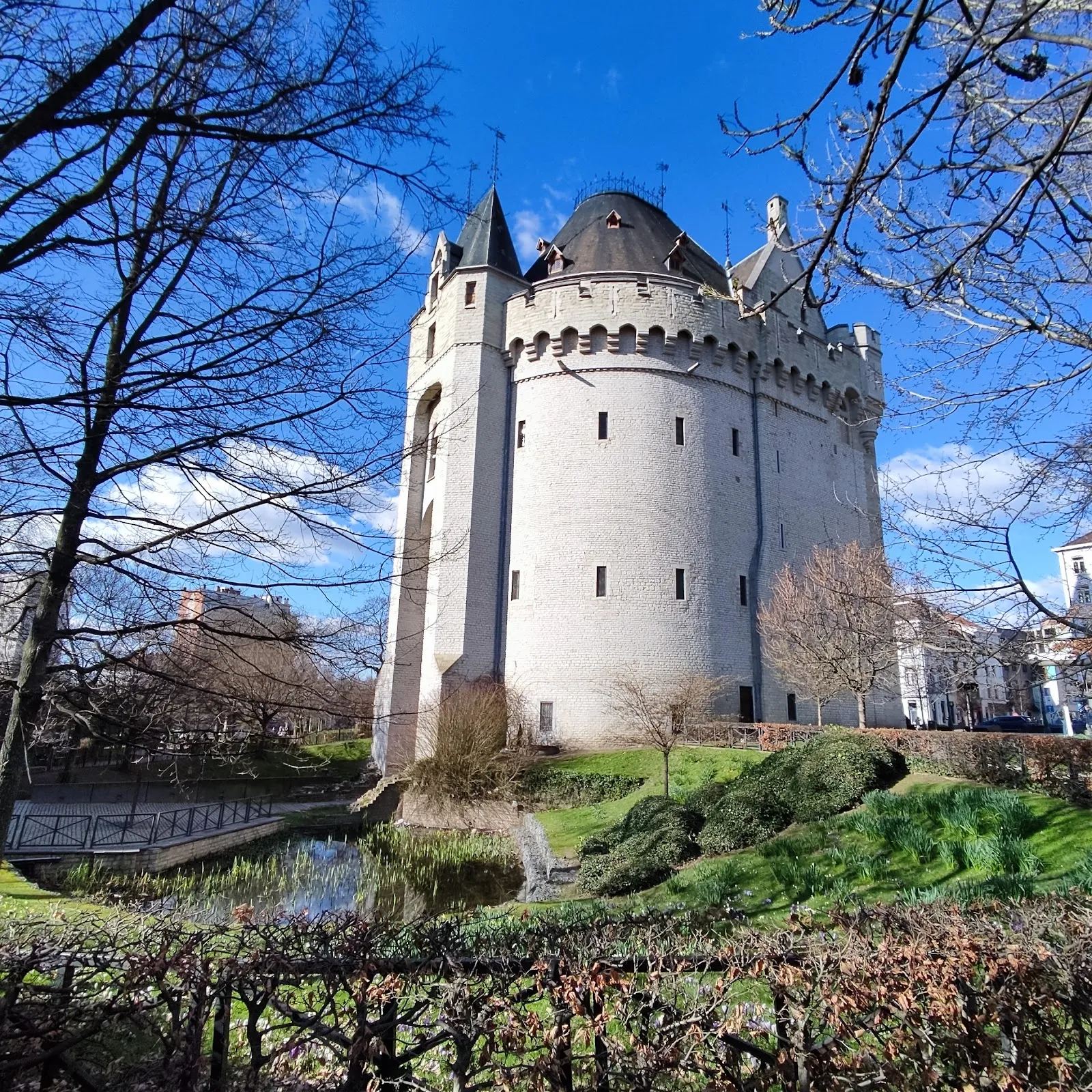
Halle Gate, or Porte de Hal, is Brussels’ last surviving medieval city gate, built in 1381 as part of the city’s second defensive wall. Its museum traces how Brussels protected itself and how the gate later served as a prison, customs house and archive. Inside, look for armour, weapons, historic maps, models and short films; the white stone spiral staircase is a highlight in its own right. Renovation work affects the upper floor, so check what is open before you go if a rooftop view is your priority.
A gate from Brussels’ second city wall
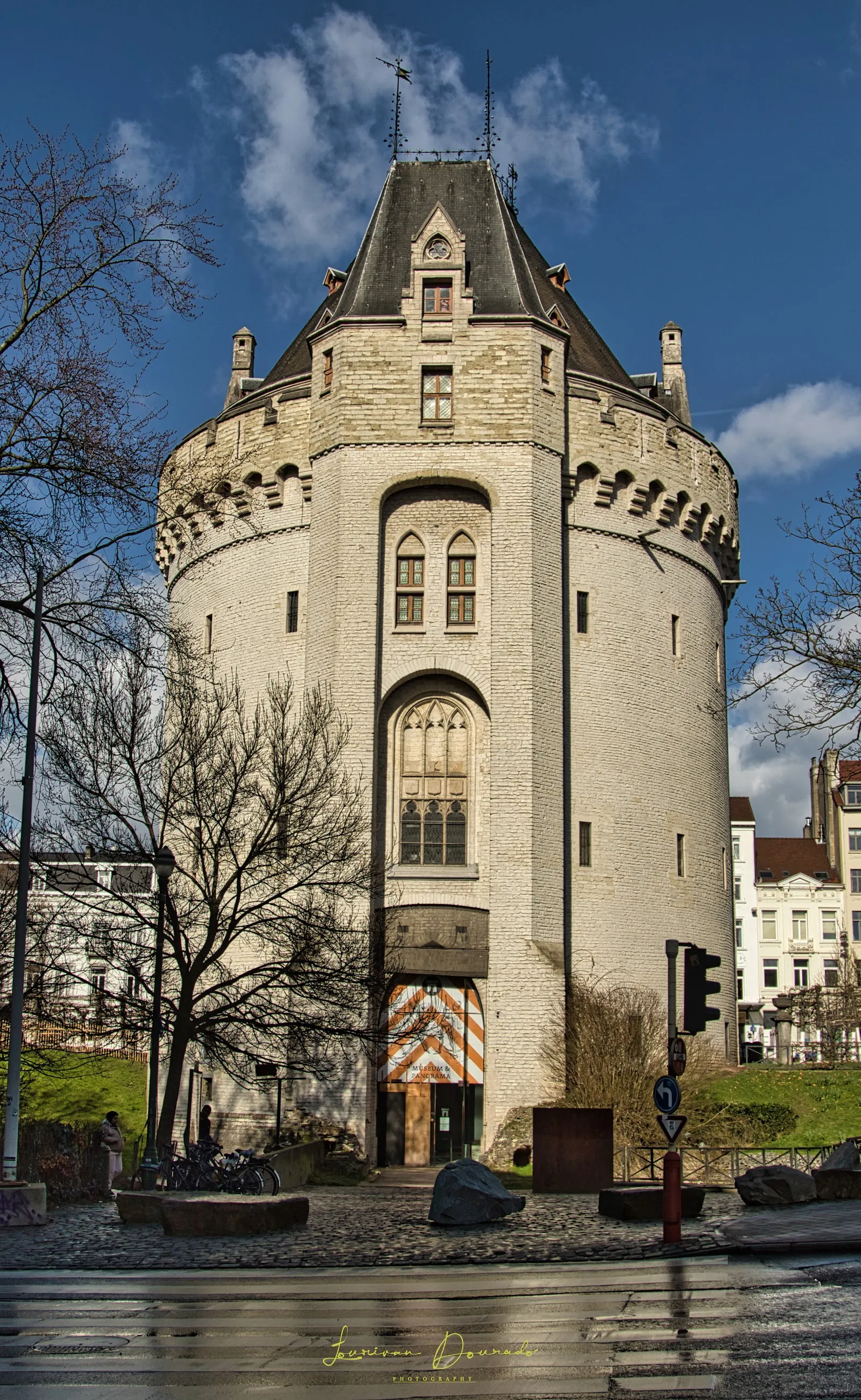
Halle Gate was completed in 1381 as part of the second fortified wall around Brussels. It was first known as the Obbrussel Gate, or Upper Brussels Gate. The first city walls had been completed in the early 13th century; the second line followed later in that century.
The gate is the only surviving medieval city gate in Brussels. Its former roles went beyond defence: over the centuries it was also used as a prison, customs house, granary and archive. Restored in the 19th century, it has a Neo-Gothic exterior. The building now houses a museum about the gate and the city’s fortifications.
Exhibits on the city and its defences
The museum explains how Brussels defended itself during the Middle Ages and the part townspeople played in protecting the city. Exhibits include medieval armour and weapons, historic maps, models and short films. Multimedia activities and displays help trace how the city and its fortifications developed over time.
Look for the Gothic Room, with material on Brussels’ walls, and the Guild Room, which focuses on the city’s trade guilds. Temporary exhibitions explore past and present life in Brussels. The contents are spread over several levels, with different displays on each floor.
Getting around the building
A white stone spiral staircase connects the floors. An audio guide is available to add context to the exhibits, and lockers can be used to leave belongings during your visit. The building also has a wheelchair-accessible elevator and entrance.
Renovation work is affecting the upper floor, and the rooftop has been reported closed during the works. Access to the entrance can also be affected by construction around the building. Check the museum’s current information before setting out, particularly if the upper levels or views are central to your plans.
FAQ
How long should I allow for Halle Gate?
Allow about 60 to 90 minutes to explore the museum and its exhibits.
What can you see inside Halle Gate?
The museum covers Brussels’ medieval defences and includes armour, weapons, maps, models, films and displays about the city’s walls and trade guilds.
Can you go to the top of Halle Gate?
Renovation work has affected the upper floor, and the rooftop has been reported closed during the works. Check current access before visiting if you want a city view.
Is there an elevator at Halle Gate?
Yes. The building has a wheelchair-accessible elevator, entrance and restroom.