The Brussels City Museum occupies the Maison du Roi, also called the Broodhuis, on the Grand Place. Across three floors, exhibits trace Brussels from the Middle Ages to the present through city models, maps, paintings, tapestries and sculptures. Look for the original Manneken Pis and displays about the city’s tapestry-making tradition. Interactive screens cover subjects including the statue and the city’s development. It’s a useful stop for understanding the square and the history behind the city centre; allow time for stairs between floors.
The Maison du Roi and its history
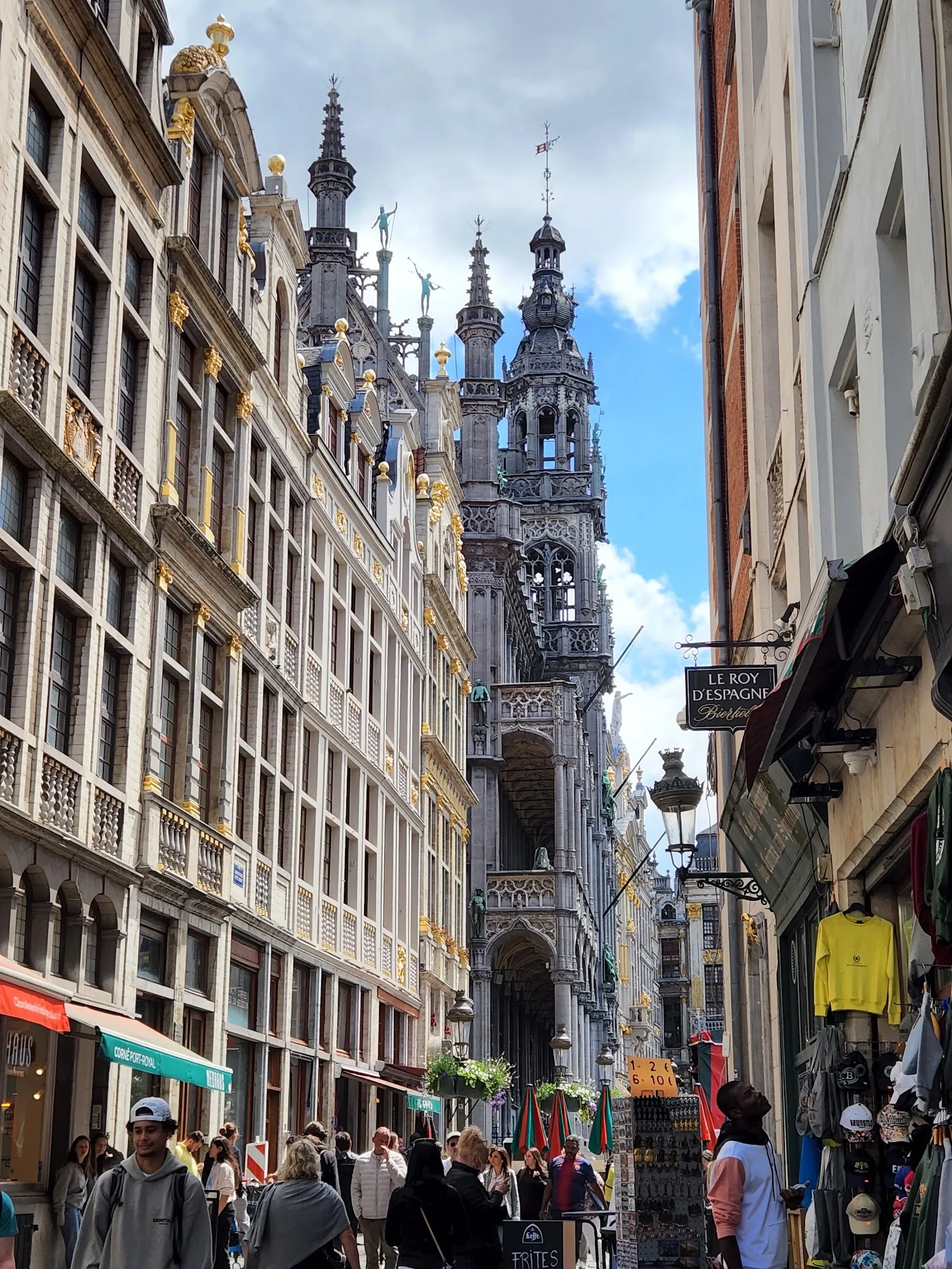
The museum is housed in the Maison du Roi, known in Dutch as the Broodhuis, or Bread Hall. The name Broodhuis recalls the medieval bread market that once stood on this site. The building later became an administrative centre for the Duke of Brabant.
French troops heavily damaged Brussels in 1695, and the building underwent several reconstructions. The present structure took shape in the 19th century in a neo-Gothic style. Its decorative facade is part of the Grand Place setting, where it faces the City Hall. The square and its historic buildings are listed as a UNESCO World Heritage Site.
Brussels through objects and models
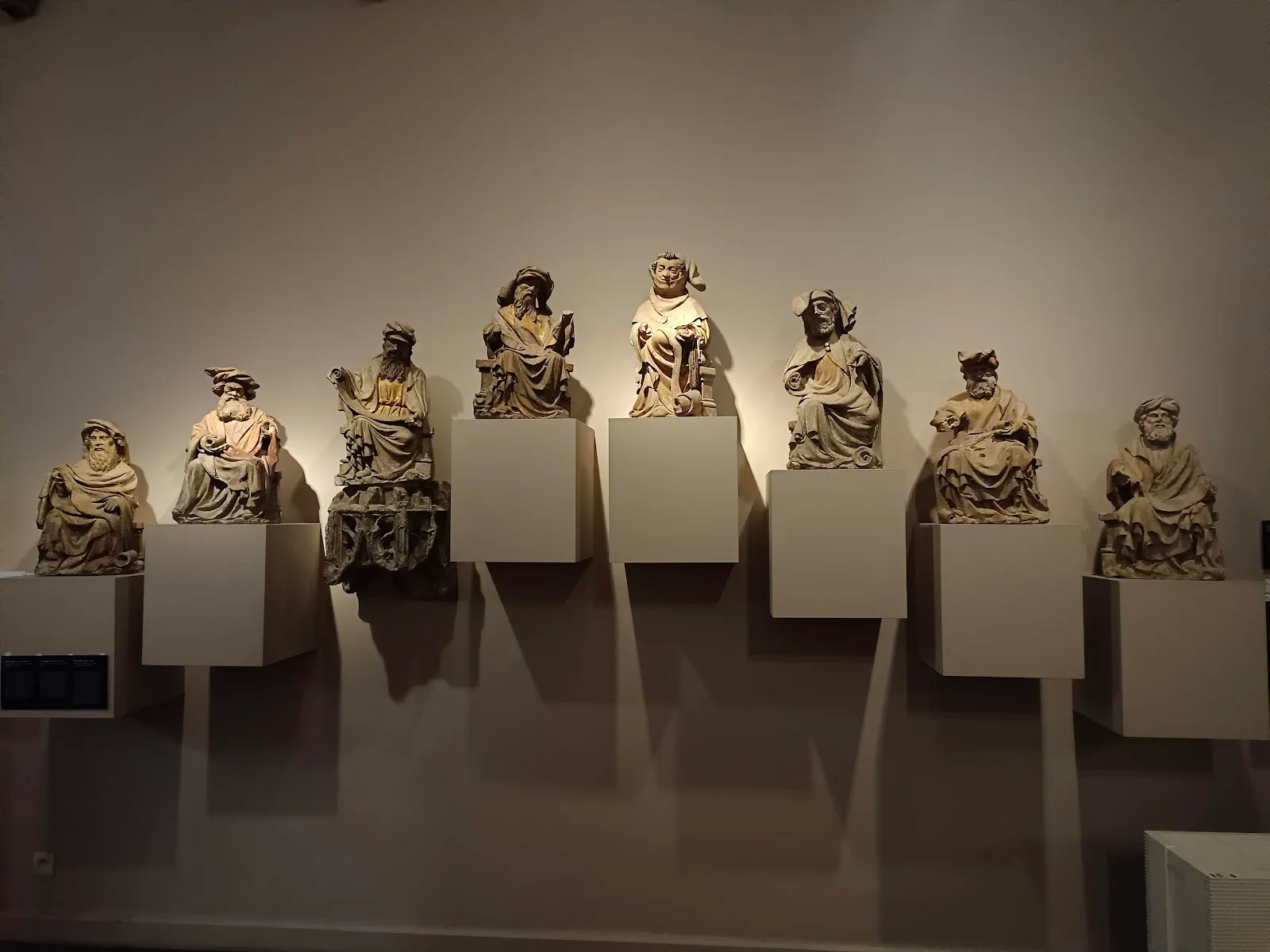
The collection tells the story of the city through paintings, sculptures, photographs, maps, tapestries and everyday objects. Models show how Brussels developed and what parts of the city looked like in earlier periods. Together, these displays connect changes to the city’s streets and buildings with its artistic and social history.
Interactive screens provide more detail on subjects including tapestry-making and Manneken Pis. Other exhibits cover changes such as the covering of the Senne River and the construction of the railway between the Nord and Midi stations. An audiovisual display about Saint Gudula is positioned at the bottom of the stairs.
The original Manneken Pis
The museum holds the original Manneken Pis statue, a bronze work by Jérôme Duquesnoy dating to 1619. The figure visitors see at the street corner is a replica; the original is kept inside the museum. Displays also follow the history of the city’s well-known figure through its costumes.
The collection includes historic sculptures from Brussels, among them the original statue of Saint Michael that once stood atop City Hall. These works place familiar city symbols in the context of the objects and art preserved in the museum.
Planning your visit
The museum is spread over three floors, with stairs connecting the exhibits. There is a lift listed among the building’s facilities, but access may still be limited for visitors with mobility challenges. Restrooms are available inside. Interactive material and a space on the upper floor for drawing, games and quizzes can give children a change of pace during the visit.
On the first Sunday of each month, admission is free. During special events such as the Flower Carpet, visitors can pay an extra EUR 2 to access the balcony for a view over the Grand Place. Check the museum’s website for current visitor information and event details.
FAQ
Where is the Brussels City Museum?
It is in the Maison du Roi, also called the Broodhuis, on the Grand Place in Brussels.
Can you see the original Manneken Pis at the museum?
Yes. The museum displays the original 1619 bronze statue. The figure at the street corner is a replica.
When is entry free?
Admission is free on the first Sunday of each month.
How long should I allow for a visit?
Plan for about 1 to 2 hours to explore the three floors.
Is the museum accessible for visitors with mobility challenges?
Access may be limited because the museum has stairs between floors.