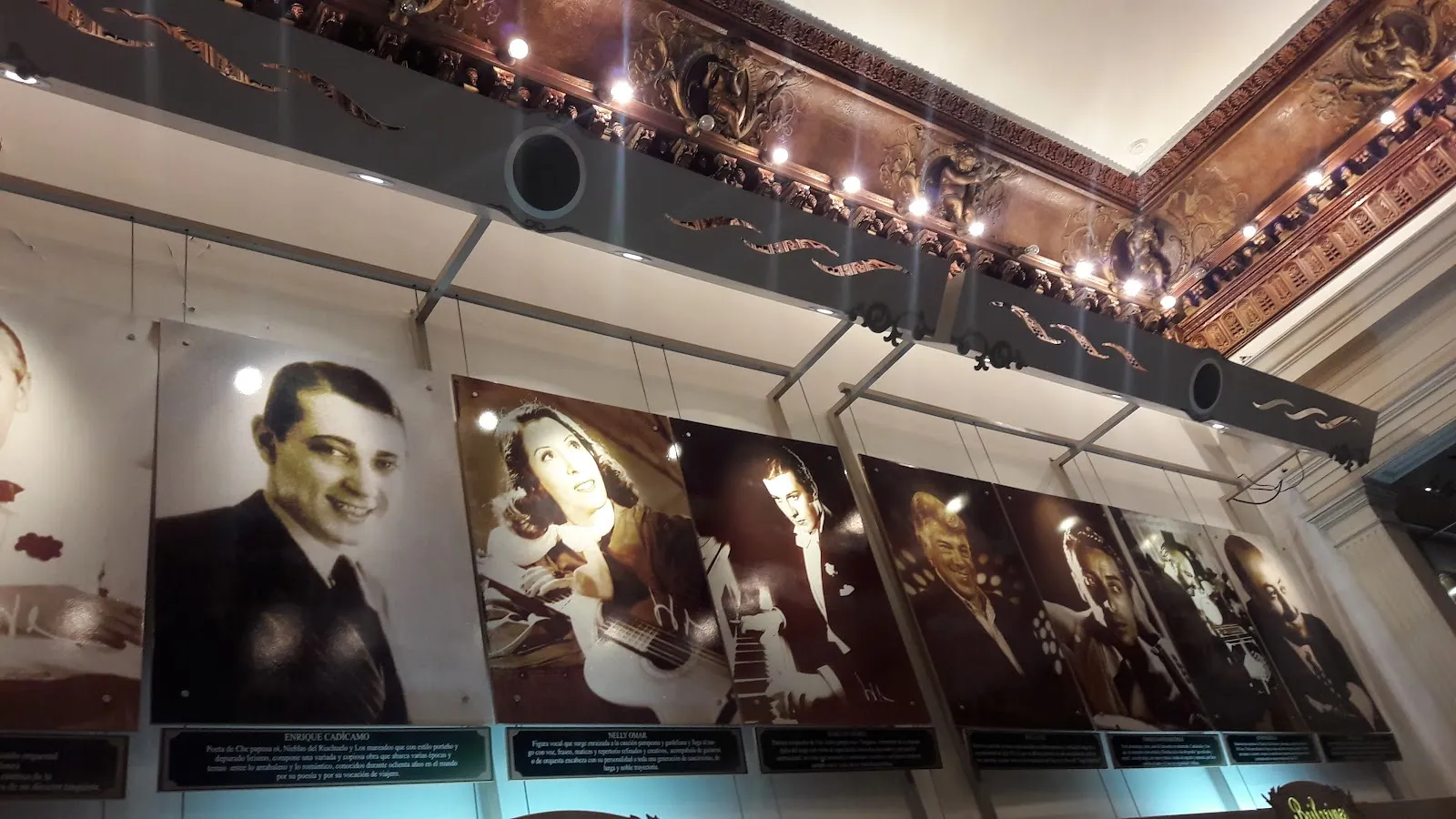
Above Café Tortoni on Avenida de Mayo, the Museo Mundial del Tango traces the development of tango through photographs, historical objects, instruments and archival references. The collection follows the music from periods when tango could not be openly spoken of to the present, with material connected to figures including Carlos Gardel and Astor Piazzolla. Interactive displays add a hands-on element, and Wednesday classes introduce basic steps. A guide can help make the exhibits easier to follow if you are new to tango.
Tango from its early years to the present
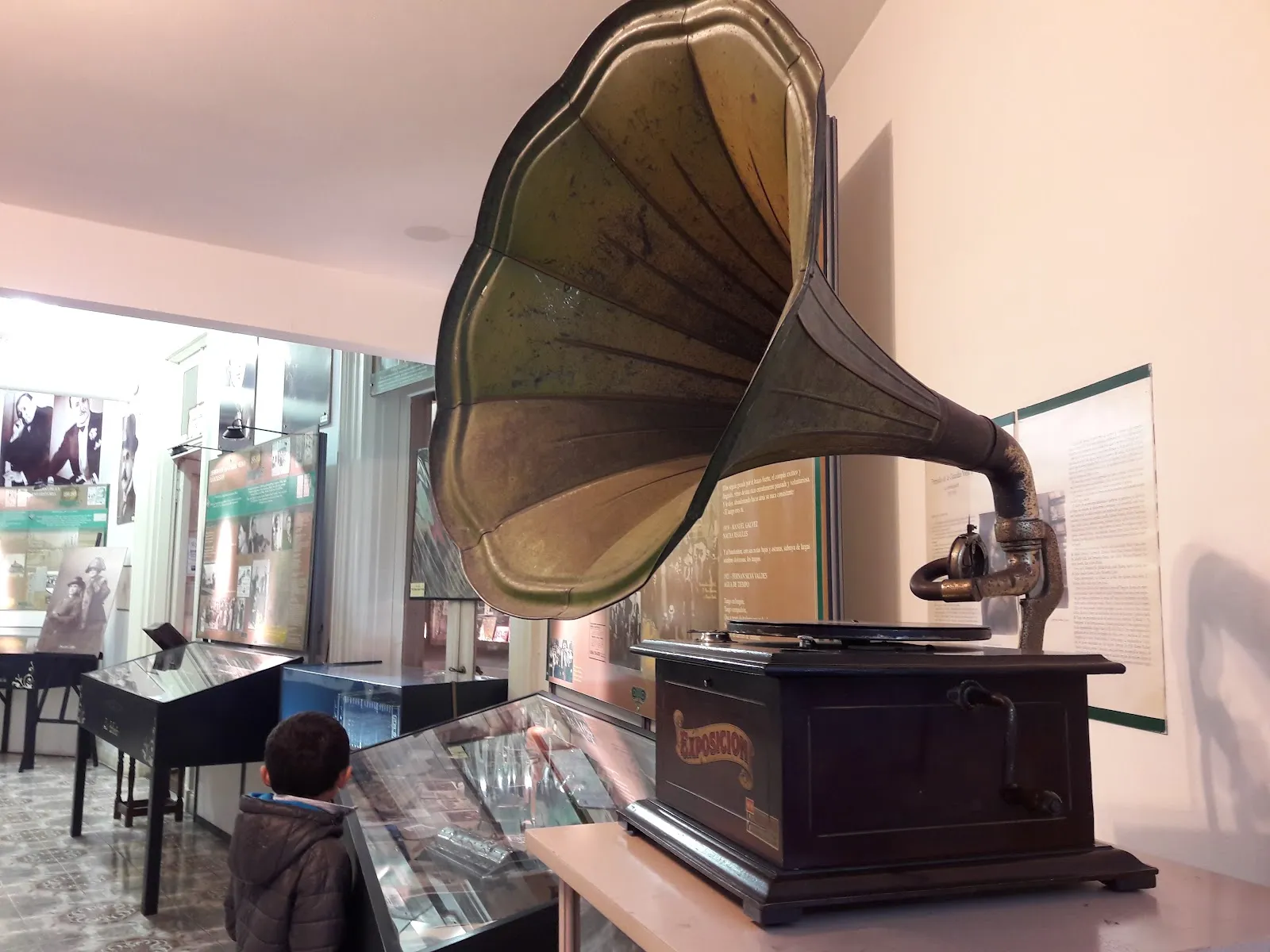
The Museo Mundial del Tango is above Café Tortoni on Avenida de Mayo and is sponsored by the National Academy of Tango. Its collection traces the development of the music, including periods when tango could not be openly spoken of. Photographs, instruments, objects and archival references bring different eras into view.
The displays also connect tango’s history with musicians such as Julio de Caro, Carlos Gardel, Enrique Santos Discépolo, Osvaldo Pugliese, Roberto Goyeneche, Mariano Mores and Astor Piazzolla.
An interactive visit
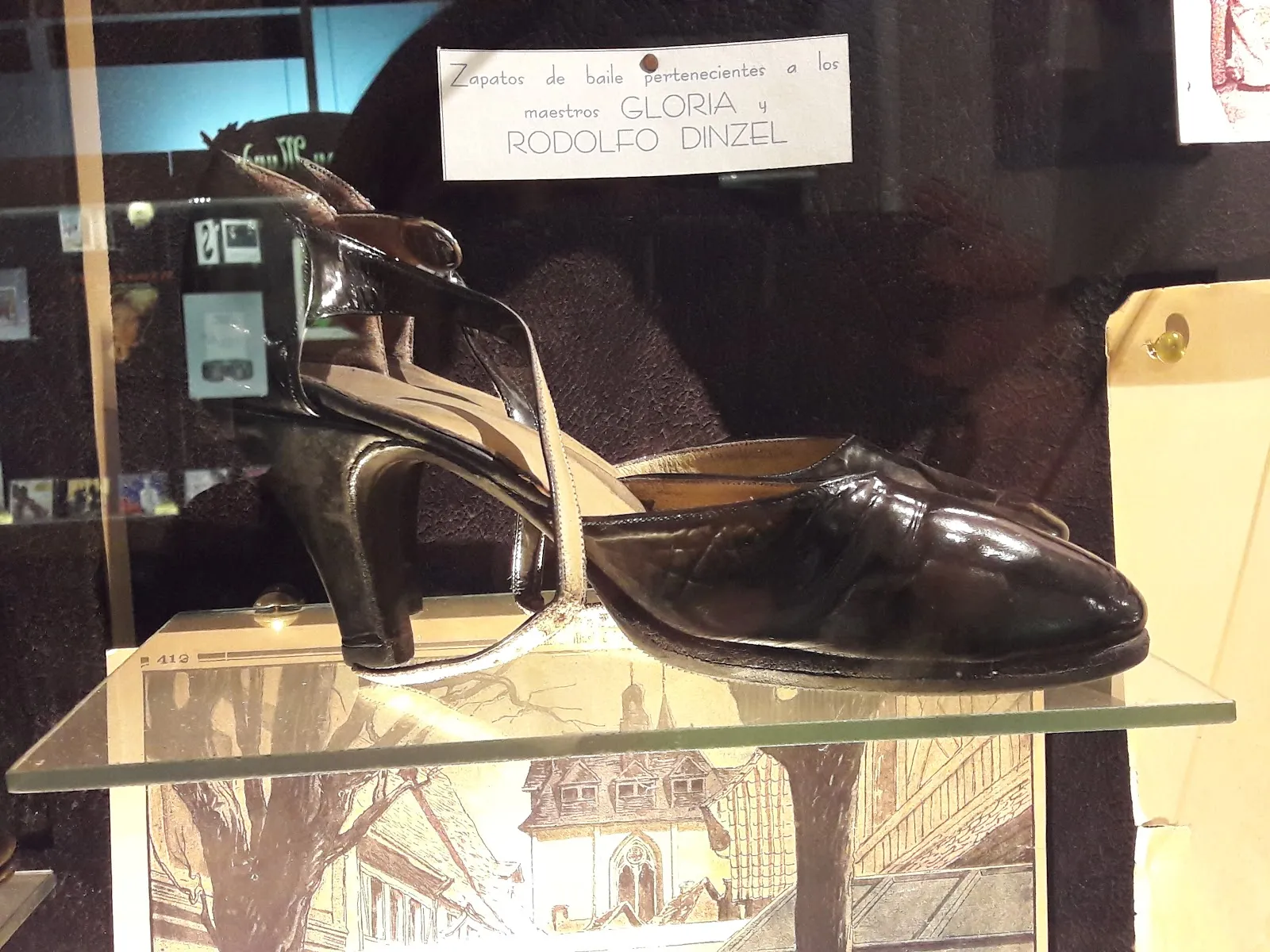
The exhibits include interactive elements, giving you a way to engage with the material as you learn about tango. If you are new to the music, a guide can help explain the collection and its historical references.
Tango classes are offered on Wednesdays and introduce basic steps. The museum has also been associated with free tango shows; check what is happening during your visit.
FAQ
Where is the Museo Mundial del Tango?
It is above Café Tortoni at Rivadavia 830 in Buenos Aires.
What can you see at the museum?
The collection covers tango history through photographs, objects, instruments and archival references, including material connected to major tango musicians.
Are tango classes offered at the museum?
Yes. Classes introducing basic tango steps are offered on Wednesdays.
Can you see a tango show there?
A free tango show is mentioned as an event at the museum. Check what is scheduled for your visit.