Mo'okini Heiau is a sacred Hawaiian place of worship on the north coast of the Big Island, near Hawi and Upolu Airport. Its carefully arranged stonework and coastal setting make the visit compelling, while its history includes human and animal sacrifice. The site has little interpretive information, so reading about its history beforehand can help you understand what you are seeing. Reaching it can mean driving a rough dirt track or walking in; take water and treat the heiau with care.
A sacred place on the north coast
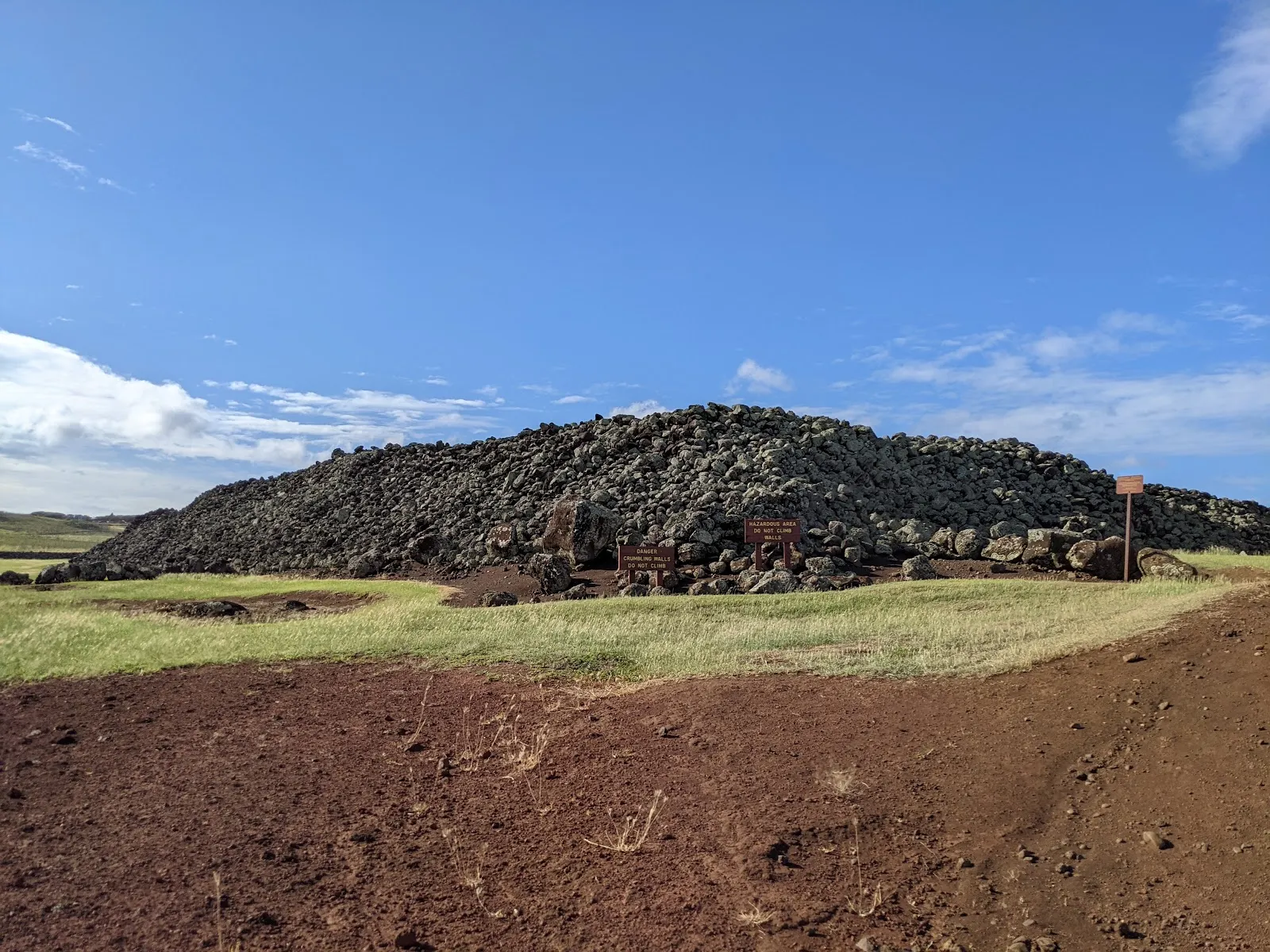
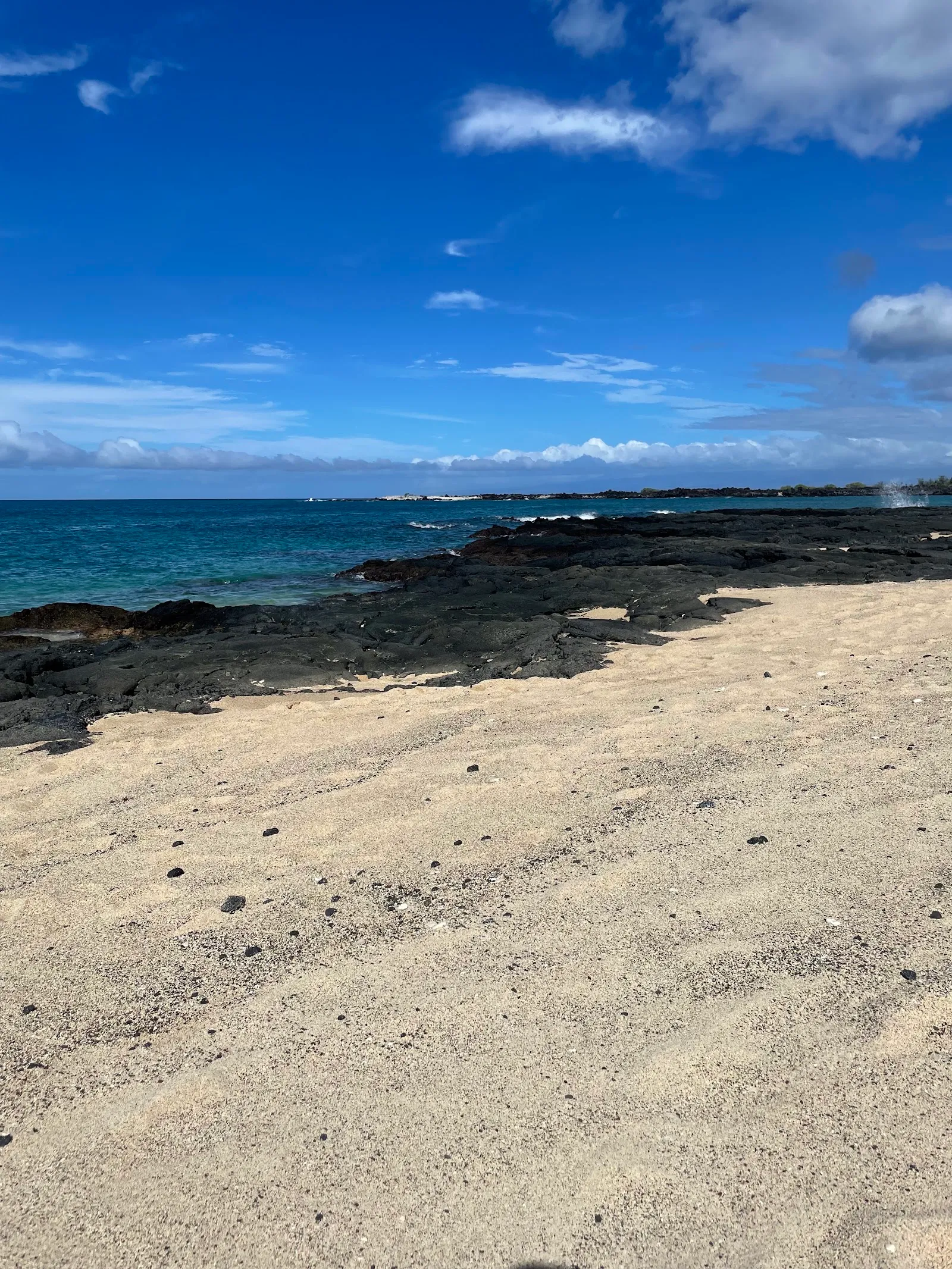
Mo'okini Heiau is near Hawi in the north of the Big Island, close to Upolu Airport. It is regarded as one of the oldest and most sacred heiau in Hawaii and remains a living spiritual site for Native Hawaiians. Its stone construction and the coastal landscape are central to a visit.
The heiau was associated with Kū, the god of war, and its history includes human and animal sacrifice. Approach this history with respect: the site is a place of worship, not simply a set of ruins.
Getting there and understanding the site
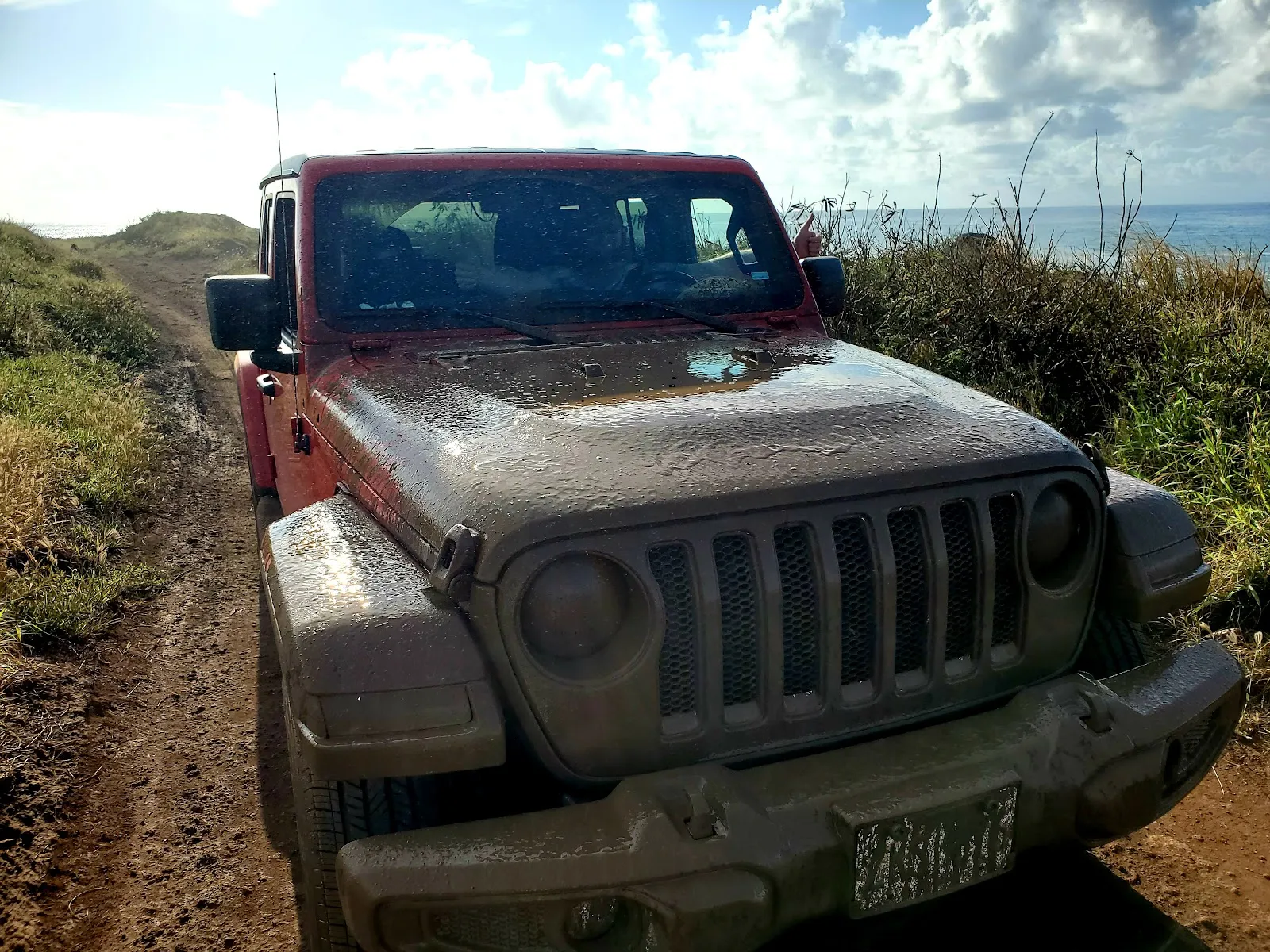
Access involves a rough dirt road. A high-clearance 4WD vehicle can manage the track in suitable conditions, but visitors without one have walked in from the airport area. The walk can be long and hot, and muddy sections may follow rain. Carry water and assess the road and conditions before continuing by vehicle.
There is little interpretive information at the site. Reading about Mo'okini Heiau before arriving can help you make sense of the stone structures. Move carefully and stay off the stones. The nearby reported birthplace of Kamehameha I is another historical stop in the area.
FAQ
Where is Mo'okini Heiau?
It is on the north coast of the Big Island, near Hawi and Upolu Airport.
Do you need a 4WD vehicle to reach Mo'okini Heiau?
A high-clearance 4WD vehicle is recommended for the rough dirt road. Visitors without one have walked in from the airport area, but the walk can be long.
What should I know before visiting Mo'okini Heiau?
Take water and read about the site's history in advance, as interpretive information there is limited. Treat the heiau as a sacred place and stay off the stones.