Boone Hall Plantation & Gardens is a historic working farm in Mount Pleasant, about 30 minutes north of downtown Charleston. Its oak-lined entrance leads to gardens, a plantation house and original cabins where exhibits address the history of enslaved people who lived and labored here. Tours include the house, the farm grounds and a live presentation on Gullah Geechee culture. Take time for the Avenue of Oaks, then explore the gardens and cabins; the tractor tour gives a broader view of the property and its crops.
A working plantation since 1681
Boone Hall was established in 1681 and remains a working farm. Crops have been grown here for more than three centuries. The property is in Mount Pleasant, across the Cooper and Wando rivers from downtown Charleston, and its grounds bring together agricultural history, gardens and historic buildings.
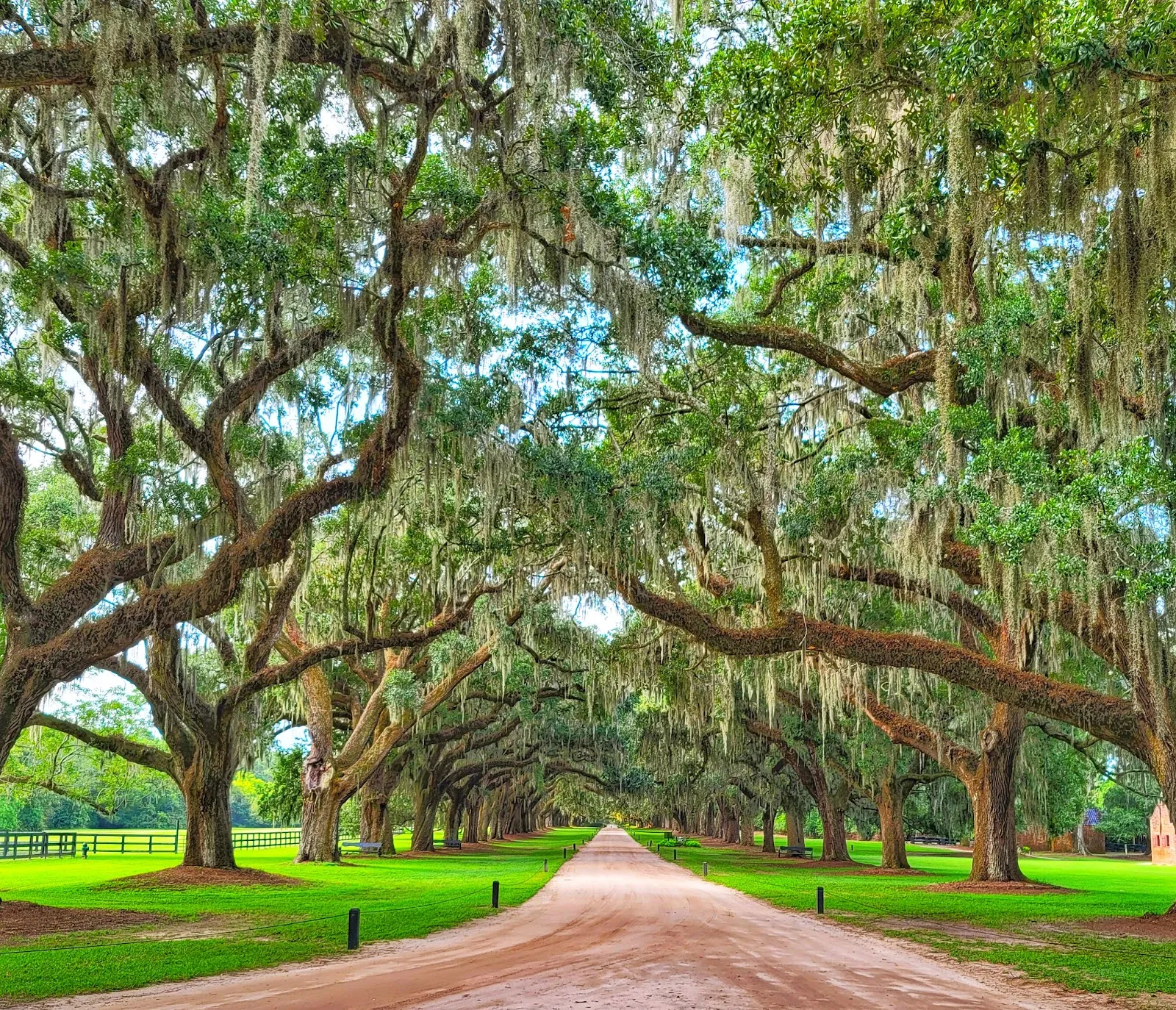
The Avenue of Oaks sets the scene on the approach to the house. The live oaks were planted in 1743, and their branches now frame the road beneath Spanish moss. The avenue is a prominent part of the visit and a familiar filming location, including for The Notebook. Other productions filmed at the plantation include North & South and Forrest Gump.
Cabins and the history of enslavement
The plantation’s history includes the lives and labor of enslaved people. Original brick cabins remain on the property, and exhibits in and around the cabins address the conditions and experiences of the people who lived there. Artifacts, video and live presentations add context to what can be seen on the grounds.
Make time for these stops as well as the house and gardens. The cabins are among the most significant parts of the site for understanding the human history behind the plantation and its agricultural production. The interpretation also covers the changes that have shaped the property over time.
Gullah Geechee culture and farm tours
A live presentation on Gullah Geechee culture includes storytelling, song and dance, sharing traditions connected to the Lowcountry. It gives the visit a cultural dimension beyond the buildings and landscape.
A tractor-pulled wagon tour travels around the plantation and working fields with a guide. The route helps put the farm’s scale and crops in context; the tour has been reported as lasting about 40 minutes. Families may also find the farm and gardens engaging, and a butterfly pavilion is among the site’s attractions when open in warmer months.
The house and gardens
The plantation house is a later building than the oldest parts of the site. A guided visit takes you through some of its rooms and adds information about the house and plantation history. The interior tour is limited to a selection of rooms, so allow time to explore outside too.
The formal gardens include antique roses, and an enclosed butterfly garden lets visitors see butterflies up close when they are in season. The grounds also have a Gullah Heritage Vegetable Garden. For a fuller visit, combine the house tour with the gardens, cabins, Gullah presentation and tractor tour. The property’s activities run on set schedules, so check what is available on arrival.
FAQ
How long do you need at Boone Hall Plantation?
Plan on about three hours or more to fit in the house, grounds, gardens and tours. The tractor tour alone takes about 40 minutes.
Where is Boone Hall Plantation?
It is at 1235 Long Point Road in Mount Pleasant, South Carolina, about 30 minutes north of downtown Charleston.
What is included in a visit?
The visit can include a guided house tour, a tractor tour of the grounds, a Gullah Geechee culture presentation, the cabins and the gardens. Activities may run at set times.
Can you see the cabins of enslaved people at Boone Hall?
Yes. Original cabins remain on the property, with exhibits about the lives and conditions of the enslaved people who lived there.