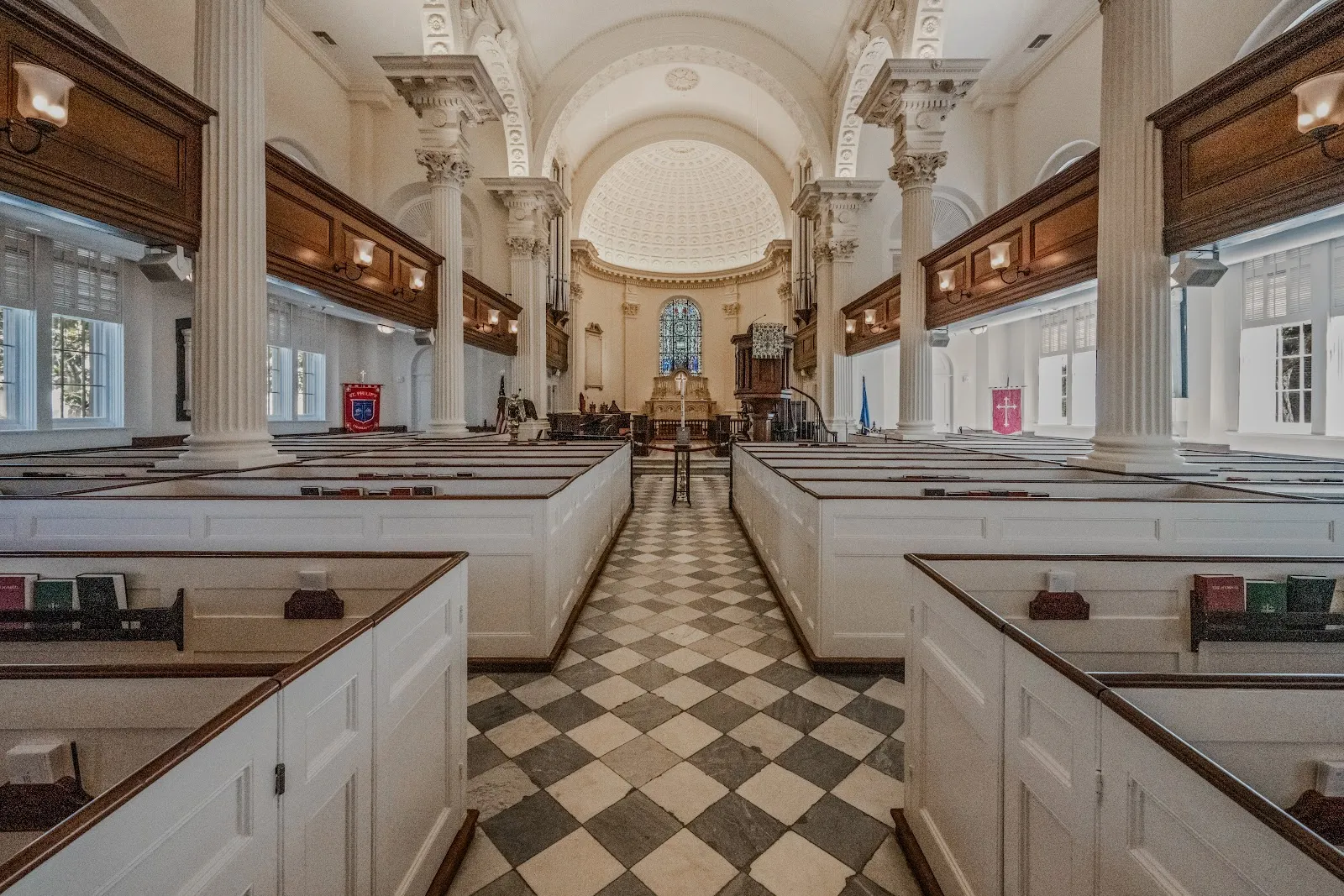
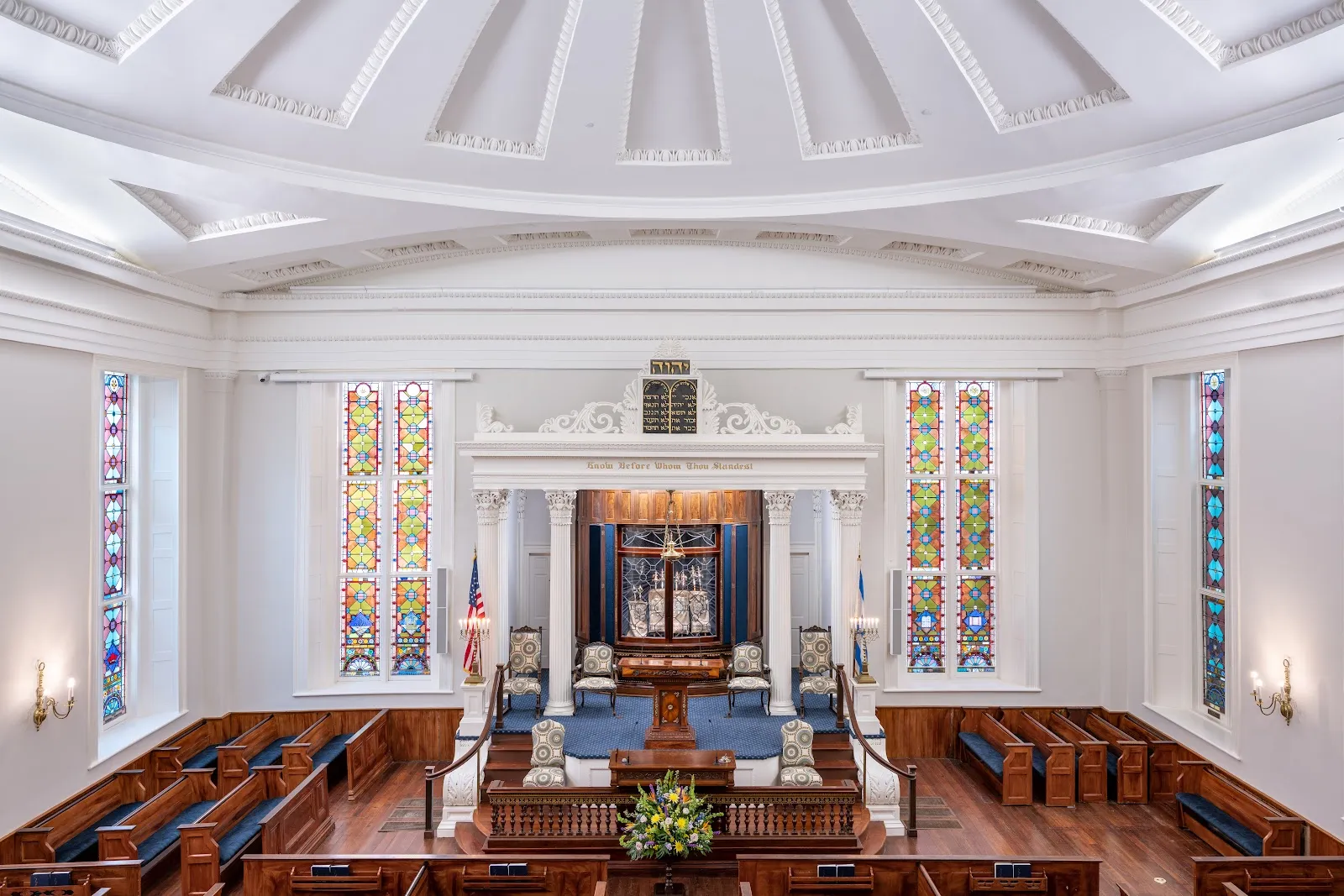
At 6 Chalmers St in Charleston’s historic district, the Old Slave Mart Museum tells the story of the city’s role in the domestic slave trade. It occupies a building used for slave auctions in the years before the Civil War, once part of the Ryan’s Mart complex. Text panels, personal accounts, audio and visual material, and a small number of artifacts trace the history of the site and the people whose lives were shaped by slavery. Allow time to read the exhibits; the visit is compact, but the subject is not.
The building and Ryan’s Mart
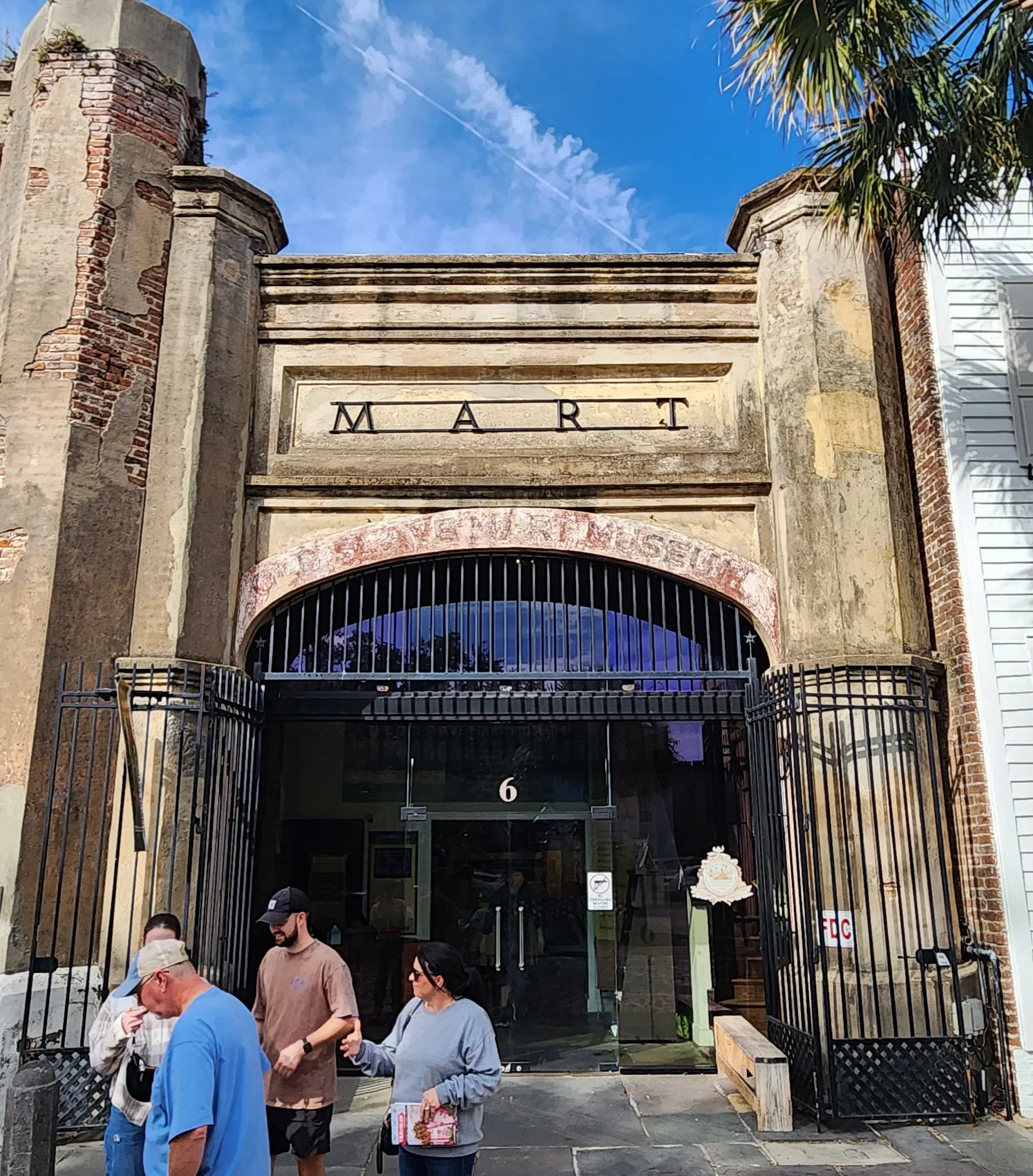
The museum stands at 6 Chalmers St in a building completed in 1859, part of the complex known as Ryan’s Mart. Slave auctions took place here from 1856 until the Civil War era. The building is regarded as the only surviving slave auction facility in South Carolina.
Ryan’s Mart included more than the auction gallery: accounts of the complex describe an enclosed yard, a jail, a kitchen and a morgue. The museum focuses on the building and site, as well as the sales held there. Its location on cobblestone Chalmers Street places it within Charleston’s historic district.
Charleston and the domestic slave trade
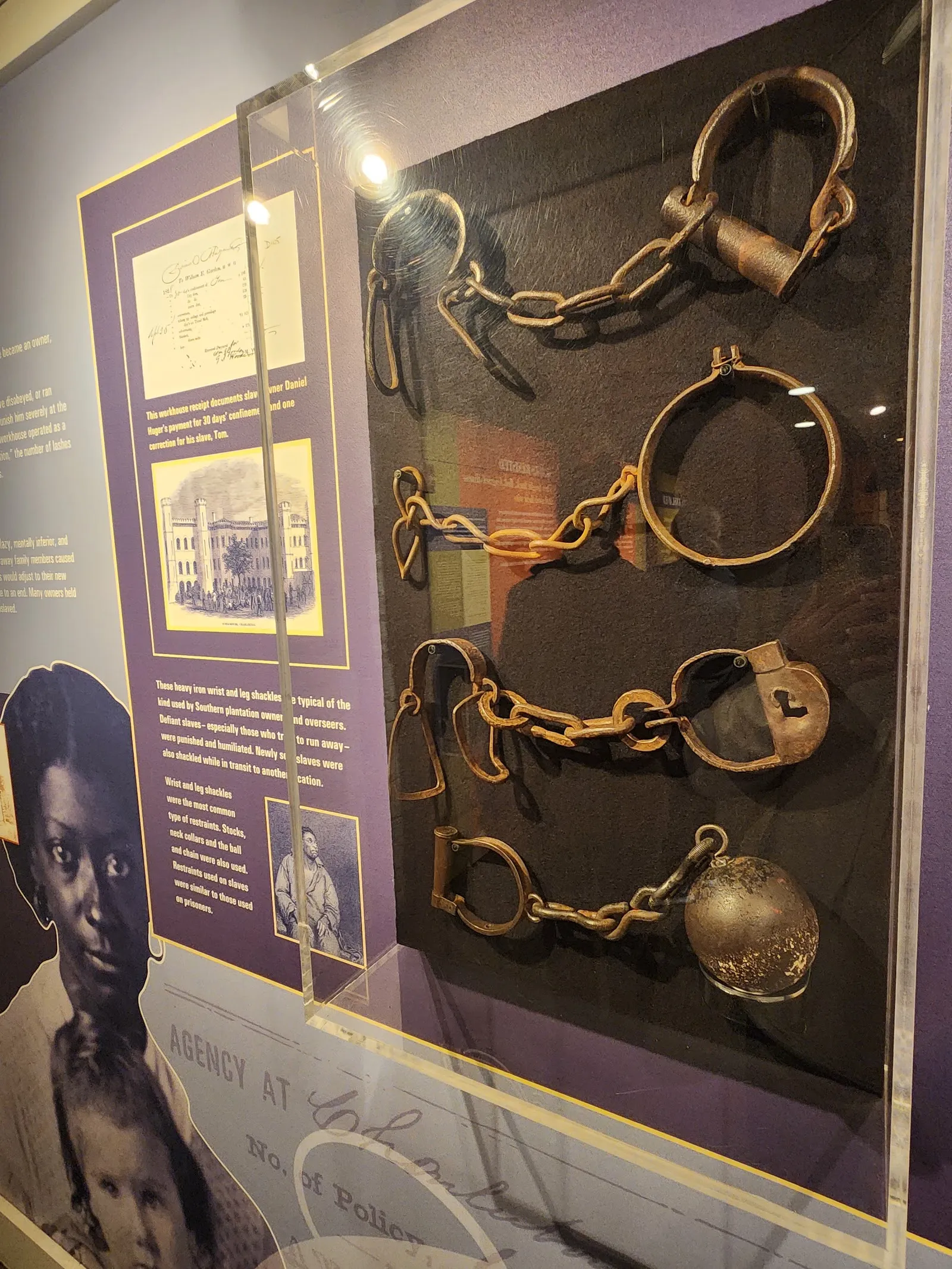
The exhibits explain Charleston’s place in the interstate trade in enslaved people, including the movement of people from the upper South to plantations in the lower South. After the United States banned the international slave trade in 1808, domestic trafficking continued. The museum puts the city’s role in that system into the context of Charleston’s plantation economy.
The exhibits also address the lives and experiences of enslaved people, the violence of the trade and the people who resisted it. The accounts make clear that auctions were not simply part of the city’s commerce: they separated families and reduced human lives to transactions.
Reading the exhibits
The museum is small, with much of its interpretation presented in written panels. Historical accounts, audio and visual material, and a handful of artifacts add different ways to engage with the subject. The displays include material on the transatlantic trade as well as the domestic trade in South Carolina.
Take time to read at your own pace. The amount of text means this is not a quick glance through a room, even though the museum itself is compact. The subject matter is difficult, and the exhibits present it directly rather than through dramatic staging. Staff and guides can answer questions, and guided interpretation is available.
Planning a visit
The museum is at 6 Chalmers St, close to the Old Exchange and Provost Dungeon. Visiting both can give you a broader look at Charleston’s history; check the museum website for current details before you go, as an unexpected closure has been reported. Admission is charged, and the museum’s amenities note that advance tickets are recommended.
This is a place for focused learning, not a large collection of objects or a light stop between activities. Reading the exhibits takes time, and the history can be emotionally difficult. A visit can help place the surrounding historic streets and buildings in the context of the people whose labor and suffering shaped the city.
FAQ
Where is the Old Slave Mart Museum?
It is at 6 Chalmers St in Charleston’s historic district.
What does the museum cover?
The exhibits explain Charleston’s role in the domestic slave trade, the history of the building and site, and the experiences of enslaved people.
How long should I allow for a visit?
Plan for about one to one and a half hours to read the text-heavy exhibits.
Is admission free?
No. Admission is charged, and advance tickets are recommended.
Can I combine the visit with another historic site?
The Old Exchange and Provost Dungeon is nearby. Check whether a combined ticket is available when planning your visit.