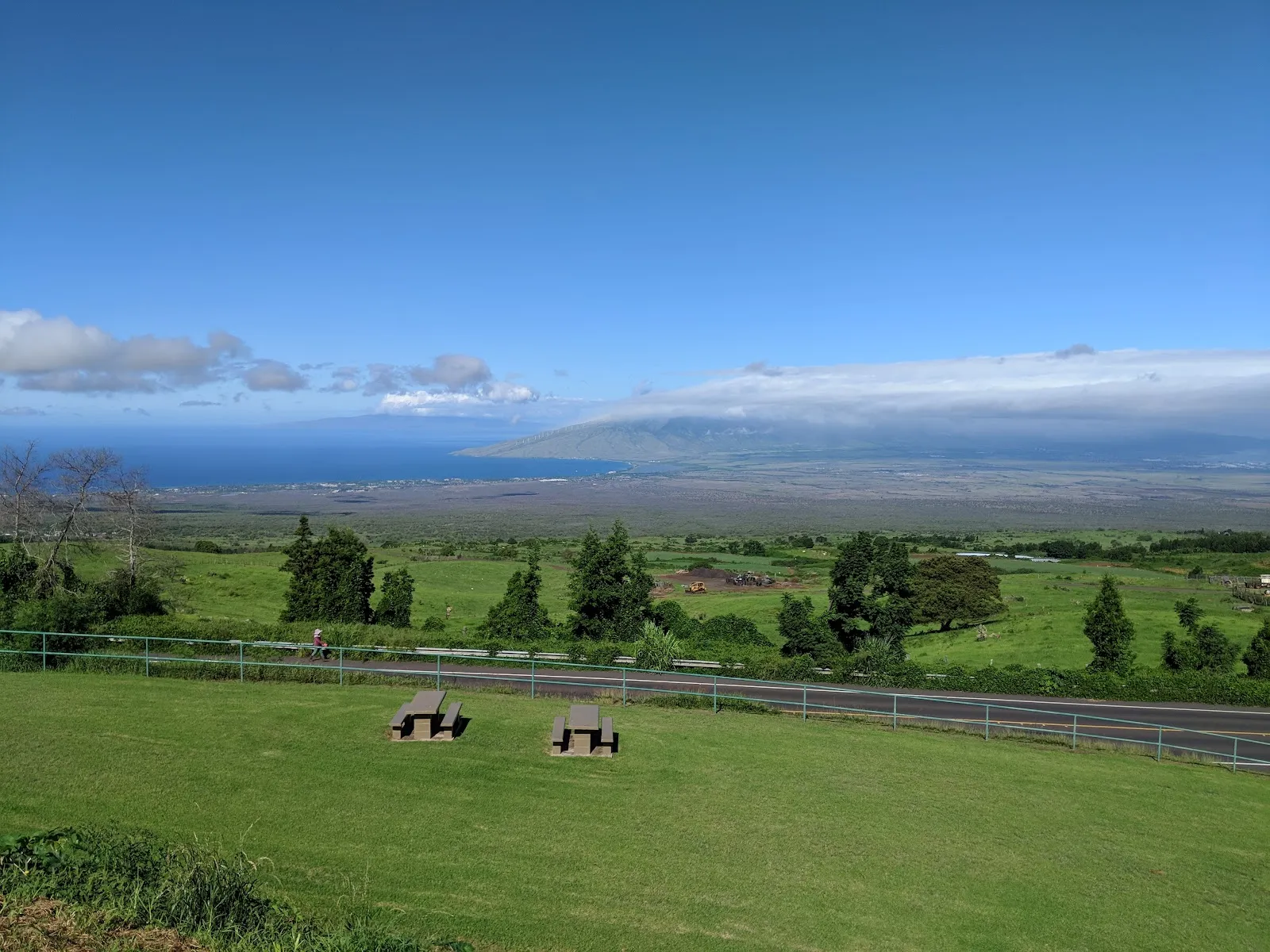
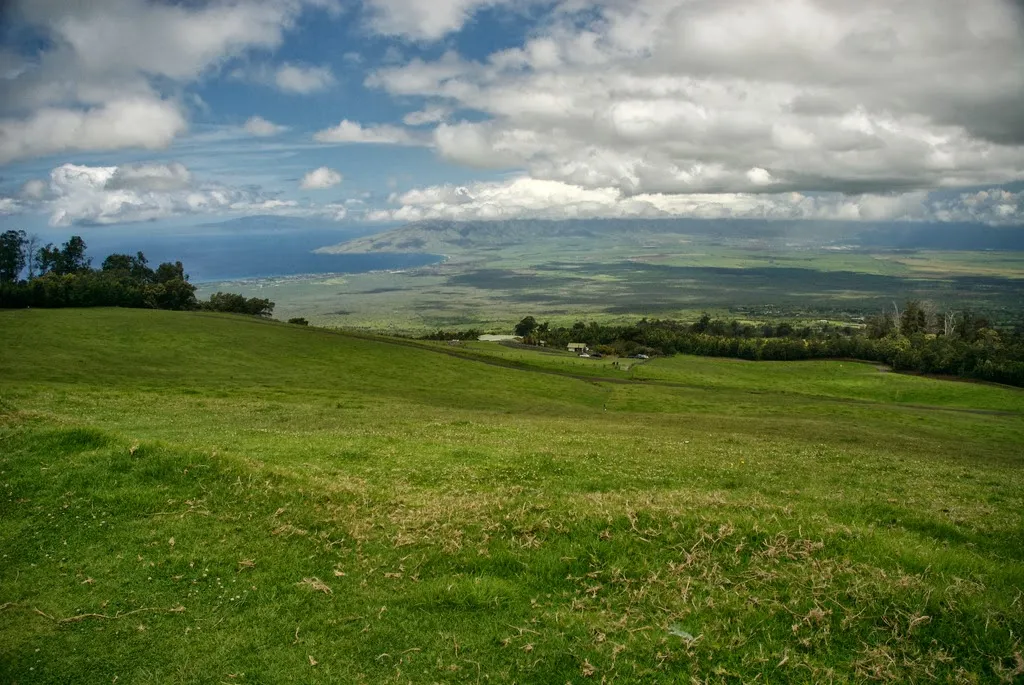
Kealia Pond National Wildlife Refuge protects a coastal wetland between Kihei and Maalaea, with access from the Kealia Coastal Boardwalk on North Kihei Road. Walk above the marsh for views of the pond, mountains and native waterbirds, including the endangered Hawaiian stilt and Hawaiian coot. Depending on conditions, the water can appear pink when viewed straight down from the boardwalk. The short, level route is a peaceful nature stop, especially if you bring binoculars and take time to read the wildlife signs.
A coastal wetland refuge
Kealia Pond is one of the few remaining natural wetlands in the Hawaiian Islands. The refuge protects habitat for native waterbirds and migratory species in the coastal area between Kihei and Maalaea. The pond can be dry during summer and flooded in winter, and the wetland helps filter freshwater runoff before it reaches the ocean.
The U.S. Fish and Wildlife Service established the refuge in 1992. Its marshes, salt flats and sand dunes offer a glimpse of the wetland environment that once covered more of the Kihei area. The protected habitat is important for endangered birds, including the Hawaiian stilt, known in Hawaiian as aeʻo, and the Hawaiian coot, or ʻalae keʻokeʻo.
Walking the coastal boardwalk
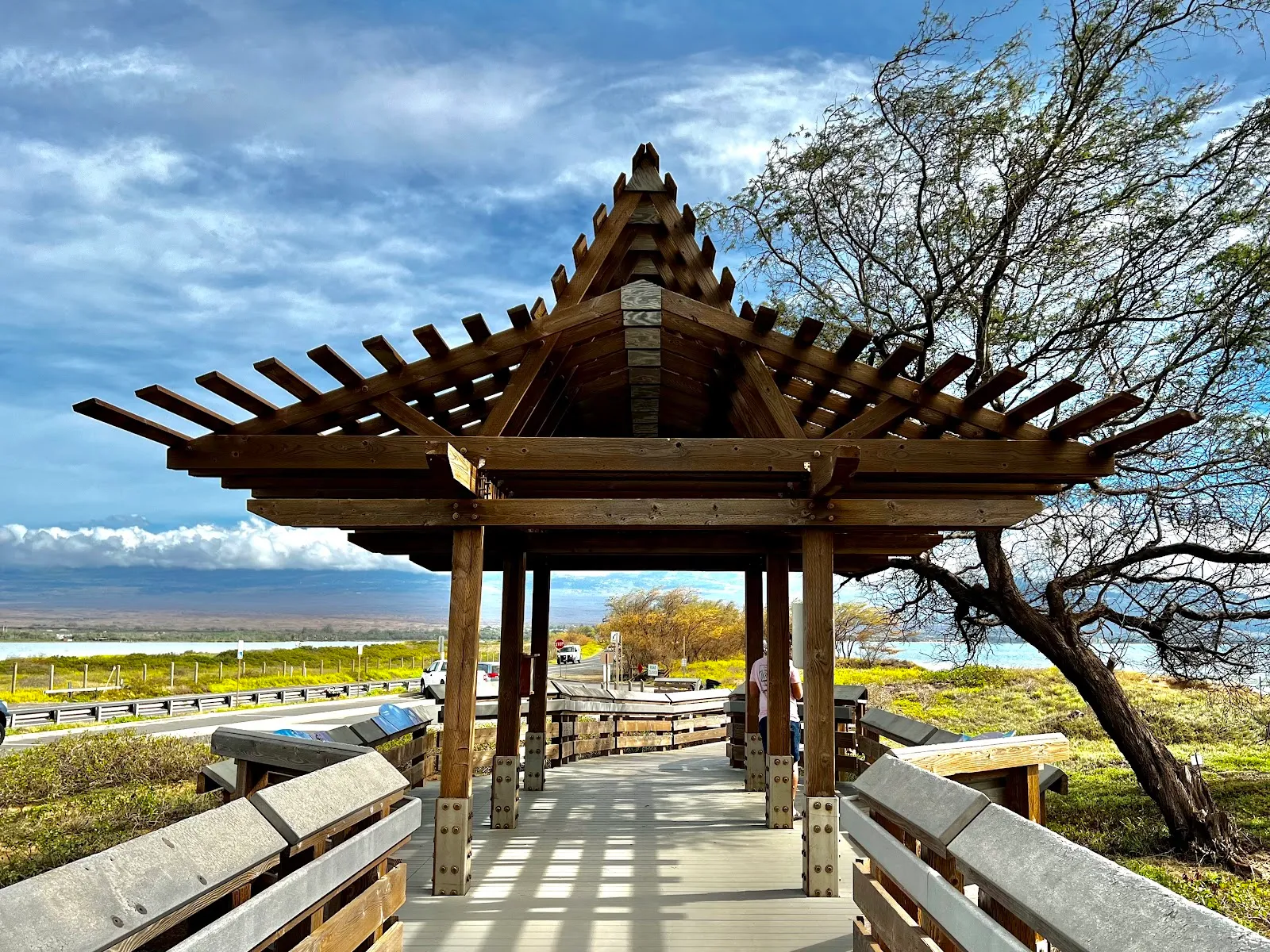
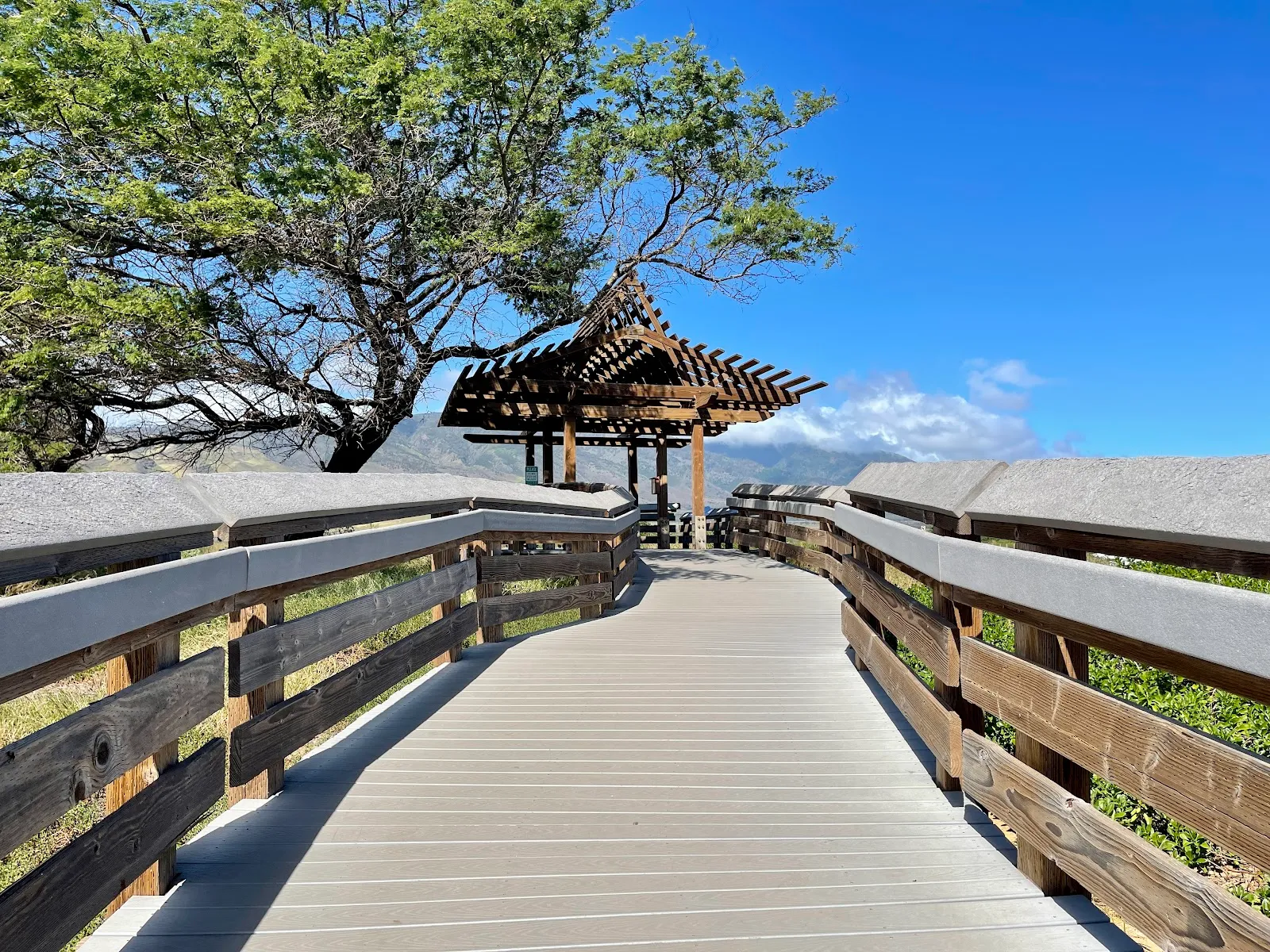
The elevated Kealia Coastal Boardwalk runs alongside the pond and coast, with interpretive signs explaining the wetland and its wildlife. The route is short and flat, so it suits a gentle walk rather than a strenuous hike. Look across the shallow water for birds feeding in the marsh, and take time to scan the shoreline as well as the pond.
The water’s color can vary. From an angle it may look blueish pink, while looking directly down from the boardwalk can make the pink more apparent. Algae blooms can add to the color, but the appearance is not constant. The boardwalk also has ramps leading to the adjacent beach, where tidal pools can be explored.
Birdlife and seasonal changes
Hawaiian stilts and coots are among the refuge’s notable residents. Other waterbirds and shorebirds use the wetlands, and migratory birds pass through as well. The mix of species changes with the season; winter brings additional bird activity. Bring binoculars if you want a closer look without approaching the birds.
The visitor center provides an introduction to the refuge, and staff can help explain the work carried out there. The boardwalk’s signs add context as you walk, including information about wildlife and the return of endangered hawksbill turtles to sandy dunes. The nearby beach is also identified as a turtle nesting area, so keep to the paths and treat the habitat with care.
FAQ
Is Kealia Pond National Wildlife Refuge free?
Yes. Admission is free.
Where is the Kealia Coastal Boardwalk?
It is along North Kihei Road, between Kihei and Maalaea. The boardwalk is the access point for views of the pond and wetland.
How long is the walk?
The boardwalk walk is about 0.8 miles round trip and typically takes 30 to 60 minutes.
What birds can you see at Kealia Pond?
The refuge is home to endangered Hawaiian stilts and Hawaiian coots, as well as migratory waterbirds and shorebirds.