On Maui’s Hana coast, Kahanu Garden is a botanical garden and cultural site focused on plants important to Hawaiians and other Pacific Island peoples. Walk among collections of breadfruit and other useful plants, then see Piʻilanihale Heiau, a monumental lava-rock temple within the grounds. Interpretive signs and guided tours add context about Hawaiian culture and the relationship between people and plants. The garden’s coastal setting brings ocean views and a quieter stop on the Road to Hana. Its paths cross grassy ground, so sturdy footwear is useful.
Plants with cultural importance
Kahanu Garden is part of the National Tropical Botanical Garden network. Its collections focus on plants from the Pacific Islands, including species valued in Hawaiian, Polynesian, Micronesian and Melanesian cultures. The grounds also include a native plant garden and plants traditionally used for cooking and medicinal purposes.
Breadfruit, or ulu, has a particular place here. The garden preserves a wide range of breadfruit cultivars, a food plant with a long history across the South Pacific. Interpretive signs help explain the plants and their cultural connections. A self-guided walk is one way to explore; visitors can also ask staff about the garden’s collections and history.
Piʻilanihale Heiau
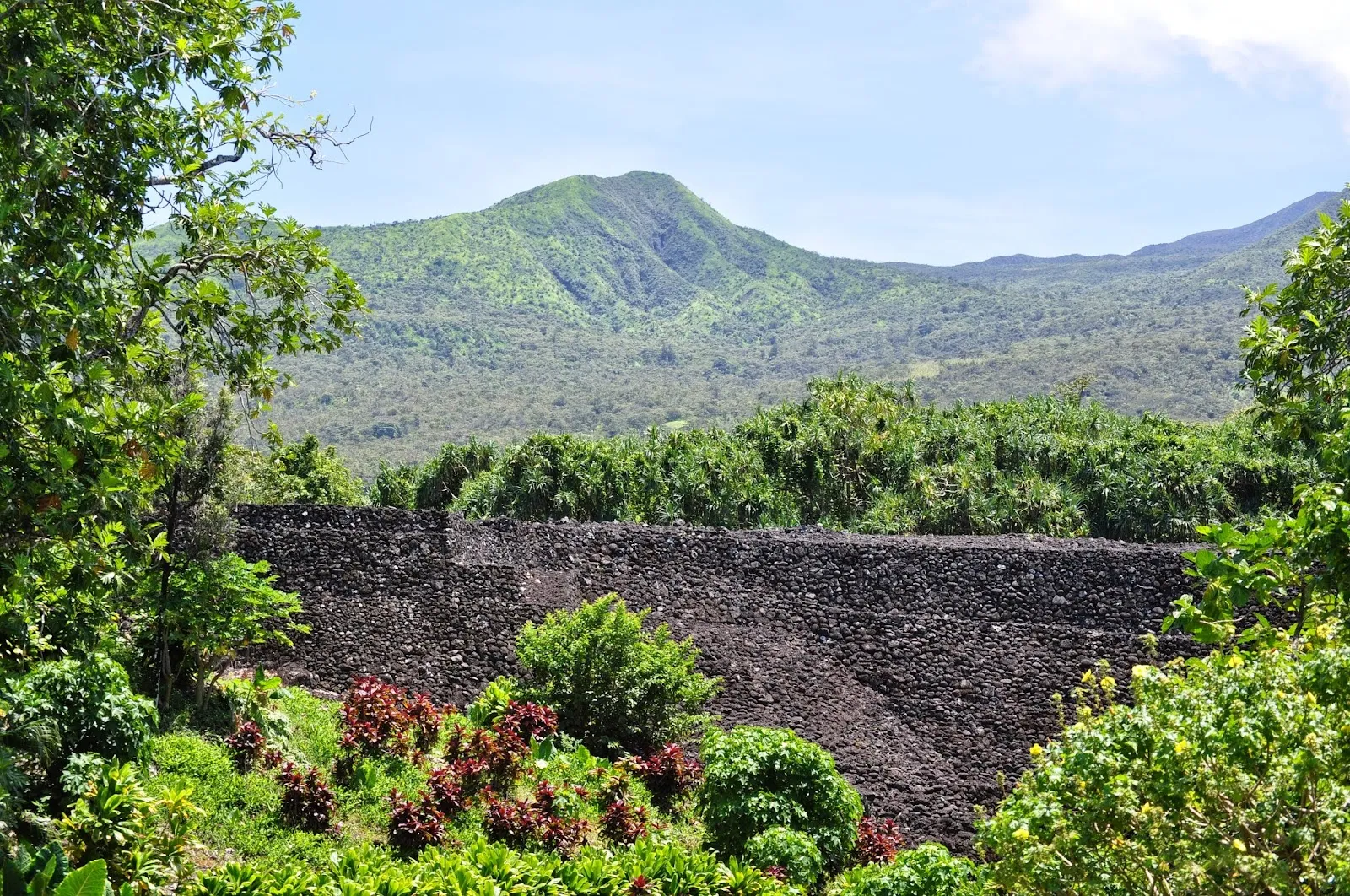
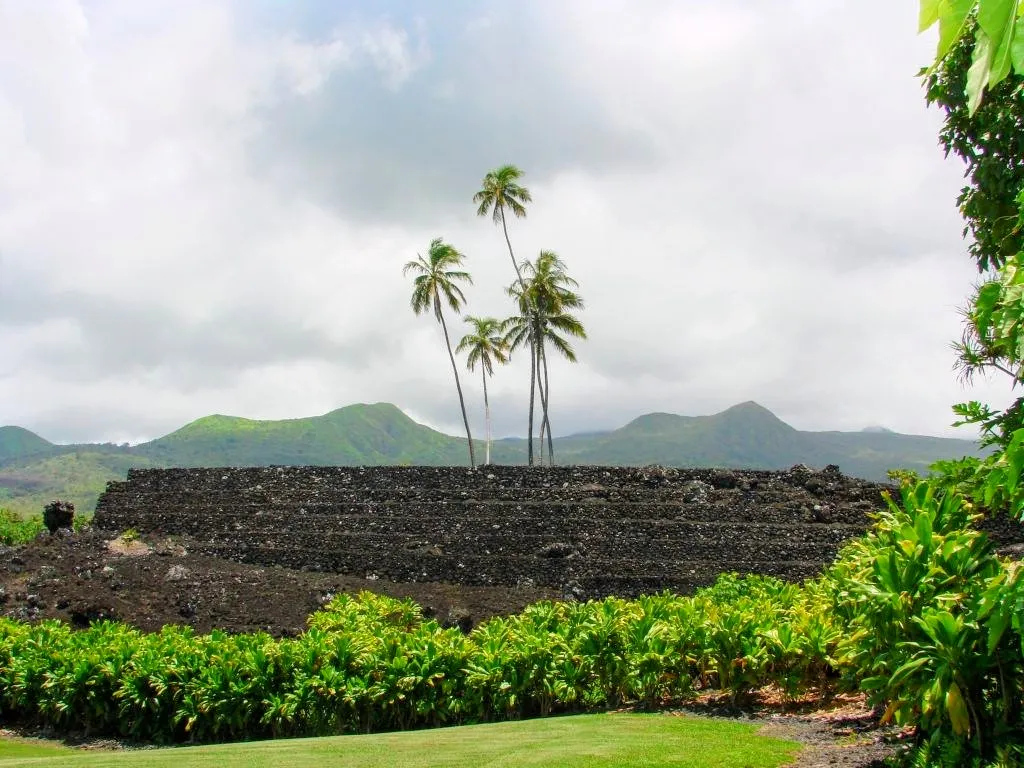
The garden’s most prominent cultural site is Piʻilanihale Heiau, a large structure built from lava rock. A heiau is a place used for religious ceremonies. Piʻilanihale is recognized as a National Historic Landmark and is described as the largest heiau in Polynesia.
Construction is thought to have begun in the 13th century and continued for more than 300 years. The scale of the structure makes it a striking part of the garden, but it is also a sacred place. Take a respectful approach while viewing it and follow any guidance given on site.
A walk on the Hana coast
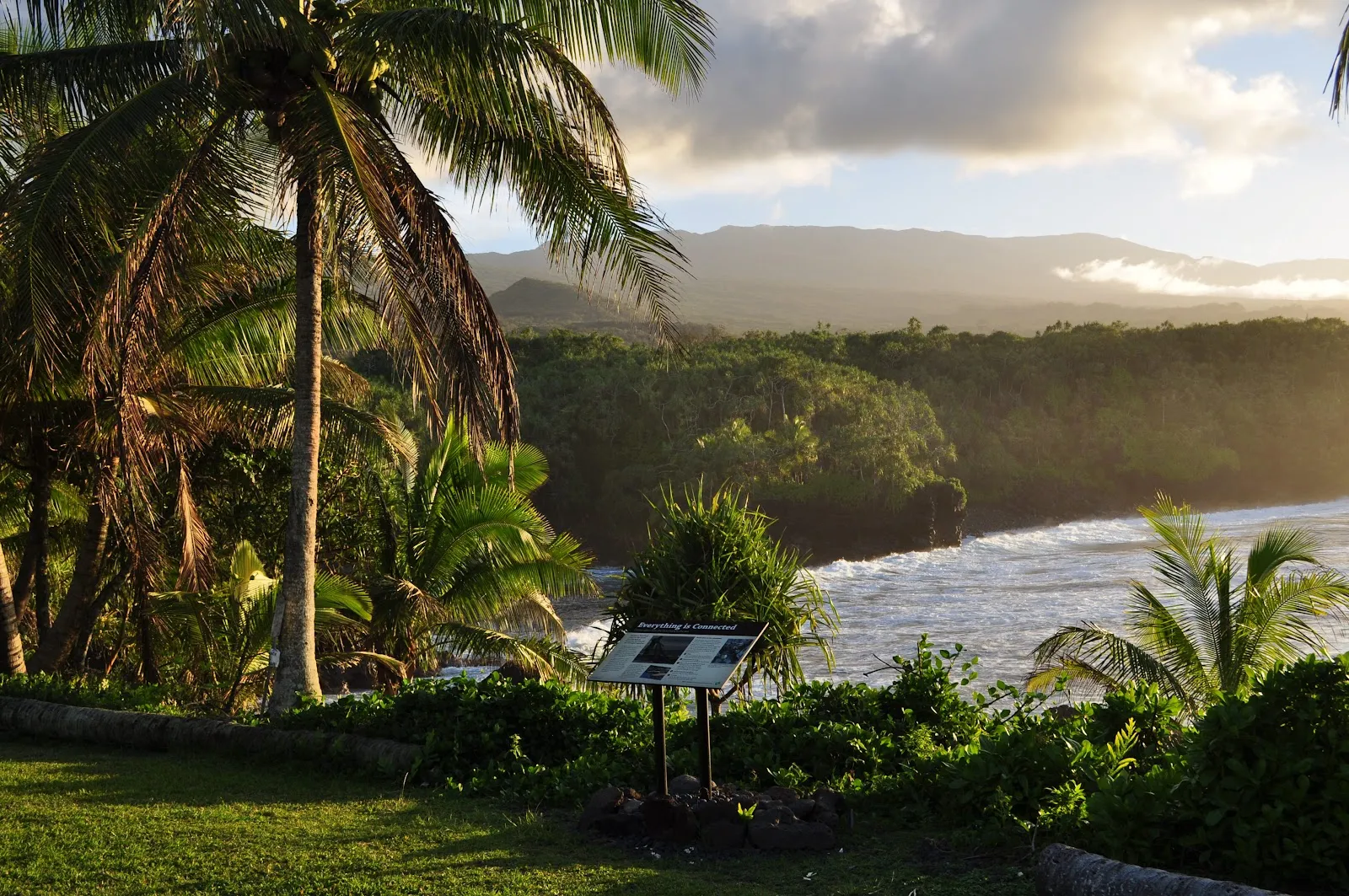
Kahanu Garden lies along the rugged coast near Hāna, within a large hala forest. Its grounds include several distinct areas, preserved cultural and archaeological sites, and a thatched-roof canoe hale. The walking route crosses grass rather than paved paths, so comfortable, sturdy footwear can make the visit easier. The garden’s ocean-facing openings provide views of the coast, including a notable lookout near the end of the self-guided route.
Allow time to read the signs and look beyond the main temple area. The garden’s appeal is as much in the links between plants, place and culture as in the individual specimens. Insect repellent is a sensible addition for a walk outdoors.
Planning your visit
Kahanu Garden is at 650 Ulaino Road on Maui’s Hana coast. Tickets in advance are recommended. You can explore independently with information provided at check-in, or take a guided tour for more cultural and botanical context. The garden is open on weekdays and closed on weekends.
Admission supports the organization’s work to protect endangered tropical plants. Local residents may also be able to take part in plant giveaways. If you are driving the Road to Hana, allow enough time to reach the garden and walk its spread-out grounds rather than treating it as a very brief roadside stop.
FAQ
Where is Kahanu Garden?
It is at 650 Ulaino Road on Maui’s Hana coast, near Hāna.
Is Piʻilanihale Heiau inside Kahanu Garden?
Yes. The historic lava-rock heiau is within the garden grounds.
Should I reserve tickets in advance?
Yes, advance tickets are recommended.
What should I bring for the walk?
Bring insect repellent and wear sturdy shoes. The paths include grassy, unpaved sections.