Planifier un voyage
Langue: Français
Planificateur de voyagePlanifiez votre voyage sur une carte

Destinations incontournables

EnglishDeutschFrançaisEspañolPortuguêsPortuguês (BR)Italiano
Avis aux voyageurs · RussieLes gouvernements déconseillent tout voyage à Russie.Les conseils dépendent de votre passeport. Consultez ceux de votre propre gouvernement avant de réserver.Conseils officiels
Zones signalées
  • Tchétchénie · éviter tout voyage · Irlande, Nouvelle-Zélande, États-Unis
  • Crimée · éviter tout voyage · Allemagne, Nouvelle-Zélande, États-Unis
  • Daghestan · éviter tout voyage · Irlande, Nouvelle-Zélande
  • Donetsk · éviter tout voyage · Allemagne, États-Unis
  • Ingouchie · éviter tout voyage · Irlande, Nouvelle-Zélande
  • Kherson · éviter tout voyage · Allemagne, États-Unis
  • Louhansk · éviter tout voyage · Allemagne, États-Unis
  • Kraï de Stavropol (parties orientale et méridionale) · éviter tout voyage · Irlande, Nouvelle-Zélande
  • Zaporijjia · éviter tout voyage · Allemagne, États-Unis
  • Kabardino-Balkarie · éviter les voyages non essentiels · Irlande, Nouvelle-Zélande
  • Karatchaï-Tcherkessie · éviter les voyages non essentiels · Irlande, Nouvelle-Zélande
  • Ossétie du Nord · éviter les voyages non essentiels · Irlande, Nouvelle-Zélande

Également signalé par un seul gouvernement : Belgorod (Irlande), Briansk (Irlande), Krasnodar (Irlande), Koursk (Irlande), Caucase du Nord (États-Unis), Rostov-sur-le-Don (Irlande), Voronej (Irlande)

GouvernementConseilsMis à jourLire les conseils
Royaume-Uni (FCDO)Advises against all travel to Russia–Lire les conseils
États-Unis (State Dept)Do not travel to Russia for any reason29 déc. 2025Lire les conseils
Canada (Affaires mondiales)Avoid all travel–Lire les conseils
Allemagne (Auswärtiges Amt)Vor Reisen in die Russische Föderation wird gewarnt (Reisewarnung)21 oct. 2026Lire les conseils
Nouvelle-Zélande (SafeTravel)Do not travel to Russia (level 4 of 4)–Lire les conseils
Irlande (ministère des Affaires étrangères)Do Not Travel–Lire les conseils
France (ministère de l'Europe et des Affaires étrangères)Formellement déconseillé : l'ensemble du territoire de la Russie–Lire les conseils

Vérifié quotidiennement d'après les conseils publiés par les gouvernements ; dernière vérification le 3 nov. 2026.RoamLedger résume les conseils officiels ; il ne s'agit pas de conseils émanant d'un gouvernement.

Donskoy Monastery
Temple

Donskoy Monastery

Donskoy Monastery is an active religious complex on Ulitsa Donskaya in Moscow, founded in 1591 after the Russian victory over Crimean Tatar forces.

Donskoy Monastery is an active religious complex on Ulitsa Donskaya in Moscow, founded in 1591 after the Russian victory over Crimean Tatar forces. Its red walls, towers, cathedral and smaller churches show how the site changed over the centuries. Inside, frescoes and icons draw attention to its religious life, while the gardens offer a quieter pause between buildings. Restoration work is underway, so access to some areas may be restricted; check signs and respect closed sections during your visit.

Founded after a military victory
Donskoy Monastery
Donskoy Monastery

Donskoy Monastery was established in 1591 to commemorate the Russian victory over Crimean Tatar forces. It was dedicated to the icon of Our Lady of the Don. Its beginnings are tied to Moscow’s southern approaches, where the monastery was intended to help defend the route toward the Kremlin.

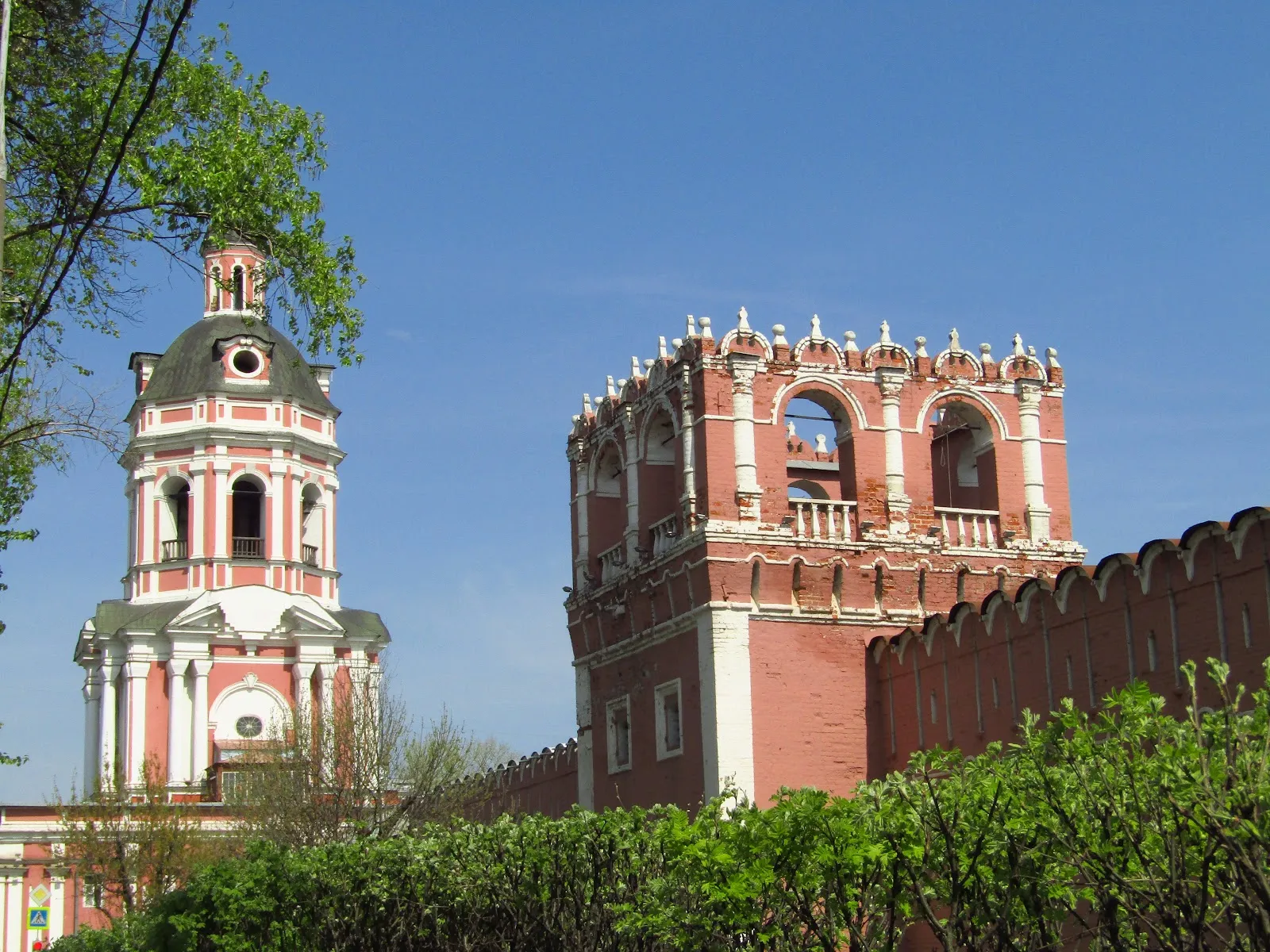
The site’s role changed as the city and its defenses developed. Its walls were built between 1686 and 1711, with 12 towers. Once the monastery no longer had the same defensive purpose, the walls were reshaped in the Muscovite Baroque style, similar to those at Novodevichy Convent.

Churches, walls and later history
Donskoy Monastery
Donskoy Monastery

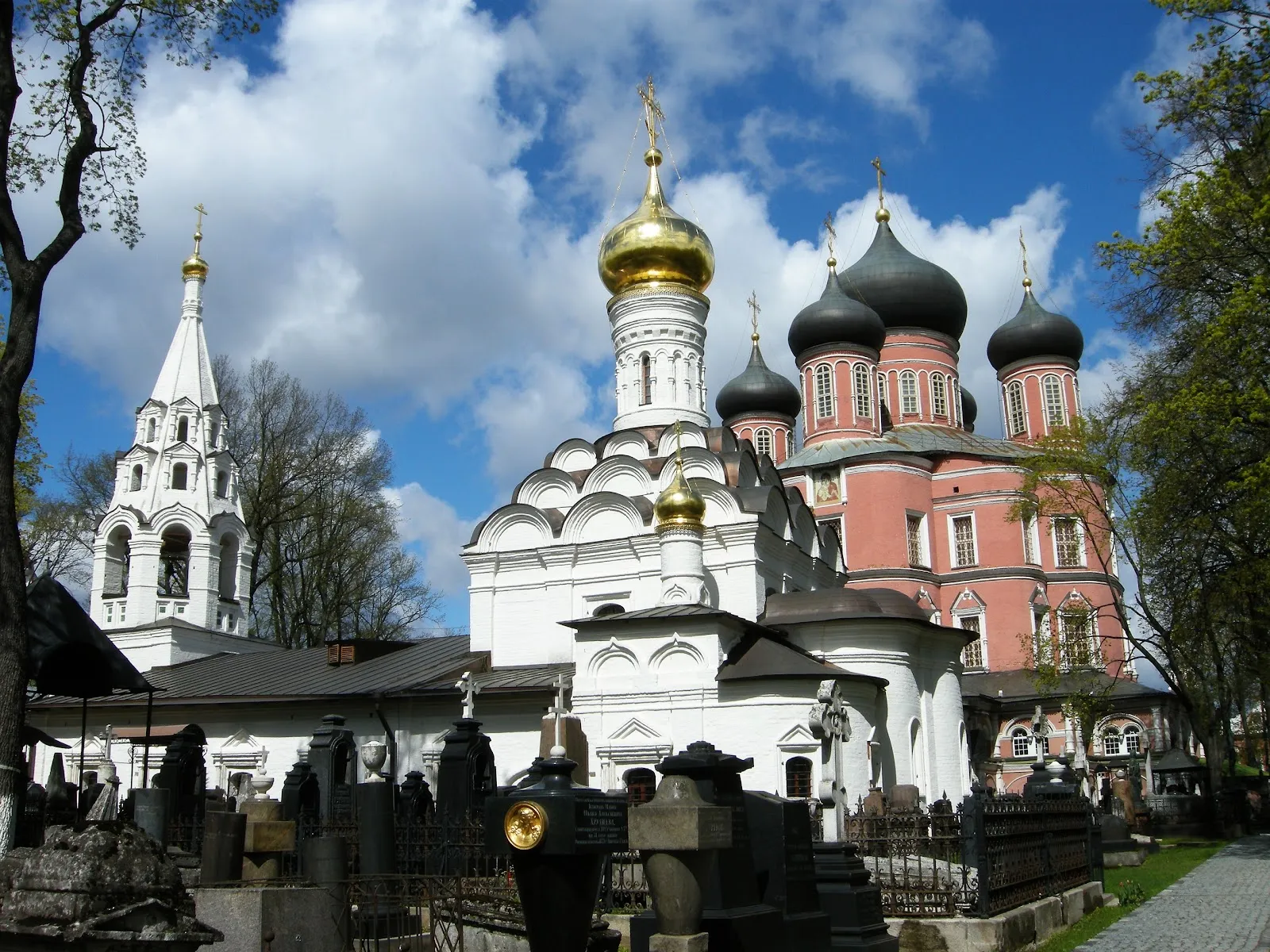
The complex includes a large cathedral built in the 17th century and several smaller churches. Buildings were added over time by tsars and members of the nobility, giving the site architecture from more than one period. Frescoes and icons are among the details to look for inside; restoration work is continuing, and some parts may be inaccessible.

During the 1812 siege of Moscow, soldiers were stationed at the monastery. The complex was damaged and valuables were taken. Its grounds also include the graves of notable figures, among them the writer Aleksandr Solzhenitsyn.

FAQ

When was Donskoy Monastery founded?

It was founded in 1591 to commemorate the Russian victory over Crimean Tatar forces.

What should I see at Donskoy Monastery?

Look for the large 17th-century cathedral, smaller churches, the walls and towers, and frescoes and icons inside the churches.

Are all parts of the monastery open to visitors?

No. Restoration work is underway, and some areas may be closed. Follow signs and respect barriers.

Autres incontournables à Moscou

Tout explorer