Donskoy Monastery is an active religious complex on Ulitsa Donskaya in Moscow, founded in 1591 after the Russian victory over Crimean Tatar forces. Its red walls, towers, cathedral and smaller churches show how the site changed over the centuries. Inside, frescoes and icons draw attention to its religious life, while the gardens offer a quieter pause between buildings. Restoration work is underway, so access to some areas may be restricted; check signs and respect closed sections during your visit.
Founded after a military victory
Donskoy Monastery was established in 1591 to commemorate the Russian victory over Crimean Tatar forces. It was dedicated to the icon of Our Lady of the Don. Its beginnings are tied to Moscow’s southern approaches, where the monastery was intended to help defend the route toward the Kremlin.
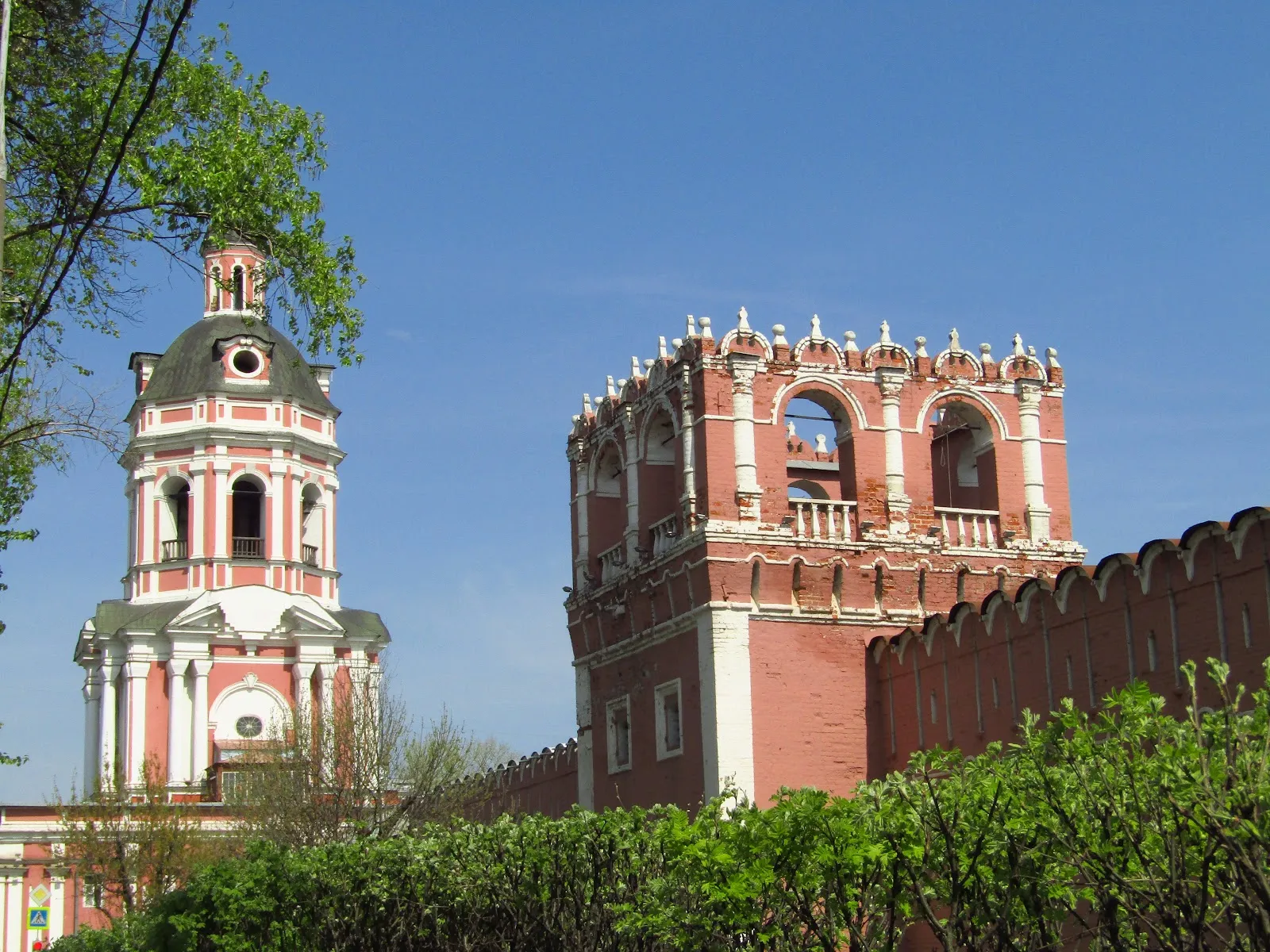
The site’s role changed as the city and its defenses developed. Its walls were built between 1686 and 1711, with 12 towers. Once the monastery no longer had the same defensive purpose, the walls were reshaped in the Muscovite Baroque style, similar to those at Novodevichy Convent.
Churches, walls and later history
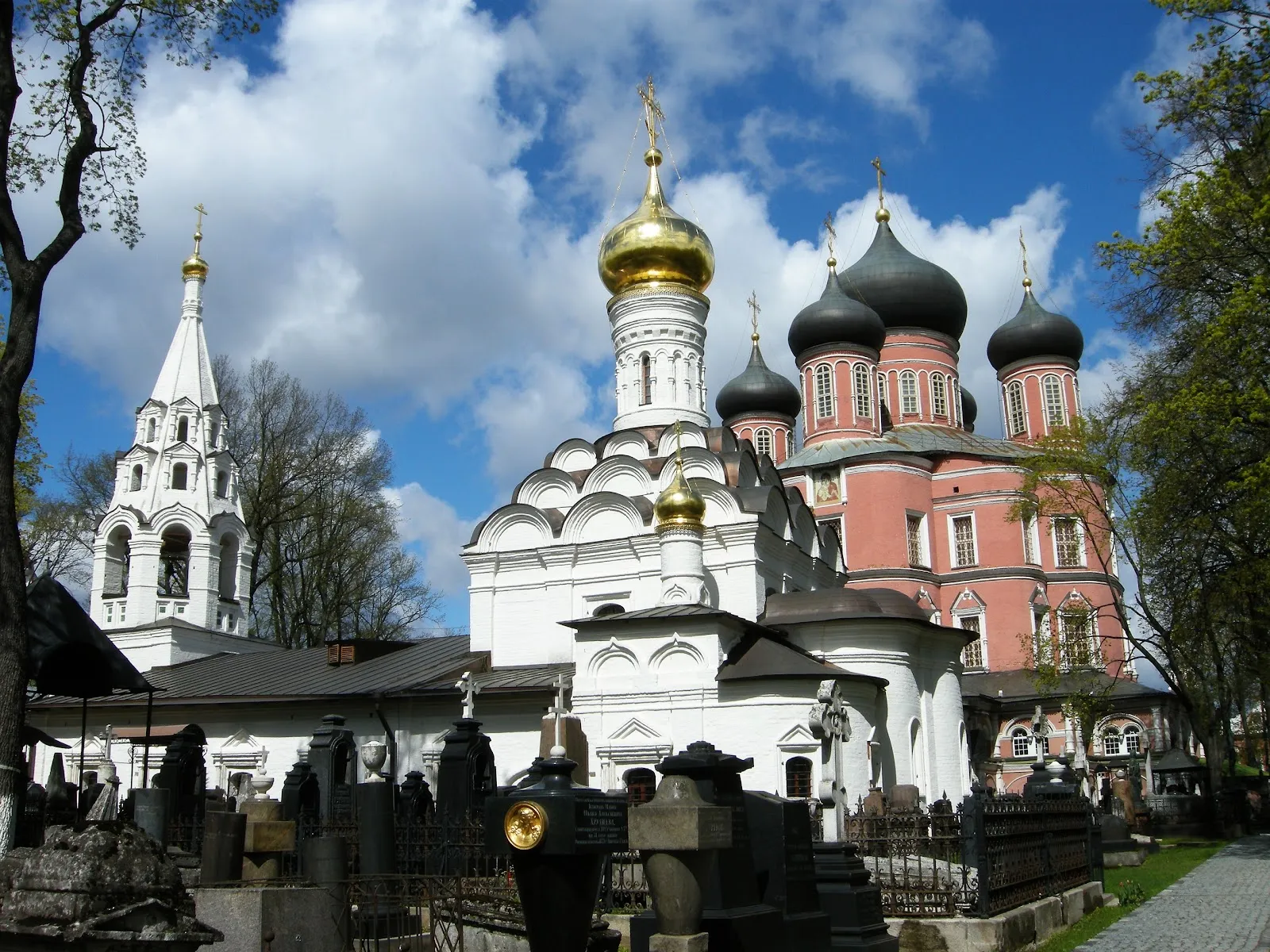
The complex includes a large cathedral built in the 17th century and several smaller churches. Buildings were added over time by tsars and members of the nobility, giving the site architecture from more than one period. Frescoes and icons are among the details to look for inside; restoration work is continuing, and some parts may be inaccessible.
During the 1812 siege of Moscow, soldiers were stationed at the monastery. The complex was damaged and valuables were taken. Its grounds also include the graves of notable figures, among them the writer Aleksandr Solzhenitsyn.
FAQ
When was Donskoy Monastery founded?
It was founded in 1591 to commemorate the Russian victory over Crimean Tatar forces.
What should I see at Donskoy Monastery?
Look for the large 17th-century cathedral, smaller churches, the walls and towers, and frescoes and icons inside the churches.
Are all parts of the monastery open to visitors?
No. Restoration work is underway, and some areas may be closed. Follow signs and respect barriers.