Planifier un voyage
Langue: Français
Planificateur de voyagePlanifiez votre voyage sur une carte

Destinations incontournables

EnglishDeutschFrançaisEspañolPortuguêsPortuguês (BR)Italiano
Avis aux voyageurs · PakistanCertains gouvernements déconseillent tout voyage à Pakistan sauf s'il est indispensable.Les conseils dépendent de votre passeport. Consultez ceux de votre propre gouvernement avant de réserver.Conseils officiels
Zones signalées
  • province du Baloutchistan · éviter tout voyage · Canada, Allemagne, France, Nouvelle-Zélande, Royaume-Uni, États-Unis
  • Frontière indienne, distance non précisée (y compris LoC) · éviter tout voyage · France, Nouvelle-Zélande
  • Karakoram Highway, de Mansehra à Chilas · éviter tout voyage · Canada, Nouvelle-Zélande, Royaume-Uni
  • province de Khyber Pakhtunkhwa · éviter tout voyage · Canada, France, Nouvelle-Zélande, États-Unis
  • Cachemire administré par le Pakistan (Azad Jammu-et-Cachemire) · éviter tout voyage · Canada, Allemagne, France, Italie, Nouvelle-Zélande, Royaume-Uni
  • Région frontalière avec l'Afghanistan, distance non précisée · éviter les voyages non essentiels · Italie, Nouvelle-Zélande
  • Anciennes zones tribales de la FATA · éviter les voyages non essentiels · France, Italie

Également signalé par un seul gouvernement : Bande de 10 km le long de la frontière chinoise (Canada), Bande de 10 km le long de la frontière indienne (Canada), Bande de 10 km le long de la frontière iranienne (Canada), Bande de 10 km le long de la ligne de contrôle (Canada), Bande de 10 miles le long de la frontière afghane (Royaume-Uni), Bande de 10 miles le long de la ligne de contrôle (Royaume-Uni), Bande de 50 km le long de la frontière afghane (Canada), Bande de 50 km le long de la frontière afghane au Gilgit-Baltistan (Nouvelle-Zélande), Bajaour (Royaume-Uni), Bannu (Royaume-Uni), Buner (Royaume-Uni), Charsadda (Royaume-Uni), Dera Ismaïl Khan (Royaume-Uni), Hangu (Royaume-Uni), Abords immédiats de la ligne de contrôle (États-Unis), Karak (Royaume-Uni), district de Khyber (Royaume-Uni), Kohat (Royaume-Uni), Kurram (Royaume-Uni), Lakki Marwat (Royaume-Uni), Basse-Dir (Royaume-Uni), Bas-Waziristan-Sud (Royaume-Uni), Mohmand (Royaume-Uni), Route N45, du nord de la rocade de Mardan jusqu'à la périphérie de Chitral, y compris la vallée des Kalash (Royaume-Uni), Waziristan-Nord (Royaume-Uni), Orakzai (Royaume-Uni), Peshawar (Royaume-Uni), Province du Pendjab, à l'exclusion de la zone Faisalabad–Lahore–Islamabad (France), Swat (Royaume-Uni), Tank (Royaume-Uni), Haut-Dir (Royaume-Uni), Haut-Waziristan-Sud (Royaume-Uni), Bande de 20 km le long de la frontière indienne, y compris la LoC (Allemagne), Bande de 5 miles le long de la frontière indienne (Royaume-Uni), District de Chitral (Canada), Dera Ghazi Khan (Royaume-Uni), Zone Faisalabad–Lahore–Islamabad (France), Karachi (Canada), Route terrestre vers et depuis l'Iran et l'Afghanistan (Allemagne), Malakand (Royaume-Uni), Mardan (Royaume-Uni), Nowshera (Royaume-Uni), Shangla (Royaume-Uni), Province du Sind au nord de Nawabshah, Nawabshah incluse (Royaume-Uni), Swabi (Royaume-Uni), Zones tribales du Baloutchistan (Italie)

GouvernementConseilsMis à jourLire les conseils
Royaume-Uni (FCDO)No advice against the whole country (regional advisories)–Lire les conseils
États-Unis (State Dept)Reconsider Travel16 juin 2026Lire les conseils
Canada (Affaires mondiales)Exercise a high degree of caution (regional advisories)–Lire les conseils
Allemagne (Auswärtiges Amt)No advice against the whole country; partial warnings for named regions (regional advisories)13 oct. 2026Lire les conseils
Nouvelle-Zélande (SafeTravel)Avoid non-essential travel–Lire les conseils
France (ministère de l'Europe et des Affaires étrangères)Le reste du territoire est déconseillé sauf raison impérative–Lire les conseils

Vérifié quotidiennement d'après les conseils publiés par les gouvernements ; dernière vérification le 3 nov. 2026.RoamLedger résume les conseils officiels ; il ne s'agit pas de conseils émanant d'un gouvernement.

a zebra standing next to a bird on top of it
Zoo

Lahore Zoo

Lahore Zoo sits on Shahrah-e-Quaid-e-Azam (Mall Road), next to Bagh-e-Jinnah, and has been open since 1872, which makes it one of the oldest zoos in South Asia.

Lahore Zoo sits on Shahrah-e-Quaid-e-Azam (Mall Road), next to Bagh-e-Jinnah, and has been open since 1872, which makes it one of the oldest zoos in South Asia. Shaded walking paths run between enclosures for lions, Bengal tigers, monkeys and peacocks, and a large aviary holds colourful birds. A reptile enclosure, an aquarium and a hippo enclosure add variety. It is a calm, family-oriented stop in the middle of the city, with food stalls, seating areas and a playground. Most visitors spend about two hours here.

From a menagerie to a public zoo
Lahore Zoo
Lahore Zoo

Lahore Zoo began as a menagerie in the 1860s. It took shape as a zoo in 1872, when Lala Mela Ram donated an aviary. That date is the one the zoo gives for its founding, and it is why Lahore Zoo is counted among the oldest zoos in South Asia and one of the oldest in the world.

From 1872 to 1921 the zoo was run by the Lahore Municipal Committee. Control then passed to the Deputy Commissioner and the Commissioner of Lahore. Over the years the collection grew, and the zoo took on conservation, education and research alongside its role as a public recreation ground.

What you see inside
Lahore Zoo
Lahore Zoo

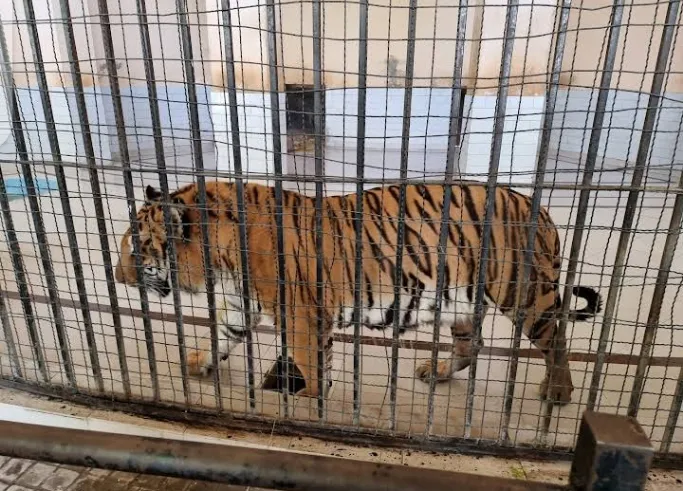
The big cats are the main draw. Lions and Bengal tigers are the animals children most often ask to see, and a white tiger has been among the animals that visitors can see up close. Monkeys and peacocks are also on the route.

The bird aviary holds a wide range of colourful birds. A reptile enclosure, an aquarium and a hippo enclosure give the visit more variety. The collection changes over time, so some animals may be away on a given day.

The paths are smooth and easy to walk. Trees give plenty of shade, and bins are placed at short intervals along the way. A map of the grounds helps you follow the route from one enclosure to the next.

Facilities and extra tickets

Inside the grounds you will find food stalls, seating areas and washrooms. There is also a cafe, a gift shop, a playground and a petting zoo, and the zoo offers tours. Some sections charge a separate fee on top of the main ticket. These include the aquarium, the snake house and the VR or hologram area. Skip the VR area if you are short on time.

The entrance, restrooms and parking lot are wheelchair accessible. Parking is available both free and paid, in the lot and on the street.

Where it is and what is nearby

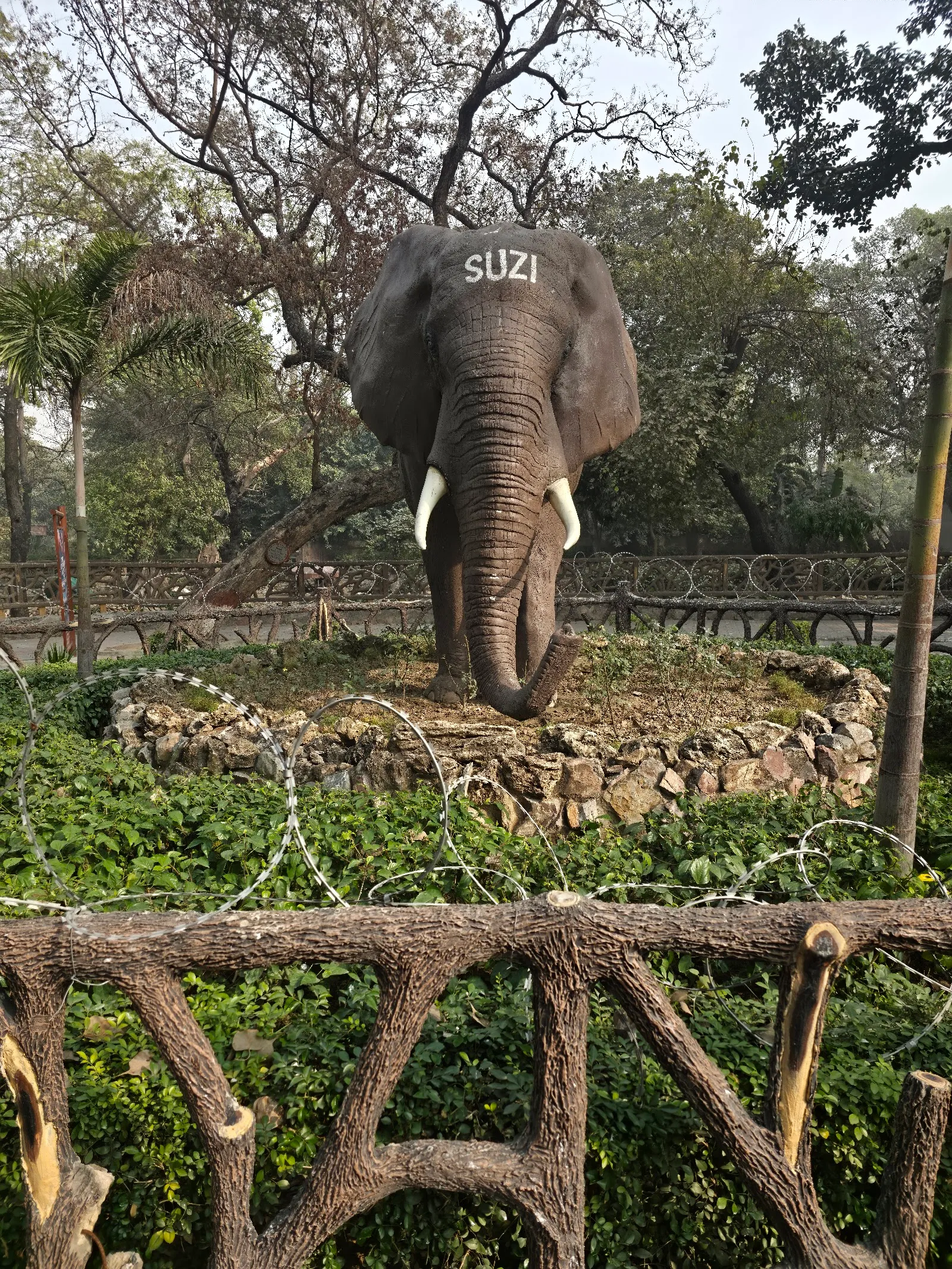
The zoo is on Mall Road (Shahrah-e-Quaid-e-Azam) in Jinnah Town. The main gateway is decorated with a colourful animal mural. It is about 3 to 4 kilometres from Lahore Railway Station.

Bagh-e-Jinnah lies directly opposite. It is a large park with trimmed lawns, flower beds and big trees, and it holds the Quaid-e-Azam Library. It makes a quiet walk before or after the zoo.

FAQ

Where is Lahore Zoo?

It is on Shahrah-e-Quaid-e-Azam (Mall Road) in Jinnah Town, next to Bagh-e-Jinnah. The railway station is about 3 to 4 kilometres away.

How long do you need at Lahore Zoo?

Plan on about 2 hours to walk the main route, see the big cats and visit the aviary. Add time if you want to enter the aquarium, the snake house or the other paid sections.

Is there an entry fee?

Yes, the zoo is ticketed, and some sections, such as the aquarium and the snake house, charge extra. Check the zoo's website for current prices, and buy tickets in advance if you can.

When is the best time to visit?

Early morning or late afternoon is the most comfortable, with less heat and thinner crowds.

Is Lahore Zoo suitable for children and wheelchair users?

Yes. There is a playground and a petting zoo, and the paths are smooth. The entrance, restrooms and parking lot are wheelchair accessible.

Autres incontournables à Lahore

Tout explorer