Planifier un voyage
Langue: Français
Planificateur de voyagePlanifiez votre voyage sur une carte

Destinations incontournables

EnglishDeutschFrançaisEspañolPortuguêsPortuguês (BR)Italiano
Avis aux voyageurs · MyanmarLes gouvernements déconseillent tout voyage à Myanmar.Les conseils dépendent de votre passeport. Consultez ceux de votre propre gouvernement avant de réserver.Conseils officiels
Zones signalées
  • Zones frontalières avec les pays voisins · éviter tout voyage · Italie, États-Unis
  • État Chin · éviter tout voyage · Espagne, France, Italie, Royaume-Uni, États-Unis
  • Région orientale de Bago · éviter tout voyage · France, Royaume-Uni
  • État Kachin · éviter tout voyage · France, Royaume-Uni, États-Unis
  • État Kayah · éviter tout voyage · Espagne, France, Royaume-Uni, États-Unis
  • État karen (Kayin) · éviter tout voyage · Espagne, France, Royaume-Uni, États-Unis
  • Région de Magway · éviter tout voyage · Espagne, France, Italie, Royaume-Uni, États-Unis
  • État d'Arakan (Rakhine) · éviter tout voyage · Espagne, France, Royaume-Uni, États-Unis
  • Région de Sagaing · éviter tout voyage · Espagne, France, Italie, Royaume-Uni, États-Unis
  • Région de Mandalay · éviter les voyages non essentiels · Espagne, Royaume-Uni, États-Unis
  • État môn · éviter les voyages non essentiels · Royaume-Uni, États-Unis
  • État shan · éviter les voyages non essentiels · Espagne, États-Unis

Également signalé par un seul gouvernement : État môn, sauf Mawlamyine (France), La majeure partie de l'État shan (France), Nord de la région de Mandalay (cantons au nord de la ville de Mandalay et de Pyin Oo Lwin) (Royaume-Uni), Nord de Tanintharyi jusqu'à Myeik et bande frontalière sud (France), Région de Paletwa (État chin) (Italie), Cantons de Pekon, Hopong et Hsipeng (France), Nord de l'État shan (Royaume-Uni), Région de Tanintharyi, sauf Myeik, l'archipel et les cantons au sud du canton de Tanintharyi (Royaume-Uni), Cantons de Kyangin, Myanaung, Ingapu, Lemyethna, Yegyi, Thabaung et Pathein (région de l'Ayeyarwady) (Royaume-Uni), Reste de la région de Bago (Royaume-Uni), Sud et est de l'État shan (Royaume-Uni), Région de Tanintharyi (États-Unis), Région de Tanintharyi, au sud du canton de Tanintharyi (Royaume-Uni), Yangon (Nouvelle-Zélande)

GouvernementConseilsMis à jourLire les conseils
Royaume-Uni (FCDO)No advice against the whole country (regional advisories)–Lire les conseils
États-Unis (State Dept)Level 4: Do Not Travel8 mai 2026Lire les conseils
Canada (Affaires mondiales)Avoid all travel–Lire les conseils
Allemagne (Auswärtiges Amt)Vor Reisen nach Myanmar wird gewarnt (Reisewarnung)13 oct. 2026Lire les conseils
Nouvelle-Zélande (SafeTravel)Do not travel (except Yangon)–Lire les conseils
France (ministère de l'Europe et des Affaires étrangères)Avoid travel unless imperative outside the red zones (rest of the country)–Lire les conseils

Vérifié quotidiennement d'après les conseils publiés par les gouvernements ; dernière vérification le 3 nov. 2026.RoamLedger résume les conseils officiels ; il ne s'agit pas de conseils émanant d'un gouvernement.

Sule Pagoda
Temple

Sule Pagoda

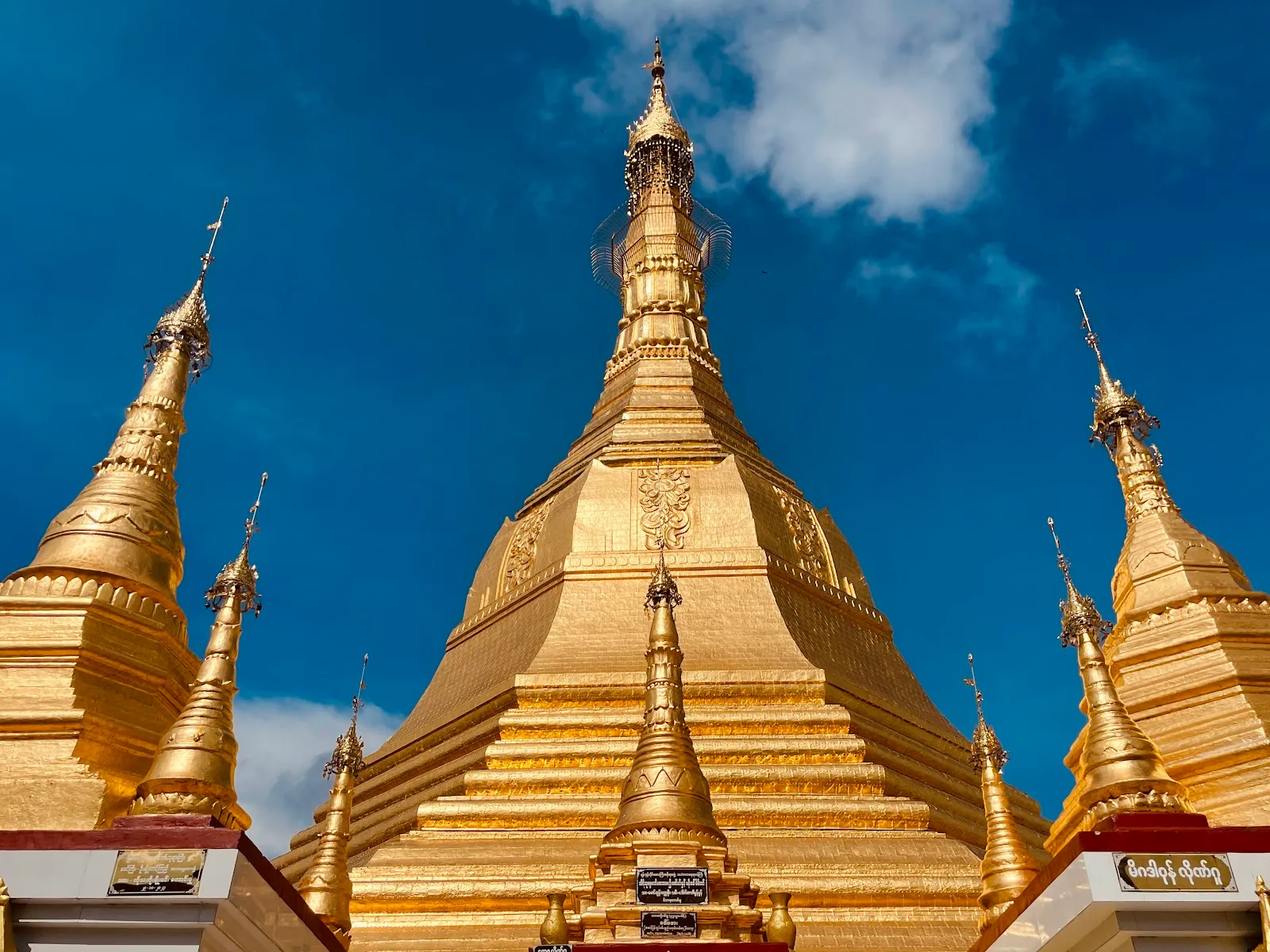
Sule Pagoda is a Buddhist stupa at the junction of Sule Pagoda Road and Maha Bandula Road, in downtown Yangon.

Sule Pagoda is a Buddhist stupa at the junction of Sule Pagoda Road and Maha Bandula Road, in downtown Yangon. Its gilded, octagonal spire rises from the middle of a busy traffic circle, with small shops and colonial-era buildings nearby. Tradition places its origins more than 2,500 years ago, and the pagoda is said to enshrine a hair of the Buddha. Walk around the central stupa to see its golden shrines, Buddha images and bronze bell. It is smaller and less visited than Shwedagon Pagoda, and easy to pair with a walk around downtown.

An old stupa at the centre of downtown
Sule Pagoda
Sule Pagoda

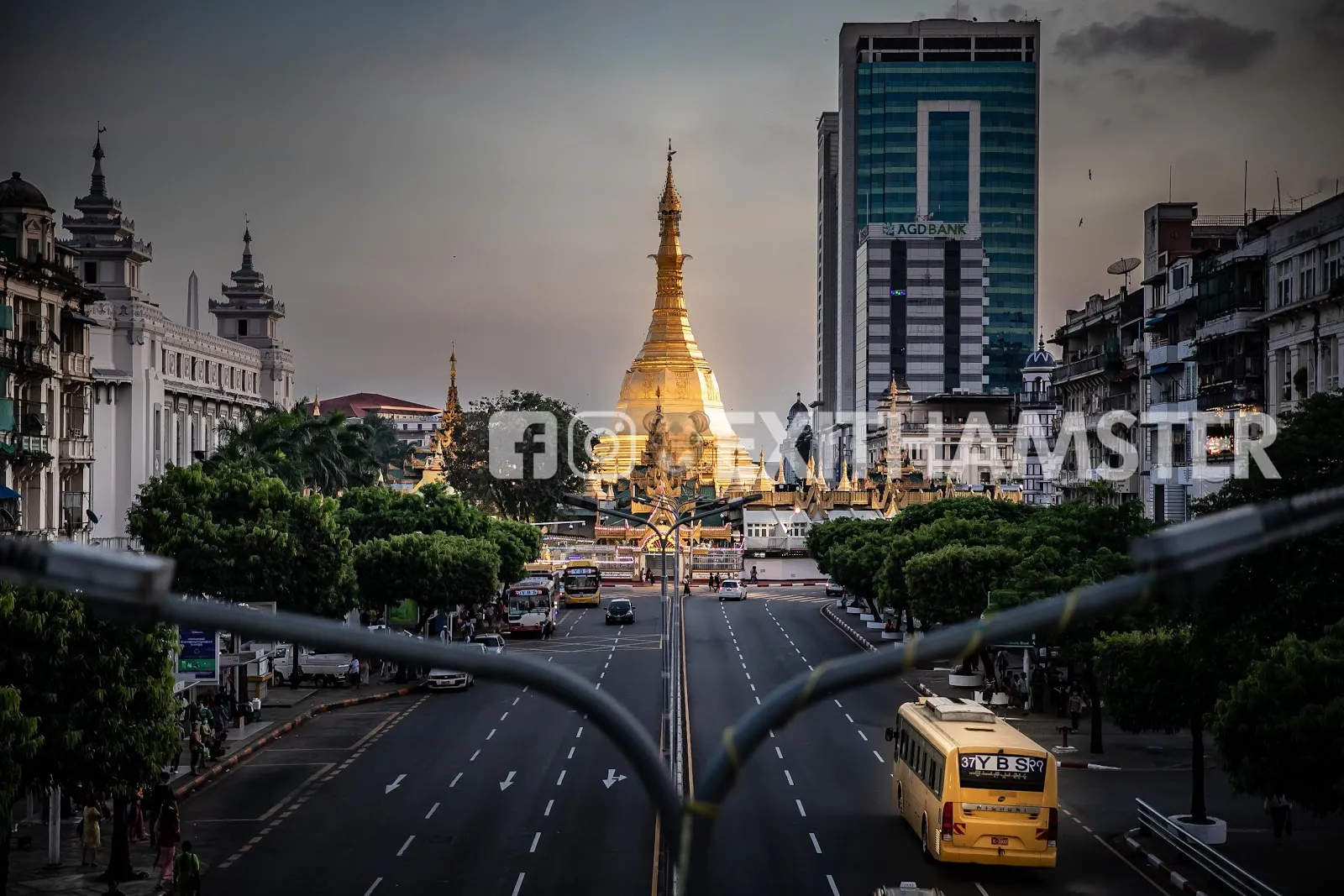
Sule Pagoda stands where Sule Pagoda Road meets Maha Bandula Road, in the middle of a busy traffic circle. Its central position makes it a familiar landmark in downtown Yangon, where major roads converge around the gilded stupa.

The pagoda is believed to be more than 2,500 years old. Local legend says it predates Shwedagon Pagoda and holds a hair of the Buddha. Its history is not separate from the city's civic life: Sule Pagoda has been a meeting point for political rallies and demonstrations, including the 1988 uprising and the 2007 Saffron Revolution.

The octagonal stupa and its shrines
Sule Pagoda
Sule Pagoda

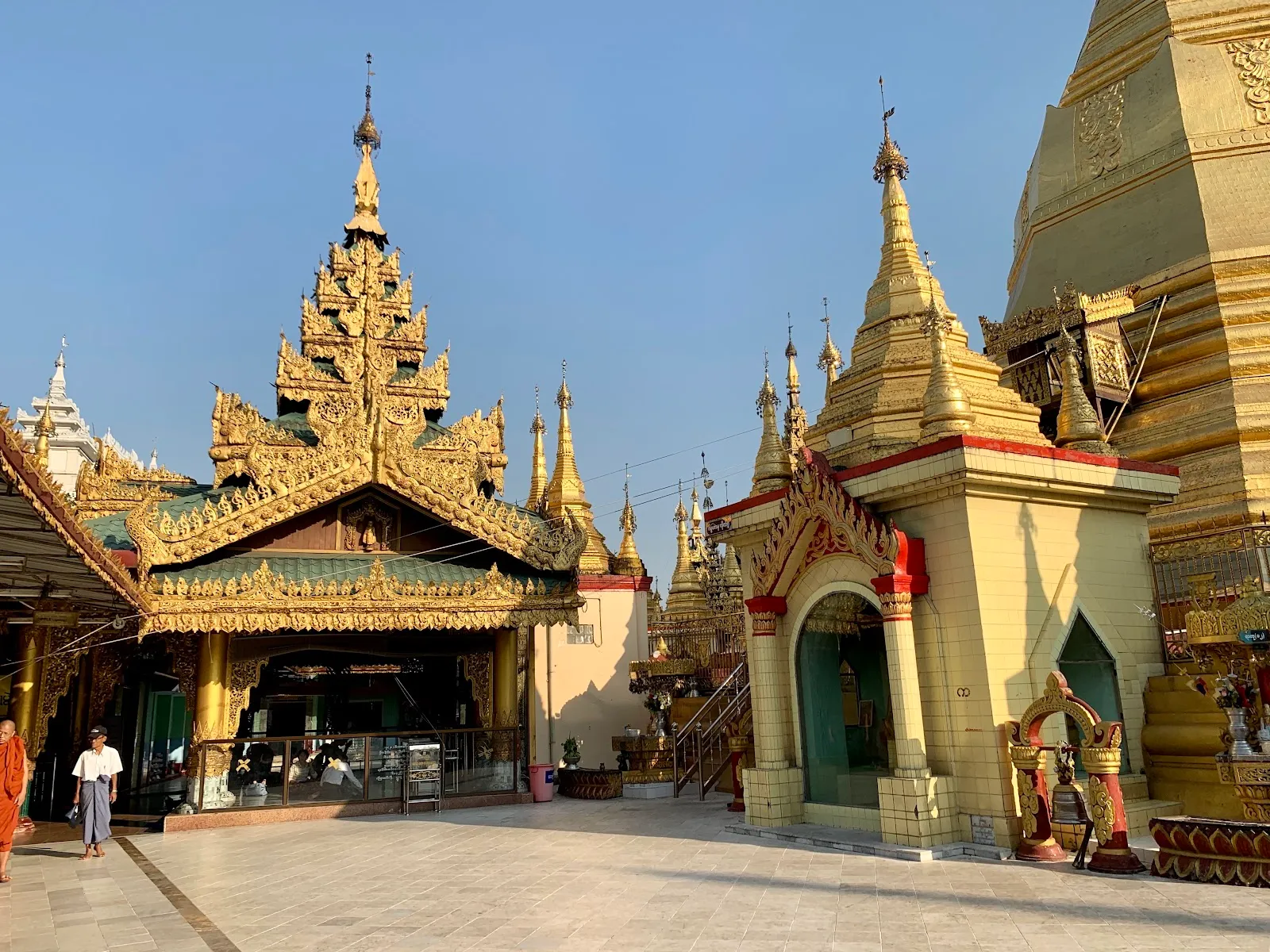
The stupa is distinctive for its octagonal shape, which continues up towards the spire. Walk around it to see the golden shrines and Buddha images. A large bronze bell is guarded by figures of nats, or spirits; ringing the bell is associated with doing good deeds.

The pagoda is an active Buddhist place of worship. Remove your shoes before entering, and allow space for people who have come to pray. The surrounding streets are busy, but the pagoda grounds provide a shaded place to pause amid downtown traffic.

Combining the visit with downtown Yangon

Sule Pagoda works well as a starting point for exploring the surrounding streets on foot. Nearby sights include City Hall, Maha Bandula Park and Immanuel Baptist Church. The area's colonial-era buildings sit alongside shops and busy transport routes, giving the walk a distinctly urban setting.

The pagoda is smaller and less visited than Shwedagon Pagoda, so the two offer different experiences. Sule is a convenient stop for its central location, distinctive shape and role in Yangon’s history. Allow time to take in the stupa from outside as well as inside; views from nearby can frame it against the surrounding city.

FAQ

Where is Sule Pagoda?

It is at the junction of Sule Pagoda Road and Maha Bandula Road in downtown Yangon, in the centre of a busy traffic circle.

How long do you need at Sule Pagoda?

Allow around 30 to 60 minutes to walk around the stupa and see its shrines and Buddha images.

What should I wear or do before entering?

Remove your shoes before entering. The pagoda is an active Buddhist place of worship, so give people space to pray.

What can you see inside Sule Pagoda?

The grounds include golden shrines, Buddha images and a bronze bell guarded by figures of nats, or spirits.

Autres incontournables à Yangon

Tout explorer