Planifica un viaje
Idioma: Español
Planificador de viajesPlanifica tu viaje en un mapa

Destinos principales

EnglishDeutschFrançaisEspañolPortuguêsPortuguês (BR)Italiano
Aviso de viaje · MyanmarLos gobiernos desaconsejan todo viaje a Myanmar.Los consejos dependen de tu pasaporte. Lee los de tu propio gobierno antes de reservar.Recomendaciones oficiales
Zonas con advertencias
  • Zonas fronterizas con países vecinos · evitar todo viaje · Italia, Estados Unidos
  • Estado Chin · evitar todo viaje · España, Francia, Italia, Reino Unido, Estados Unidos
  • Este de la región de Bago · evitar todo viaje · Francia, Reino Unido
  • Estado Kachin · evitar todo viaje · Francia, Reino Unido, Estados Unidos
  • Estado Kayah · evitar todo viaje · España, Francia, Reino Unido, Estados Unidos
  • Estado Karen · evitar todo viaje · España, Francia, Reino Unido, Estados Unidos
  • Región de Magway · evitar todo viaje · España, Francia, Italia, Reino Unido, Estados Unidos
  • Estado de Rakhine · evitar todo viaje · España, Francia, Reino Unido, Estados Unidos
  • Región de Sagaing · evitar todo viaje · España, Francia, Italia, Reino Unido, Estados Unidos
  • Región de Mandalay · evitar viajes no esenciales · España, Reino Unido, Estados Unidos
  • Estado Mon · evitar viajes no esenciales · Reino Unido, Estados Unidos
  • Estado Shan · evitar viajes no esenciales · España, Estados Unidos

También señalada por un gobierno: Estado Mon, excepto la ciudad de Mawlamyine (Francia), La mayor parte del Estado Shan (Francia), Norte de la región de Mandalay (municipios al norte de Mandalay y Pyin Oo Lwin) (Reino Unido), Norte de Tanintharyi (hasta Myeik y la franja fronteriza sur) (Francia), Zona de Paletwa (Estado Chin) (Italia), Municipios de Pekon, Hopong y Hsipeng (Francia), Estado Shan del Norte (Reino Unido), Región de Tanintharyi, excepto el municipio de Myeik, el archipiélago y los municipios al sur de Tanintharyi (Reino Unido), Municipios de Ayeyarwady (Kyangin, Myanaung, Ingapu, Lemyethna, Yegyi, Thabaung, Pathein) (Reino Unido), Resto de la región de Bago (Reino Unido), Estado Shan del Sur y del Este (Reino Unido), Región de Tanintharyi (Estados Unidos), Región de Tanintharyi al sur del municipio de Tanintharyi (Reino Unido), Yangón (Nueva Zelanda)

GobiernoConsejosActualizadoLeer las recomendaciones
Reino Unido (FCDO)No advice against the whole country (regional advisories)–Leer las recomendaciones
Estados Unidos (Departamento de Estado)Level 4: Do Not Travel8 may 2026Leer las recomendaciones
Canadá (Asuntos Globales)Avoid all travel–Leer las recomendaciones
Alemania (Auswärtiges Amt)Vor Reisen nach Myanmar wird gewarnt (Reisewarnung)13 oct 2026Leer las recomendaciones
Nueva Zelanda (SafeTravel)Do not travel (except Yangon)–Leer las recomendaciones
Francia (Ministerio de Europa y Asuntos Exteriores)Avoid travel unless imperative outside the red zones (rest of the country)–Leer las recomendaciones

Revisado a diario según los consejos publicados por los gobiernos; última revisión 2 nov 2026.RoamLedger resume las recomendaciones oficiales; no son consejos de ningún gobierno.

Sule Pagoda
Templo

Sule Pagoda

Sule Pagoda is a Buddhist stupa at the junction of Sule Pagoda Road and Maha Bandula Road, in downtown Yangon.

Sule Pagoda is a Buddhist stupa at the junction of Sule Pagoda Road and Maha Bandula Road, in downtown Yangon. Its gilded, octagonal spire rises from the middle of a busy traffic circle, with small shops and colonial-era buildings nearby. Tradition places its origins more than 2,500 years ago, and the pagoda is said to enshrine a hair of the Buddha. Walk around the central stupa to see its golden shrines, Buddha images and bronze bell. It is smaller and less visited than Shwedagon Pagoda, and easy to pair with a walk around downtown.

An old stupa at the centre of downtown
Sule Pagoda
Sule Pagoda

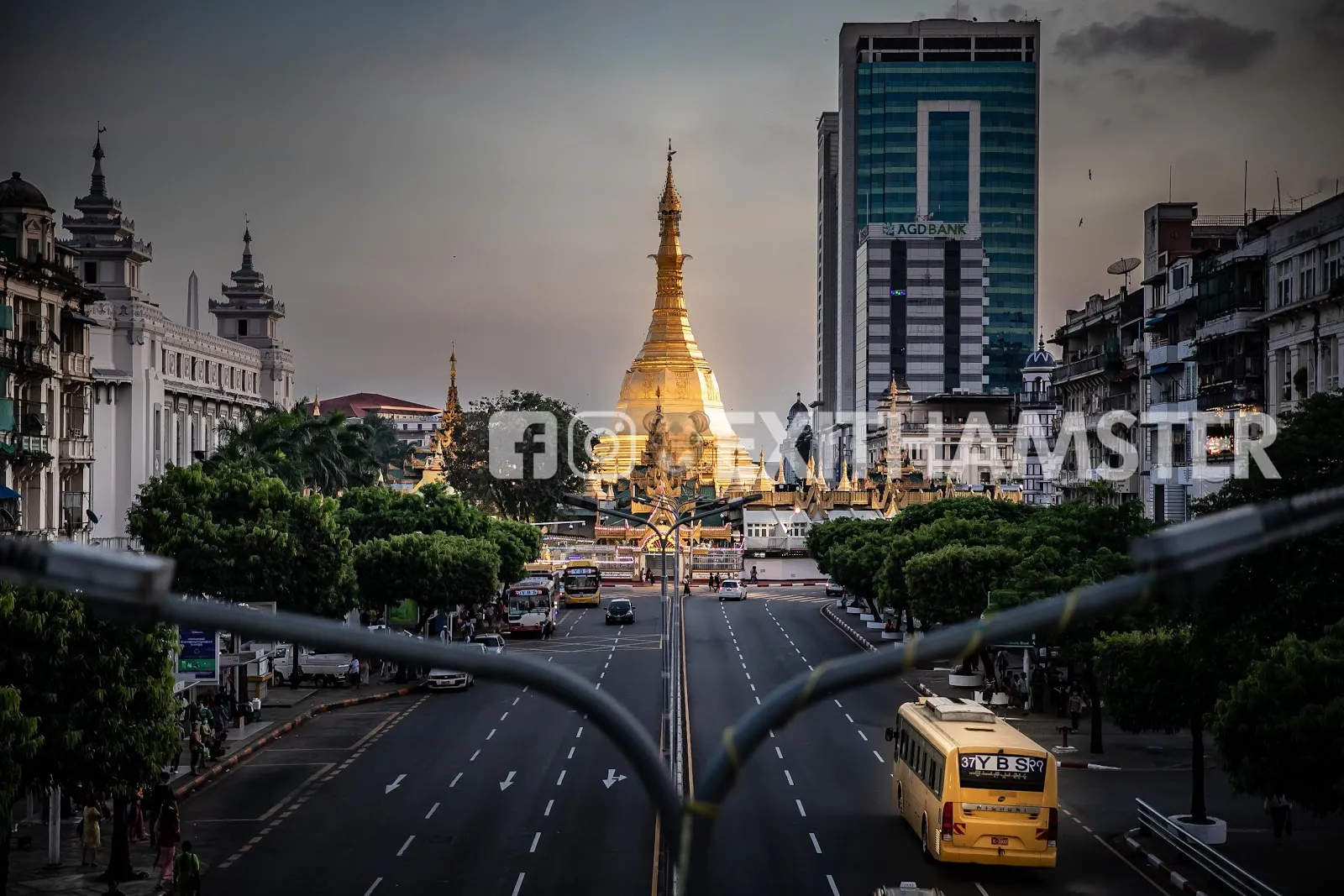
Sule Pagoda stands where Sule Pagoda Road meets Maha Bandula Road, in the middle of a busy traffic circle. Its central position makes it a familiar landmark in downtown Yangon, where major roads converge around the gilded stupa.

The pagoda is believed to be more than 2,500 years old. Local legend says it predates Shwedagon Pagoda and holds a hair of the Buddha. Its history is not separate from the city's civic life: Sule Pagoda has been a meeting point for political rallies and demonstrations, including the 1988 uprising and the 2007 Saffron Revolution.

The octagonal stupa and its shrines
Sule Pagoda
Sule Pagoda

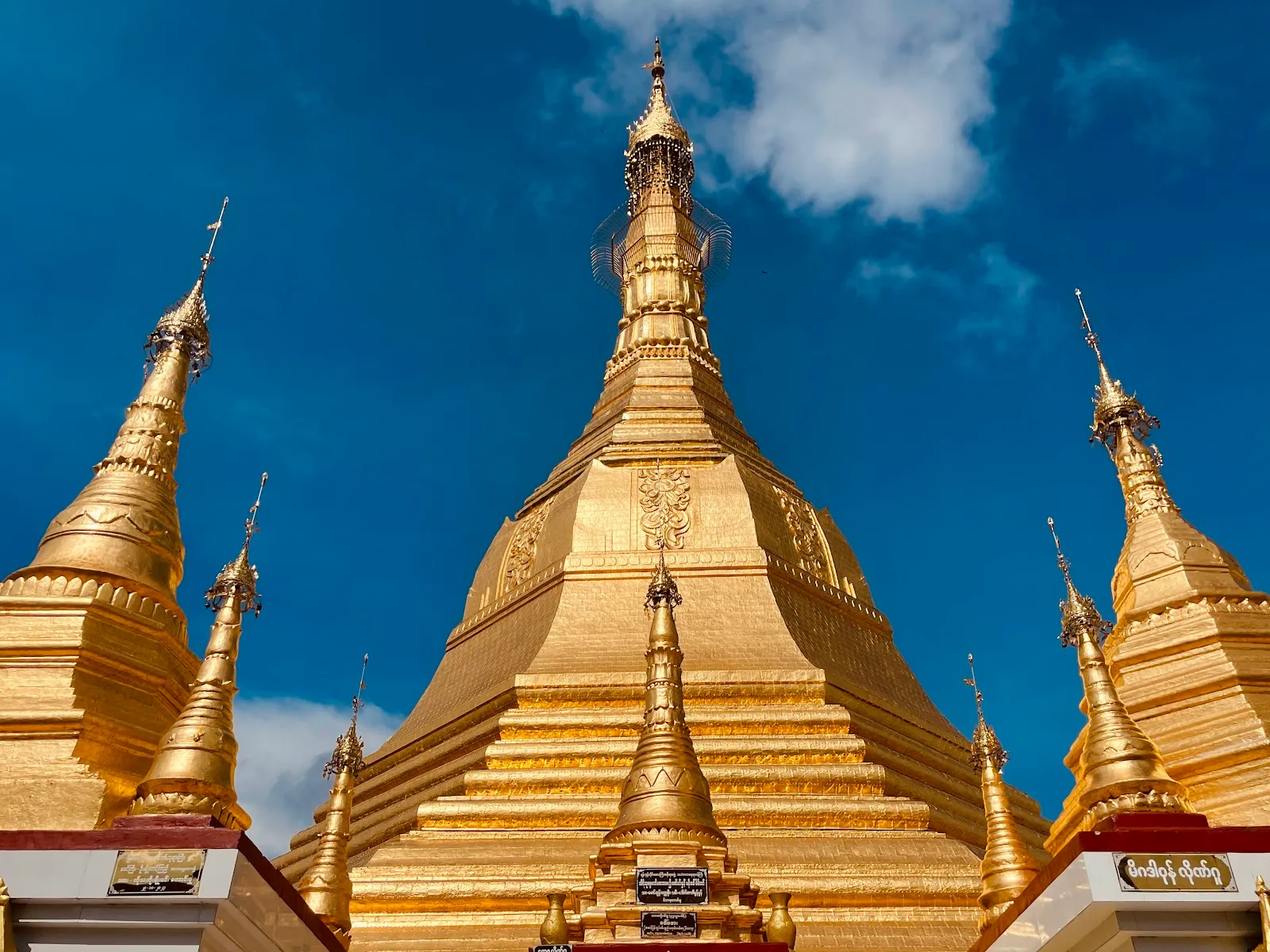
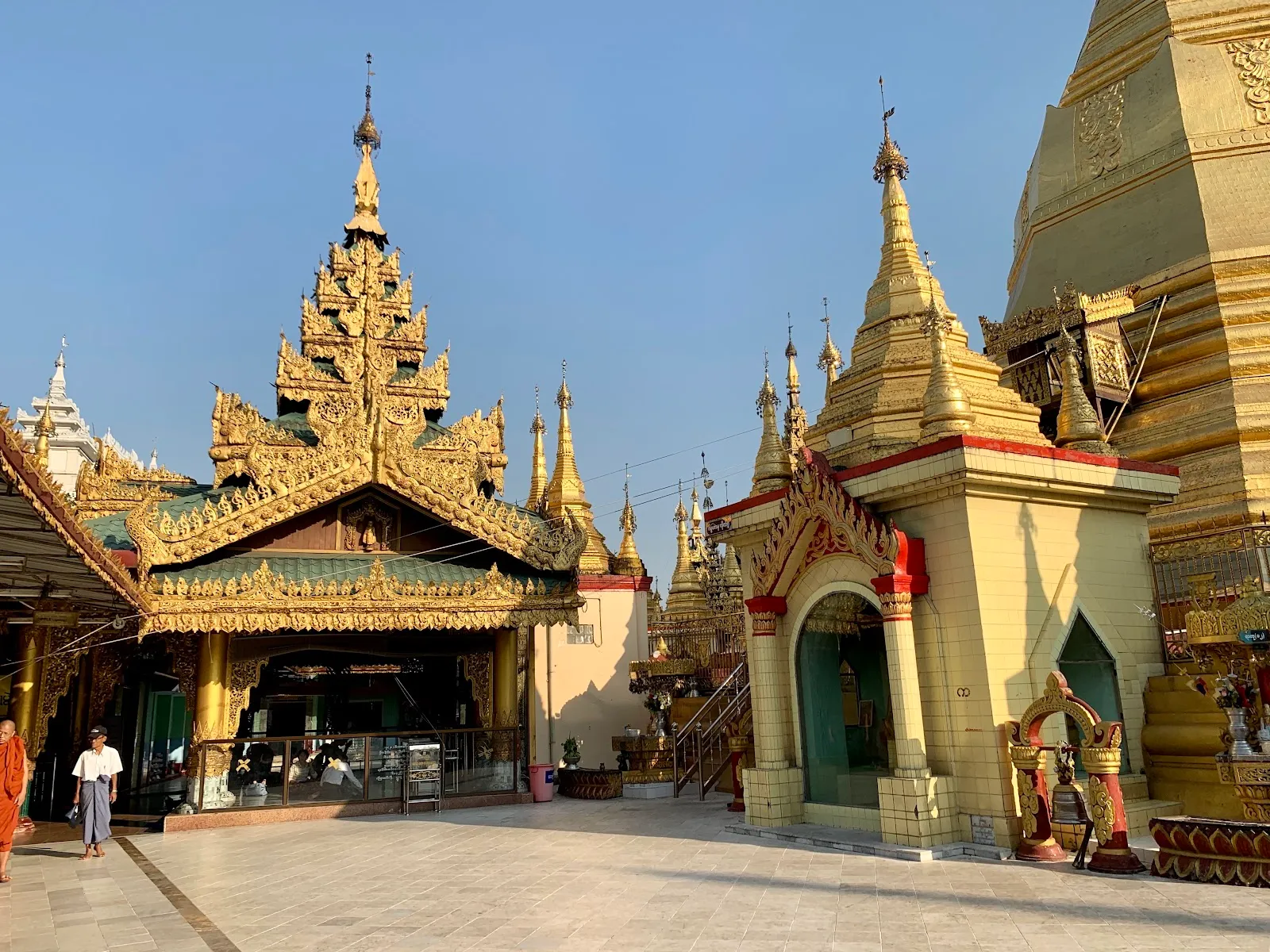
The stupa is distinctive for its octagonal shape, which continues up towards the spire. Walk around it to see the golden shrines and Buddha images. A large bronze bell is guarded by figures of nats, or spirits; ringing the bell is associated with doing good deeds.

The pagoda is an active Buddhist place of worship. Remove your shoes before entering, and allow space for people who have come to pray. The surrounding streets are busy, but the pagoda grounds provide a shaded place to pause amid downtown traffic.

Combining the visit with downtown Yangon

Sule Pagoda works well as a starting point for exploring the surrounding streets on foot. Nearby sights include City Hall, Maha Bandula Park and Immanuel Baptist Church. The area's colonial-era buildings sit alongside shops and busy transport routes, giving the walk a distinctly urban setting.

The pagoda is smaller and less visited than Shwedagon Pagoda, so the two offer different experiences. Sule is a convenient stop for its central location, distinctive shape and role in Yangon’s history. Allow time to take in the stupa from outside as well as inside; views from nearby can frame it against the surrounding city.

Preguntas frecuentes

Where is Sule Pagoda?

It is at the junction of Sule Pagoda Road and Maha Bandula Road in downtown Yangon, in the centre of a busy traffic circle.

How long do you need at Sule Pagoda?

Allow around 30 to 60 minutes to walk around the stupa and see its shrines and Buddha images.

What should I wear or do before entering?

Remove your shoes before entering. The pagoda is an active Buddhist place of worship, so give people space to pray.

What can you see inside Sule Pagoda?

The grounds include golden shrines, Buddha images and a bronze bell guarded by figures of nats, or spirits.

Más lugares imprescindibles en Yangón

Explorar todo