Planifier un voyage
Langue: Français
Planificateur de voyagePlanifiez votre voyage sur une carte

Destinations incontournables

EnglishDeutschFrançaisEspañolPortuguêsPortuguês (BR)Italiano
Avis aux voyageurs · MexiqueCertains gouvernements déconseillent de se rendre dans certaines régions de Mexique.Les avertissements ne concernent que ces zones : Colima, Guerrero, Sinaloa, Chiapas, Chihuahua, Route fédérale 199 San Cristóbal de las Casas–Palenque, Guanajuato, au sud des routes 43D et 45D, Région frontalière avec le Guatemala, Chiapas, Parc national Lagunas de Zempoala, Michoacán, Nayarit, à moins de 20 km de la frontière avec le Sinaloa et Durango, Nuevo León, sauf Monterrey, Piedras Negras, Route 85 Monterrey–Nuevo Laredo, Sonora, Tamaulipas, Tecate, Tijuana, Région frontalière avec les États-Unis, Zacatecas.Les conseils dépendent de votre passeport. Consultez ceux de votre propre gouvernement avant de réserver.Conseils officiels
Zones signalées
  • Colima · éviter tout voyage · Canada, Allemagne, France, Royaume-Uni
  • Guerrero · éviter tout voyage · Canada, Allemagne, Espagne, France, Nouvelle-Zélande, Royaume-Uni
  • Sinaloa · éviter tout voyage · Canada, Allemagne, Espagne, France, Nouvelle-Zélande, Royaume-Uni
  • Chiapas · éviter les voyages non essentiels · Canada, Espagne, France
  • Chihuahua · éviter les voyages non essentiels · Canada, France, Royaume-Uni
  • Route fédérale 199 San Cristóbal de las Casas–Palenque · éviter les voyages non essentiels · France, Royaume-Uni
  • Guanajuato, au sud des routes 43D et 45D · éviter les voyages non essentiels · Canada, Nouvelle-Zélande
  • Région frontalière avec le Guatemala, Chiapas · éviter les voyages non essentiels · Allemagne, France, Nouvelle-Zélande
  • Parc national Lagunas de Zempoala · éviter les voyages non essentiels · Canada, Nouvelle-Zélande
  • Michoacán · éviter les voyages non essentiels · Canada, Allemagne, Nouvelle-Zélande, Royaume-Uni
  • Nayarit, à moins de 20 km de la frontière avec le Sinaloa et Durango · éviter les voyages non essentiels · Canada, Nouvelle-Zélande
  • Nuevo León, sauf Monterrey · éviter les voyages non essentiels · Canada, Nouvelle-Zélande
  • Piedras Negras · éviter les voyages non essentiels · Espagne, France
  • Route 85 Monterrey–Nuevo Laredo · éviter les voyages non essentiels · Espagne, France
  • Sonora · éviter les voyages non essentiels · Canada, Nouvelle-Zélande
  • Tamaulipas · éviter les voyages non essentiels · Canada, France, Royaume-Uni
  • Tecate · éviter les voyages non essentiels · France, Royaume-Uni
  • Tijuana · éviter les voyages non essentiels · France, Royaume-Uni
  • Région frontalière avec les États-Unis · éviter les voyages non essentiels · Allemagne, Espagne, France
  • Zacatecas · éviter les voyages non essentiels · Canada, Allemagne, Espagne, France, Royaume-Uni

Également signalé par un seul gouvernement : Triangle Celaya–Irapuato–Salamanca, Guanajuato (France), Culiacán et ses environs (France), Nord de Ciudad Victoria, Tamaulipas (Allemagne), Route 129 Martínez de la Torre–Teziutlán (France), Route 131 Tapacoyan–Perote (France), Routes secondaires de la 180 Martínez de la Torre–Papantla (France), Route 40 Monterrey–Reynosa (France), Sud du Michoacán, d'Uruapan à la côte (France), Acapulco (France), Basse-Californie, sauf Tijuana et Tecate (France), Ciudad Acuña (Espagne), Ciudad Juárez et ses environs (Espagne), Ciudad Obregón (France), Coahuila, sauf le sud (Nouvelle-Zélande), Coatzacoalcos (France), Quartiers au nord et au nord-est du Zócalo, Mexico (France), Durango (France), Est du Nuevo León, frontalier du Tamaulipas (France), Guanajuato (Espagne), Guanajuato, route 45 entre León et Irapuato (Nouvelle-Zélande), Guanajuato, au sud-ouest de la route 45D (Royaume-Uni), Jalisco, à moins de 50 km de la frontière avec le Michoacán (Canada), Monclova (Espagne), Morelos (France), Nayarit (France), Nogales (France), Zones rurales non touristiques de Basse-Californie (Espagne), Zones rurales non touristiques du Chihuahua (Espagne), Zones rurales non touristiques du Coahuila (Espagne), Zones rurales non touristiques de Durango (Espagne), Zones rurales non touristiques du Sonora (Espagne), Municipalités du nord de Jalisco (Royaume-Uni), Nord du Tamaulipas, de San Fernando à la frontière américaine (Espagne), Nord de Veracruz, frontalier du Tamaulipas (Espagne), Nord de Veracruz à partir de Martínez de la Torre (France), Route 150D, Puebla–Orizaba (France), Route 190, Oaxaca–Santo Domingo Tehuantepec (France), Route 85 et 83 Monterrey–Ciudad Victoria–Tampico (France), Route 95 Mexico–Cuernavaca (France), Selva Lacandona (France), Sud et sud-ouest du lac de Chapala, Jalisco (Royaume-Uni), Sud-ouest du Jalisco et Los Altos, sauf Puerto Vallarta (France), Sud-ouest du Michoacán (France), Sud-ouest du Tamaulipas (France), Sud de l'État de Guanajuato (France), Sud du Michoacán, au sud de Morelia (Espagne), Bande de 40 km à partir de la frontière guatémaltèque, Chiapas (Royaume-Uni), Tepic (Nouvelle-Zélande), Toluca (France), Ville de Veracruz (France)

GouvernementConseilsMis à jourLire les conseils
Royaume-Uni (FCDO)No advice against the whole country (regional advisories)–Lire les conseils
États-Unis (State Dept)Exercise increased caution29 mai 2026Lire les conseils
Canada (Affaires mondiales)Exercise a high degree of caution (regional advisories)–Lire les conseils
Allemagne (Auswärtiges Amt)Besondere Vorsicht walten lassen (Sicherheitslage) (regional advisories)19 oct. 2026Lire les conseils
Nouvelle-Zélande (SafeTravel)Exercise increased caution (regional advisories)–Lire les conseils
France (ministère de l'Europe et des Affaires étrangères)Vigilance renforcée pour le reste du pays (regional advisories)–Lire les conseils

Vérifié quotidiennement d'après les conseils publiés par les gouvernements ; dernière vérification le 3 nov. 2026.RoamLedger résume les conseils officiels ; il ne s'agit pas de conseils émanant d'un gouvernement.

Plazuela Machado
Place

Plazuela Machado

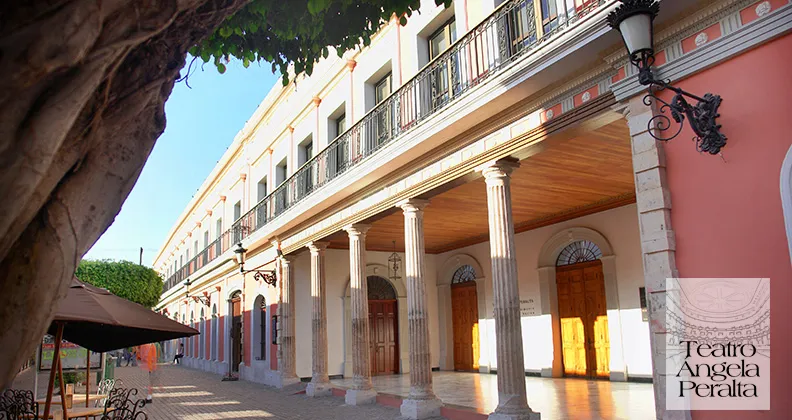
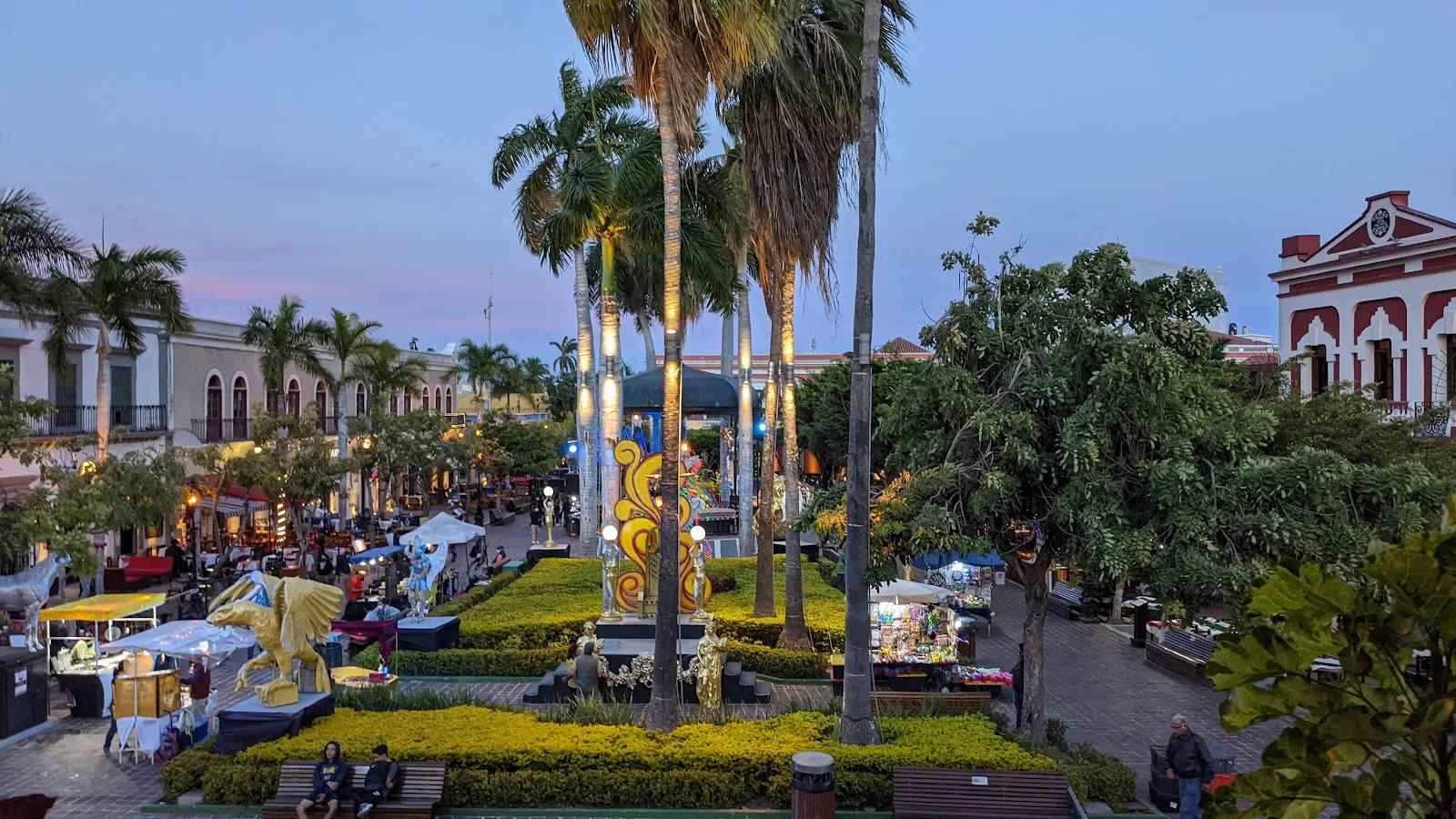
Plazuela Machado is the main square of Mazatlán's historic center, surrounded by 19th-century buildings, restaurants, cafes and galleries.

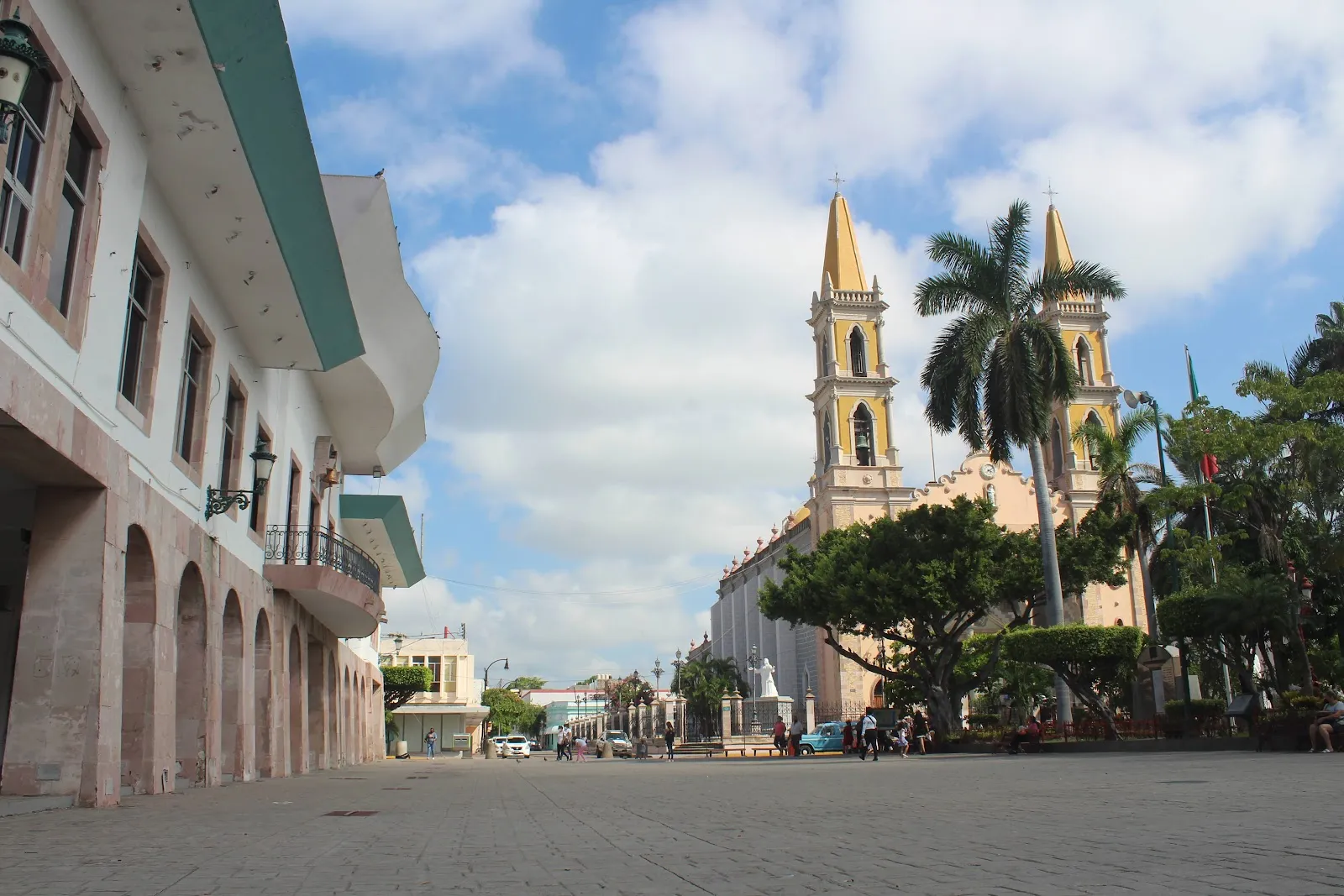
Plazuela Machado is the main square of Mazatlán's historic center, surrounded by 19th-century buildings, restaurants, cafes and galleries. A cast iron bandstand sits in the middle, and the Angela Peralta Theater is next door. By day it is a calm place to walk and photograph the colonial facades, the children's fountain and the church of San José. In the evening the lights come on, restaurants set out tables and live music starts. On weekends the streets around the plaza close to cars, which leaves room to stroll between vendors, artists and performers.

How the square came to be
Plazuela Machado
Plazuela Machado

The plaza is tied to Juan Nepomuceno Machado, a wealthy merchant from the Philippines whom some consider a founding father of Mazatlán. In 1832 the Olas Altas dam was built, and large tracts of land dried up. Machado wanted to use part of that land for a large public plaza.

In the center is a cast iron gazebo, which works as the bandstand. It has been used for almost every kind of music: opera singers, banda, troubadours, jazz, tribute bands, hip hop, African dance and rock and roll. The square was fully restored in 2010.

The buildings around the plaza
Plazuela Machado
Plazuela Machado

Plazuela Machado is small and is bordered by Frías, Constitución, Carnaval and Sixto Osuna streets. It lies inside a historic area of about 20 blocks near the theater. The old houses here are colorful and trimmed with wrought iron and carved stone. The city's architecture shows French, Spanish and British colonial influence.

On the square you can photograph the children's fountain, the bandstand and the church of San José. Some of the older buildings are rough and weathered, and they show how much restoration the neighborhood still needs.

Restaurants and cafes fill the ground floors around the square. The kitchens are Italian, French and Mexican, alongside traditional dishes of the port. Pedro & Lola sits on the northwest corner. Art galleries opened on the square after the first restaurants. Today most spaces around it are taken, and new places are opening on the side streets.

An evening on the plaza

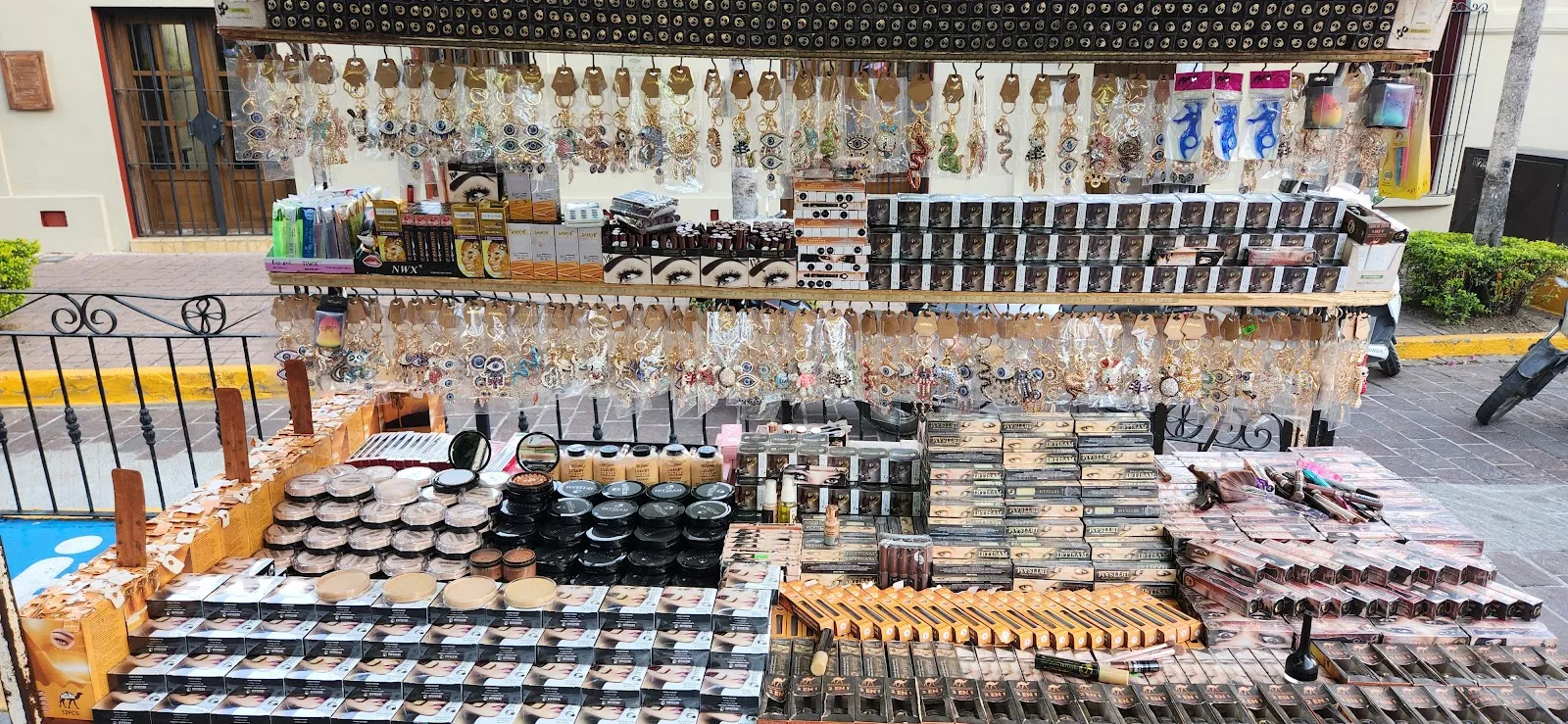
The plaza is open at all hours, but it is at its best after dark. The lights go on, and restaurants put chairs and tables out on the closed streets. Live music plays outside the restaurants. Families, vendors and diners share the space, and an art show sometimes appears among the stalls. Shops sell gifts and souvenirs, and the stalls and galleries offer jewelry and art.

For something sweet, walk up the main street that leads to the plaza. Ice cream de garrafa is sold there, in flavors such as yogurt and blueberries, guayaba and chicle. For breakfast, the Gaia bistrot is a morning stop near the square. El Cielo is a restaurant known for shrimp tacos.

Carnaval and Day of the Dead

Around the turn of the 20th century, Plazuela Machado was the focus of Carnaval. As downtown has been restored, the festivities have returned. During Carnaval a gastronomic fair runs every evening from Friday through Tuesday. Dishes include pescado zarandeado, which is barbecued fish, camarones con mango, which is mango shrimp, and marlín ahumada, which is smoked marlin.

At Day of the Dead, the plaza and the historic center are the hub for decorations, public ofrendas (altars) and community gatherings. The Callejoneada is a nighttime walking parade through the old town with people dressed as Catrinas and traditional banda music. Parades with dancers and skeleton costumes are often held near the plaza and the Angela Peralta Theater.

Walking on from the plaza

The plaza makes a good starting point for a walk through the city. From here you can head south on Avenida Carnaval, past cafes, bakeries and restaurants. At the Mirador la Marea you turn west and reach the coast and the Malecón.

FAQ

Where is Plazuela Machado?

It is in Mazatlán's historic center, at Constitución s/n, Centro. The Angela Peralta Theater is next to it.

When is the best time to visit Plazuela Machado?

Evening is the best time. The lights are on, restaurants set out tables and live music plays. By day the plaza is quieter, which suits walking and photos.

Is Plazuela Machado wheelchair accessible?

Yes, the entrance is wheelchair accessible, and there is a wheelchair accessible parking lot. The parking is paid.

What can you eat and drink around Plazuela Machado?

Restaurants and cafes serve Italian, French and Mexican food and traditional dishes of the port. Ice cream is sold on the main street leading to the plaza. During Carnaval the gastronomic fair serves pescado zarandeado, mango shrimp and smoked marlin.

What festivals take place at Plazuela Machado?

The plaza is a center of Carnaval, with a gastronomic fair every evening from Friday through Tuesday. It is also the hub of Day of the Dead decorations, ofrendas and the Callejoneada parade.
Autres incontournables à Mazatlán

Tout explorer