The Museum of the Occupation of Latvia examines the country’s experience under Soviet and Nazi rule from 1940 to 1991. Its photographs, documents, objects and recorded personal accounts trace political repression, deportations, daily life and the struggle to regain independence. The subject is difficult, but the displays give useful context for Latvia’s recent history and the people who lived through it. Read the text alongside the exhibits, and consider a guided tour for more historical detail. Allow about two hours if you want time to work through the material.
Latvia under occupation, 1940 to 1991
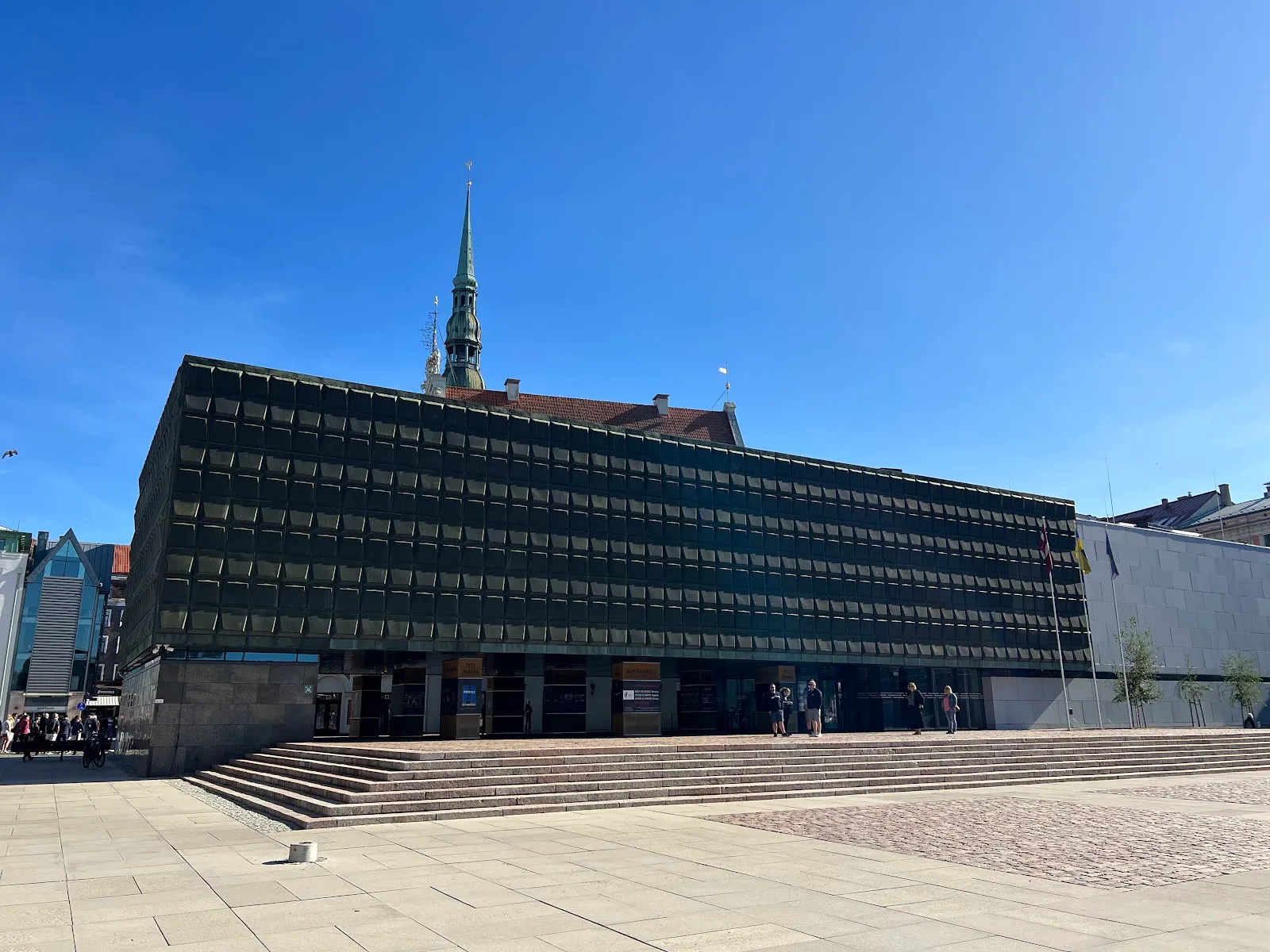
The museum documents the years when Latvia was successively controlled by the Soviet Union, Nazi Germany and the Soviet Union again. Soviet occupation began in 1940; German rule followed from 1941 to 1944, before Soviet control returned and lasted until 1991. The exhibitions examine how these regimes affected the country and its people.
Political repression, deportations, forced labour, changes to the economy and the ideologies behind totalitarian rule all form part of the story. The museum also addresses opposition to the regimes and the restoration of Latvian independence. Its purpose includes remembering people who were imprisoned or killed, those who suffered under repression, and those forced to leave Latvia.
Photographs, documents and personal accounts
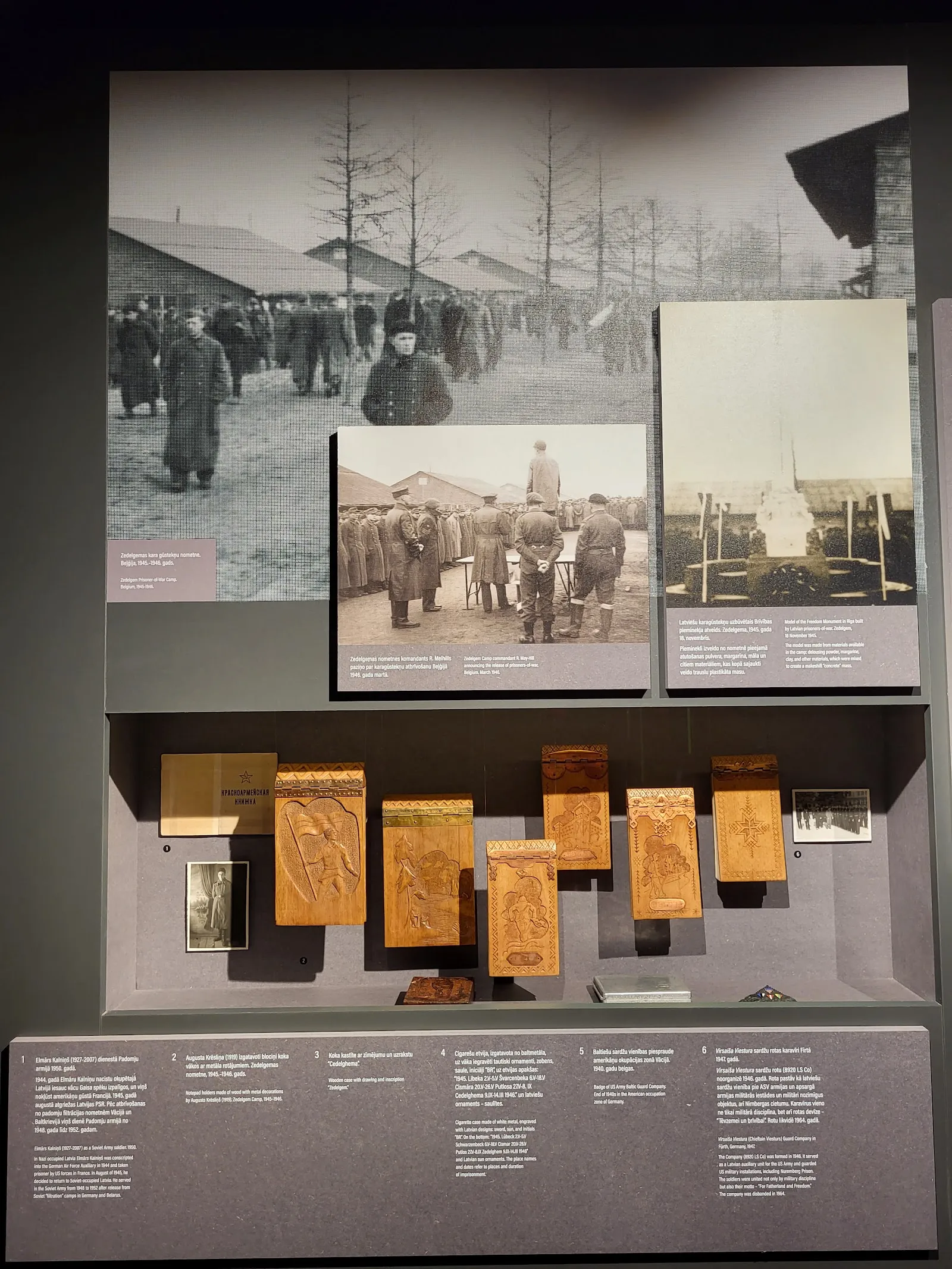
Exhibits include photographs, documents, historical objects, maps and personal stories. Recorded testimonies bring individual experiences into the account, including the stories of people deported to Siberia. Films and other audiovisual material add first-person accounts from refugees, deportees and others affected by the occupations.
Give yourself time to read the text accompanying the objects. The written explanations add context to the images and documents, while the testimonies convey how political events shaped ordinary lives. The subject matter includes persecution and loss, so the visit is sobering. The material also records resistance and the effort to restore Latvia’s freedom.
How to approach the visit
You can explore the displays independently or take a guided tour. A guide can provide further historical context, and tours are available in multiple languages. If you visit without one, set aside enough time to read the exhibition text rather than moving quickly from one display to the next.
The museum has operated from temporary premises during work on its permanent site, and information about its location in the supplied material conflicts. Check the museum’s current address before travelling. The material also gives inconsistent admission details, so confirm ticket arrangements directly with the museum before your visit.
FAQ
What period does the Museum of the Occupation of Latvia cover?
It covers Latvia’s history under Soviet and Nazi rule from 1940 to 1991, including the return of Soviet control after the German occupation.
What can you see at the museum?
The exhibitions include photographs, documents, objects, maps, films and recorded accounts from people affected by the occupations.
How long should you spend at the museum?
Allow about two hours if you want to read the displays in detail.
Are guided tours available?
Yes. Guided tours are available in multiple languages.