Planifier un voyage
Langue: Français
Planificateur de voyagePlanifiez votre voyage sur une carte

Destinations incontournables

EnglishDeutschFrançaisEspañolPortuguêsPortuguês (BR)Italiano
Avis aux voyageurs · IndonésieCertains gouvernements déconseillent de se rendre dans certaines régions de Indonésie.Les avertissements ne concernent que ces zones : Papouasie centrale, Papouasie des hautes terres, Papouasie indonésienne, Province de Papouasie, Province de Papouasie du Sud, Province de Papouasie occidentale.Les conseils dépendent de votre passeport. Consultez ceux de votre propre gouvernement avant de réserver.Conseils officiels
Zones signalées
  • Papouasie centrale · éviter tout voyage · Allemagne, Nouvelle-Zélande, États-Unis
  • Papouasie des hautes terres · éviter tout voyage · Allemagne, Nouvelle-Zélande, États-Unis
  • Papouasie indonésienne · éviter les voyages non essentiels · Canada, Espagne, Italie
  • Province de Papouasie · éviter les voyages non essentiels · Allemagne, Nouvelle-Zélande
  • Province de Papouasie du Sud · éviter les voyages non essentiels · Allemagne, Nouvelle-Zélande
  • Province de Papouasie occidentale · éviter les voyages non essentiels · Allemagne, Espagne, Nouvelle-Zélande

Également signalé par un seul gouvernement : Frontière avec la Malaisie (France), Frontière avec les Philippines (France), Frontière avec Singapour (détroit de Malacca) (France), Eaux intérieures (mers de Banda, de Java et des Célèbes) (France), Jayawijaya (France), Mont Ibu (7 km autour du cratère) (Italie), Mont Lewotobi Laki-Laki (7 km autour du cratère) (Italie), Mont Marapi (3 km autour du cratère) (Italie), Mont Ruang (7 km autour du cratère) (Italie), Mont Semeru (5 km autour du cratère) (Italie), Mont Sinabung (5 km autour du cratère) (Italie), Paniai (France), Régence de Poso (Nouvelle-Zélande), Puncak Jaya (France), Timika (France)

GouvernementConseilsMis à jourLire les conseils
Royaume-Uni (FCDO)No advice against the whole country–Lire les conseils
États-Unis (State Dept)Exercise increased caution7 juil. 2026Lire les conseils
Canada (Affaires mondiales)Exercise a high degree of caution (regional advisories)–Lire les conseils
Allemagne (Auswärtiges Amt)No advice against the whole country (regional advisories)15 oct. 2026Lire les conseils
Nouvelle-Zélande (SafeTravel)Exercise increased caution in Indonesia (regional advisories)–Lire les conseils
Irlande (ministère des Affaires étrangères)High Degree of Caution–Lire les conseils
France (ministère de l'Europe et des Affaires étrangères)No advice against the whole country (regional advisories)–Lire les conseils

Vérifié quotidiennement d'après les conseils publiés par les gouvernements ; dernière vérification le 2 nov. 2026.RoamLedger résume les conseils officiels ; il ne s'agit pas de conseils émanant d'un gouvernement.

Jakarta History Museum
Musée

Jakarta History Museum

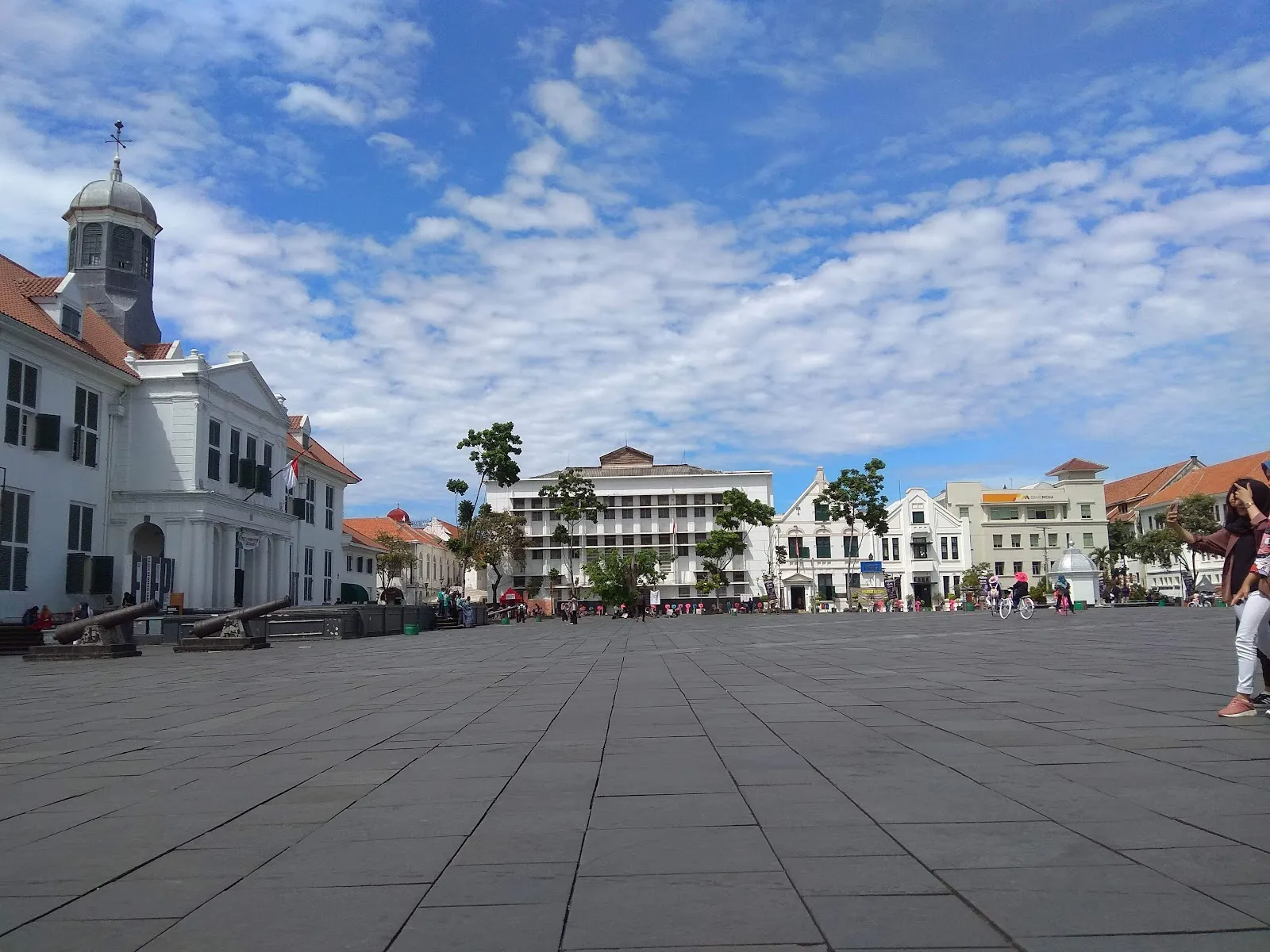
Jakarta History Museum, also called the Fatahillah or Batavia Museum, stands on Taman Fatahillah in Kota Tua, the city’s Old Town.

Jakarta History Museum, also called the Fatahillah or Batavia Museum, stands on Taman Fatahillah in Kota Tua, the city’s Old Town. Its collection traces Jakarta from prehistoric times and the founding of Jayakarta in 1527 through Dutch rule and independence. The museum occupies a former Batavia city hall, and its restored colonial architecture is part of the visit. Inside, look for historic objects and displays that help put the city’s changing name and past in context. Pair the visit with a walk around the surrounding historic square.

A former city hall in Kota Tua
Jakarta History Museum

The museum occupies a building associated with Batavia’s former city government. Sources date the original city hall to 1627 and describe later construction or alterations in 1707 and 1710. It was used as Batavia’s Stadhuis before reopening as a museum in 1974.

The building’s colonial design is part of what draws visitors to the site. Its restored rooms and exterior offer a sense of the civic architecture of Dutch-era Batavia, while its present role is to interpret Jakarta’s history.

From Jayakarta to modern Jakarta
Jakarta History Museum

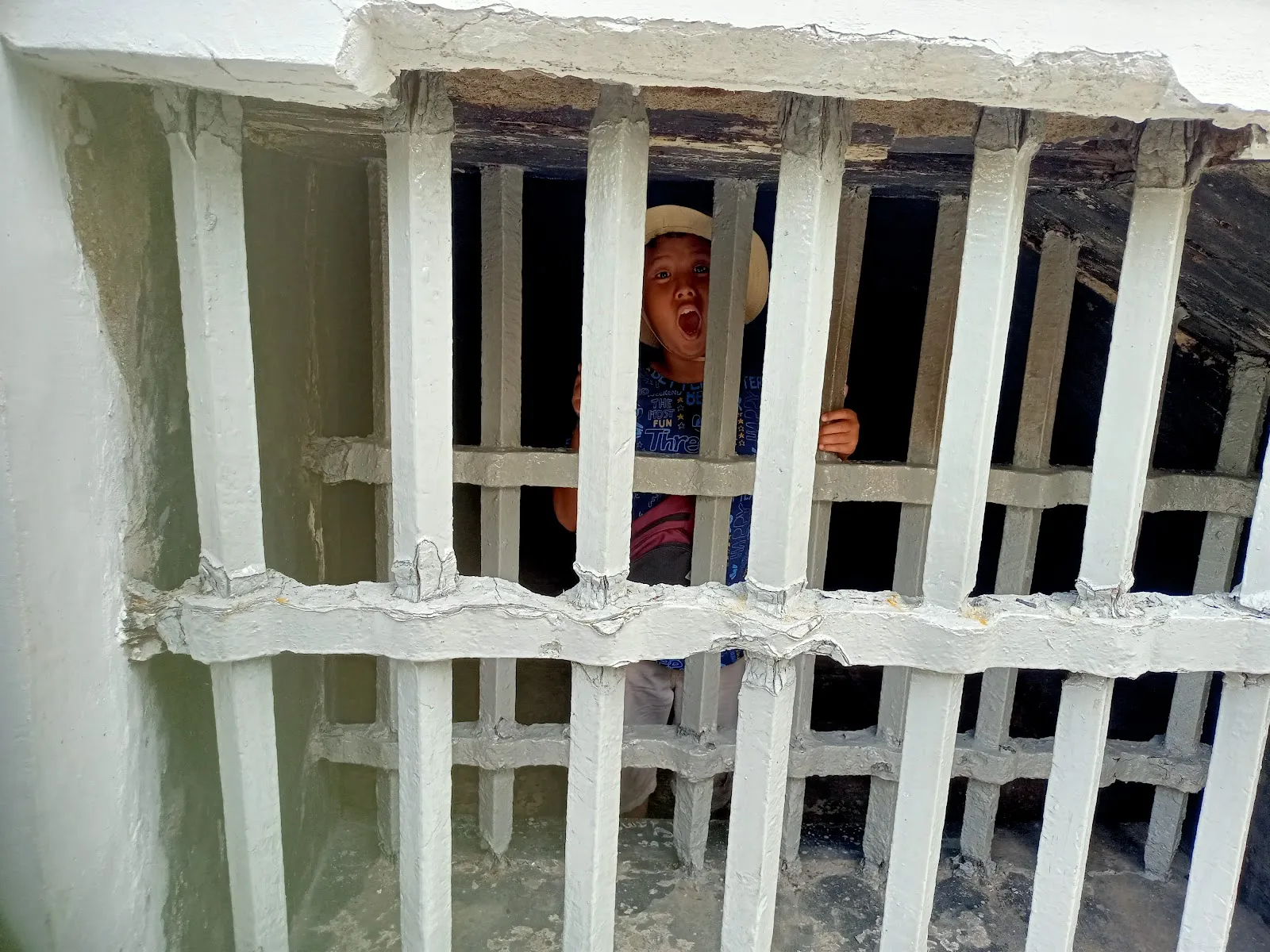
The museum’s displays cover a long stretch of the city’s past. They include material relating to prehistoric Jakarta, the establishment of Jayakarta in 1527, the Dutch colonial period and Indonesia’s path to independence in 1945. The colonial era receives particular attention, reflecting the building’s connection to Batavia.

Artifacts and other historical displays give the story physical detail. The collection also draws on objects inherited from an earlier Old Jakarta Museum, alongside material received from Jakarta’s government. The museum is a useful stop for understanding how the city’s history developed across different periods.

Planning time inside

The exhibition layout can be difficult to follow, and some signs are in Indonesian. Information within the museum is also available in English. A guide can help connect the objects across the rooms and add context to individual displays.

The interior can be warm, with limited air conditioning in some areas. Take water and choose light clothing for the visit. Afterward, the museum’s location on Taman Fatahillah makes it easy to continue exploring the historic area on foot or by rented bike.

FAQ

Where is Jakarta History Museum?

It is at Taman Fatahillah in Kota Tua, Jakarta’s Old Town.

What does Jakarta History Museum cover?

Its displays trace Jakarta’s history from prehistoric times and Jayakarta’s founding in 1527 through the Dutch colonial period and Indonesia’s independence in 1945.

How long should I allow for a visit?

Allow around 40 to 60 minutes for a short visit. A guide-led tour can take longer.

Is Jakarta History Museum open on Mondays?

No. The museum is closed on Mondays.
Autres incontournables à Jakarta

Tout explorer