Planear uma viagem
Idioma: Português
Planeador de viagensPlaneie a sua viagem num mapa

Principais destinos

EnglishDeutschFrançaisEspañolPortuguêsPortuguês (BR)Italiano
Aviso de viagem · IndonésiaAlguns governos aconselham a não viajar para partes de Indonésia.Os avisos abrangem apenas estas áreas: Papua Central, Terras altas de Papua, Papua Indonésia, Província de Papua, Província de Papua do Sul, Província de Papua Ocidental.As recomendações dependem do seu passaporte. Leia as recomendações do seu próprio governo antes de reservar.Recomendações oficiais
Áreas com avisos
  • Papua Central · evitar todas as viagens · Alemanha, Nova Zelândia, EUA
  • Terras altas de Papua · evitar todas as viagens · Alemanha, Nova Zelândia, EUA
  • Papua Indonésia · evitar viagens não essenciais · Canadá, Espanha, Itália
  • Província de Papua · evitar viagens não essenciais · Alemanha, Nova Zelândia
  • Província de Papua do Sul · evitar viagens não essenciais · Alemanha, Nova Zelândia
  • Província de Papua Ocidental · evitar viagens não essenciais · Alemanha, Espanha, Nova Zelândia

Também indicado por um governo: Fronteira com a Malásia (França), Fronteira com as Filipinas (França), Fronteira com Singapura (Estreito de Malaca) (França), Águas interiores (mares de Banda, de Java e de Celebes) (França), Jayawijaya (França), Monte Ibu (7 km ao redor da cratera) (Itália), Monte Lewotobi Laki-Laki (7 km ao redor da cratera) (Itália), Monte Marapi (3 km ao redor da cratera) (Itália), Monte Ruang (7 km ao redor da cratera) (Itália), Monte Semeru (5 km ao redor da cratera) (Itália), Monte Sinabung (5 km ao redor da cratera) (Itália), Paniai (França), Regência de Poso (Nova Zelândia), Puncak Jaya (França), Timika (França)

GovernoRecomendaçõesAtualizadoLer as recomendações
Reino Unido (FCDO)No advice against the whole country–Ler as recomendações
Estados Unidos (Departamento de Estado)Exercise increased caution7/07/2026Ler as recomendações
Canadá (Assuntos Mundiais)Exercise a high degree of caution (regional advisories)–Ler as recomendações
Alemanha (Ministério dos Negócios Estrangeiros)No advice against the whole country (regional advisories)15/10/2026Ler as recomendações
Nova Zelândia (SafeTravel)Exercise increased caution in Indonesia (regional advisories)–Ler as recomendações
Irlanda (Departamento dos Negócios Estrangeiros)High Degree of Caution–Ler as recomendações
França (Ministério para a Europa e Negócios Estrangeiros)No advice against the whole country (regional advisories)–Ler as recomendações

Verificado diariamente a partir das recomendações publicadas pelos governos; última verificação 3/11/2026.RoamLedger resume as recomendações oficiais; não são recomendações de nenhum governo.

Jakarta History Museum
Museu

Jakarta History Museum

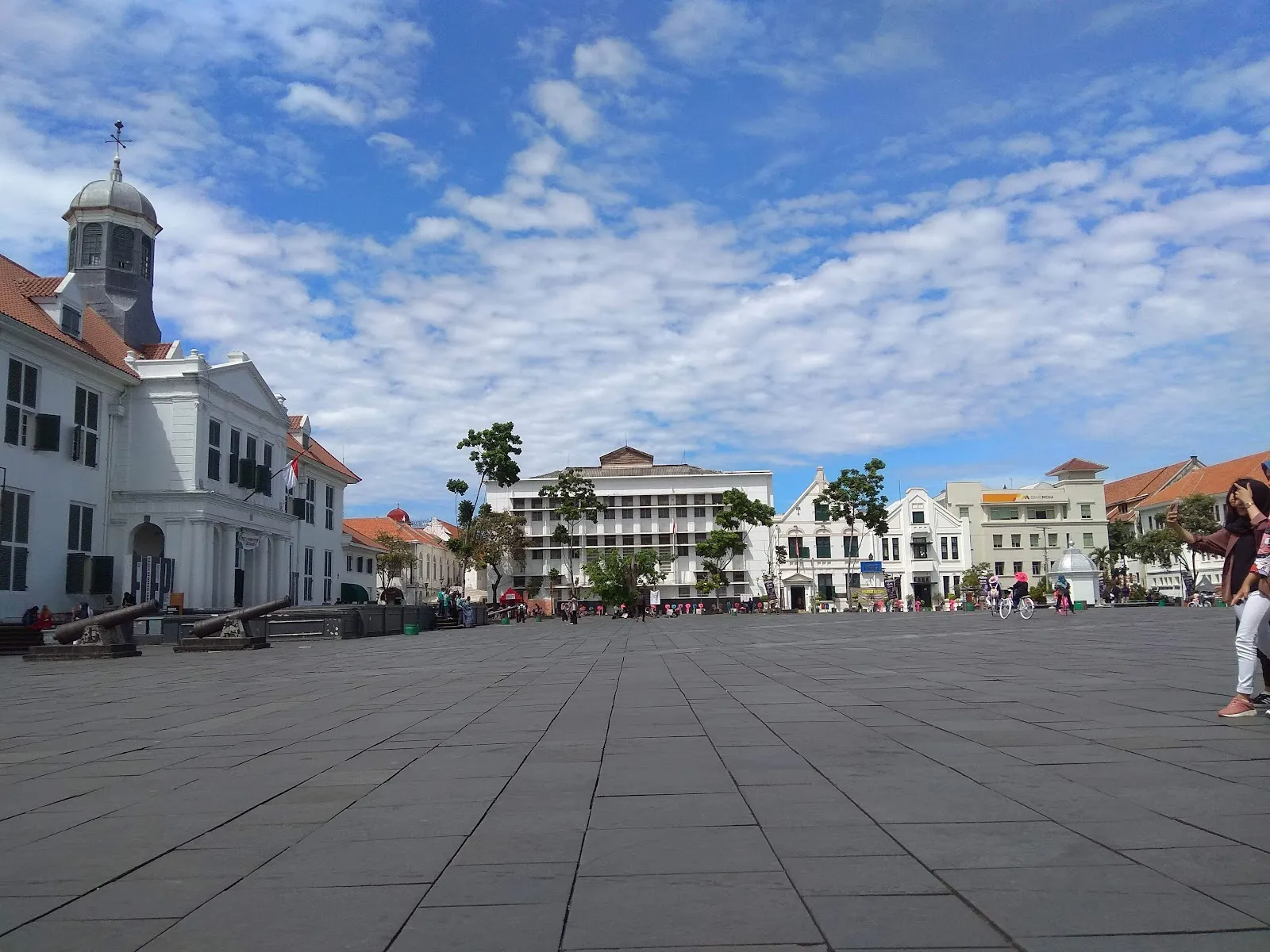
Jakarta History Museum, also called the Fatahillah or Batavia Museum, stands on Taman Fatahillah in Kota Tua, the city’s Old Town.

Jakarta History Museum, also called the Fatahillah or Batavia Museum, stands on Taman Fatahillah in Kota Tua, the city’s Old Town. Its collection traces Jakarta from prehistoric times and the founding of Jayakarta in 1527 through Dutch rule and independence. The museum occupies a former Batavia city hall, and its restored colonial architecture is part of the visit. Inside, look for historic objects and displays that help put the city’s changing name and past in context. Pair the visit with a walk around the surrounding historic square.

A former city hall in Kota Tua
Jakarta History Museum

The museum occupies a building associated with Batavia’s former city government. Sources date the original city hall to 1627 and describe later construction or alterations in 1707 and 1710. It was used as Batavia’s Stadhuis before reopening as a museum in 1974.

The building’s colonial design is part of what draws visitors to the site. Its restored rooms and exterior offer a sense of the civic architecture of Dutch-era Batavia, while its present role is to interpret Jakarta’s history.

From Jayakarta to modern Jakarta
Jakarta History Museum

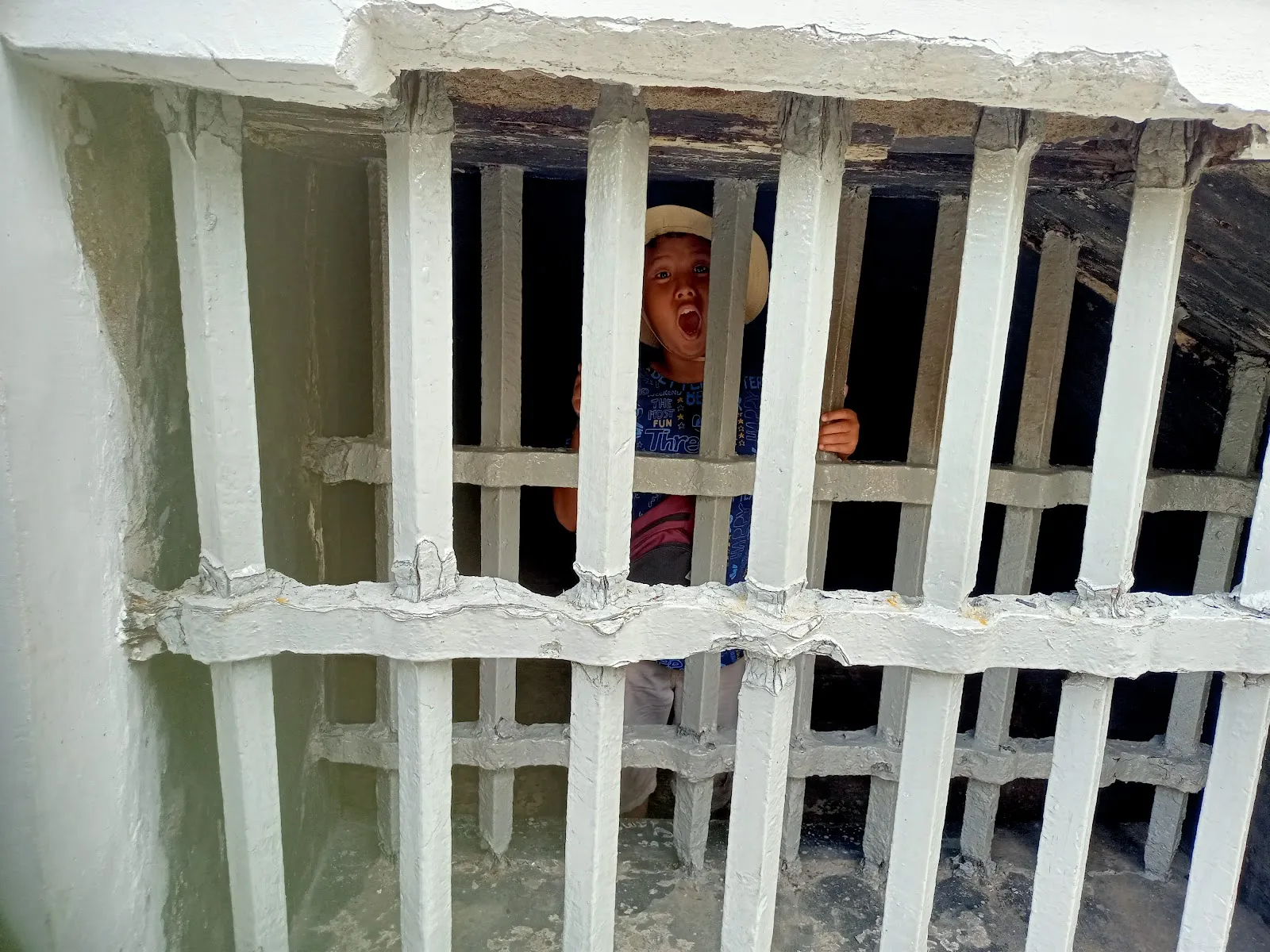
The museum’s displays cover a long stretch of the city’s past. They include material relating to prehistoric Jakarta, the establishment of Jayakarta in 1527, the Dutch colonial period and Indonesia’s path to independence in 1945. The colonial era receives particular attention, reflecting the building’s connection to Batavia.

Artifacts and other historical displays give the story physical detail. The collection also draws on objects inherited from an earlier Old Jakarta Museum, alongside material received from Jakarta’s government. The museum is a useful stop for understanding how the city’s history developed across different periods.

Planning time inside

The exhibition layout can be difficult to follow, and some signs are in Indonesian. Information within the museum is also available in English. A guide can help connect the objects across the rooms and add context to individual displays.

The interior can be warm, with limited air conditioning in some areas. Take water and choose light clothing for the visit. Afterward, the museum’s location on Taman Fatahillah makes it easy to continue exploring the historic area on foot or by rented bike.

Perguntas frequentes

Where is Jakarta History Museum?

It is at Taman Fatahillah in Kota Tua, Jakarta’s Old Town.

What does Jakarta History Museum cover?

Its displays trace Jakarta’s history from prehistoric times and Jayakarta’s founding in 1527 through the Dutch colonial period and Indonesia’s independence in 1945.

How long should I allow for a visit?

Allow around 40 to 60 minutes for a short visit. A guide-led tour can take longer.

Is Jakarta History Museum open on Mondays?

No. The museum is closed on Mondays.
Mais locais imperdíveis em Jacarta

Explorar tudo