
At Am Sandtorkai 36, the Speicherstadtmuseum explains how Hamburg’s historic warehouse district handled imported goods such as coffee, tea, cocoa and rubber. Its compact exhibition brings dockside work into focus through tools, historical photographs and hands-on displays, including examples of weighing, sampling and sorting. The museum occupies part of a former warehouse, so the setting is closely tied to the work on display. Most information is in German, with some English summaries; a translation app can help you follow more of the exhibits.
A warehouse setting for Hamburg’s trade history
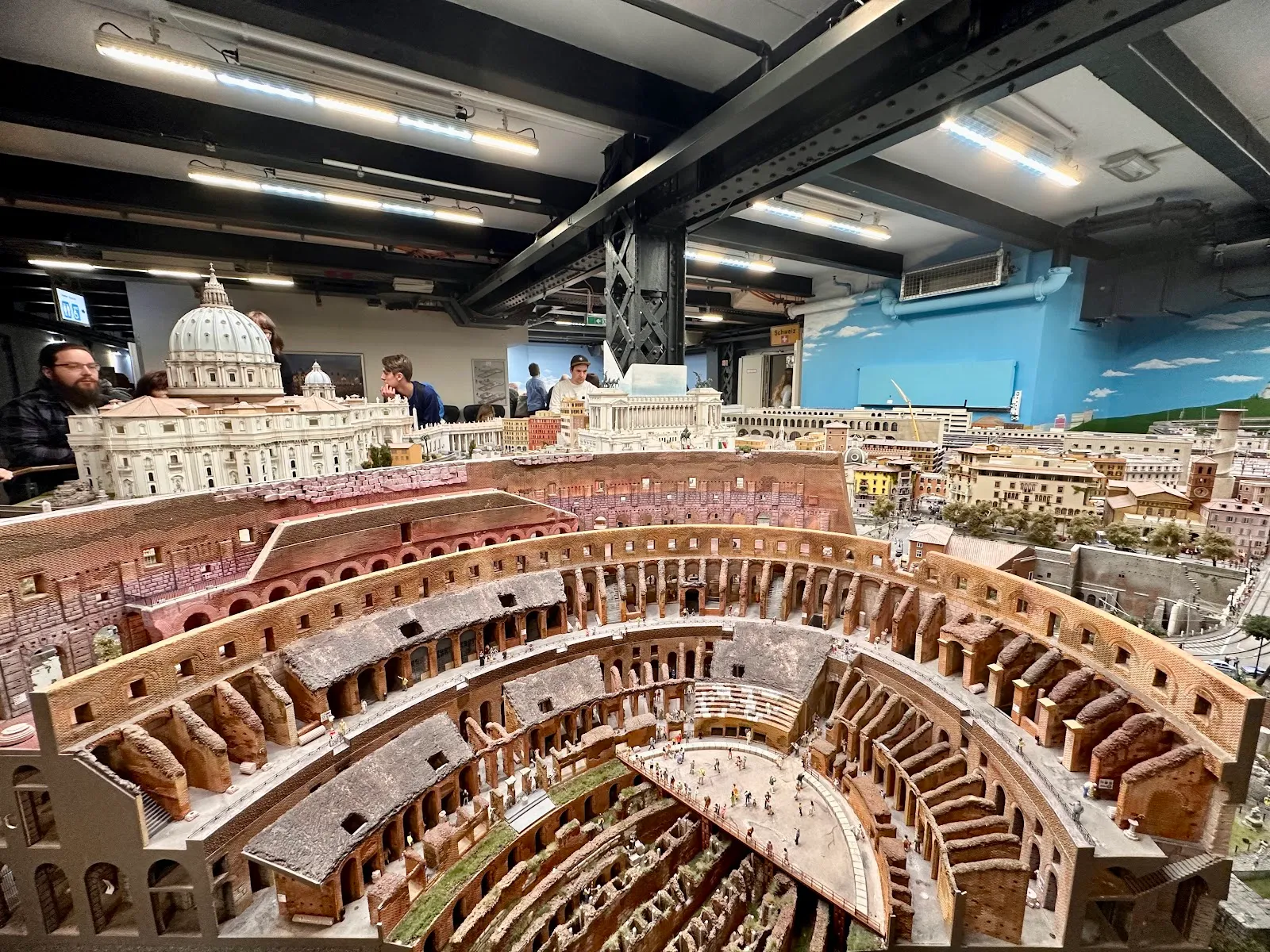
The Speicherstadtmuseum is at Am Sandtorkai 36, in a ground-floor room of warehouse block L. The building dates to 1888 and was designed by Hamburg architect Georg Thielen in the neo-Gothic style. Part of its original riveted wrought-iron frame remains in the section used by the museum, linking the exhibition space to the district’s warehouse past.
The museum focuses on how the Speicherstadt was built and used. Its displays connect the work carried out inside the warehouses with Hamburg’s role as a port and trading city. Historical photographs and objects help explain what was stored in the district and how it was handled before continuing its journey elsewhere.
From weighing to sorting
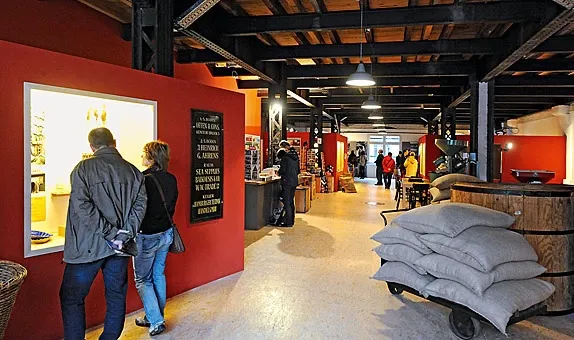
The exhibits follow the steps involved in looking after imported goods. Tools used by warehouse workers show how they weighed and sampled consignments, while sorting machines and examples of manual sorting illustrate how products were prepared and organized. Coffee, cocoa, tobacco and rubber are among the goods represented.
Coffee and tea trading receive particular attention, alongside cocoa. The displays make the work tangible through objects and hands-on elements rather than relying only on written explanations. Children can touch many of the items and explore the museum independently with a rally. Adults can take time to read the panels and look closely at the equipment; the small exhibition has enough detail to reward a slower visit.
Reading the displays and planning a visit
Most of the information is in German, and only some of the material has English summaries. If you do not read German, a translation app can help you get more from the panels. The museum is small, so it is easy to cover the room, but reading the explanations and examining the objects can extend the visit.
There is a small café inside for a pause, and the museum also has a shop with souvenirs connected to tea, coffee and the port. The museum is near HafenCity, Miniatur Wunderland, Hamburg Dungeon and the Spice Museum. U-Bahn line 3 is one way to reach the area. Tickets in advance are recommended.
FAQ
What can you see at the Speicherstadtmuseum?
The exhibits cover warehouse work and Hamburg’s trade in goods including coffee, tea, cocoa, tobacco and rubber. You can see tools, historical photographs and examples of weighing, sampling and sorting.
Is the Speicherstadtmuseum suitable for children?
Yes. Children can handle many of the displays and explore the museum with a rally.
Is information available in English?
Most display text is in German, but some English summaries are available. A translation app can help with the rest.
How long should you allow for a visit?
Allow about one to one and a half hours if you plan to read the displays and examine the objects.
Where is the Speicherstadtmuseum?
It is at Am Sandtorkai 36 in Hamburg, near HafenCity, Miniatur Wunderland, Hamburg Dungeon and the Spice Museum.


