Planifier un voyage
Langue: Français
Planificateur de voyagePlanifiez votre voyage sur une carte

Destinations incontournables

EnglishDeutschFrançaisEspañolPortuguêsPortuguês (BR)Italiano
Avis aux voyageurs · BrésilSão Paulo se trouve dans ou près d'une zone où les gouvernements déconseillent tout voyage sauf essentiel : Favelas et habitats informels dans les grandes villes.Les conseils dépendent de votre passeport. Consultez ceux de votre propre gouvernement avant de réserver.Conseils officiels
Zones signalées
  • Ceilândia · éviter les voyages non essentiels · Italie, États-Unis
  • Favelas et habitats informels dans les grandes villes · éviter les voyages non essentiels · Espagne, Nouvelle-Zélande, États-Unis
  • Paranoá · éviter les voyages non essentiels · Italie, États-Unis
  • Santa Maria · éviter les voyages non essentiels · Italie, États-Unis
  • São Sebastião · éviter les voyages non essentiels · Italie, États-Unis
  • Zone frontalière avec le Venezuela · éviter les voyages non essentiels · Allemagne, France

Également signalé par un seul gouvernement : Bande de 160 km le long de toutes les frontières terrestres (États-Unis), Complexo da Maré (Canada), Complexo da Penha (Canada), Bande de 20 km le long de la frontière bolivienne (hors parc national du Pantanal) (Canada), Bande de 20 km le long de la frontière colombienne (Canada), Bande de 20 km le long de la frontière avec la Guyane française (Canada), Bande de 20 km le long de la frontière avec le Guyana (Canada), Bande de 20 km le long de la frontière paraguayenne (Canada), Bande de 20 km le long de la frontière péruvienne (Canada), Bande de 20 km le long de la frontière avec le Suriname (Canada), Bande de 50 km le long de la frontière vénézuélienne (Canada), Fleuve Amazone et ses affluents entre Codajás et Belém do Solimões (État d'Amazonas) (Royaume-Uni), Zones frontalières (non précisées) (France), Parc national de la Chapada Diamantina (Trilha do 21) (Espagne), Planaltina (Italie), Favelas de Rio de Janeiro (Allemagne), Samambaia (Italie)

GouvernementConseilsMis à jourLire les conseils
Royaume-Uni (FCDO)No advice against the whole country (regional advisories)–Lire les conseils
États-Unis (State Dept)Exercise increased caution (regional advisories)31 août 2026Lire les conseils
Canada (Affaires mondiales)Exercise a high degree of caution (regional advisories)–Lire les conseils
Allemagne (Auswärtiges Amt)No advice against the whole country (regional advisories)27 oct. 2026Lire les conseils
Nouvelle-Zélande (SafeTravel)Exercise increased caution due to high crime rates (regional advisories)–Lire les conseils
France (ministère de l'Europe et des Affaires étrangères)Vigilance renforcée (pays à risque) (regional advisories)–Lire les conseils

Vérifié quotidiennement d'après les conseils publiés par les gouvernements ; dernière vérification le 3 nov. 2026.RoamLedger résume les conseils officiels ; il ne s'agit pas de conseils émanant d'un gouvernement.

Museu Afro Brasil
National museum

Museu Afro Brasil

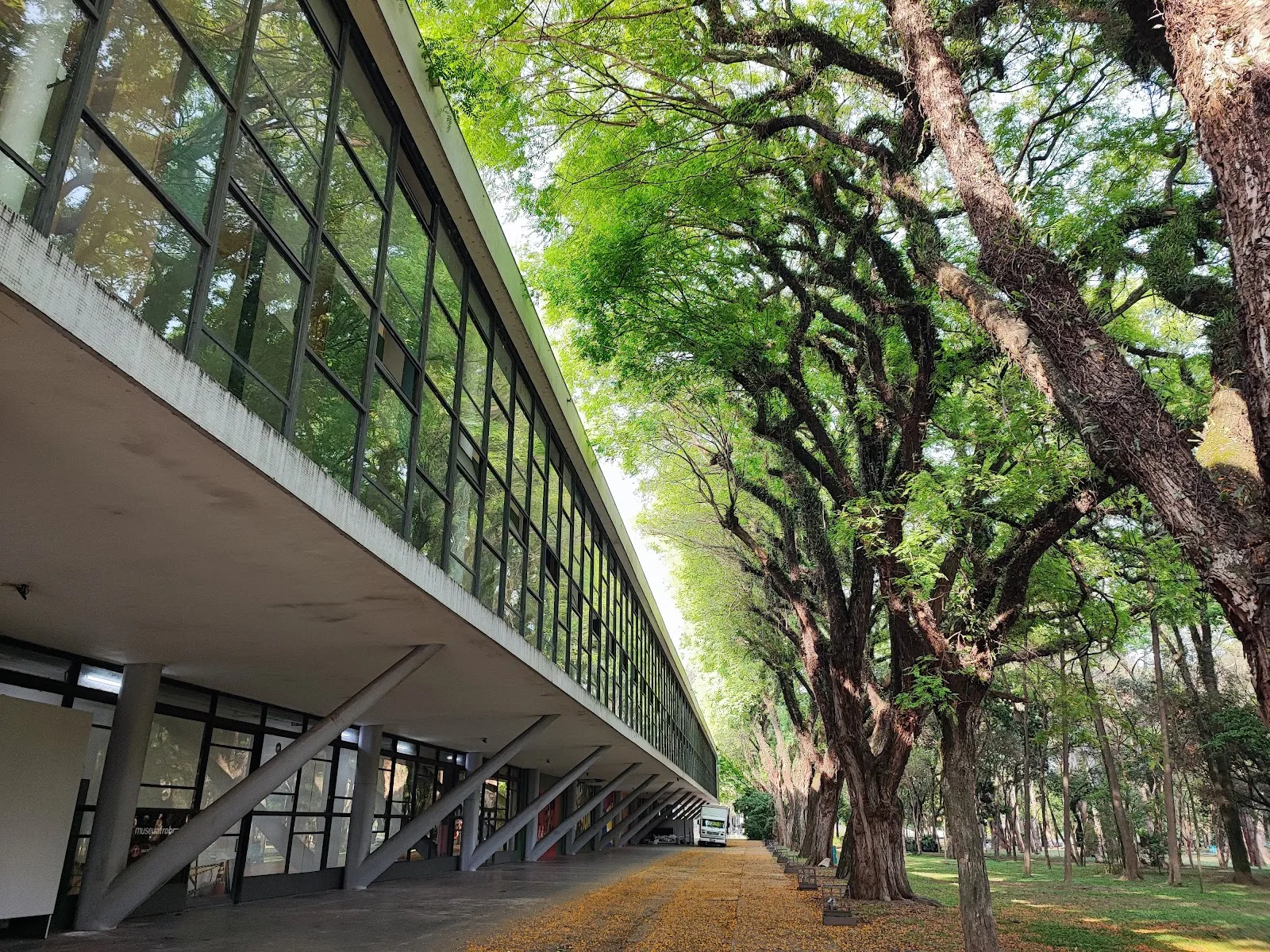
Inside Ibirapuera Park in São Paulo, Museu Afro Brasil explores the history, art and cultural influence of African and Afro-Brazilian people.

Inside Ibirapuera Park in São Paulo, Museu Afro Brasil explores the history, art and cultural influence of African and Afro-Brazilian people. Its collection spans paintings, sculptures, photographs, documents, religious objects and historical artifacts, with themes including slavery, work, faith and memory. The displays connect Brazil’s past with its present and include Carnival costumes, samba and contemporary art. Set in a building designed by Oscar Niemeyer, the museum makes a substantial cultural stop; allow time to move through its multiple floors and varied exhibitions.

A collection spanning history and art
Museu Afro Brasil
Museu Afro Brasil

Museu Afro Brasil is in the Padre Manoel da Nóbrega Pavilion, inside Ibirapuera Park. Designed by Oscar Niemeyer, the building houses a collection of paintings, sculptures, prints, photographs, documents and ethnological objects. The works range from the eighteenth century to the present and include pieces by Brazilian and international artists.

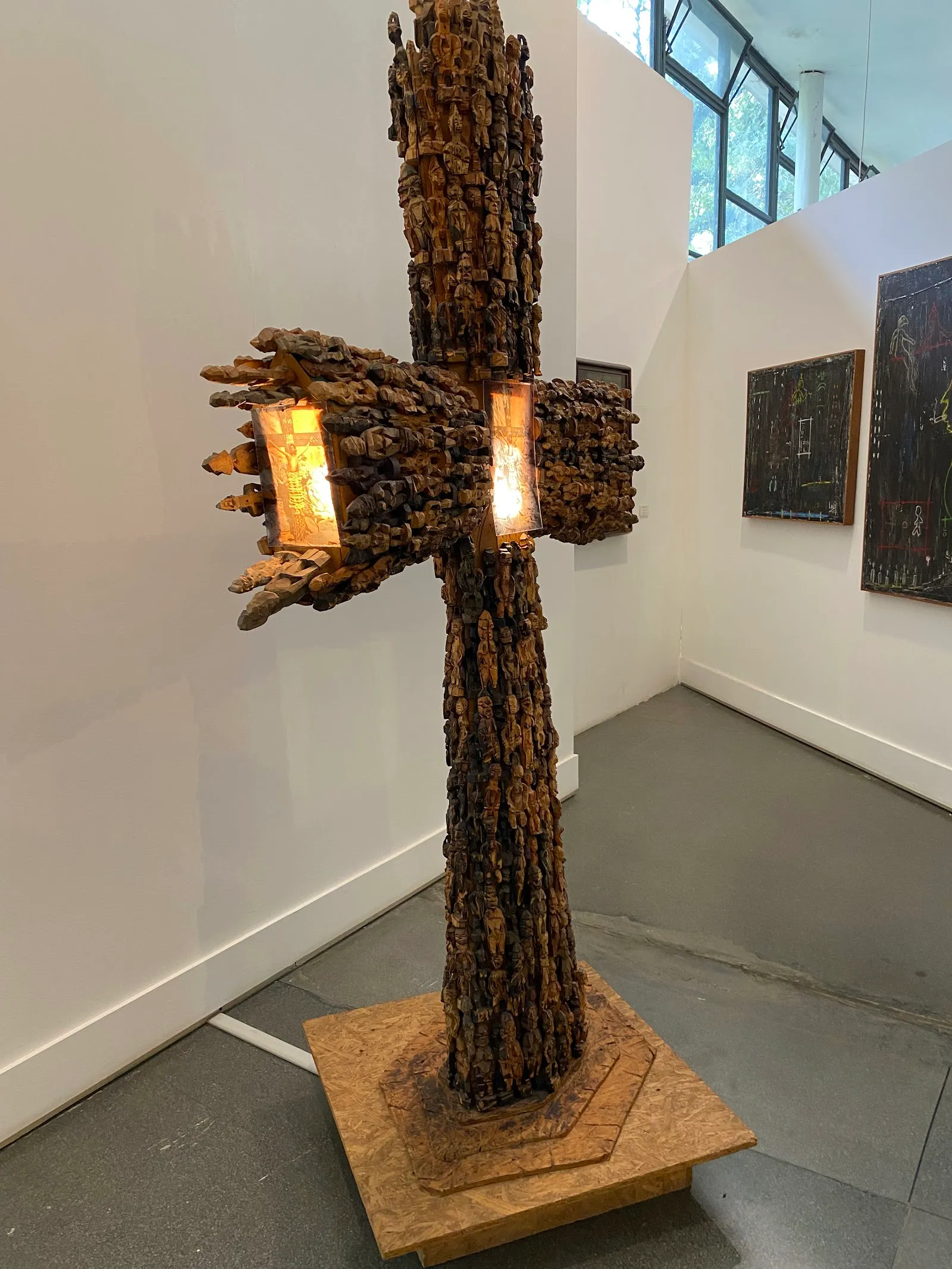
The collection is organized around themes that include Africa, work and slavery, the sacred and the secular, Afro-Brazilian religions, history and memory, and art. Together, these subjects trace the experiences and cultural contributions of African and Afro-descendant people in Brazil. Religious objects, books and written records sit alongside artworks and historical material, giving the museum several ways into its subject.

What to look for in the exhibitions
Museu Afro Brasil
Museu Afro Brasil

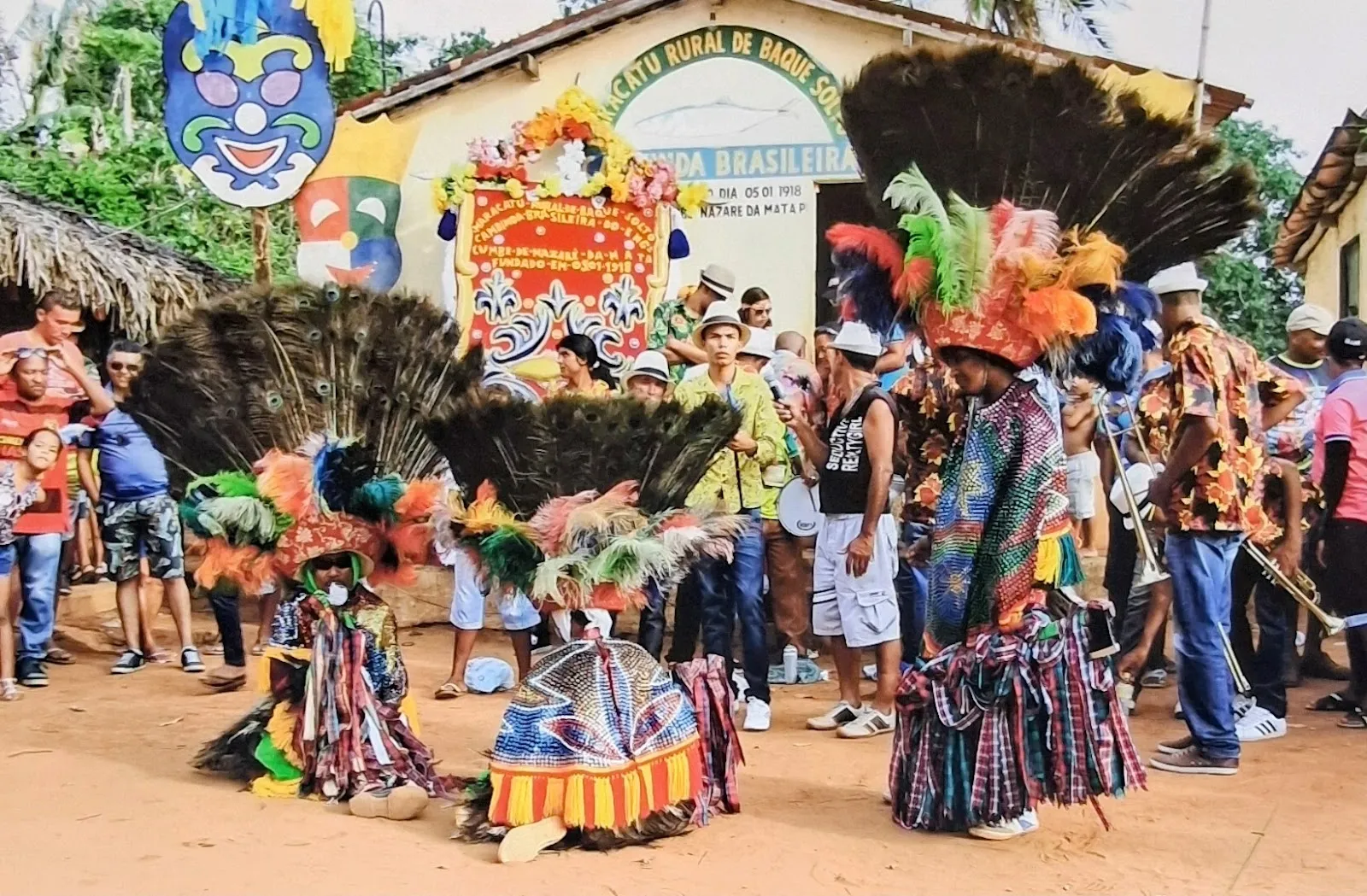
The displays cover both the history of the African diaspora in Brazil and its continuing influence on Brazilian culture. Material on slavery and labor provides historical context, while art, clothing and objects connect that history to religious practice, music and public celebrations. Carnival costumes and samba are among the subjects represented.

One notable group of works is Johann Moritz Rugendas’s engravings depicting the slave trade. The museum also presents photography and contemporary exhibitions, including work by Black artists. Exhibition arrangements can be difficult to follow in places, so leave time to explore rather than expecting a single, linear route through the displays.

Planning your visit

The museum is inside Ibirapuera Park, so you can pair it with time outdoors or a visit to another cultural institution in the park. Parking is available within the park, and public transport or Uber are alternatives for getting there.

If you want English-language guidance, download the audio tour before your visit and bring headphones. English audio is available to download rather than as an on-site tour. Admission is free on Wednesdays; check the museum’s website for current visitor information before setting out.

FAQ

Where is Museu Afro Brasil?

It is in the Padre Manoel da Nóbrega Pavilion inside Ibirapuera Park in São Paulo.

What can you see at Museu Afro Brasil?

The collection includes art, photographs, documents, religious objects and historical artifacts related to African and Afro-Brazilian history and culture.

Is admission free on any day?

Admission is free on Wednesdays.

Is there an English audio guide?

An English audio tour is available to download, but English tours are not available on site. Bring headphones.
Autres incontournables à São Paulo

Tout explorer