Planifica un viaje
Idioma: Español
Planificador de viajesPlanifica tu viaje en un mapa

Destinos principales

EnglishDeutschFrançaisEspañolPortuguêsPortuguês (BR)Italiano
Aviso de viaje · BrasilSão Paulo se encuentra en una zona o cerca de ella donde los gobiernos recomiendan evitar todo viaje que no sea esencial: Favelas y viviendas informales en las grandes ciudades.Los consejos dependen de tu pasaporte. Lee los de tu propio gobierno antes de reservar.Recomendaciones oficiales
Zonas con advertencias
  • Ceilândia · evitar viajes no esenciales · Italia, Estados Unidos
  • Favelas y viviendas informales en las grandes ciudades · evitar viajes no esenciales · España, Nueva Zelanda, Estados Unidos
  • Paranoá · evitar viajes no esenciales · Italia, Estados Unidos
  • Santa Maria · evitar viajes no esenciales · Italia, Estados Unidos
  • São Sebastião · evitar viajes no esenciales · Italia, Estados Unidos
  • Zona fronteriza con Venezuela · evitar viajes no esenciales · Alemania, Francia

También señalada por un gobierno: Franja de 160 km a lo largo de todas las fronteras terrestres (Estados Unidos), Complexo da Maré (Canadá), Complexo da Penha (Canadá), Franja de 20 km a lo largo de la frontera boliviana (excepto el Parque Nacional del Pantanal) (Canadá), Franja de 20 km a lo largo de la frontera colombiana (Canadá), Franja de 20 km a lo largo de la frontera con la Guayana Francesa (Canadá), Franja de 20 km a lo largo de la frontera con Guyana (Canadá), Franja de 20 km a lo largo de la frontera paraguaya (Canadá), Franja de 20 km a lo largo de la frontera peruana (Canadá), Franja de 20 km a lo largo de la frontera con Surinam (Canadá), Franja de 50 km a lo largo de la frontera venezolana (Canadá), Río Amazonas y sus afluentes entre Codajás y Belém do Solimões (estado de Amazonas) (Reino Unido), Zonas fronterizas (sin especificar) (Francia), Parque Nacional Chapada Diamantina (Trilha do 21) (España), Planaltina (Italia), Favelas de Río de Janeiro (Alemania), Samambaia (Italia)

GobiernoConsejosActualizadoLeer las recomendaciones
Reino Unido (FCDO)No advice against the whole country (regional advisories)–Leer las recomendaciones
Estados Unidos (Departamento de Estado)Exercise increased caution (regional advisories)31 ago 2026Leer las recomendaciones
Canadá (Asuntos Globales)Exercise a high degree of caution (regional advisories)–Leer las recomendaciones
Alemania (Auswärtiges Amt)No advice against the whole country (regional advisories)27 oct 2026Leer las recomendaciones
Nueva Zelanda (SafeTravel)Exercise increased caution due to high crime rates (regional advisories)–Leer las recomendaciones
Francia (Ministerio de Europa y Asuntos Exteriores)Vigilance renforcée (pays à risque) (regional advisories)–Leer las recomendaciones

Revisado a diario según los consejos publicados por los gobiernos; última revisión 3 nov 2026.RoamLedger resume las recomendaciones oficiales; no son consejos de ningún gobierno.

Museu Afro Brasil
National museum

Museu Afro Brasil

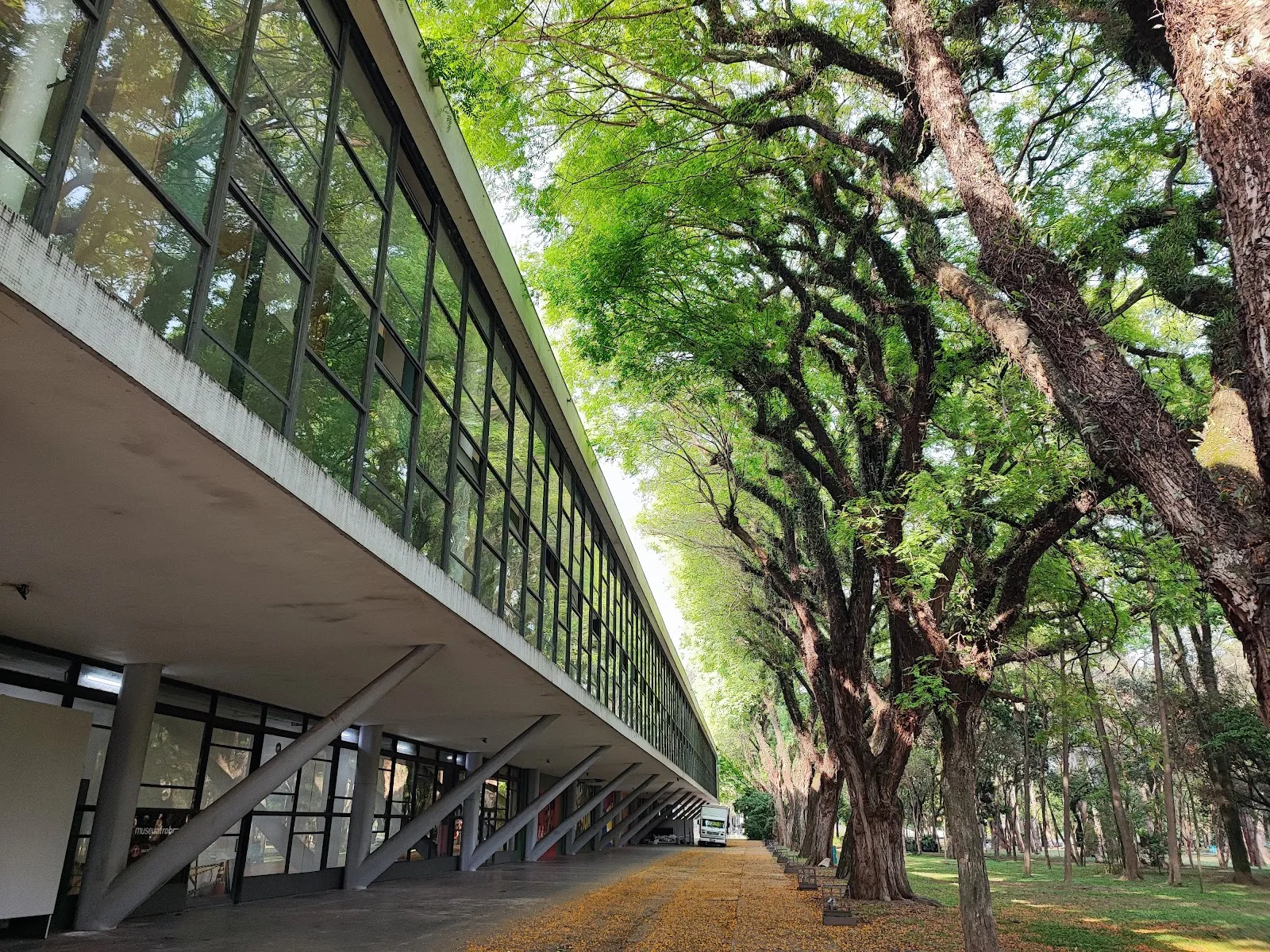
Inside Ibirapuera Park in São Paulo, Museu Afro Brasil explores the history, art and cultural influence of African and Afro-Brazilian people.

Inside Ibirapuera Park in São Paulo, Museu Afro Brasil explores the history, art and cultural influence of African and Afro-Brazilian people. Its collection spans paintings, sculptures, photographs, documents, religious objects and historical artifacts, with themes including slavery, work, faith and memory. The displays connect Brazil’s past with its present and include Carnival costumes, samba and contemporary art. Set in a building designed by Oscar Niemeyer, the museum makes a substantial cultural stop; allow time to move through its multiple floors and varied exhibitions.

A collection spanning history and art
Museu Afro Brasil
Museu Afro Brasil

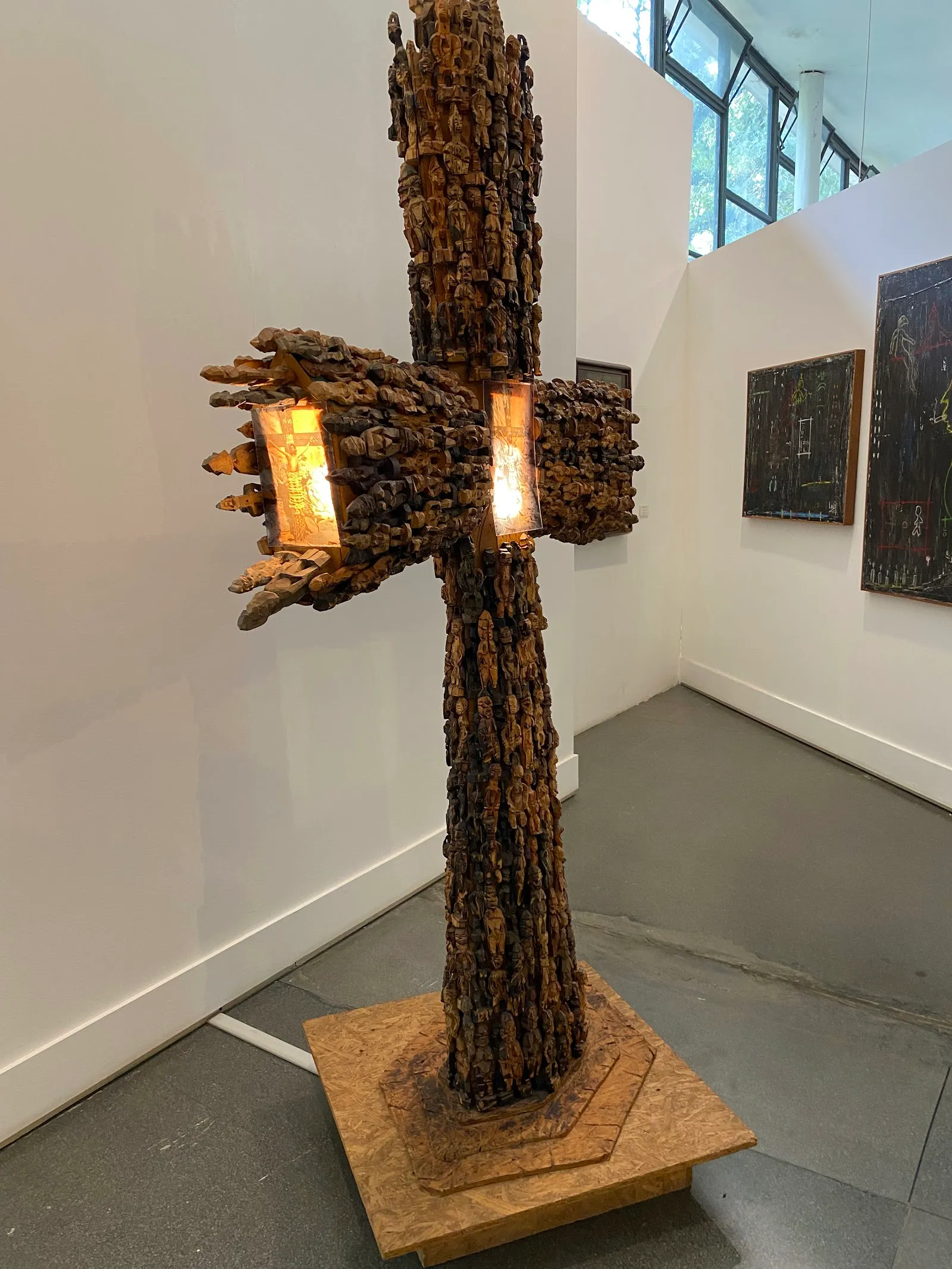
Museu Afro Brasil is in the Padre Manoel da Nóbrega Pavilion, inside Ibirapuera Park. Designed by Oscar Niemeyer, the building houses a collection of paintings, sculptures, prints, photographs, documents and ethnological objects. The works range from the eighteenth century to the present and include pieces by Brazilian and international artists.

The collection is organized around themes that include Africa, work and slavery, the sacred and the secular, Afro-Brazilian religions, history and memory, and art. Together, these subjects trace the experiences and cultural contributions of African and Afro-descendant people in Brazil. Religious objects, books and written records sit alongside artworks and historical material, giving the museum several ways into its subject.

What to look for in the exhibitions
Museu Afro Brasil
Museu Afro Brasil

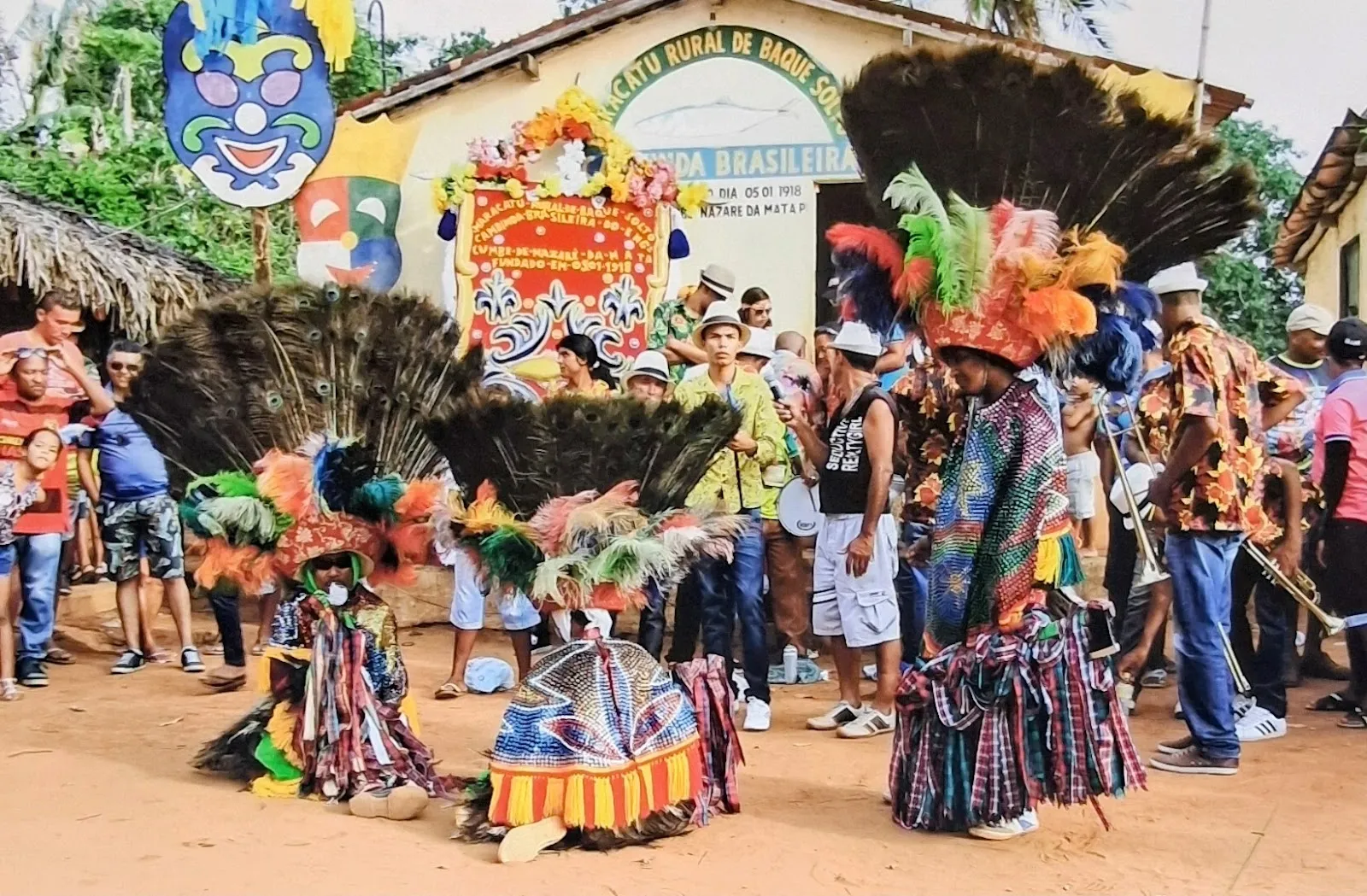
The displays cover both the history of the African diaspora in Brazil and its continuing influence on Brazilian culture. Material on slavery and labor provides historical context, while art, clothing and objects connect that history to religious practice, music and public celebrations. Carnival costumes and samba are among the subjects represented.

One notable group of works is Johann Moritz Rugendas’s engravings depicting the slave trade. The museum also presents photography and contemporary exhibitions, including work by Black artists. Exhibition arrangements can be difficult to follow in places, so leave time to explore rather than expecting a single, linear route through the displays.

Planning your visit

The museum is inside Ibirapuera Park, so you can pair it with time outdoors or a visit to another cultural institution in the park. Parking is available within the park, and public transport or Uber are alternatives for getting there.

If you want English-language guidance, download the audio tour before your visit and bring headphones. English audio is available to download rather than as an on-site tour. Admission is free on Wednesdays; check the museum’s website for current visitor information before setting out.

Preguntas frecuentes

Where is Museu Afro Brasil?

It is in the Padre Manoel da Nóbrega Pavilion inside Ibirapuera Park in São Paulo.

What can you see at Museu Afro Brasil?

The collection includes art, photographs, documents, religious objects and historical artifacts related to African and Afro-Brazilian history and culture.

Is admission free on any day?

Admission is free on Wednesdays.

Is there an English audio guide?

An English audio tour is available to download, but English tours are not available on site. Bring headphones.
Más lugares imprescindibles en São Paulo

Explorar todo