Planifier un voyage
Langue: Français
Planificateur de voyagePlanifiez votre voyage sur une carte

Destinations incontournables

EnglishDeutschFrançaisEspañolPortuguêsPortuguês (BR)Italiano
Avis aux voyageurs · BrésilSão Paulo se trouve dans ou près d'une zone où les gouvernements déconseillent tout voyage sauf essentiel : Favelas et habitats informels dans les grandes villes.Les conseils dépendent de votre passeport. Consultez ceux de votre propre gouvernement avant de réserver.Conseils officiels
Zones signalées
  • Ceilândia · éviter les voyages non essentiels · Italie, États-Unis
  • Favelas et habitats informels dans les grandes villes · éviter les voyages non essentiels · Espagne, Nouvelle-Zélande, États-Unis
  • Paranoá · éviter les voyages non essentiels · Italie, États-Unis
  • Santa Maria · éviter les voyages non essentiels · Italie, États-Unis
  • São Sebastião · éviter les voyages non essentiels · Italie, États-Unis
  • Zone frontalière avec le Venezuela · éviter les voyages non essentiels · Allemagne, France

Également signalé par un seul gouvernement : Bande de 160 km le long de toutes les frontières terrestres (États-Unis), Complexo da Maré (Canada), Complexo da Penha (Canada), Bande de 20 km le long de la frontière bolivienne (hors parc national du Pantanal) (Canada), Bande de 20 km le long de la frontière colombienne (Canada), Bande de 20 km le long de la frontière avec la Guyane française (Canada), Bande de 20 km le long de la frontière avec le Guyana (Canada), Bande de 20 km le long de la frontière paraguayenne (Canada), Bande de 20 km le long de la frontière péruvienne (Canada), Bande de 20 km le long de la frontière avec le Suriname (Canada), Bande de 50 km le long de la frontière vénézuélienne (Canada), Fleuve Amazone et ses affluents entre Codajás et Belém do Solimões (État d'Amazonas) (Royaume-Uni), Zones frontalières (non précisées) (France), Parc national de la Chapada Diamantina (Trilha do 21) (Espagne), Planaltina (Italie), Favelas de Rio de Janeiro (Allemagne), Samambaia (Italie)

GouvernementConseilsMis à jourLire les conseils
Royaume-Uni (FCDO)No advice against the whole country (regional advisories)–Lire les conseils
États-Unis (State Dept)Exercise increased caution (regional advisories)31 août 2026Lire les conseils
Canada (Affaires mondiales)Exercise a high degree of caution (regional advisories)–Lire les conseils
Allemagne (Auswärtiges Amt)No advice against the whole country (regional advisories)27 oct. 2026Lire les conseils
Nouvelle-Zélande (SafeTravel)Exercise increased caution due to high crime rates (regional advisories)–Lire les conseils
France (ministère de l'Europe et des Affaires étrangères)Vigilance renforcée (pays à risque) (regional advisories)–Lire les conseils

Vérifié quotidiennement d'après les conseils publiés par les gouvernements ; dernière vérification le 3 nov. 2026.RoamLedger résume les conseils officiels ; il ne s'agit pas de conseils émanant d'un gouvernement.

city during daytime
Monument emblématique

Copan

Edifício Copan is a landmark residential building at Avenida Ipiranga, 200, in central São Paulo.

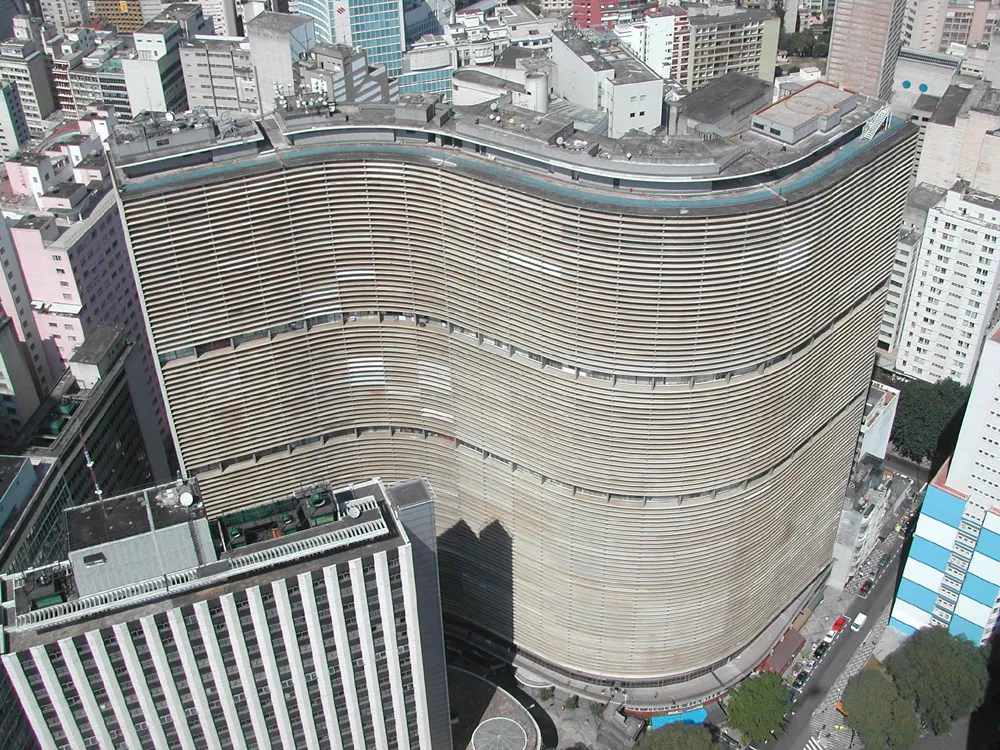
Edifício Copan is a landmark residential building at Avenida Ipiranga, 200, in central São Paulo. Oscar Niemeyer designed its sweeping, S-shaped façade, which stands apart from the straight-edged towers around it. The complex contains 1,160 apartments and a ground-floor commercial area with shops and places to eat, so a stop can combine architecture with a look at daily life in the city. Walk around the exterior to see how the curved façade changes with your viewpoint, then explore the public-facing businesses on the ground floor.

Niemeyer’s curved design
Copan
Copan

Oscar Niemeyer designed Copan in the 1950s, when São Paulo was growing rapidly and new construction was changing the city’s skyline. Instead of a conventional straight tower, he gave the building a sinuous, S-shaped façade. Its broad curves make it easy to pick out among the surrounding high-rises.

Construction began in 1957 and, after interruptions, the building was completed in 1966. The design was initially part of a larger plan that included a hotel, but the residential project was the one built. Copan became one of Brazil’s largest residential complexes, with 1,160 apartments.

A residential complex with a commercial ground floor
Copan
Copan

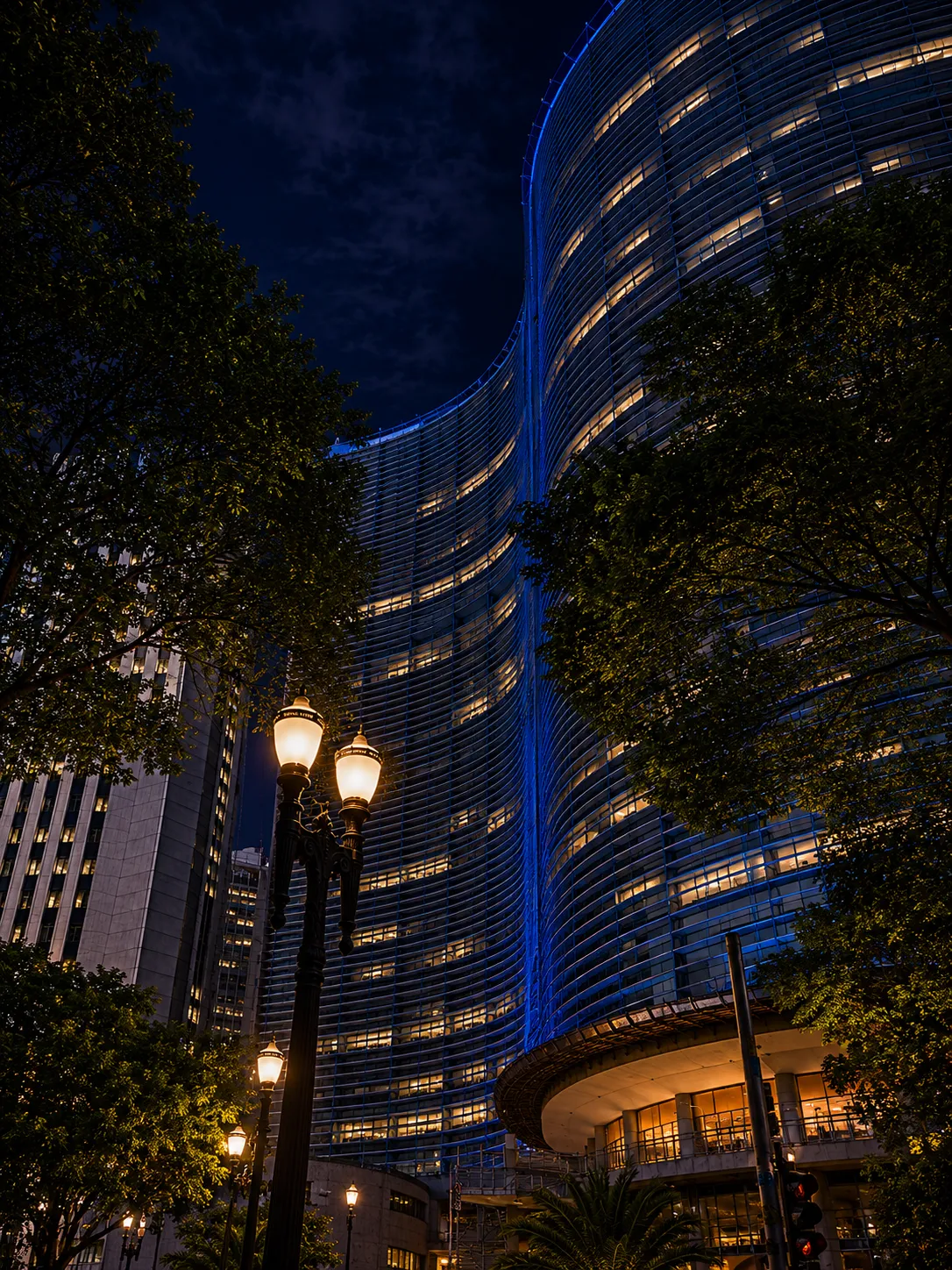
Copan is home to about 5,000 residents. Its ground-floor commercial area brings shops and places to eat into the same complex, giving the building a daily life beyond its architectural profile. The apartments are private, so visitors should not expect to tour the residential interior.

Visitor access to the building has been reported as subject to change, including temporary suspensions during renovation work. Check the building’s website before planning a visit. Even without entering the residential areas, you can see the curved exterior from the street and explore the businesses open to the public.

FAQ

Who designed Edifício Copan?

Brazilian architect Oscar Niemeyer designed the building in the 1950s.

Can you go inside Edifício Copan?

The apartments are private and are not open to visitors. Visitor access may change, so check the building’s website before going.

What is inside the Copan complex?

The complex has 1,160 apartments and a ground-floor commercial area with shops and places to eat.
Autres incontournables à São Paulo

Tout explorer