Reise planen
Sprache: Deutsch
ReiseplanerPlane deine Reise auf einer Karte

Top-Reiseziele

EnglishDeutschFrançaisEspañolPortuguêsPortuguês (BR)Italiano
Reisehinweis · BrasilienSão Paulo liegt in oder nahe einem Gebiet, für das Regierungen von allen außer unbedingt notwendigen Reisen abraten: Favelas und informelle Siedlungen.Die Empfehlung hängt von Ihrem Reisepass ab. Lesen Sie vor der Buchung die Hinweise Ihrer eigenen Regierung.Offizielle Hinweise
Gebiete mit Warnungen
  • Paranoá · alle Reisen vermeiden · Italien, USA
  • Santa Maria · alle Reisen vermeiden · Italien, USA
  • São Sebastião · alle Reisen vermeiden · Italien, USA
  • Ceilândia · nicht notwendige Reisen vermeiden · Italien, USA
  • Favelas und informelle Siedlungen · nicht notwendige Reisen vermeiden · Deutschland, Spanien, Neuseeland, USA
  • Grenzgebiet zu Venezuela · nicht notwendige Reisen vermeiden · Deutschland, Frankreich

Außerdem von einer Regierung genannt: 160-km-Streifen entlang der Landesgrenzen Brasiliens (USA), Complexo da Maré (Kanada), Complexo da Penha (Kanada), 20-km-Streifen entlang der Grenze zu Bolivien, ohne Nationalpark Pantanal (Kanada), 20-km-Streifen entlang der Grenze zu Kolumbien (Kanada), 20-km-Streifen entlang der Grenze zu Französisch-Guayana (Kanada), 20-km-Streifen entlang der Grenze zu Guyana (Kanada), 20-km-Streifen entlang der Grenze zu Paraguay (Kanada), 20-km-Streifen entlang der Grenze zu Peru (Kanada), 20-km-Streifen entlang der Grenze zu Suriname (Kanada), 50-km-Streifen entlang der Grenze zu Venezuela (Kanada), Amazonas und Nebenflüsse, Bundesstaat Amazonas (zwischen Codajás und Belém do Solimões) (Vereinigtes Königreich), Grenzzonen (Frankreich), Planaltina (Italien), Samambaia (Italien), Historisches Zentrum von São Paulo (Spanien)

RegierungHinweiseAktualisiertHinweise lesen
Vereinigtes Königreich (FCDO)No advice against the whole country (regional advisories)–Hinweise lesen
Vereinigte Staaten (State Dept)Exercise increased caution (regional advisories)31. Aug. 2026Hinweise lesen
Kanada (Global Affairs)Exercise a high degree of caution (regional advisories)–Hinweise lesen
Deutschland (Auswärtiges Amt)No advice against the whole country (regional advisories)27. Okt. 2026Hinweise lesen
Neuseeland (SafeTravel)Exercise increased caution due to high crime rates (regional advisories)–Hinweise lesen
Frankreich (Ministerium für Europa und Auswärtige Angelegenheiten)Vigilance renforcée (pays à risque) (regional advisories)–Hinweise lesen

Täglich anhand der veröffentlichten Hinweise der Regierungen geprüft; zuletzt geprüft am 3. Nov. 2026.RoamLedger fasst offizielle Hinweise zusammen; es handelt sich nicht um Empfehlungen einer Regierung.

city during daytime
Wahrzeichen

Copan

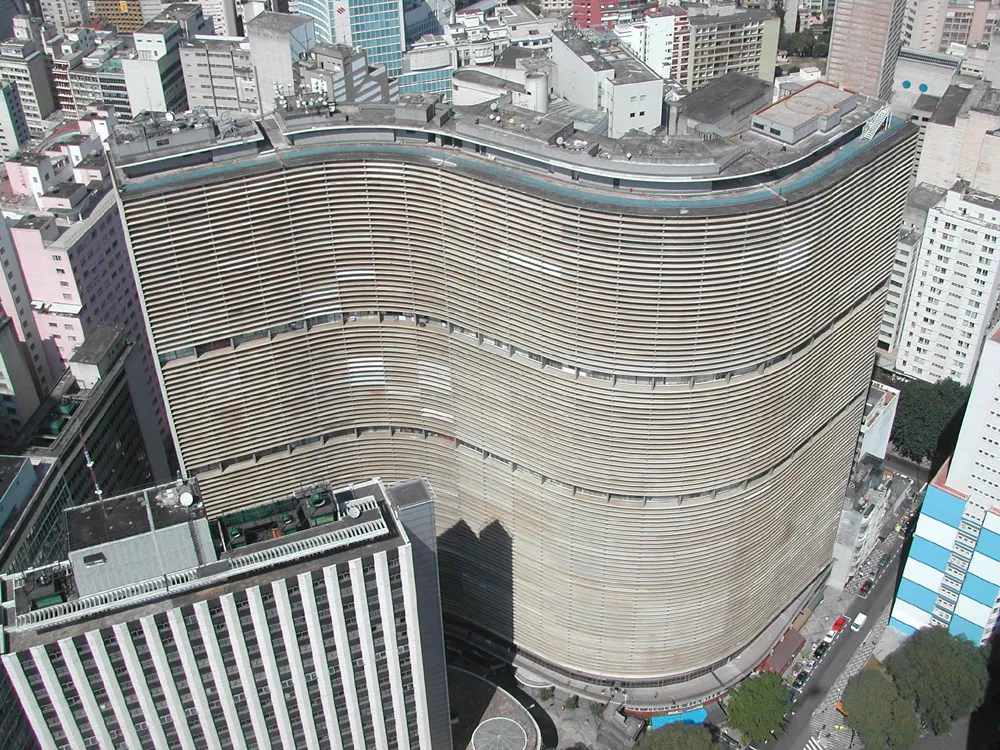
Edifício Copan is a landmark residential building at Avenida Ipiranga, 200, in central São Paulo.

Edifício Copan is a landmark residential building at Avenida Ipiranga, 200, in central São Paulo. Oscar Niemeyer designed its sweeping, S-shaped façade, which stands apart from the straight-edged towers around it. The complex contains 1,160 apartments and a ground-floor commercial area with shops and places to eat, so a stop can combine architecture with a look at daily life in the city. Walk around the exterior to see how the curved façade changes with your viewpoint, then explore the public-facing businesses on the ground floor.

Niemeyer’s curved design
Copan
Copan

Oscar Niemeyer designed Copan in the 1950s, when São Paulo was growing rapidly and new construction was changing the city’s skyline. Instead of a conventional straight tower, he gave the building a sinuous, S-shaped façade. Its broad curves make it easy to pick out among the surrounding high-rises.

Construction began in 1957 and, after interruptions, the building was completed in 1966. The design was initially part of a larger plan that included a hotel, but the residential project was the one built. Copan became one of Brazil’s largest residential complexes, with 1,160 apartments.

A residential complex with a commercial ground floor
Copan
Copan

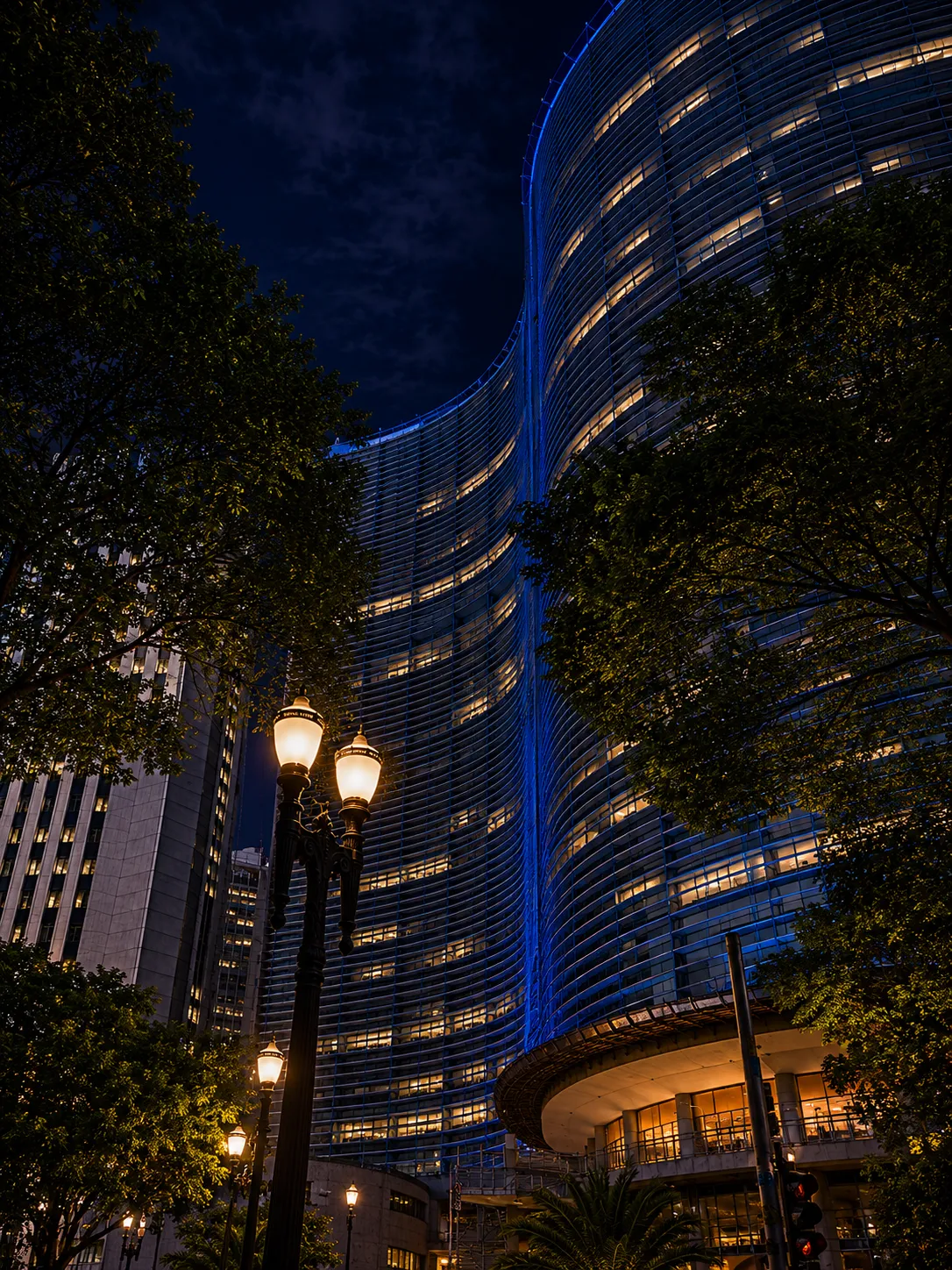
Copan is home to about 5,000 residents. Its ground-floor commercial area brings shops and places to eat into the same complex, giving the building a daily life beyond its architectural profile. The apartments are private, so visitors should not expect to tour the residential interior.

Visitor access to the building has been reported as subject to change, including temporary suspensions during renovation work. Check the building’s website before planning a visit. Even without entering the residential areas, you can see the curved exterior from the street and explore the businesses open to the public.

Häufige Fragen

Who designed Edifício Copan?

Brazilian architect Oscar Niemeyer designed the building in the 1950s.

Can you go inside Edifício Copan?

The apartments are private and are not open to visitors. Visitor access may change, so check the building’s website before going.

What is inside the Copan complex?

The complex has 1,160 apartments and a ground-floor commercial area with shops and places to eat.
Weitere Highlights in São Paulo

Alle entdecken