Planifier un voyage
Langue: Français
Planificateur de voyagePlanifiez votre voyage sur une carte

Destinations incontournables

EnglishDeutschFrançaisEspañolPortuguêsPortuguês (BR)Italiano
Avis aux voyageurs · BrésilCertains gouvernements déconseillent de se rendre dans certaines régions de Brésil.Les avertissements ne concernent que ces zones : Ceilândia, Favelas, Paranoá, Santa Maria, São Sebastião, Zone frontalière avec le Venezuela.Les conseils dépendent de votre passeport. Consultez ceux de votre propre gouvernement avant de réserver.Conseils officiels
Zones signalées
  • Ceilândia · éviter les voyages non essentiels · Italie, États-Unis
  • Favelas · éviter les voyages non essentiels · Allemagne, Espagne, Nouvelle-Zélande, États-Unis
  • Paranoá · éviter les voyages non essentiels · Italie, États-Unis
  • Santa Maria · éviter les voyages non essentiels · Italie, États-Unis
  • São Sebastião · éviter les voyages non essentiels · Italie, États-Unis
  • Zone frontalière avec le Venezuela · éviter les voyages non essentiels · Allemagne, France

Également signalé par un seul gouvernement : Bande de 160 km le long des frontières terrestres du Brésil (États-Unis), Complexo da Maré (Canada), Complexo da Penha (Canada), Bande de 20 km le long de la frontière bolivienne (hors parc national du Pantanal) (Canada), Bande de 20 km le long de la frontière colombienne (Canada), Bande de 20 km le long de la frontière avec la Guyane française (Canada), Bande de 20 km le long de la frontière avec le Guyana (Canada), Bande de 20 km le long de la frontière paraguayenne (Canada), Bande de 20 km le long de la frontière péruvienne (Canada), Bande de 20 km le long de la frontière avec le Suriname (Canada), Bande de 50 km le long de la frontière vénézuélienne (Canada), Rio Amazonas et affluents, État d'Amazonas (entre Codajás et Belém do Solimões) (Royaume-Uni), Zones frontalières (non précisées) (France), Parc national de Chapada Diamantina (Trilha do 21) (Espagne), Planaltina (Italie), Samambaia (Italie)

GouvernementConseilsMis à jourLire les conseils
Royaume-Uni (FCDO)No advice against the whole country (regional advisories)–Lire les conseils
États-Unis (State Dept)Exercise increased caution (regional advisories)31 août 2026Lire les conseils
Canada (Affaires mondiales)Exercise a high degree of caution (regional advisories)–Lire les conseils
Allemagne (Auswärtiges Amt)No advice against the whole country (regional advisories)27 oct. 2026Lire les conseils
Nouvelle-Zélande (SafeTravel)Exercise increased caution due to high crime rates (regional advisories)–Lire les conseils
France (ministère de l'Europe et des Affaires étrangères)Vigilance renforcée (pays à risque) (regional advisories)–Lire les conseils

Vérifié quotidiennement d'après les conseils publiés par les gouvernements ; dernière vérification le 2 nov. 2026.RoamLedger résume les conseils officiels ; il ne s'agit pas de conseils émanant d'un gouvernement.

Capela Dourada
Église

Capela Dourada

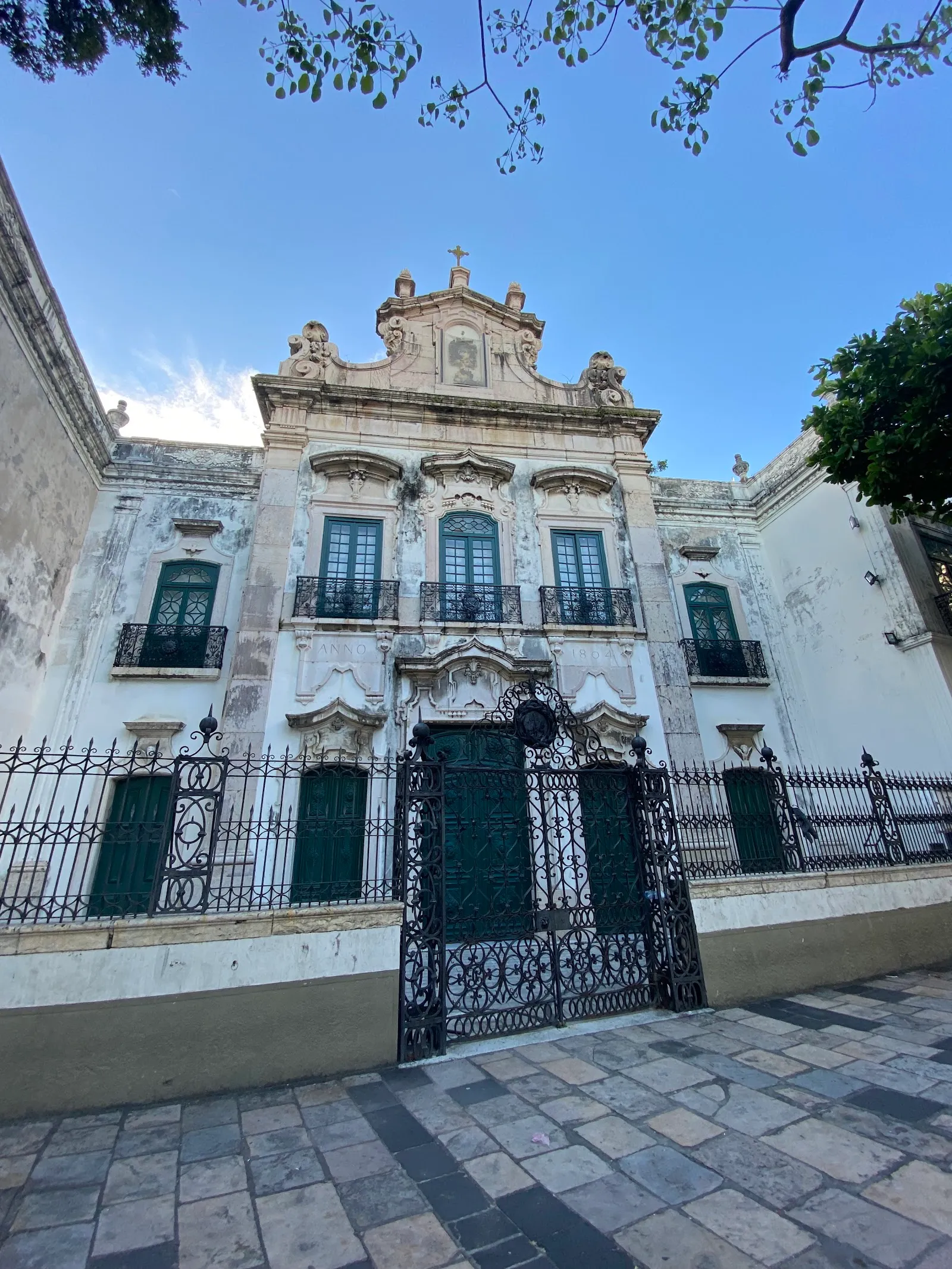
Capela Dourada, or the Golden Chapel, is a Baroque chapel in Recife’s Santo Antônio district, within the Franciscan complex of Santo Antônio.

Capela Dourada, or the Golden Chapel, is a Baroque chapel in Recife’s Santo Antônio district, within the Franciscan complex of Santo Antônio. Inside, gilded wood carvings, painted decoration and religious paintings fill the walls and altar. The chapel was built for members of the Third Order of St Francis, a lay Franciscan brotherhood, and its links to Recife’s colonial-era sugar trade give the artwork a local history. Lay Franciscans at the entrance can explain the chapel and its details.

A chapel for the Third Order
Capela Dourada
Capela Dourada

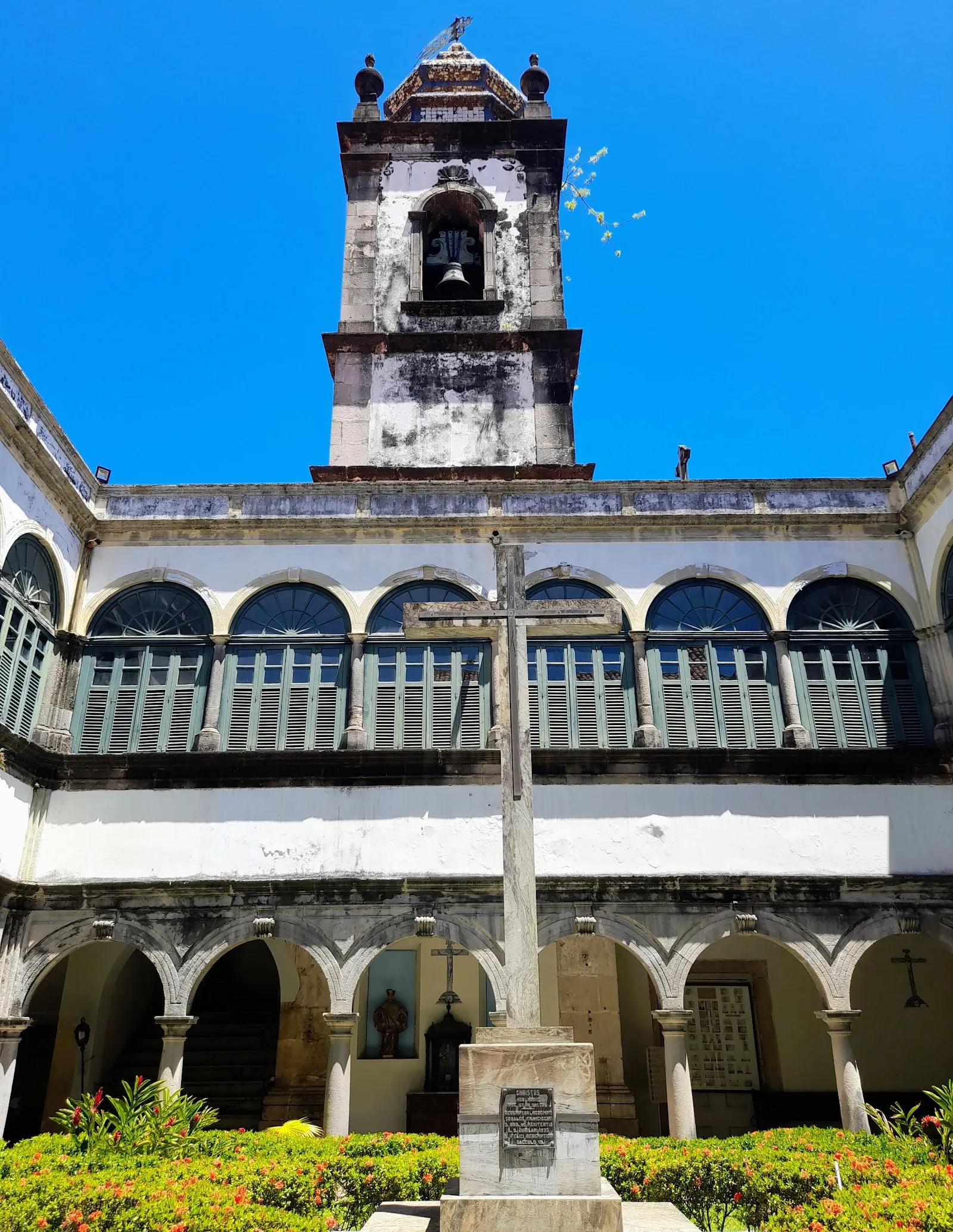
Capela Dourada is part of the Franciscan complex of Santo Antônio in Recife. It was built for the Venerable Third Order of St Francis, a lay brotherhood whose members included merchants involved in the region’s sugar trade. The chapel served as a gathering place for members and their guests.

Construction began in 1696 under the direction of master mason Antônio Fernandes de Matos. The chapel opened for worship on 15 September 1697, after funds were raised through donations from the brotherhood’s members.

Gilded woodwork and paintings
Capela Dourada
Capela Dourada

The interior is known for its Baroque decoration, including gold-covered carvings and painted religious scenes. The two-storey altar is made from jacaranda and cedar, gilded with gold. A golden cross sits at its centre, with rays in gold and silver behind Christ’s head.

Take time to look across the walls and altar for the carved details and paintings. Lay Franciscans at the entrance can explain the chapel’s history and artwork.

Finding the entrance

The chapel is in the Santo Antônio district, at the Franciscan complex on Rua do Imperador Pedro II. Its direct entrance is a small, unmarked door between two churches. You can also see the interior from inside the church through a fence, without entering the chapel itself.

FAQ

Where is Capela Dourada?

It is in the Santo Antônio district of Recife, within the Franciscan complex of Santo Antônio on Rua do Imperador Pedro II.

What should I look for inside Capela Dourada?

Look for the gilded wood carvings, religious paintings and the two-storey altar made from jacaranda and cedar.

Can you see Capela Dourada for free?

You can view the chapel from inside the church through a fence for free. Direct entry is through a small, unmarked door between two churches.

How much does it cost to enter Capela Dourada?

One visitor reported paying 15 reais. Check locally for the current price.
Autres incontournables à Recife

Tout explorer