Planifier un voyage
Langue: Français
Planificateur de voyagePlanifiez votre voyage sur une carte

Destinations incontournables

EnglishDeutschFrançaisEspañolPortuguêsPortuguês (BR)Italiano
Avis aux voyageurs · BrésilCertains gouvernements déconseillent de se rendre dans certaines régions de Brésil.Les avertissements ne concernent que ces zones : Ceilândia, Favelas, Paranoá, Santa Maria, São Sebastião, Zone frontalière avec le Venezuela.Les conseils dépendent de votre passeport. Consultez ceux de votre propre gouvernement avant de réserver.Conseils officiels
Zones signalées
  • Ceilândia · éviter les voyages non essentiels · Italie, États-Unis
  • Favelas · éviter les voyages non essentiels · Allemagne, Espagne, Nouvelle-Zélande, États-Unis
  • Paranoá · éviter les voyages non essentiels · Italie, États-Unis
  • Santa Maria · éviter les voyages non essentiels · Italie, États-Unis
  • São Sebastião · éviter les voyages non essentiels · Italie, États-Unis
  • Zone frontalière avec le Venezuela · éviter les voyages non essentiels · Allemagne, France

Également signalé par un seul gouvernement : Bande de 160 km le long des frontières terrestres du Brésil (États-Unis), Complexo da Maré (Canada), Complexo da Penha (Canada), Bande de 20 km le long de la frontière bolivienne (hors parc national du Pantanal) (Canada), Bande de 20 km le long de la frontière colombienne (Canada), Bande de 20 km le long de la frontière avec la Guyane française (Canada), Bande de 20 km le long de la frontière avec le Guyana (Canada), Bande de 20 km le long de la frontière paraguayenne (Canada), Bande de 20 km le long de la frontière péruvienne (Canada), Bande de 20 km le long de la frontière avec le Suriname (Canada), Bande de 50 km le long de la frontière vénézuélienne (Canada), Rio Amazonas et affluents, État d'Amazonas (entre Codajás et Belém do Solimões) (Royaume-Uni), Zones frontalières (non précisées) (France), Parc national de Chapada Diamantina (Trilha do 21) (Espagne), Planaltina (Italie), Samambaia (Italie)

GouvernementConseilsMis à jourLire les conseils
Royaume-Uni (FCDO)No advice against the whole country (regional advisories)–Lire les conseils
États-Unis (State Dept)Exercise increased caution (regional advisories)31 août 2026Lire les conseils
Canada (Affaires mondiales)Exercise a high degree of caution (regional advisories)–Lire les conseils
Allemagne (Auswärtiges Amt)No advice against the whole country (regional advisories)27 oct. 2026Lire les conseils
Nouvelle-Zélande (SafeTravel)Exercise increased caution due to high crime rates (regional advisories)–Lire les conseils
France (ministère de l'Europe et des Affaires étrangères)Vigilance renforcée (pays à risque) (regional advisories)–Lire les conseils

Vérifié quotidiennement d'après les conseils publiés par les gouvernements ; dernière vérification le 2 nov. 2026.RoamLedger résume les conseils officiels ; il ne s'agit pas de conseils émanant d'un gouvernement.

Instituto Ricardo Brennand
Musée

Instituto Ricardo Brennand

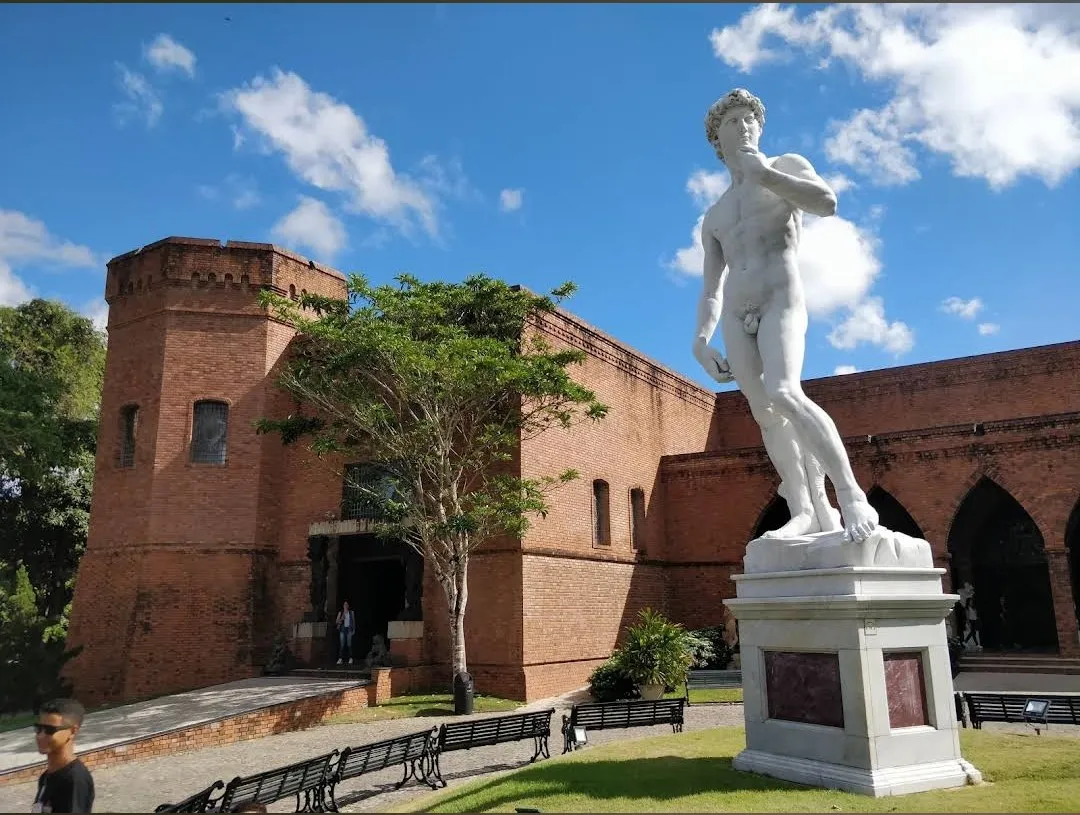
In Recife’s Várzea district, the Instituto Ricardo Brennand brings together a museum, art gallery, library and landscaped grounds in castle-like buildings.

In Recife’s Várzea district, the Instituto Ricardo Brennand brings together a museum, art gallery, library and landscaped grounds in castle-like buildings. The collection ranges from paintings, maps and manuscripts to sculptures, historical objects and an extensive display of arms and armour. Look for works connected with Dutch rule in northeastern Brazil, including paintings by Frans Post, then take time to walk through the gardens, where capybaras and monkeys may be seen. The site has a restaurant and is wheelchair accessible at its entrance and restrooms.

A collection across buildings and eras
Instituto Ricardo Brennand

Opened in 2002, the institute was created by collector Ricardo Brennand to house objects he had gathered. Its main components are the Castle, the Pinacoteca and the Library, arranged across two Gothic-style buildings. The collections cover several centuries and include works and objects from Europe, Africa, Asia and the Americas, with a strong focus on colonial Portuguese and Dutch Brazil.

Paintings sit alongside maps, manuscripts, books and coins. The institute’s collection also includes sculptures and historical objects, so a visit moves between fine art and material connected with everyday and military history. The range reaches from the early Middle Ages into the 20th century.

Dutch-period Recife in the Pinacoteca
Instituto Ricardo Brennand

The Dutch period in northeastern Brazil is a central thread in the collection. Seventeenth-century paintings, documents and maps help place Recife and the surrounding region in that era. Among the notable works are 17 canvases by Frans Post, including a painting of Fort Frederick Hendrik, now known as Fort das Cinco Pontas, dated 1630.

The institute also holds large Dutch tapestries and a display on the history of the Dutch in Brazil. One exhibition examines colonial maps of the region and the goods that were imported and exported. These works give visitors several ways to approach the period, from painted scenes to records of trade and geography.

Arms, architecture and the grounds

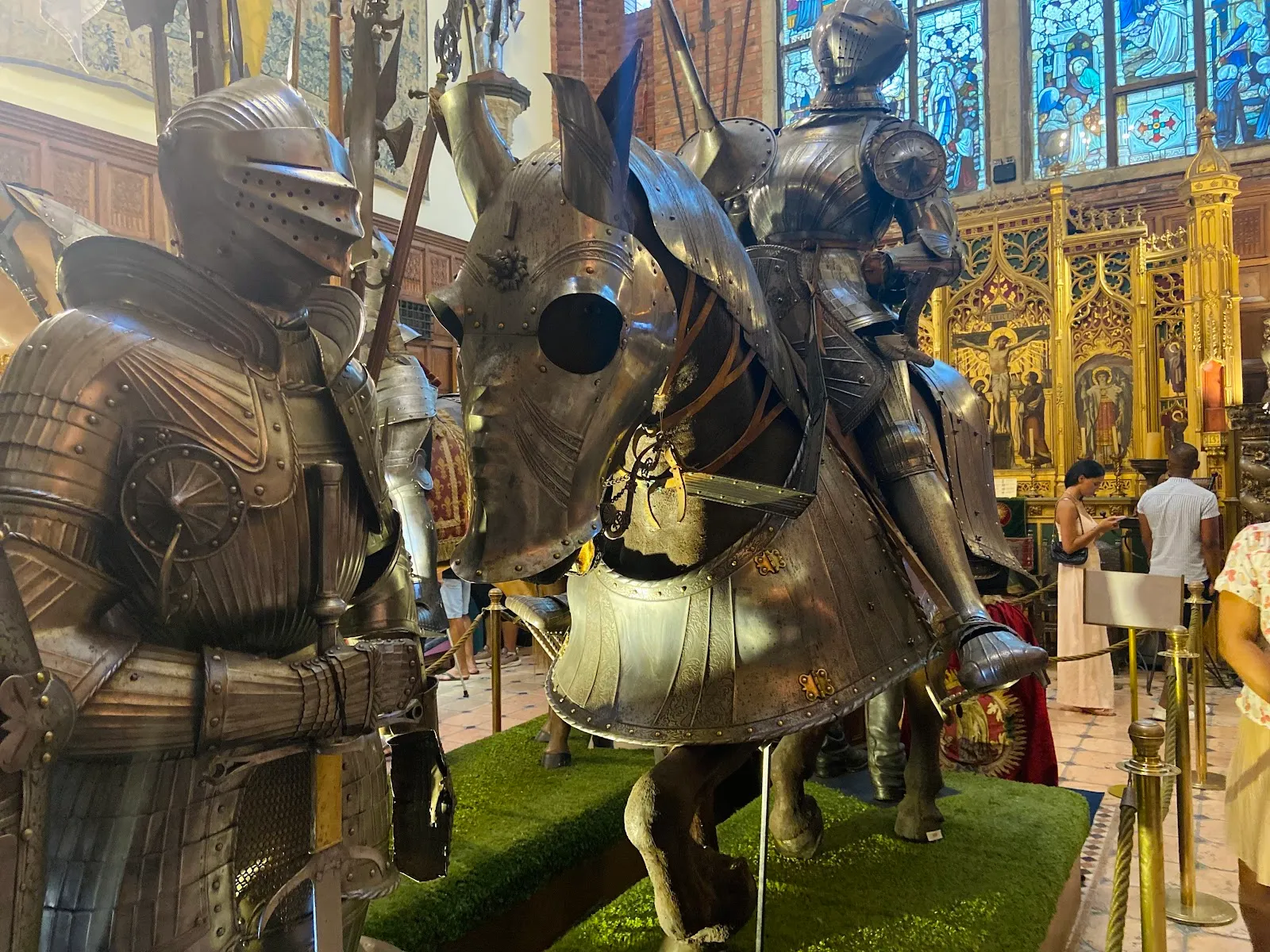
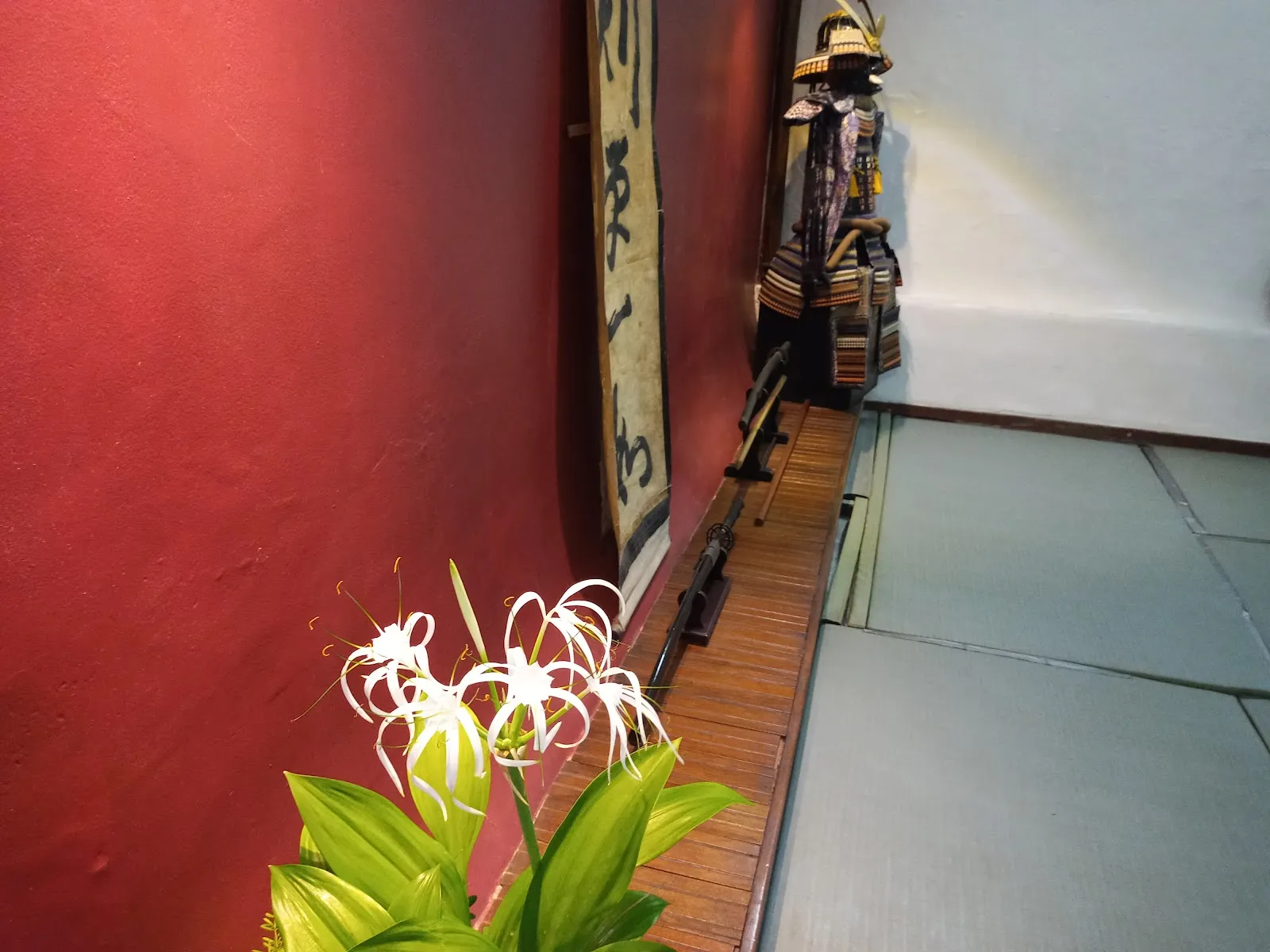
The arms and armour collection is one of the institute’s defining displays. It includes weapons from different parts of the world and suits of medieval armour. The castle-like architecture gives these objects a distinctive setting, while the galleries also contain European paintings, Brazilian art and carved objects from Asia.

Outside, sculptures stand among manicured gardens and extensive parkland. Capybaras and monkeys are found on the grounds, adding a chance to see local wildlife during a museum visit. The complex also includes a chapel and a restaurant. The site is in Várzea, away from Recife’s central districts, so plan for the journey there and back as part of a visit that can take several hours.

FAQ

How long should I allow for Instituto Ricardo Brennand?

Plan on about 2 to 5 hours to explore the buildings and grounds.

What can you see at the institute?

The collections include arms and armour, paintings, sculptures, maps, manuscripts and objects connected with Dutch-period Brazil. The grounds also have a chapel, gardens and outdoor sculptures.

Can you see wildlife there?

Capybaras and monkeys may be seen on the grounds.

Is Instituto Ricardo Brennand wheelchair accessible?

The entrance, restrooms and parking are listed as wheelchair accessible.
Autres incontournables à Recife

Tout explorer