Planifier un voyage
Langue: Français
Planificateur de voyagePlanifiez votre voyage sur une carte

Destinations incontournables

EnglishDeutschFrançaisEspañolPortuguêsPortuguês (BR)Italiano
Avis aux voyageurs · BrésilCertains gouvernements déconseillent de se rendre dans certaines régions de Brésil.Les avertissements ne concernent que ces zones : Ceilândia, Favelas, Paranoá, Santa Maria, São Sebastião, Zone frontalière avec le Venezuela.Les conseils dépendent de votre passeport. Consultez ceux de votre propre gouvernement avant de réserver.Conseils officiels
Zones signalées
  • Ceilândia · éviter les voyages non essentiels · Italie, États-Unis
  • Favelas · éviter les voyages non essentiels · Allemagne, Espagne, Nouvelle-Zélande, États-Unis
  • Paranoá · éviter les voyages non essentiels · Italie, États-Unis
  • Santa Maria · éviter les voyages non essentiels · Italie, États-Unis
  • São Sebastião · éviter les voyages non essentiels · Italie, États-Unis
  • Zone frontalière avec le Venezuela · éviter les voyages non essentiels · Allemagne, France

Également signalé par un seul gouvernement : Bande de 160 km le long des frontières terrestres du Brésil (États-Unis), Complexo da Maré (Canada), Complexo da Penha (Canada), Bande de 20 km le long de la frontière bolivienne (hors parc national du Pantanal) (Canada), Bande de 20 km le long de la frontière colombienne (Canada), Bande de 20 km le long de la frontière avec la Guyane française (Canada), Bande de 20 km le long de la frontière avec le Guyana (Canada), Bande de 20 km le long de la frontière paraguayenne (Canada), Bande de 20 km le long de la frontière péruvienne (Canada), Bande de 20 km le long de la frontière avec le Suriname (Canada), Bande de 50 km le long de la frontière vénézuélienne (Canada), Rio Amazonas et affluents, État d'Amazonas (entre Codajás et Belém do Solimões) (Royaume-Uni), Zones frontalières (non précisées) (France), Parc national de Chapada Diamantina (Trilha do 21) (Espagne), Planaltina (Italie), Samambaia (Italie)

GouvernementConseilsMis à jourLire les conseils
Royaume-Uni (FCDO)No advice against the whole country (regional advisories)–Lire les conseils
États-Unis (State Dept)Exercise increased caution (regional advisories)31 août 2026Lire les conseils
Canada (Affaires mondiales)Exercise a high degree of caution (regional advisories)–Lire les conseils
Allemagne (Auswärtiges Amt)No advice against the whole country (regional advisories)27 oct. 2026Lire les conseils
Nouvelle-Zélande (SafeTravel)Exercise increased caution due to high crime rates (regional advisories)–Lire les conseils
France (ministère de l'Europe et des Affaires étrangères)Vigilance renforcée (pays à risque) (regional advisories)–Lire les conseils

Vérifié quotidiennement d'après les conseils publiés par les gouvernements ; dernière vérification le 2 nov. 2026.RoamLedger résume les conseils officiels ; il ne s'agit pas de conseils émanant d'un gouvernement.

a statue on a building
Théâtre

São Pedro Theatre

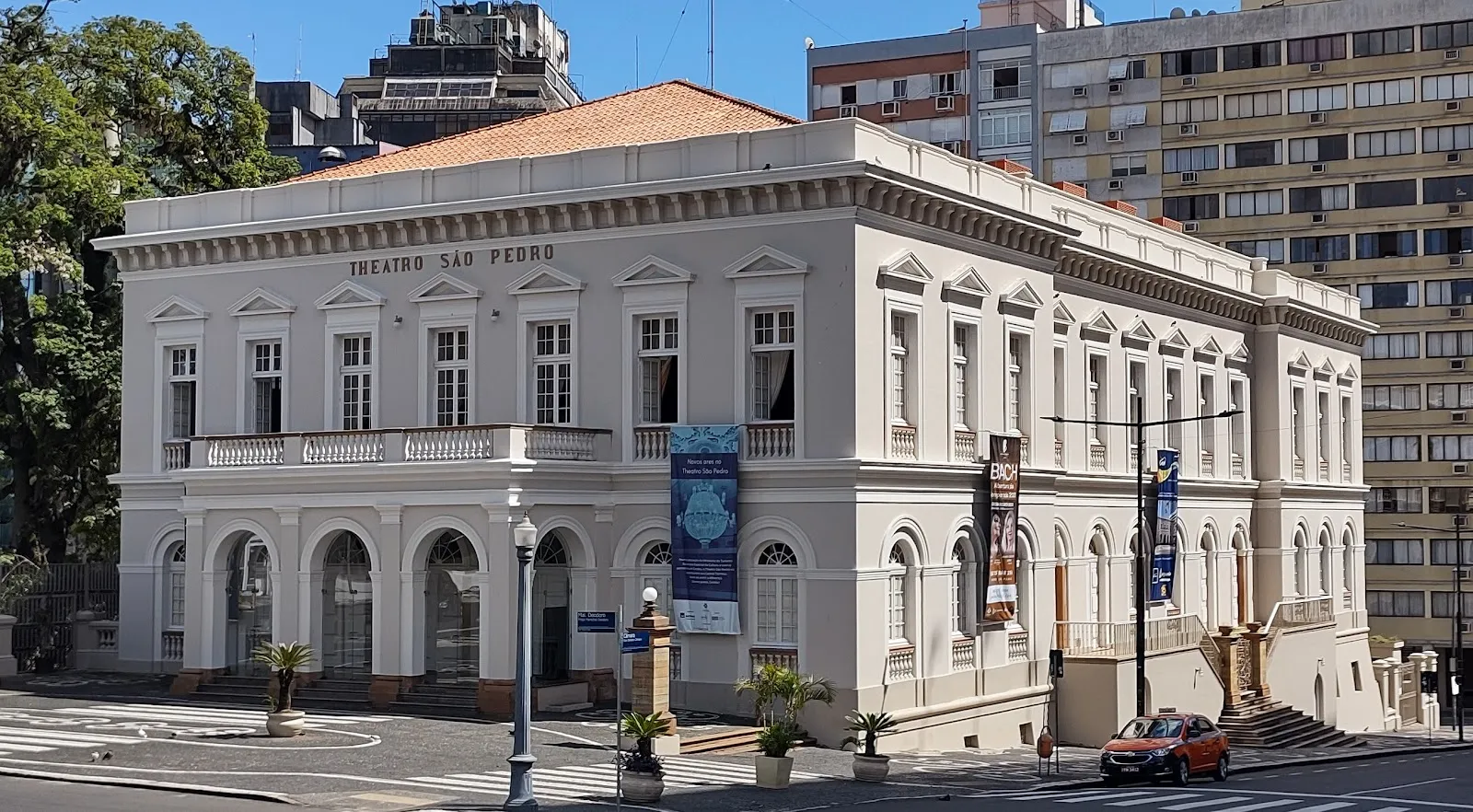
São Pedro Theatre is a historic performance venue on Praça Marechal Deodoro in Porto Alegre’s Centro Histórico.

São Pedro Theatre is a historic performance venue on Praça Marechal Deodoro in Porto Alegre’s Centro Histórico. Open since 1858, it is the city’s oldest theatre and a place to see regional productions, concerts, opera and drama. Inside, the high ceiling and three galleries frame a horseshoe-shaped seating area, with comfortable seats and clear acoustics. Its compact scale keeps the stage close from seats around the auditorium. Check the programme for performances during festivals such as Porto Alegre em Cena and Porto Verão Alegre.

A theatre opened in 1858
São Pedro Theatre
São Pedro Theatre

São Pedro Theatre opened in 1858 and is the oldest theatre in Porto Alegre. Its construction began after land was donated in 1833 by Manoel Antônio Galvão, then president of the province. Work started the following year, then stopped for ten years during the Farrapen Revolution. Construction resumed in 1850 after new sponsors were found.

The theatre became an artistic, social and political meeting place. Today, it remains a venue for performances and a significant historic building in the city centre.

Inside the auditorium
São Pedro Theatre
São Pedro Theatre

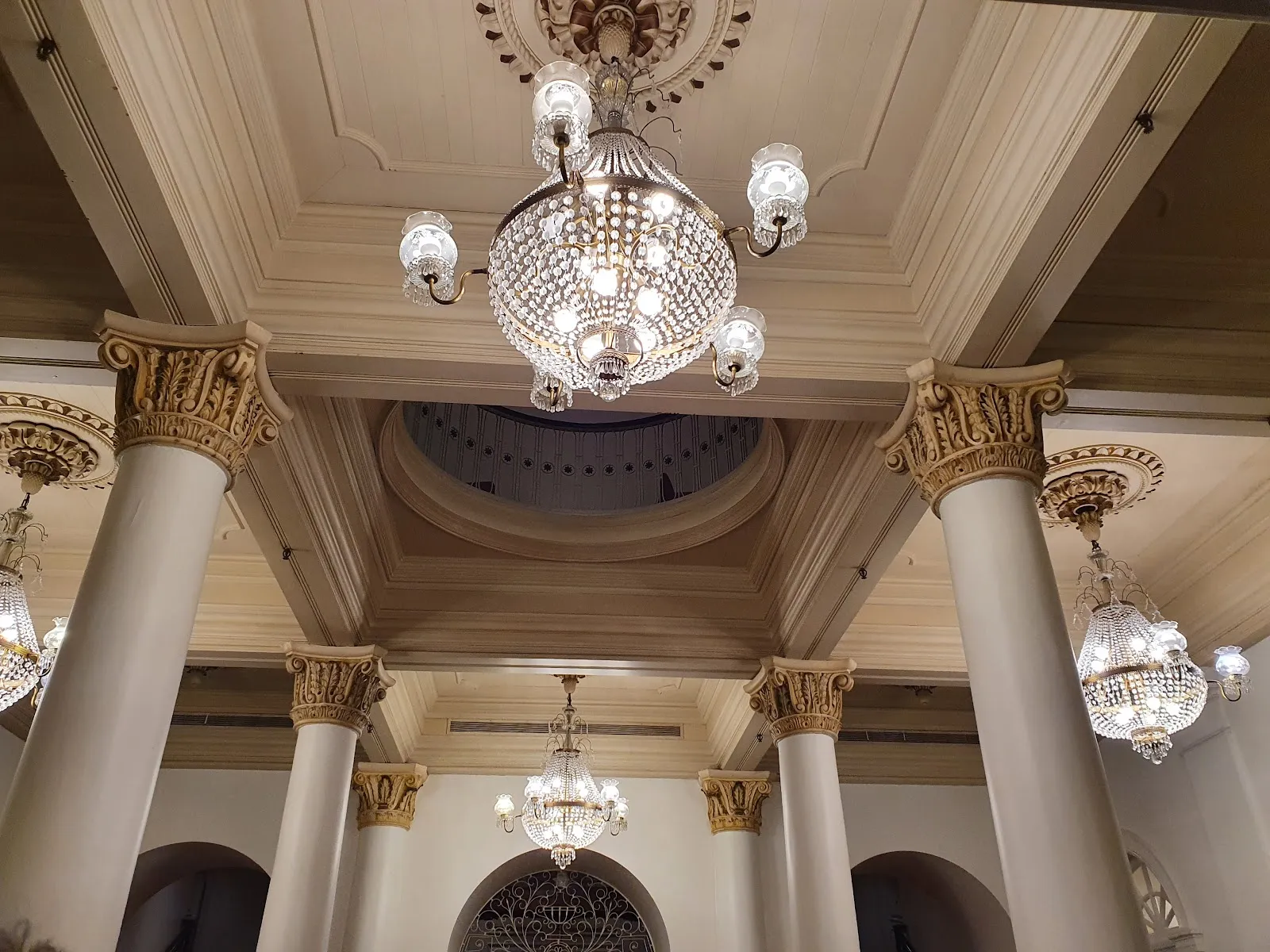
The interior has a high ceiling and three galleries that run around the auditorium. Seating is arranged in a horseshoe shape. The theatre is relatively small, so seats throughout the room are close to the stage. Comfortable seating and clear acoustics suit spoken drama as well as music.

Take time before the show to look at the interior details and the galleries. The venue is also accessible by wheelchair, with an accessible entrance, elevator and restroom.

Choosing a performance

The programme includes theatre, dance and music, as well as opera, drama and concerts. Check the official schedule to see what is on during your visit. Porto Alegre em Cena and Porto Verão Alegre are two festivals that bring a range of performances to the theatre.

The theatre is on Praça Marechal Deodoro, in the Centro Histórico. If you are exploring the area on foot, it is one of the historic buildings included on walking tours of central Porto Alegre. The foyer also has a café overlooking the square.

FAQ

When did São Pedro Theatre open?

It opened in 1858 and is Porto Alegre’s oldest theatre.

What can you see at São Pedro Theatre?

The programme includes theatre, dance, opera, drama and concerts. Check the official schedule for current performances.

Is São Pedro Theatre wheelchair accessible?

Yes. The venue has a wheelchair-accessible entrance, elevator and restroom.

Autres incontournables à Porto Alegre

Tout explorer