Planifier un voyage
Langue: Français
Planificateur de voyagePlanifiez votre voyage sur une carte

Destinations incontournables

EnglishDeutschFrançaisEspañolPortuguêsPortuguês (BR)Italiano
Avis aux voyageurs · BrésilCertains gouvernements déconseillent de se rendre dans certaines régions de Brésil.Les avertissements ne concernent que ces zones : Ceilândia, Favelas, Paranoá, Santa Maria, São Sebastião, Zone frontalière avec le Venezuela.Les conseils dépendent de votre passeport. Consultez ceux de votre propre gouvernement avant de réserver.Conseils officiels
Zones signalées
  • Ceilândia · éviter les voyages non essentiels · Italie, États-Unis
  • Favelas · éviter les voyages non essentiels · Allemagne, Espagne, Nouvelle-Zélande, États-Unis
  • Paranoá · éviter les voyages non essentiels · Italie, États-Unis
  • Santa Maria · éviter les voyages non essentiels · Italie, États-Unis
  • São Sebastião · éviter les voyages non essentiels · Italie, États-Unis
  • Zone frontalière avec le Venezuela · éviter les voyages non essentiels · Allemagne, France

Également signalé par un seul gouvernement : Bande de 160 km le long des frontières terrestres du Brésil (États-Unis), Complexo da Maré (Canada), Complexo da Penha (Canada), Bande de 20 km le long de la frontière bolivienne (hors parc national du Pantanal) (Canada), Bande de 20 km le long de la frontière colombienne (Canada), Bande de 20 km le long de la frontière avec la Guyane française (Canada), Bande de 20 km le long de la frontière avec le Guyana (Canada), Bande de 20 km le long de la frontière paraguayenne (Canada), Bande de 20 km le long de la frontière péruvienne (Canada), Bande de 20 km le long de la frontière avec le Suriname (Canada), Bande de 50 km le long de la frontière vénézuélienne (Canada), Rio Amazonas et affluents, État d'Amazonas (entre Codajás et Belém do Solimões) (Royaume-Uni), Zones frontalières (non précisées) (France), Parc national de Chapada Diamantina (Trilha do 21) (Espagne), Planaltina (Italie), Samambaia (Italie)

GouvernementConseilsMis à jourLire les conseils
Royaume-Uni (FCDO)No advice against the whole country (regional advisories)–Lire les conseils
États-Unis (State Dept)Exercise increased caution (regional advisories)31 août 2026Lire les conseils
Canada (Affaires mondiales)Exercise a high degree of caution (regional advisories)–Lire les conseils
Allemagne (Auswärtiges Amt)No advice against the whole country (regional advisories)27 oct. 2026Lire les conseils
Nouvelle-Zélande (SafeTravel)Exercise increased caution due to high crime rates (regional advisories)–Lire les conseils
France (ministère de l'Europe et des Affaires étrangères)Vigilance renforcée (pays à risque) (regional advisories)–Lire les conseils

Vérifié quotidiennement d'après les conseils publiés par les gouvernements ; dernière vérification le 2 nov. 2026.RoamLedger résume les conseils officiels ; il ne s'agit pas de conseils émanant d'un gouvernement.

a statue on a building
Musée

Rio Grande do Sul Museum of Art

The Rio Grande do Sul Museum of Art, known as MARGS, faces Praça da Alfândega in Porto Alegre’s historic centre.

The Rio Grande do Sul Museum of Art, known as MARGS, faces Praça da Alfândega in Porto Alegre’s historic centre. Its collection brings together regional and Brazilian art, with exhibitions ranging from traditional works to modern and contemporary pieces. The museum occupies an eclectic historic building designed by German architect Theo Wiederspahn; inside, permanent and temporary displays spread across two floors. Check what is showing before you go, since the exhibitions change, and look out for events focused on Indigenous culture.

A museum in a historic building
Rio Grande do Sul Museum of Art

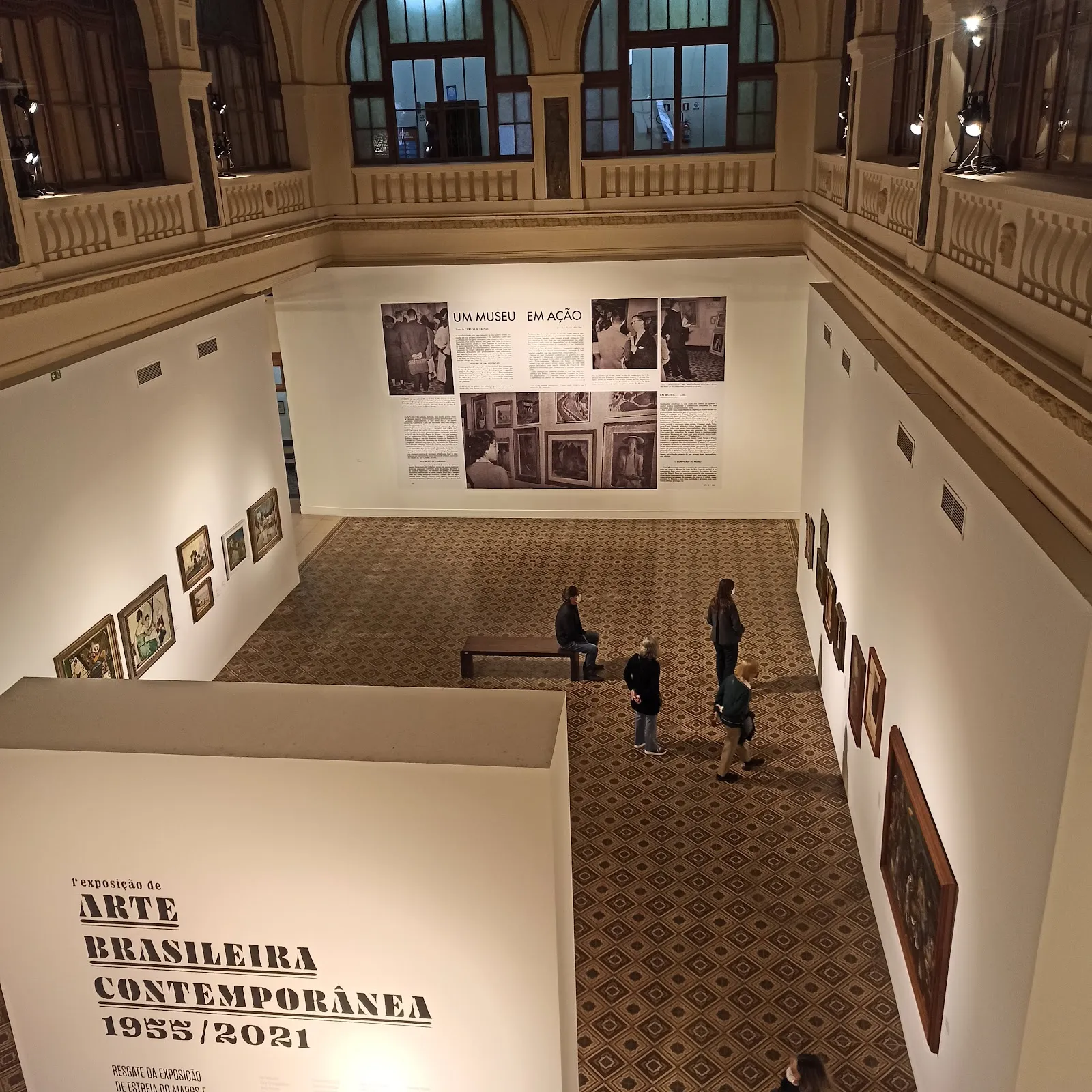
MARGS stands on Praça da Alfândega in Porto Alegre’s historic centre. The building was designed by German architect Theo Wiederspahn in an eclectic style and originally housed the Fiscal Surveillance Agency of the Federal Revenue Office. Its historic appearance sets it apart from the modern buildings around it.

The museum was established in 1954 and moved to its present building in the late 1970s. It has since become a principal venue for regional artists and a major public art collection in Rio Grande do Sul.

Art across two floors
Rio Grande do Sul Museum of Art

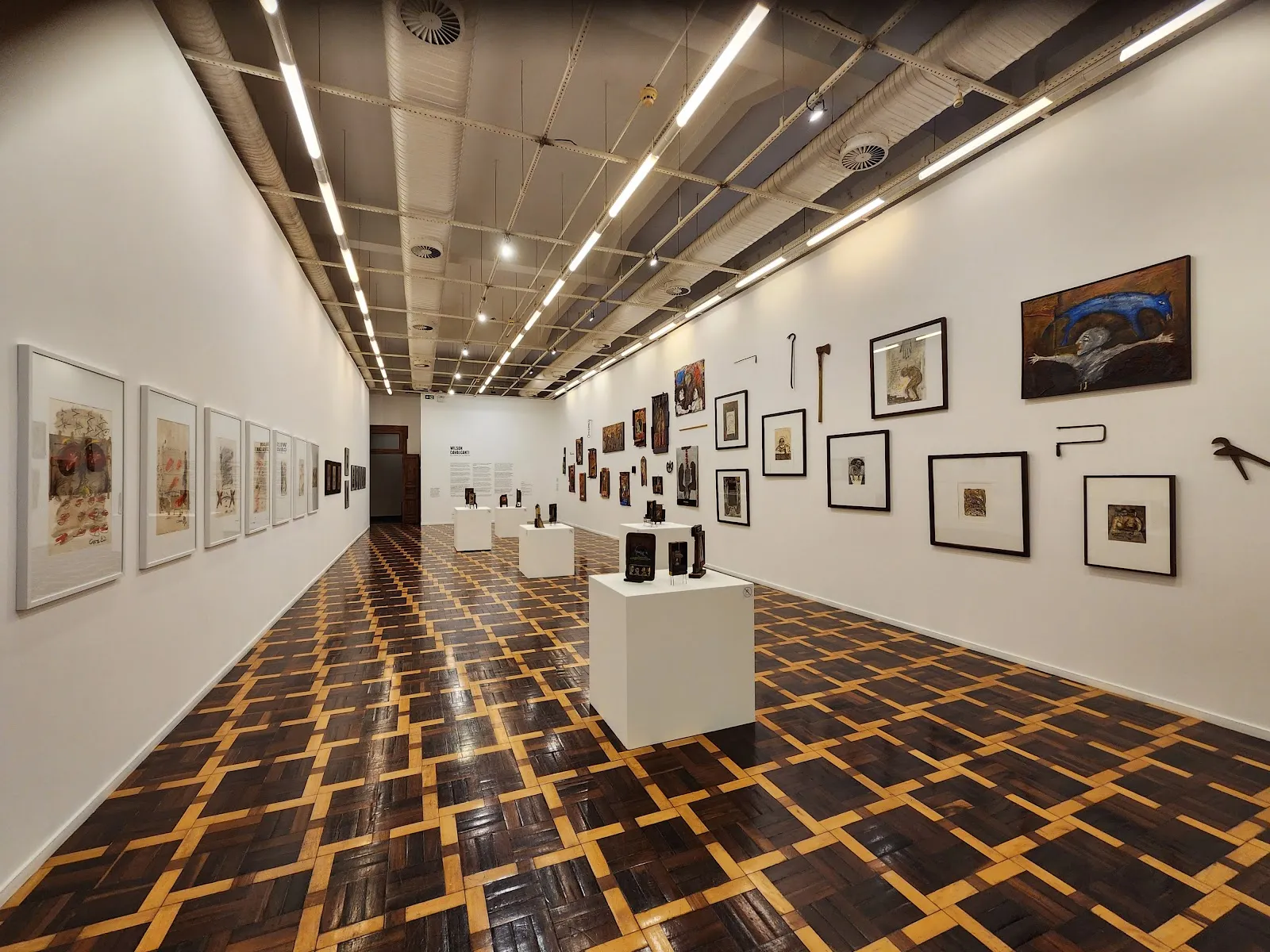
Permanent and temporary exhibitions occupy two floors. The collection focuses on regional and Brazilian art, and displays can range from traditional works to modern, contemporary and abstract pieces. Because exhibitions change, the art on view depends on when you visit. Check the museum’s current programme if you have a particular interest or want to see an event connected with Indigenous culture.

MARGS suits visitors who want to explore local art as part of a walk through the historic centre. If you would like more background on the works or the building, consider a guided tour. Praça da Alfândega is directly outside, with other historic buildings nearby.

FAQ

Where is the Rio Grande do Sul Museum of Art?

MARGS is at Praça da Alfândega in Porto Alegre’s historic centre.

Is the Rio Grande do Sul Museum of Art closed on any day?

Yes. The museum is closed on Mondays.

Is the museum wheelchair accessible?

The museum has a wheelchair-accessible entrance, elevator and restroom.

Autres incontournables à Porto Alegre

Tout explorer