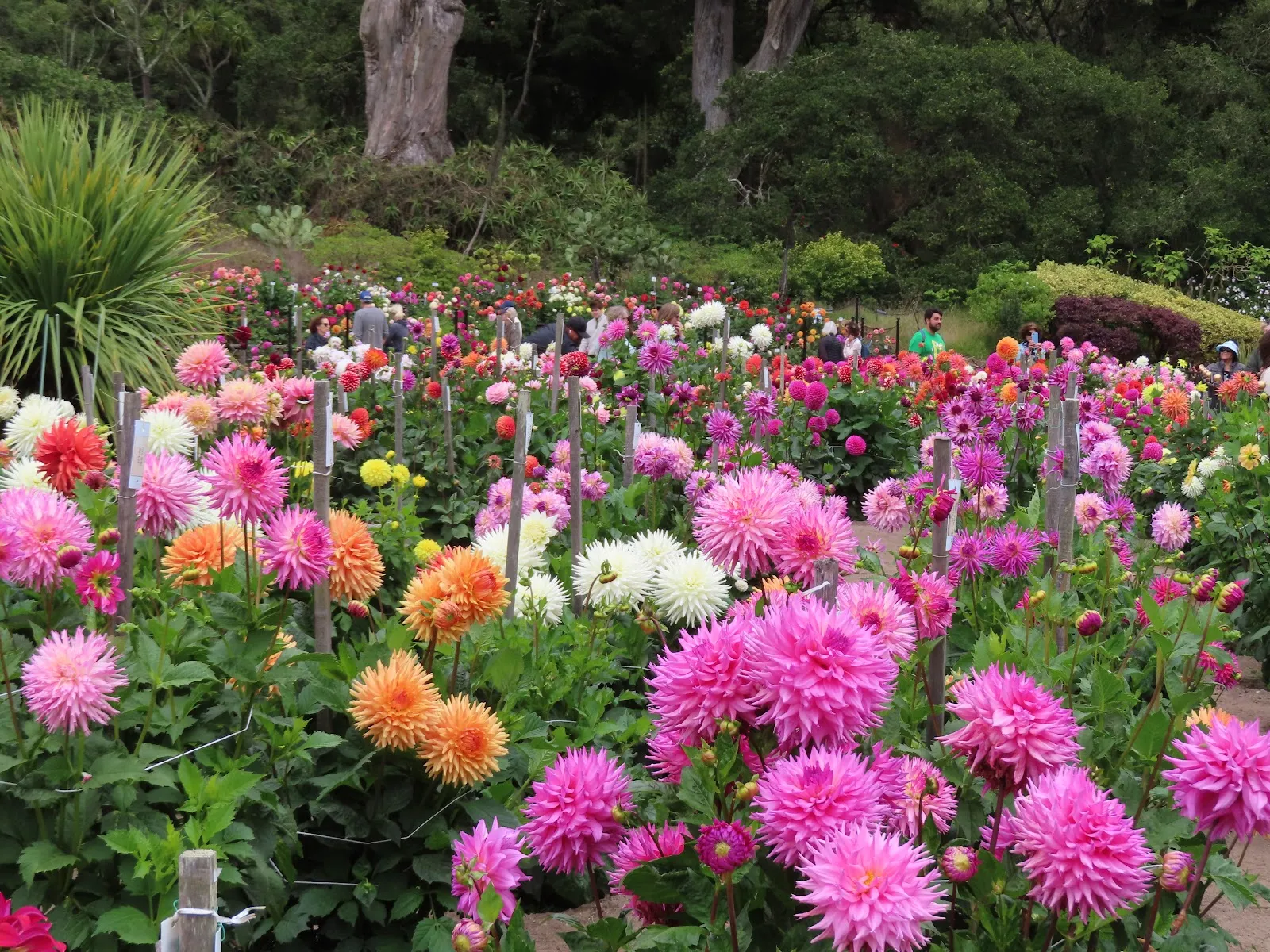
Inside Golden Gate Park, the Japanese Tea Garden is a compact garden of winding paths, koi ponds, stone lanterns and traditional Japanese structures. It began as a Japanese Village exhibit at the 1894 California Midwinter International Exposition and is now the oldest public Japanese garden in the United States. Look for the arched Drum Bridge, pagoda and Zen garden, then pause at the tea house for tea and refreshments. Cherry blossoms flower in March and April. Expect steps and uneven paths, which can make the route difficult for some visitors.
A garden created for an exposition
The garden began in 1894 as a Japanese Village exhibit at San Francisco’s California Midwinter International Exposition. After the exposition ended, the garden remained in Golden Gate Park. Makoto Hagiwara managed and expanded it, shaping the grounds into a Japanese-style garden. It is now the oldest public Japanese garden in the United States.
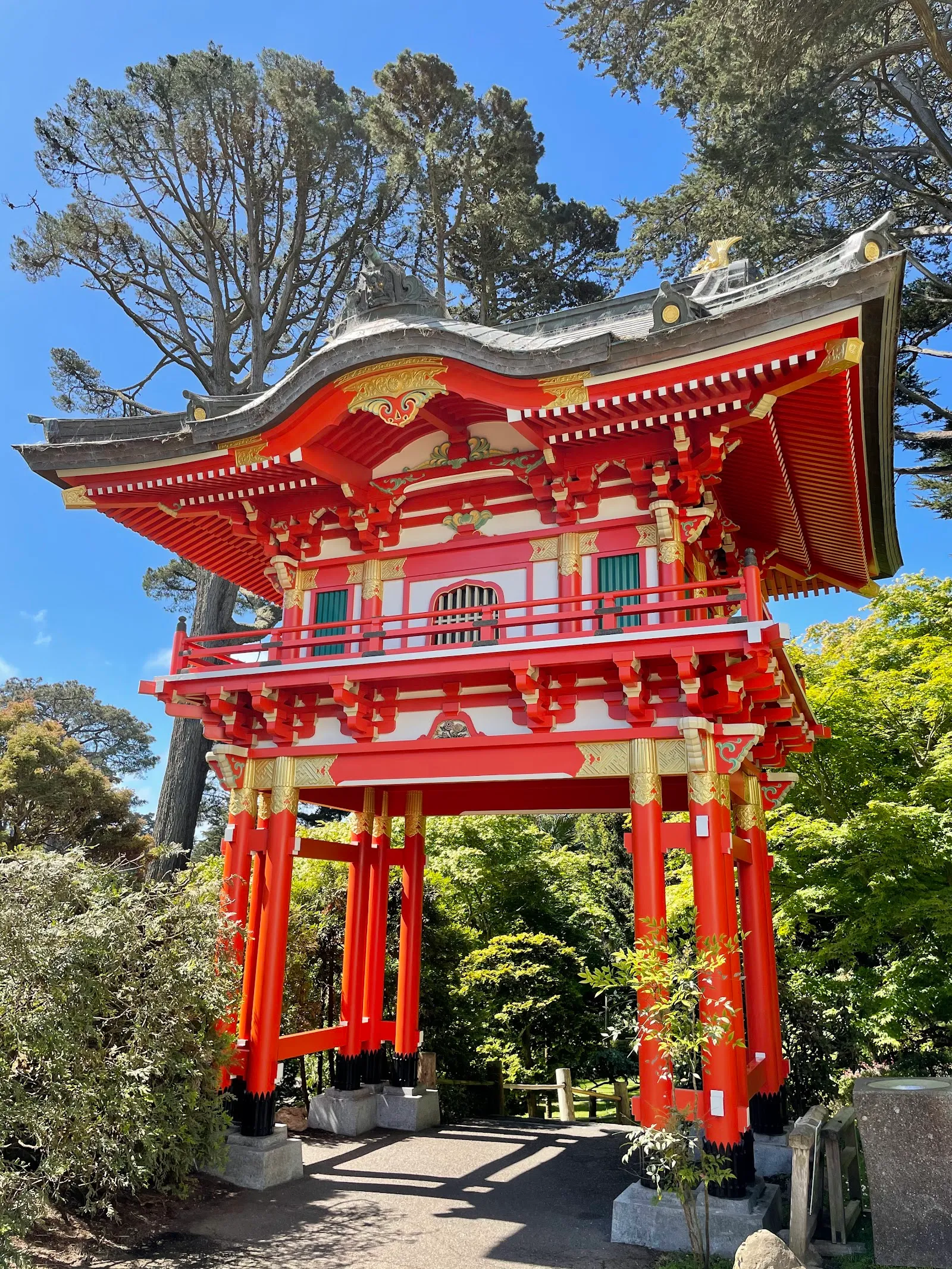
The site changed over time. Structures including the five-tiered pagoda and Temple Gate came from the 1915 Panama-Pacific International Exposition. Hagiwara’s association with the garden ended during the Second World War, when he lost possession of it.
Bridges, ponds and garden paths
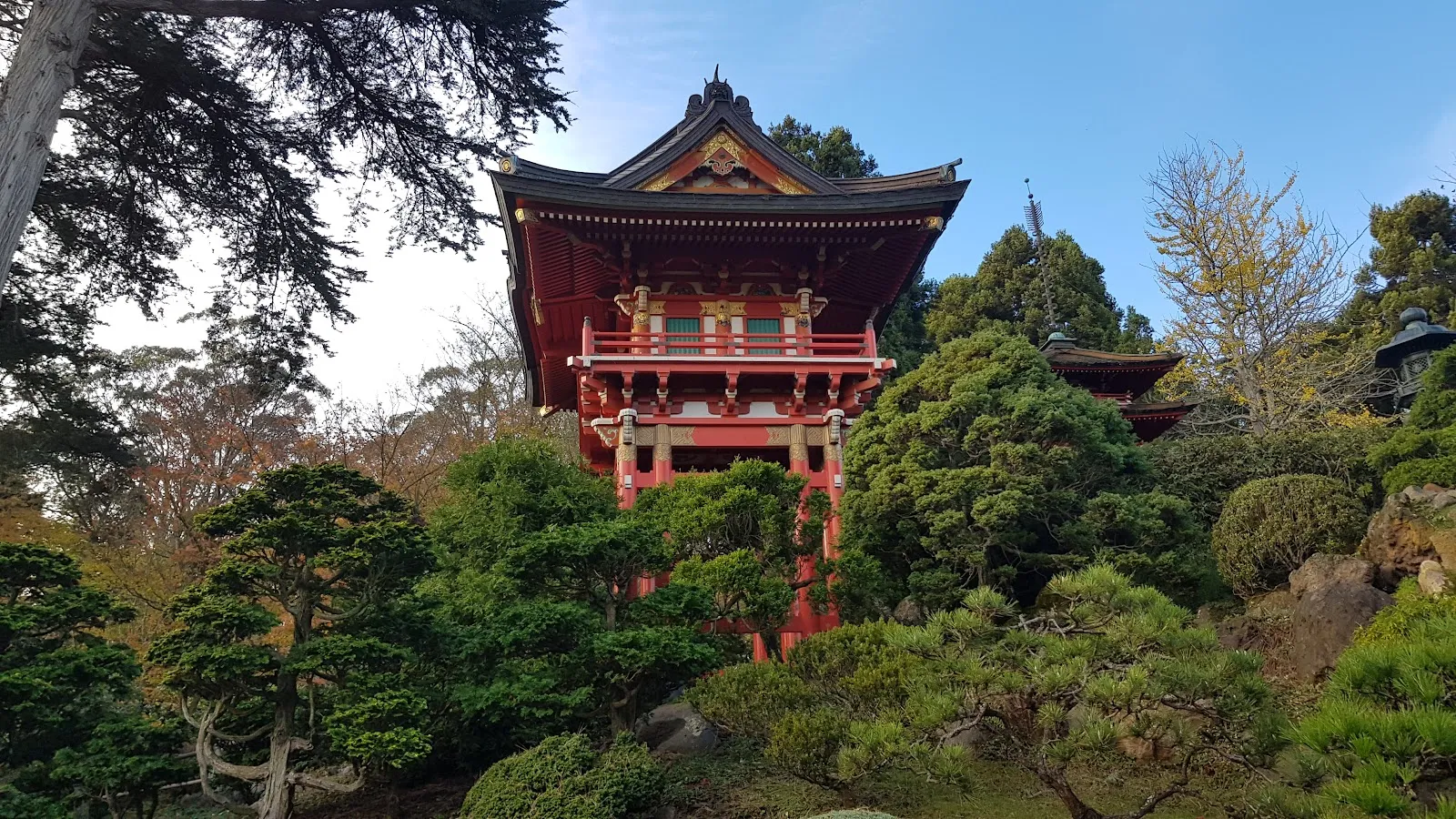
Paths wind between koi ponds, stone lanterns, stepping stones and carefully pruned plants. The garden’s traditional elements include a Zen garden, pagoda and Temple Gate. The arched Drum Bridge, also called the Moon Bridge, curves over a pond; its reflection can form a circle beneath it.
The garden’s planting includes Japanese maples, pines, azaleas and cherry trees. The cherry blossoms usually bloom in March and April. Water, bridges and paths create a series of small scenes as you walk through the grounds, with plenty to pause and look at along the way.
Tea house and a slower pace
The tea house serves tea and refreshments, giving you a place to pause during a walk around the garden. Tea and snacks such as cookies and edamame are mentioned among the choices there. You can visit the tea house as part of your garden stop, then continue along the paths.
The garden is relatively compact, so an hour is a useful plan for a walk and a tea-house break. Some paths are narrow, with steps and uneven surfaces, which can make getting around harder for visitors with limited mobility and for strollers. If you want a quieter visit, the free entry period is in the morning on Mondays, Wednesdays and Fridays.
FAQ
When is admission free?
Entry is free from 9 to 10 am on Mondays, Wednesdays and Fridays.
How long should you spend at the Japanese Tea Garden?
About an hour is enough to walk the paths and explore the garden.
When do the cherry blossoms bloom?
The garden’s cherry trees bloom in March and April.
Is the garden accessible for wheelchairs and strollers?
Steps, narrow paths and uneven surfaces can make the garden difficult for wheelchair users and strollers.