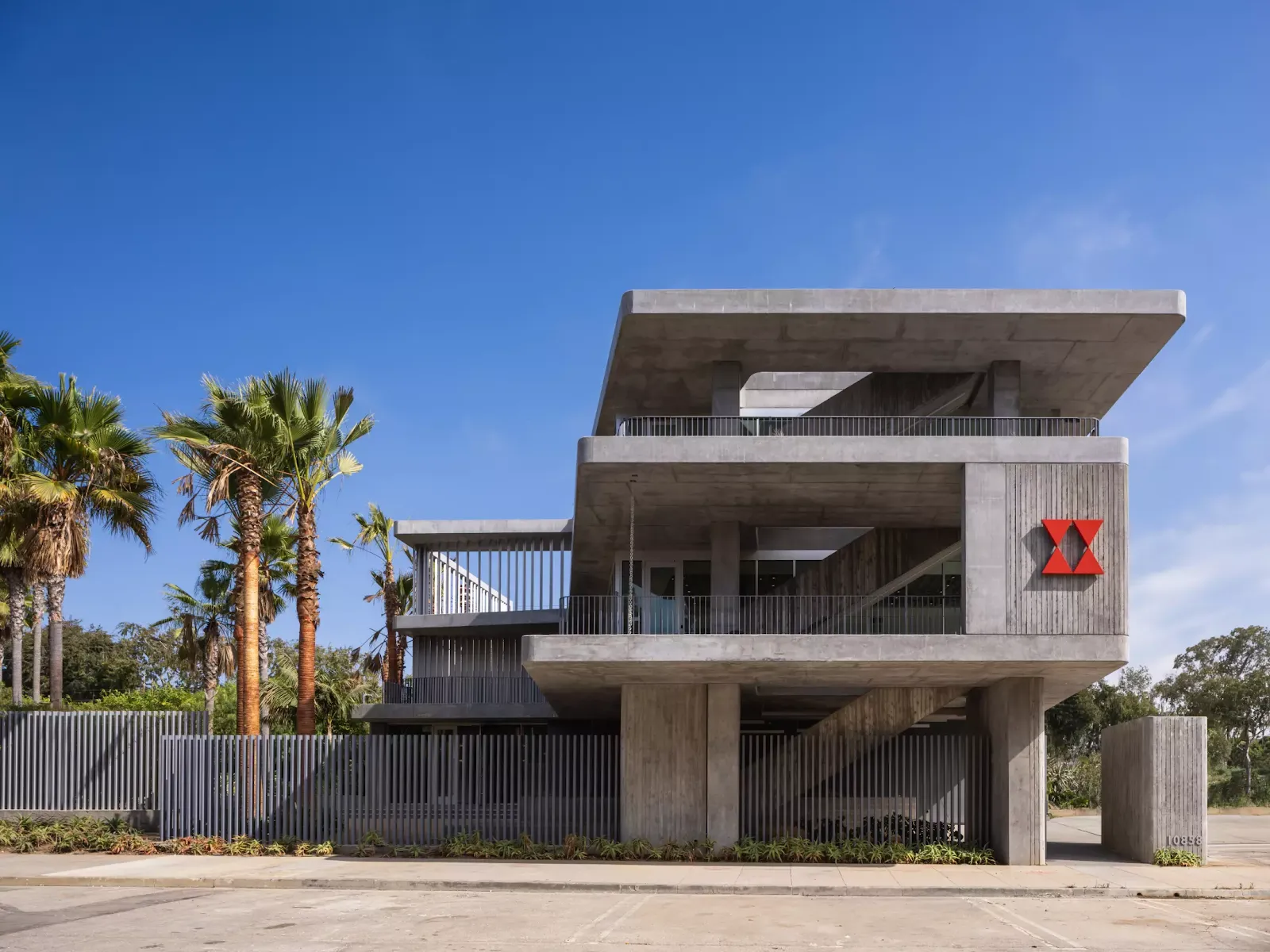
At 9786 W Pico Blvd in Los Angeles, the Museum of Tolerance uses personal stories and interactive exhibits to examine the Holocaust, prejudice and discrimination. Its Holocaust galleries include a passport assigned to a child whose wartime fate unfolds as you move through the exhibition. Upstairs, an immersive presentation explores Anne Frank’s life, while other displays address California’s history of segregation and present-day issues. Plan time for more than one floor: the subjects are difficult, but the exhibits give families and school groups a structured way to learn and reflect.
A museum about the Holocaust and prejudice
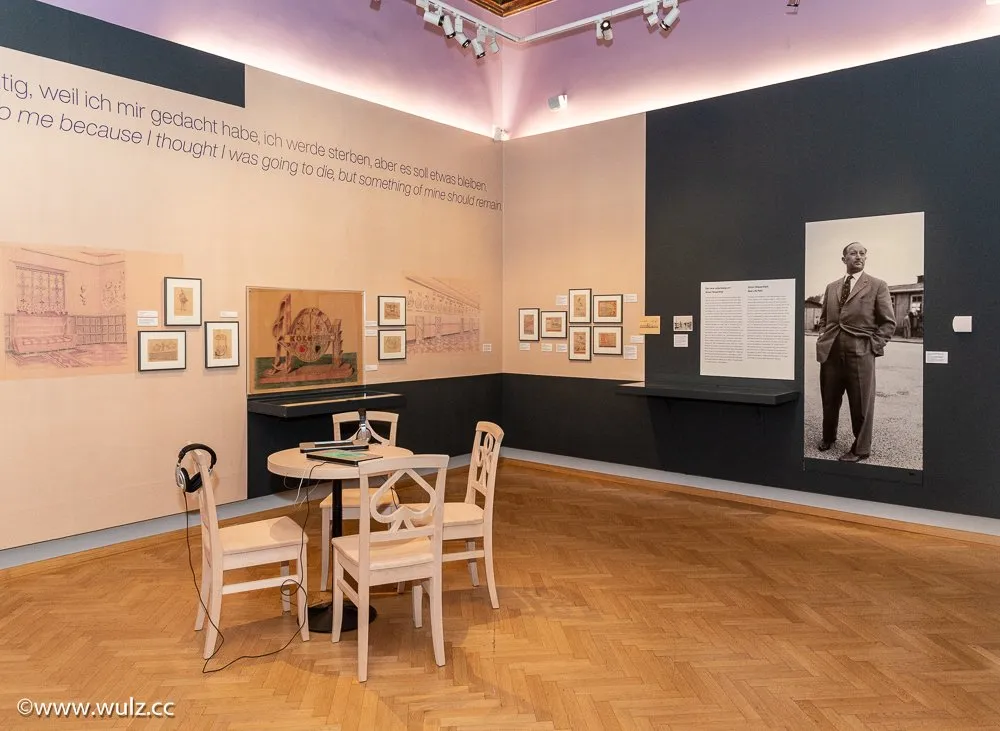
The Museum of Tolerance is an educational center run by the Simon Wiesenthal Center. It examines the Holocaust in its historical setting and connects that history with prejudice and discrimination in the present. The exhibits also cover other subjects, including California’s segregation history and the effects of discriminatory policies on people’s daily lives.
The material can be emotionally demanding. Film footage and personal histories address persecution and mass violence, so allow time to pause between galleries. Interactive installations invite visitors to consider their own responses and relationships; this is part of the museum’s approach, not a separate entertainment area.
A passport that traces one child’s fate
At the start of the Holocaust exhibition, visitors receive a passport bearing the name of a child affected by Nazi rule. As you continue through the galleries, the child’s story develops and you learn what happened to them. The exhibition places individual lives alongside the wider historical events, including the social, political and economic conditions that led to the Holocaust.
Another section uses immersive settings, multimedia and artifacts to tell Anne Frank’s story. It includes a recreation of her room in the secret annex. The section is on an upper floor, so check that you have time to reach it rather than ending your visit after the Holocaust galleries.
Beyond the Holocaust galleries
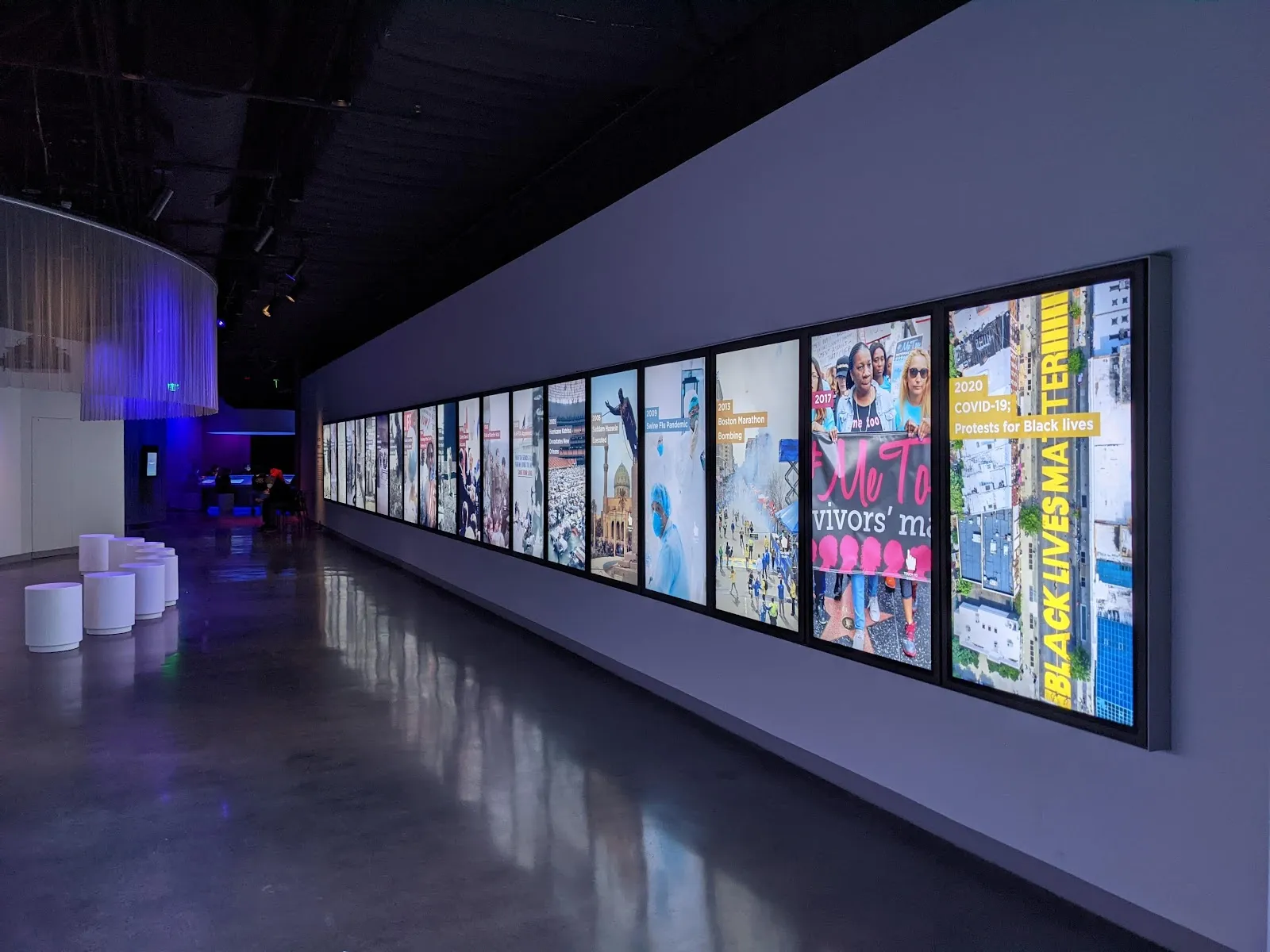
The museum’s subject matter extends to California’s history of segregation and the ways discrimination affected employment, housing and education. Other displays turn to current questions, including immigration and homelessness, and invite visitors to discuss them. The museum also uses interactive activities to prompt reflection on personal relationships and social attitudes.
Programs can add a live element to a visit. The museum hosts educational activities, and survivor talks may be scheduled on Sundays around 1 pm. Check the program before choosing your visit time if attending a talk matters to you. The site also has a theater, a gift shop and a restaurant; details about current programming and services are available through the museum.
Planning your visit
The museum is at 9786 W Pico Blvd in Los Angeles. Entry is ticketed, and reserving a time slot in advance is recommended. Parking is available underground, where vehicles are checked; visitors also pass through a metal detector at the entrance. Build in time for these security steps.
Give yourself enough time to visit the different floors and read the exhibits without rushing. The displays address genocide, persecution and discrimination, making the visit better suited to people ready to engage with difficult subjects. Families and school groups can use the exhibits as a starting point for learning, but younger children may find some material challenging.
FAQ
Should I reserve tickets in advance?
Yes. Reserving an entry time in advance is recommended.
How long should I plan for a visit?
Allow about 2 to 3 hours to explore the exhibits across the museum’s floors.
Is there parking at the museum?
Underground parking is available. Vehicles are checked, and visitors pass through a metal detector at the entrance.
Can I hear a Holocaust survivor speak?
Survivor talks may be scheduled on Sundays around 1 pm. Check the program before your visit.