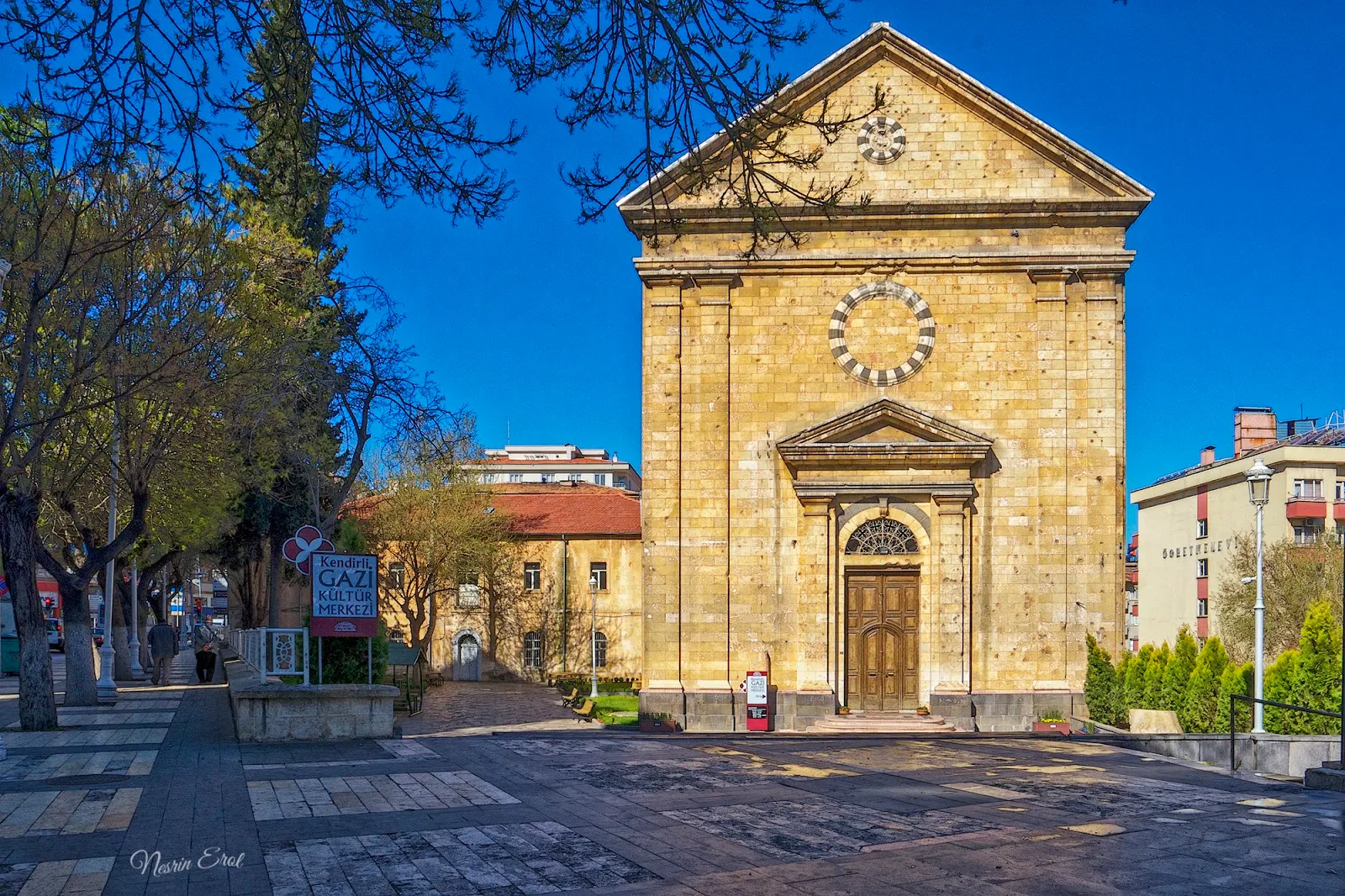
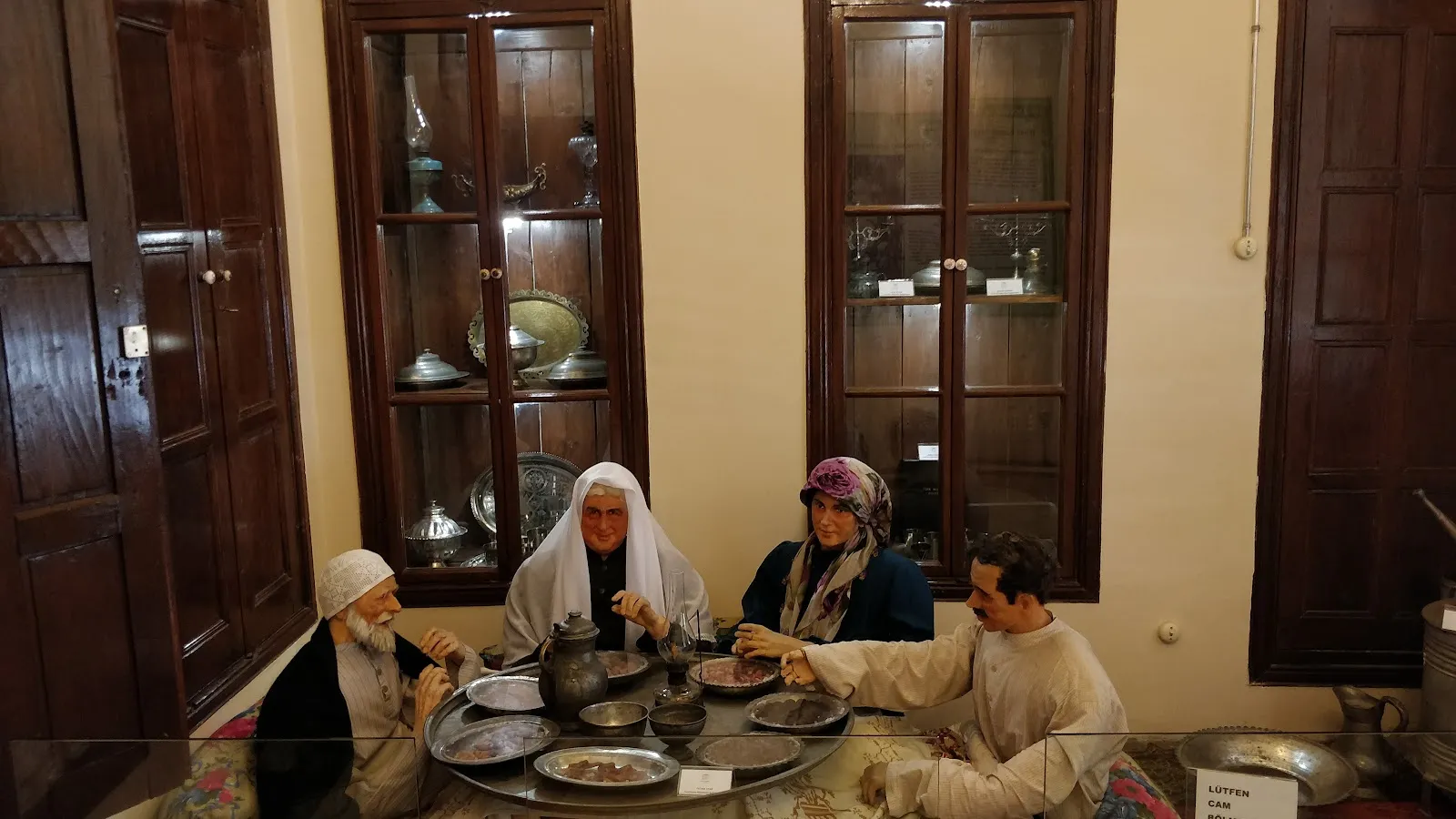
The Zeugma Mosaics Museum stands in Gaziantep's Şehitkamil district. It opened in 2011 and is among the world's largest mosaic museums. Its galleries hold mosaics recovered from Zeugma, a Roman-era city on the Euphrates, before a dam flooded most of the site. The Gypsy Girl is the best-known work, and the Birth of Venus is another highlight. Large floor mosaics from Roman villas are laid out across three storeys, and laser images show some damaged works as they once looked. Plan a few hours for the visit.
Zeugma and the villas on the Euphrates
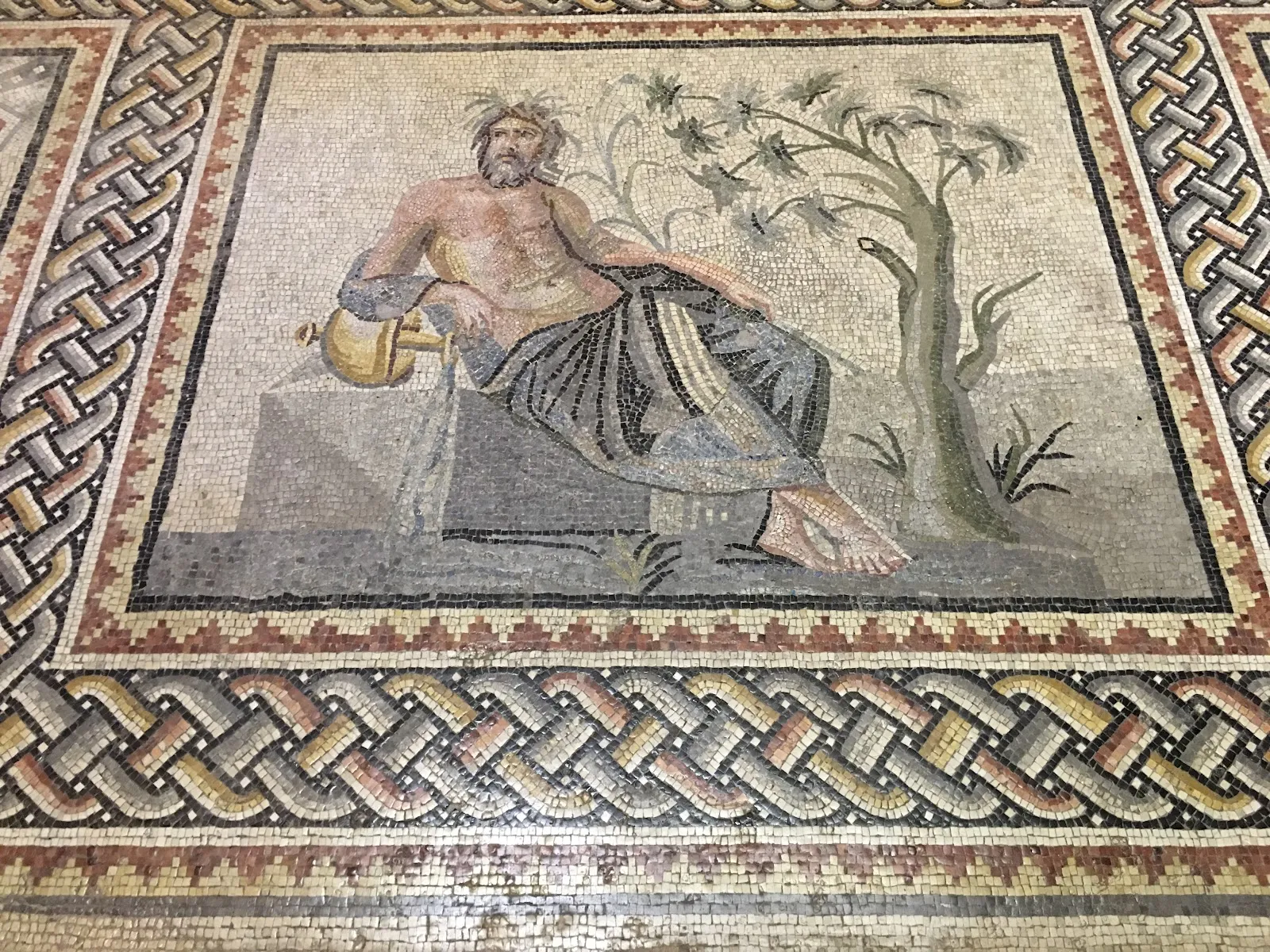
Zeugma was founded on the Euphrates by Seleucus I, a general of Alexander the Great. The name means "gate". The city later passed to the Commagene Kingdom, better known for Mount Nemrut, and then to the Roman Empire.
The mosaics in the museum once decorated private Roman villas along the river. Excavation began ahead of dam construction in the area, and the Birecik Dam later flooded most of the site. Much of what you see was recovered from the Belkıs-Zeugma archaeological site before that happened.
Inside the galleries
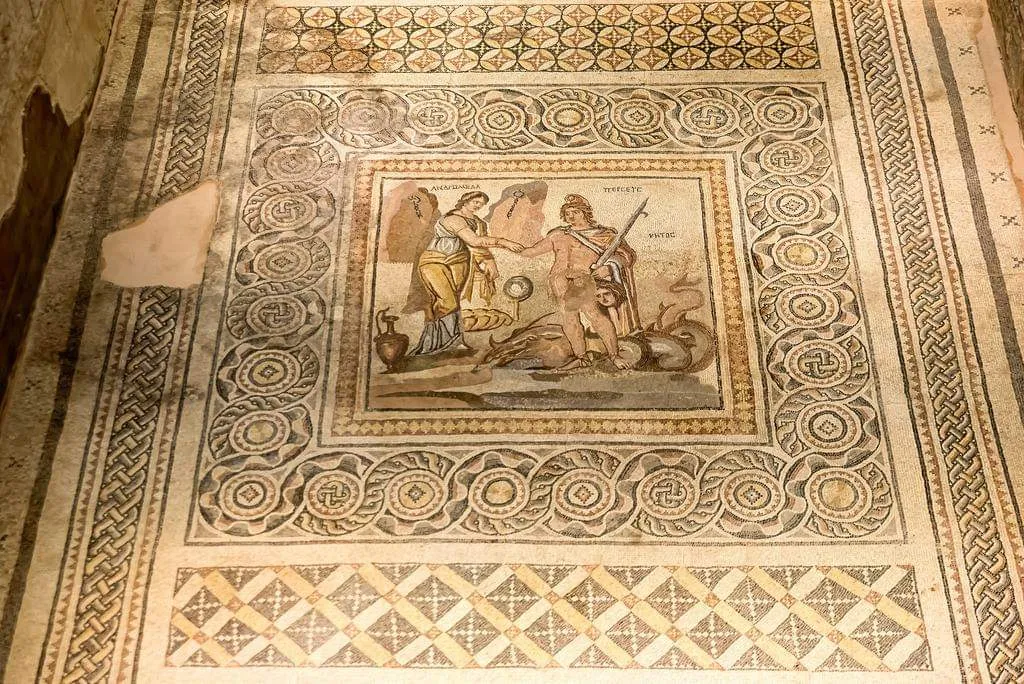
The museum is a modern building on the outskirts of Gaziantep, and it opened in 2011. The collection spreads over three storeys. In the large halls, mosaics from the villas are laid out on the floor, much as they lay in their original rooms. The second floor gives a clear view down onto the most complete floor mosaics.
The subjects are varied. Water gods such as Oceanus and Tethys appear, as do Roman deities such as Dionysus and Demeter, along with mythological scenes, scenes of daily life and symbolic patterns. Beside the mosaics are frescoes, sculptures and columns, including a statue of Mars. The Birth of Venus is another well-preserved work to look for.
Some mosaics were damaged, and the museum uses laser-produced images to show them whole. Interactive displays add context to the pieces.
The Gypsy Girl
The Gypsy Girl is the mosaic most associated with the museum and with Gaziantep. It is often compared to the Mona Lisa, and its wide eyes appear to follow you across the room.
Twelve missing pieces of the mosaic, taken during illegal excavations in the 1960s, were returned from the United States and restored to the work. Give it a few quiet minutes, and try to see it before the rooms fill with tour groups.
Planning the visit
The museum has a restaurant, restrooms, a nursing room and changing tables. There is free parking, and the entrance, elevator, restrooms and parking are wheelchair accessible. Some small activities along the route are suited to children.
Gaziantep has many museums, and this one fits well with the others. The Gaziantep Archaeology Museum, Bayazhan City Museum, Medusa Archaeological Glass Works Museum and Emine Göğüş Culinary Museum are all in the city. If your time is short, the Zeugma museum is the one to choose.
FAQ
Is there an entry fee at the Zeugma Mosaics Museum?
Yes, there is an admission fee. It is on the higher side among Gaziantep museums, and a museum card gives cheaper access if you visit several. Family and children's discounts are available.
How long do you need at the Zeugma Mosaics Museum?
Allow a few hours, roughly 2 to 3. The collection covers three storeys and is easy to spend time in.
Should I book tickets in advance?
Getting tickets in advance is recommended. Arriving early in the day also helps you avoid the tour groups.
What is the most famous piece in the museum?
The Gypsy Girl mosaic. The Birth of Venus mosaic and the Mars statue are other highlights.
Is the museum good for children and wheelchair users?
Yes to both. The museum has small activities along the route that children enjoy, and the entrance, elevator, restrooms and parking lot are wheelchair accessible.