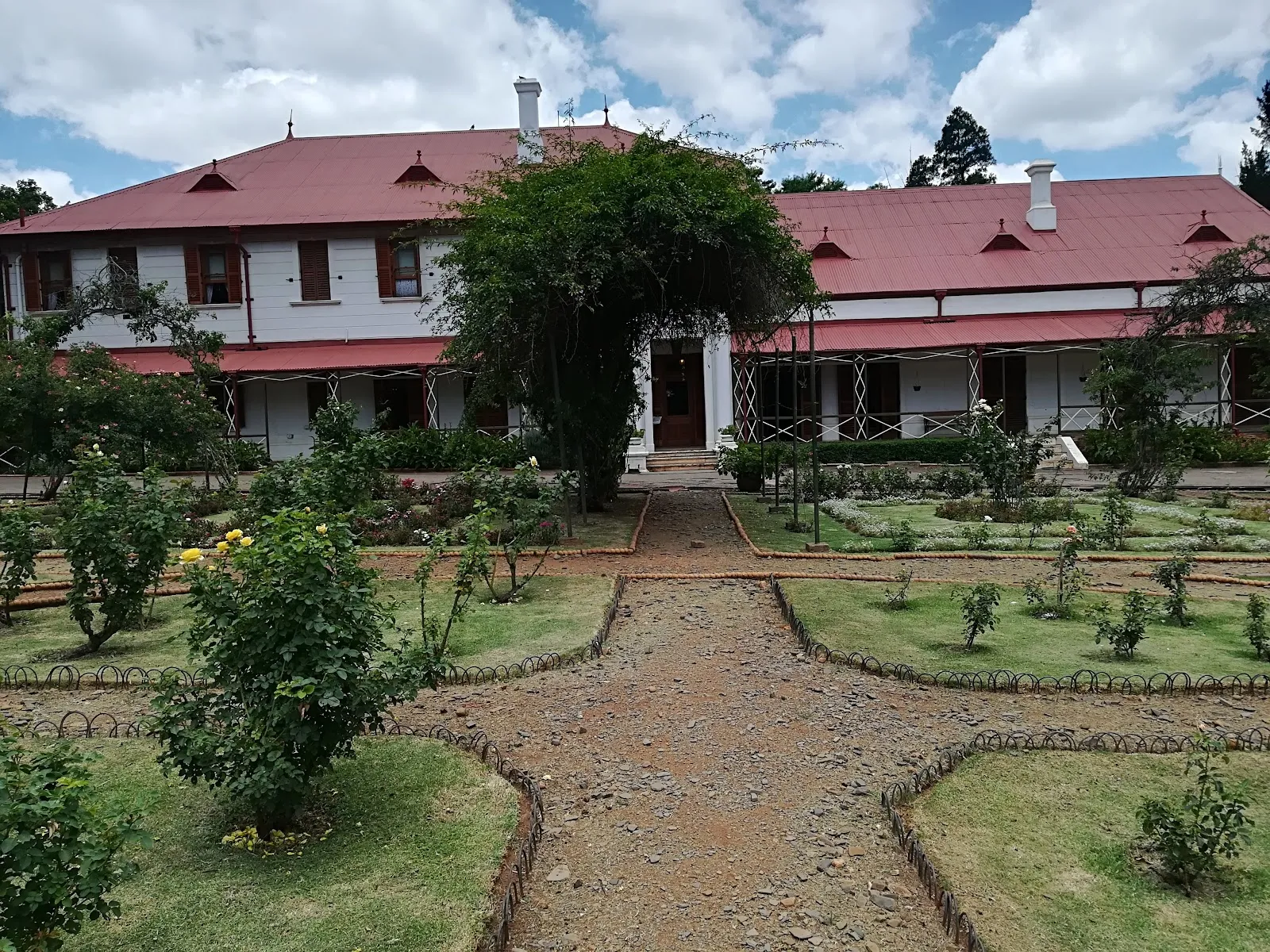
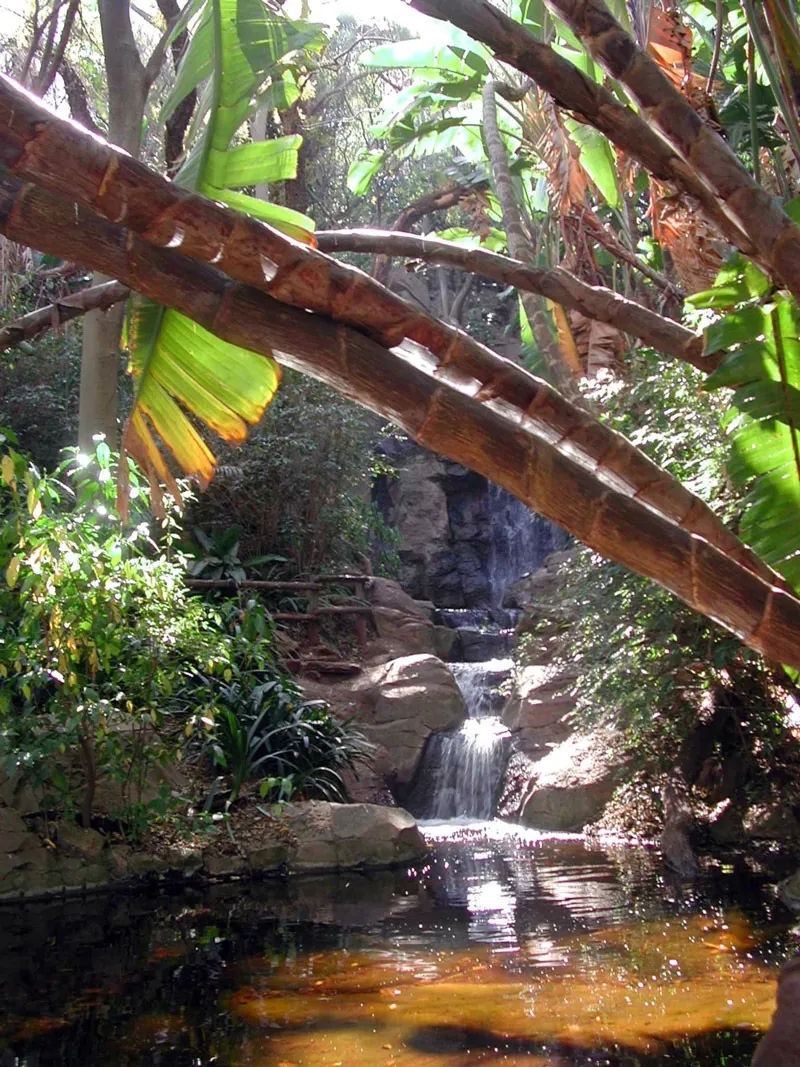
The Pretoria National Botanical Garden is a 76-hectare garden in Brummeria, in eastern Pretoria, built around South African plants. A quartzite ridge splits it into a cooler south-facing section and a warmer north-facing one, so the plant life changes as you walk. Cycads, aloes, succulents and indigenous trees fill the themed gardens, and the wide lawns suit a slow picnic. Paved trails lead through the natural vegetation, with a mountain path and a waterfall along the way.
History and the site
The garden was established in 1946, after land that had belonged to the University of Pretoria's experimental farm and to private properties north of the city was acquired by the Department of Agriculture.
It sits in Brummeria, in eastern Pretoria, and covers 76 hectares, of which about 50 hectares are developed garden. The garden is one of South Africa's national botanical gardens, and it is home to the head office of the South African National Biodiversity Institute (SANBI).
The two sections
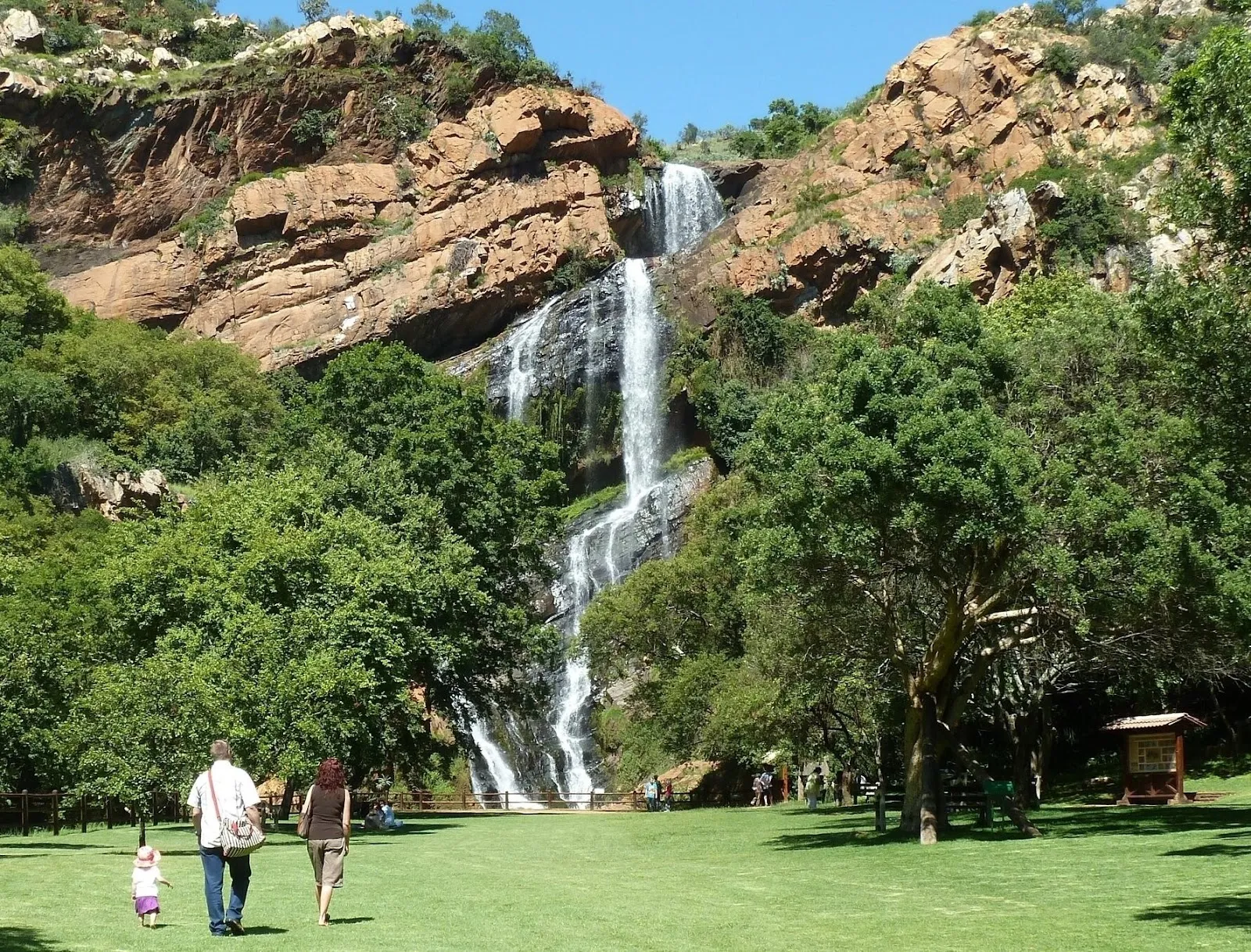
A quartzite ridge runs east to west through the middle of the grounds and divides the garden into two sections. The southern section faces south and stays cooler, while the northern section faces north and is warmer.
The two sides carry different plants, so walking across the ridge changes the landscape. The outcrop rises around 50 metres in places.
Plants to look for
The indigenous garden is the flagship area. It brings together savannah, forest and fynbos habitats, with plants that are native to South Africa but not to this particular spot.
Cycads and aloes are among the collections, and the succulent garden stands out. The medicinal plant area, the cycad garden and the bonsai garden are smaller themed spaces worth a slow look. The veld and rock gardens show natural landscapes in miniature.
The garden holds more than half of the country's tree species, so the trees are a good place to start if you want to learn the names of South African trees.
Wildlife and birds
Birdlife is one of the main draws, with around 200 bird species recorded. Hawks, falcons, kestrels and Verreaux's eagle are among the birds seen here.
Dassies, which are rock hyraxes, often appear on the trails. Guinea fowl and small mammals such as duiker also live in the garden. Mongooses and several bat species have been spotted, and there are reptiles too.
Picnics, food and facilities
The lawns are wide enough to spread out a picnic, and there are shaded spots under the trees. A restaurant sits by the lakefront, and a café and a tea garden are on site if you would rather buy your food.
Restrooms and drinking water are available, and there is a braai area. A playground suits younger children. The lawns can also be booked for events such as birthdays and baby showers, and the garden hosts concerts and cultural events from time to time.
Planning your visit
Entry is charged, and advance tickets are recommended. Children under six enter free, and students pay a reduced rate. Fees differ between sources, so check the garden's website before you go.
The main entrance, seating, restroom and parking lot are wheelchair accessible. Allow two to four hours for the main sections, and more if you plan a longer hike.
FAQ
Is there an entry fee?
Yes. Children under six enter free and students pay a reduced rate. Fees differ between sources, so check the garden's website for current prices.
How long do you need at the garden?
Allow two to four hours for the main sections. The longer hiking trails take more time.
Do you need to book tickets in advance?
The garden recommends buying tickets in advance.
Is the garden wheelchair accessible?
Yes. The entrance, seating, restroom and parking lot are listed as wheelchair accessible.
Can you have a picnic there?
Yes. The lawns are open for picnics, and there are shaded spots under the trees. A restaurant and a café are also on site.