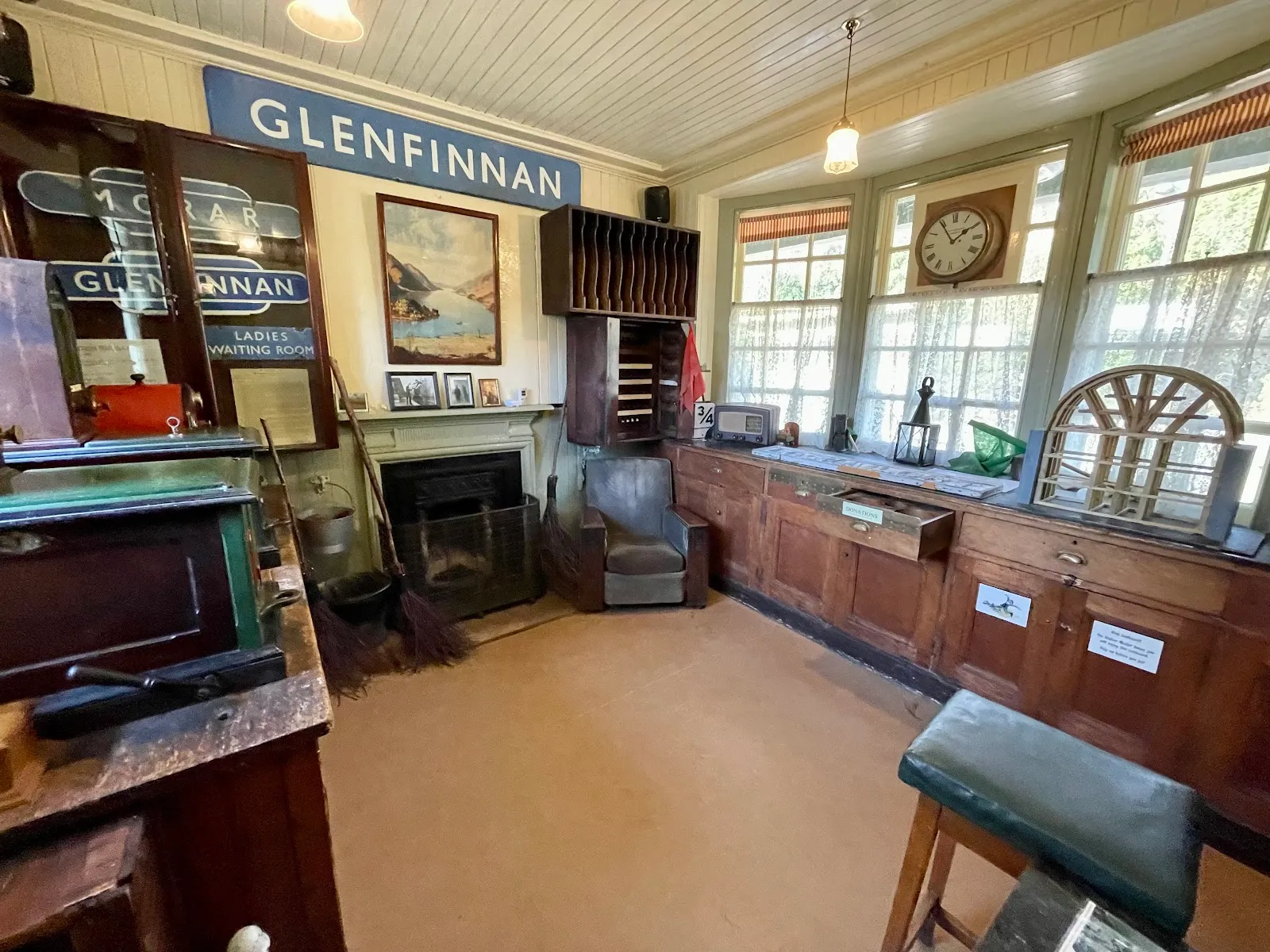
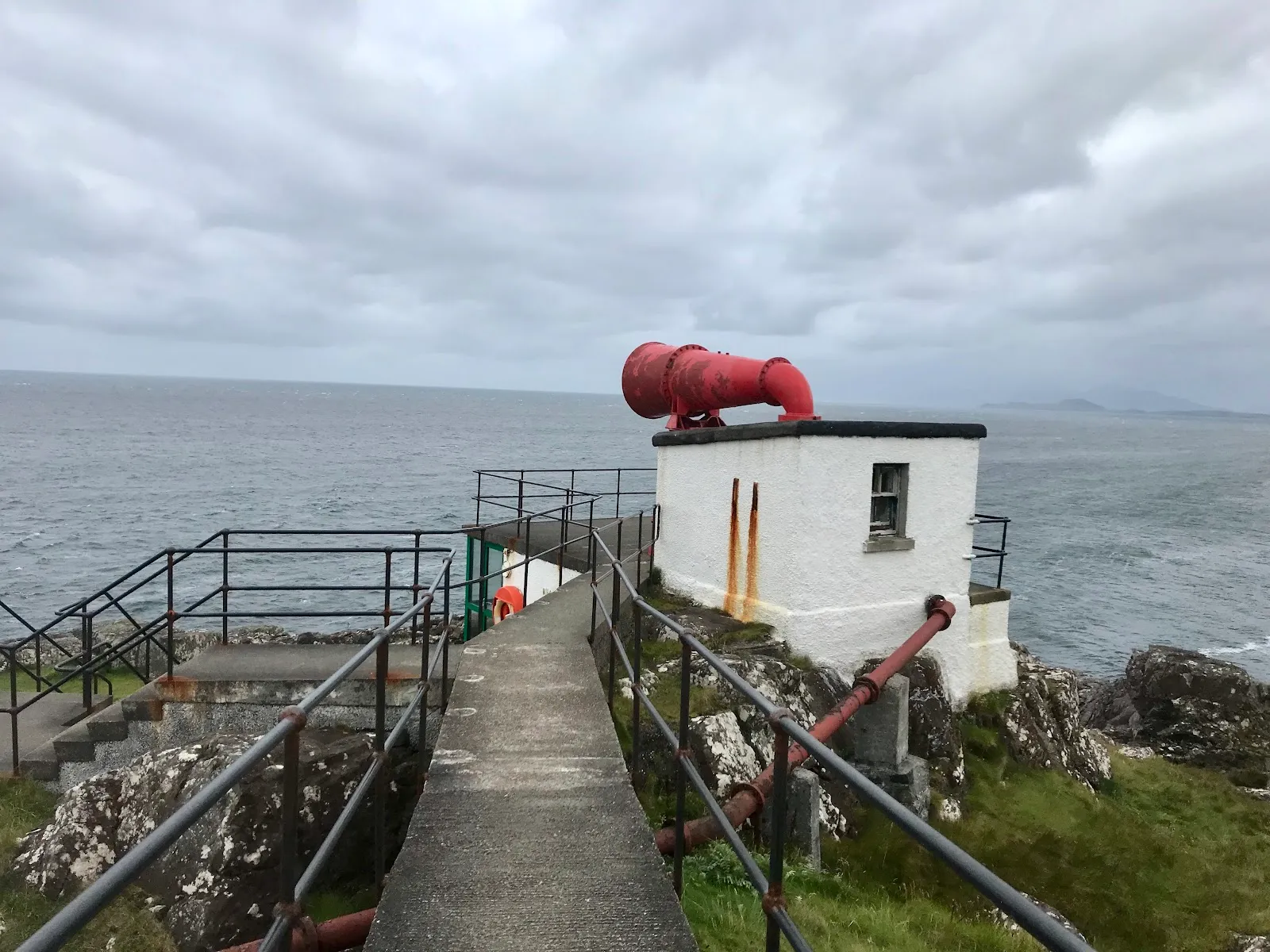
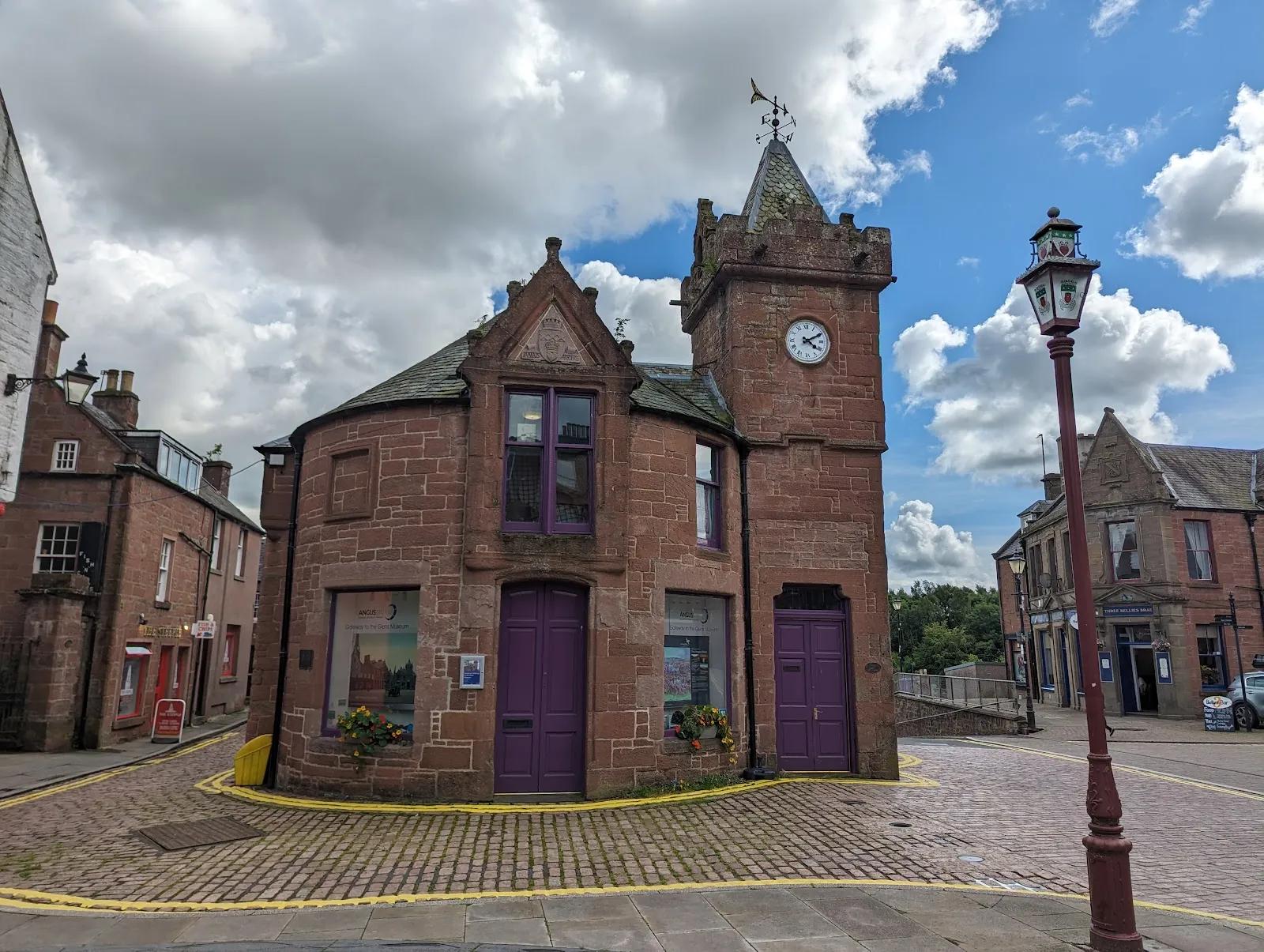
The Wick Heritage Museum in Wick, Caithness, traces the town’s working life across several buildings on Bank Row. Its displays cover fishing and the herring trade, local industries, engineering and everyday life, with rooms arranged to show how people lived and worked. Look out for historic photographs from the Johnston Collection, alongside objects, films and exhibits such as a cooperage and a kippering kiln. The modest street frontage gives little indication of how much there is to explore, so allow time to move through the different rooms.
A museum spread across Bank Row
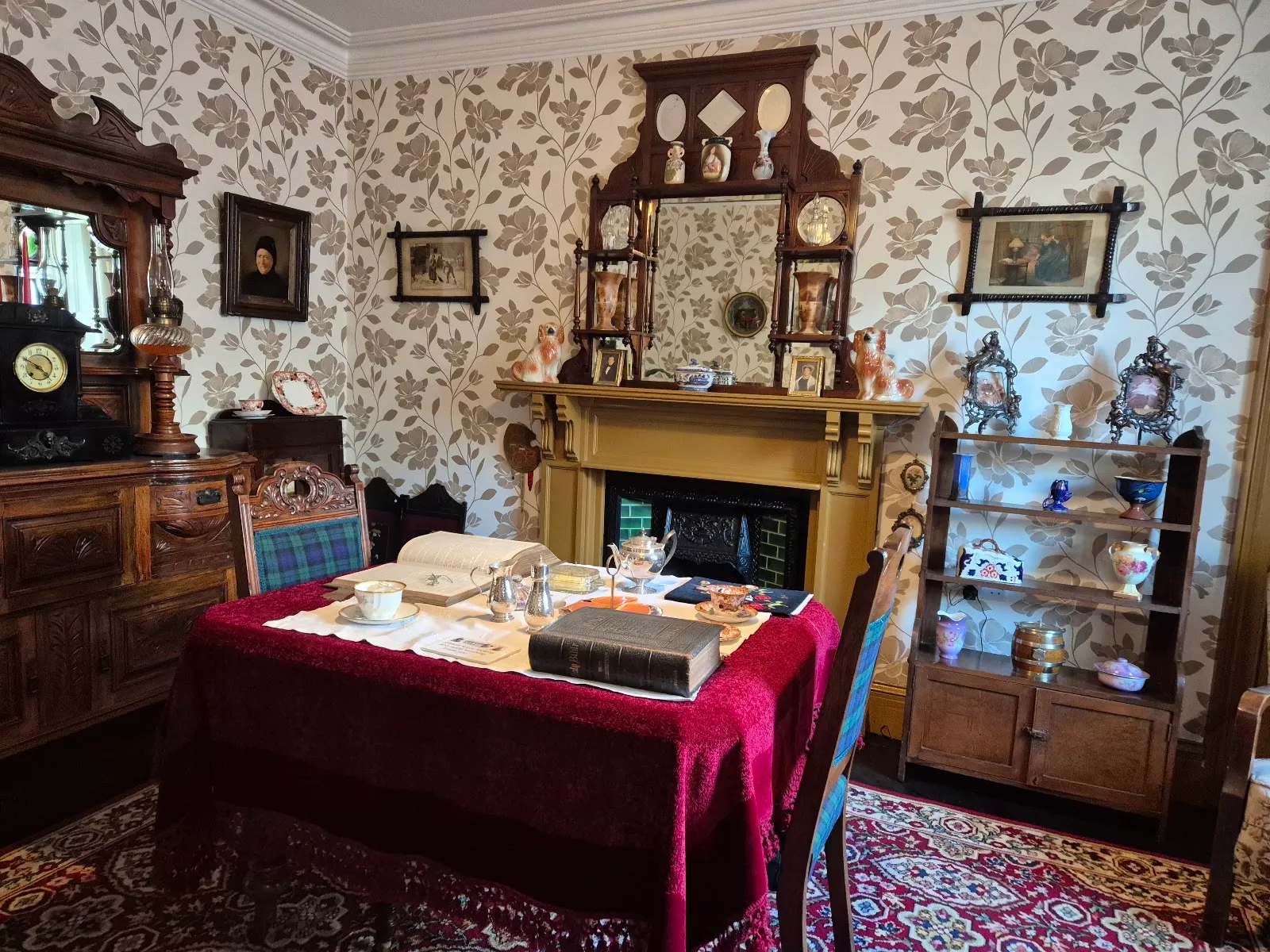
The Wick Heritage Museum occupies several buildings on Bank Row. Its small street frontage can make it seem like a brief stop, but the displays continue through many rooms and include an old smithy. The route winds between buildings and levels, with exhibits covering different parts of Wick’s history and the work that shaped the town.
Rather than focusing on one period or trade, the museum brings together objects and displays about fishing, engineering, printing, glassmaking and other local industries. Rooms arranged to resemble earlier domestic settings add a view of everyday life alongside the work-related collections.
Fishing, trades and local life
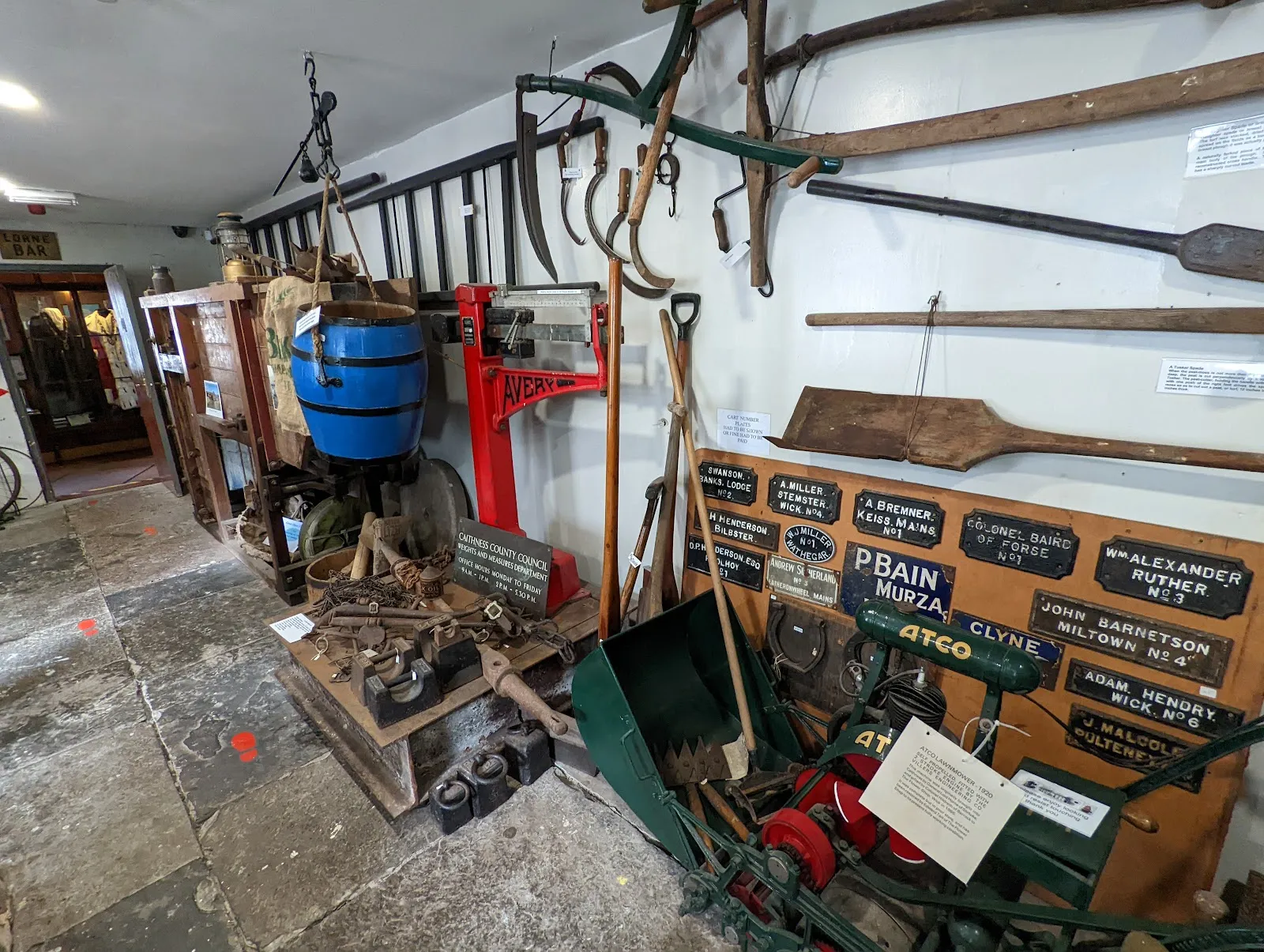
Wick’s connection to the fishing industry runs through the museum. Displays examine the herring trade and related work, including coopering, the craft of making and repairing barrels. A kippering kiln is among the exhibits, helping explain how fish was prepared and processed.
Other displays turn to the town’s changing economy and its engineering and manufacturing history. Objects, explanatory information and videos help connect individual trades with the lives of people who lived and worked in Wick. The museum also covers local associations beyond industry, including a connection to Robert Louis Stevenson.
Photographs and volunteer guides
The Johnston Collection of Photography documents Wick and the surrounding area across generations of photographers. Its images record local people, work and streets over many decades, and sit alongside other historical photographs in the museum. The collection is larger than the selection displayed on site; digitised images can also be viewed online.
Local volunteers care for the museum and can add context to the exhibits. If you would like more detail about a particular room or object, ask whether someone is available to talk you through it. Their explanations can help link the photographs and artefacts to Wick’s industries and everyday life.
Planning your visit
Set aside a couple of hours to explore the rooms rather than treating the museum as a quick stop. Weekdays are a useful choice if you want to avoid the busier weekend periods. The museum has toilets, and a stair lift provides access to the upper floor, although some areas may not be accessible.
The Wick Society, which runs the museum, also looks after Isabella Fortuna, described as Scotland’s oldest remaining fishing boat. It is usually berthed in Wick Harbour during summer, so it may be possible to pair the museum with a look at the boat when it is in port.
FAQ
How long should you allow for the Wick Heritage Museum?
Allow around two to three hours to explore the rooms and exhibits across the museum’s several buildings.
What can you see at the Wick Heritage Museum?
Displays cover Wick’s fishing and herring industries, traditional trades, engineering and everyday life. There are also historic photographs, a kippering kiln and a cooperage.
Is the Wick Heritage Museum wheelchair accessible?
There is a wheelchair-accessible entrance and restroom, and a stair lift reaches the upper floor. Some areas may not be accessible.