At the eastern end of Nevsky Prospekt, the Alexander Nevsky Lavra is an active Orthodox monastery and one of St Petersburg’s oldest major religious complexes. Peter the Great founded it in the early 18th century, and its grounds bring together the neoclassical Holy Trinity Cathedral, baroque churches and historic cemeteries. The cemeteries are a draw for graves of Russian cultural figures, including Dostoevsky and Tchaikovsky. Take time to walk through the grounds, and dress respectfully when visiting the churches.
A monastery founded by Peter the Great
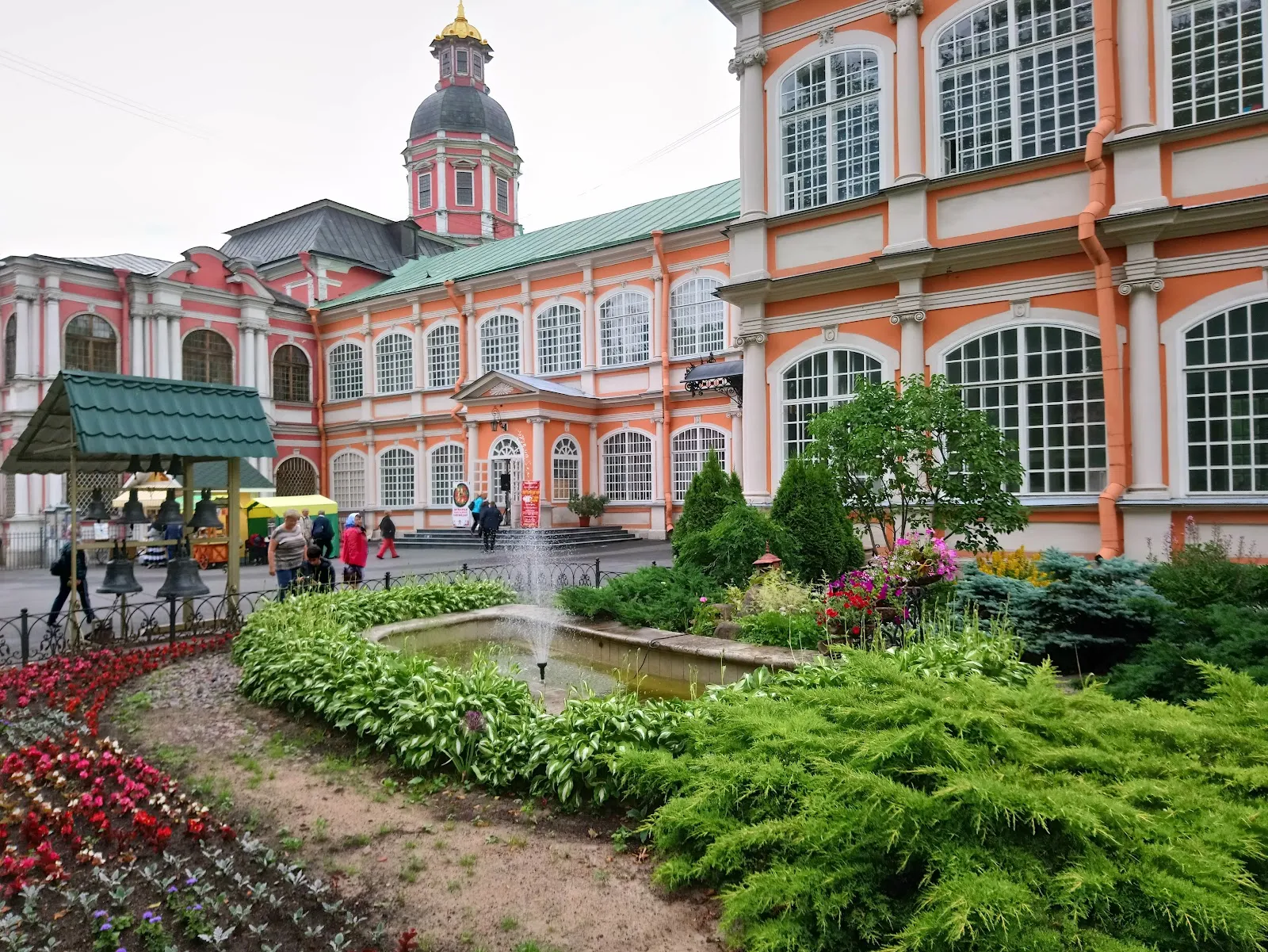
Peter the Great founded the monastery in the early 18th century as St Petersburg was being established. Its name honours Alexander Nevsky, the medieval prince and military commander who became a saint of the Russian Orthodox Church. The monastery is dedicated to him and remains an active religious centre.
The Lavra is the highest rank given to a Russian Orthodox monastery. Its complex grew to include monastic buildings, churches, workshops and institutions such as a seminary, an orphanage and a hospital. The main architectural ensemble dates from the 18th century.
Churches and the monastery grounds
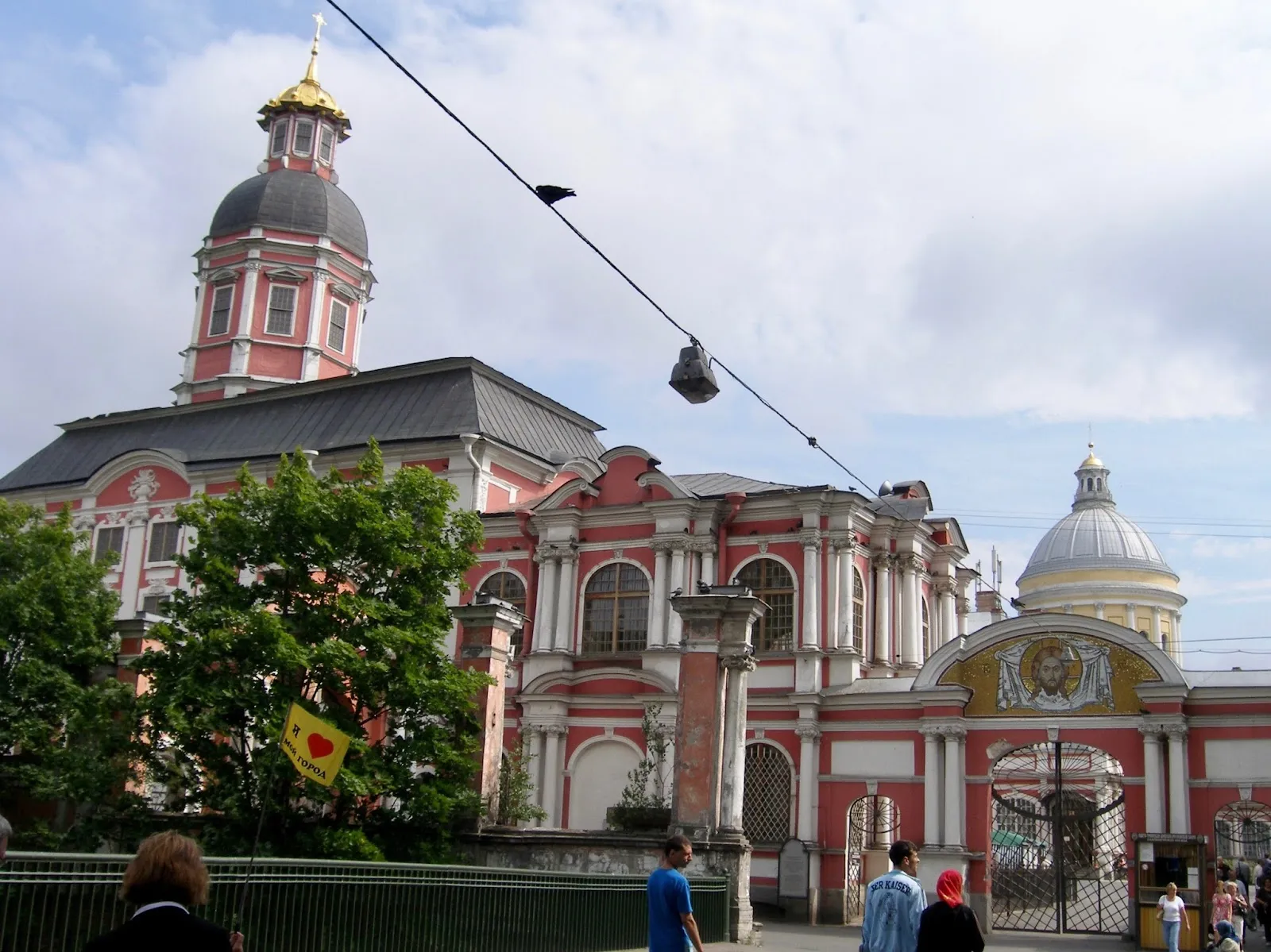
The neoclassical Holy Trinity Cathedral is the complex’s principal church. The grounds also contain two baroque churches associated with the architects Domenico and Antonio Trezzini, along with monastic residences and other religious buildings. Walk between the buildings rather than treating the visit as a single church stop; the architecture spans more than one style.
The monastery is still in use, so approach the churches as places of worship. Dress respectfully, particularly when entering religious spaces, and follow any instructions on site. Natural honey and crafts are sold on the grounds. A shop also sells cheeses made by the monks, including gouda, caciotta, ricotta and Belper knolle.
The historic cemeteries
Several historic cemeteries lie within the Lavra, including the Necropolis of Masters of the Arts. The graves include prominent figures from Russian culture, among them Fyodor Dostoevsky, Pyotr Tchaikovsky, Mikhail Glinka and Nicholas Roerich. The cemeteries are a substantial part of the visit, with a different focus from the monastery’s churches and working religious buildings.
Entry to the historic cemeteries carries a small fee. Their grounds also include the resting places of other notable residents of St Petersburg, so leave time to explore rather than visiting only to find one grave. The Museum of Urban Sculpture is also based within the Lavra grounds.
FAQ
Who is buried at Alexander Nevsky Lavra?
The historic cemeteries include the graves of Russian cultural figures such as Fyodor Dostoevsky, Pyotr Tchaikovsky, Mikhail Glinka and Nicholas Roerich.
Is Alexander Nevsky Lavra still an active monastery?
Yes. The Lavra remains in use as an Orthodox monastery.
Is there an entry fee for the cemeteries?
The historic cemeteries charge a small entry fee. The amount is not specified here.
What should I wear to Alexander Nevsky Lavra?
Dress respectfully for an active Orthodox monastery. Shorts may not be permitted.