Planifier un voyage
Langue: Français
Planificateur de voyagePlanifiez votre voyage sur une carte

Destinations incontournables

EnglishDeutschFrançaisEspañolPortuguêsPortuguês (BR)Italiano
Avis aux voyageurs · RussieLes gouvernements déconseillent tout voyage à Russie.Les conseils dépendent de votre passeport. Consultez ceux de votre propre gouvernement avant de réserver.Conseils officiels
Zones signalées
  • Tchétchénie · éviter tout voyage · Irlande, Nouvelle-Zélande, États-Unis
  • Crimée · éviter tout voyage · Allemagne, Nouvelle-Zélande, États-Unis
  • Daghestan · éviter tout voyage · Irlande, Nouvelle-Zélande
  • Donetsk · éviter tout voyage · Allemagne, États-Unis
  • Ingouchie · éviter tout voyage · Irlande, Nouvelle-Zélande
  • Kherson · éviter tout voyage · Allemagne, États-Unis
  • Louhansk · éviter tout voyage · Allemagne, États-Unis
  • Kraï de Stavropol (parties orientale et méridionale) · éviter tout voyage · Irlande, Nouvelle-Zélande
  • Zaporijjia · éviter tout voyage · Allemagne, États-Unis
  • Kabardino-Balkarie · éviter les voyages non essentiels · Irlande, Nouvelle-Zélande
  • Karatchaï-Tcherkessie · éviter les voyages non essentiels · Irlande, Nouvelle-Zélande
  • Ossétie du Nord · éviter les voyages non essentiels · Irlande, Nouvelle-Zélande

Également signalé par un seul gouvernement : Belgorod (Irlande), Briansk (Irlande), Krasnodar (Irlande), Koursk (Irlande), Caucase du Nord (États-Unis), Rostov-sur-le-Don (Irlande), Voronej (Irlande)

GouvernementConseilsMis à jourLire les conseils
Royaume-Uni (FCDO)Advises against all travel to Russia–Lire les conseils
États-Unis (State Dept)Do not travel to Russia for any reason29 déc. 2025Lire les conseils
Canada (Affaires mondiales)Avoid all travel–Lire les conseils
Allemagne (Auswärtiges Amt)Vor Reisen in die Russische Föderation wird gewarnt (Reisewarnung)21 oct. 2026Lire les conseils
Nouvelle-Zélande (SafeTravel)Do not travel to Russia (level 4 of 4)–Lire les conseils
Irlande (ministère des Affaires étrangères)Do Not Travel–Lire les conseils
France (ministère de l'Europe et des Affaires étrangères)Formellement déconseillé : l'ensemble du territoire de la Russie–Lire les conseils

Vérifié quotidiennement d'après les conseils publiés par les gouvernements ; dernière vérification le 3 nov. 2026.RoamLedger résume les conseils officiels ; il ne s'agit pas de conseils émanant d'un gouvernement.

Andrey Rublev Museum of Ancient Russian Culture and Art
Musée

Andrey Rublev Museum of Ancient Russian Culture and Art

The Andrey Rublev Museum of Ancient Russian Culture and Art is at Spaso-Andronikov Monastery on Andron'yevskaya Square in Moscow.

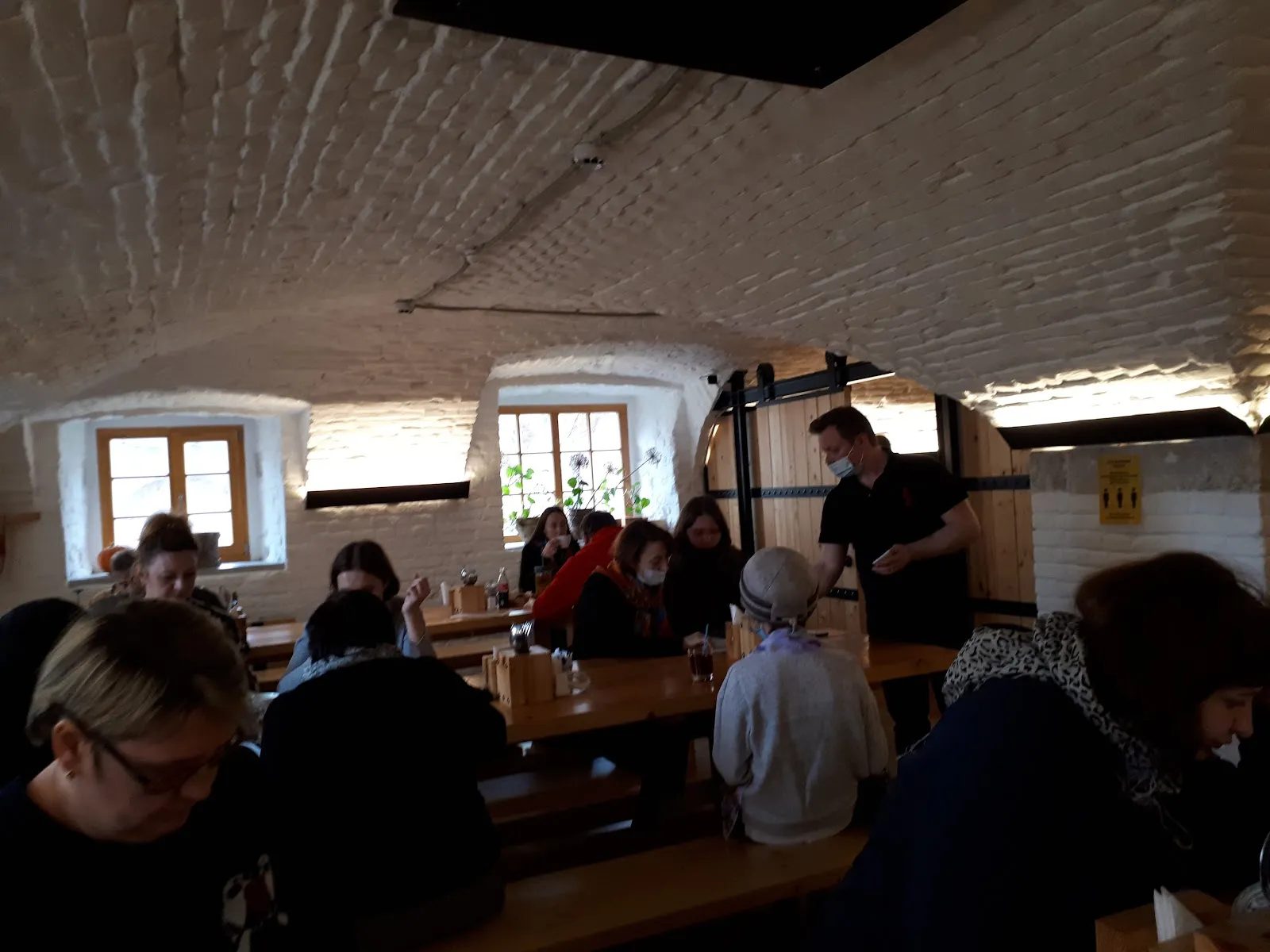
The Andrey Rublev Museum of Ancient Russian Culture and Art is at Spaso-Andronikov Monastery on Andron'yevskaya Square in Moscow. Its collection traces Russian icon painting from the 13th to the 20th century, with works linked to Andrey Rublev, Dionysius and their artistic circles. English descriptions help explain the vivid images and their place in Russian art and culture. The monastery grounds add a historic setting, though renovation work may affect access to parts of the site. There is also a cafe on the grounds, known for its apple pie.

Icons and their makers
Andrey Rublev Museum of Ancient Russian Culture and Art

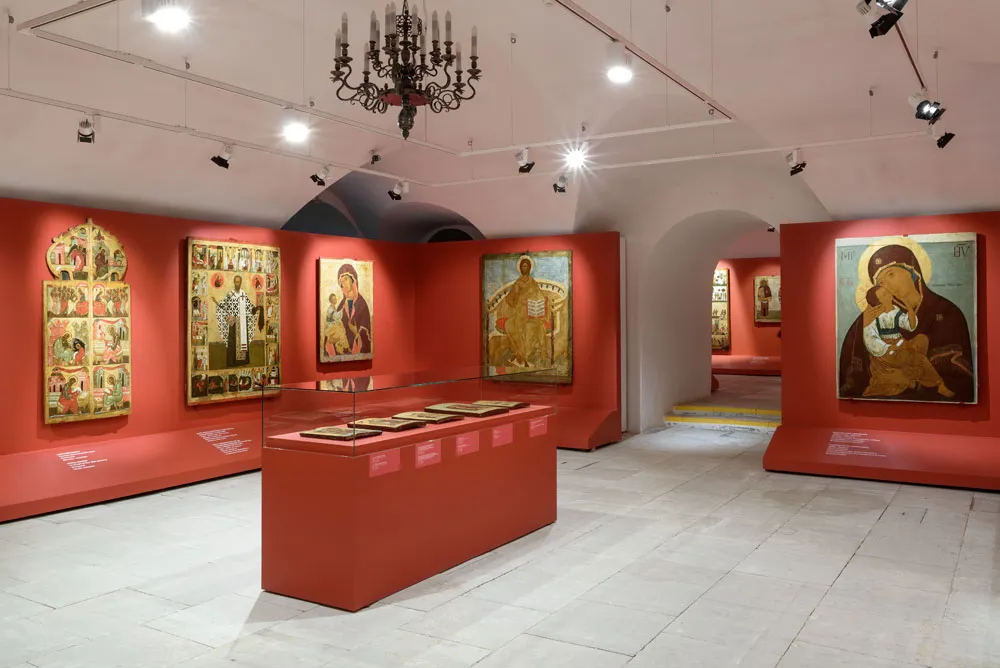
The museum's collection covers Russian icon painting from the 13th to the 20th century. It includes works associated with the artistic circles of Andrey Rublev and Dionysius, icons by masters of the Armoury Chamber, and pieces by artists whose names are unknown.

Among the notable works is the 13th-century icon of the Savior Almighty. The collection also includes icons from Moscow's 15th- and 16th-century school, sculptures dating from the 12th to the 17th centuries, and copies of frescoes. English descriptions accompany displays, offering context for visitors who do not read Russian.

A museum at Spaso-Andronikov Monastery
Andrey Rublev Museum of Ancient Russian Culture and Art

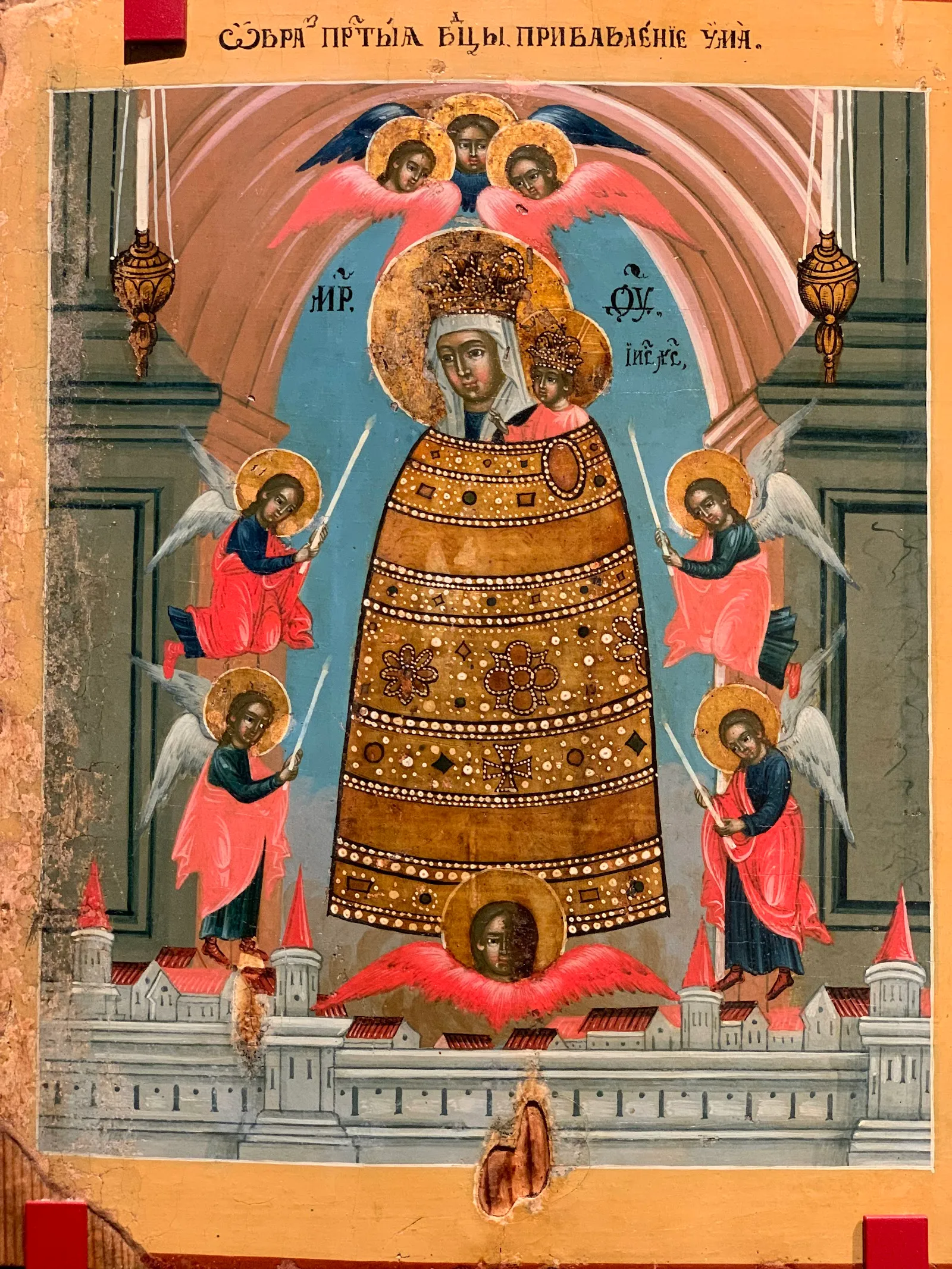
The museum stands on the grounds of Spaso-Andronikov Monastery, where Andrey Rublev is buried. Rublev and fellow icon painter Daniel Cherny were monks at the monastery and painted one of its cathedrals. The cathedral's original frescoes have not survived.

The museum was founded in 1947, and its assembled exhibition opened to visitors in 1960 in the restored white-stone cathedral. Restoration and research are part of the museum's work. Renovations are also under way on the monastery grounds, so check access conditions before planning to explore beyond the exhibition.

Learning and creative activities

The museum runs master classes, creative sessions, lectures and interactive programs, including educational projects for children. These activities add a practical dimension to a visit focused on art and its history. Check with the museum for current schedules and availability.

FAQ

What can you see at the Andrey Rublev Museum?

The collection includes Russian icons from the 13th to the 20th century, sculptures, copies of frescoes and works associated with the circles of Andrey Rublev and Dionysius. English descriptions are available.

Where is the museum?

It is at Spaso-Andronikov Monastery, Andron'yevskaya Ploshchad', 10, Moscow.

Is Andrey Rublev buried at the monastery?

Yes. His burial place is on the grounds of Spaso-Andronikov Monastery.

Does the museum have workshops?

The museum holds master classes and creative sessions, as well as lectures and interactive programs. Check with the museum for current details.

Autres incontournables à Moscou

Tout explorer