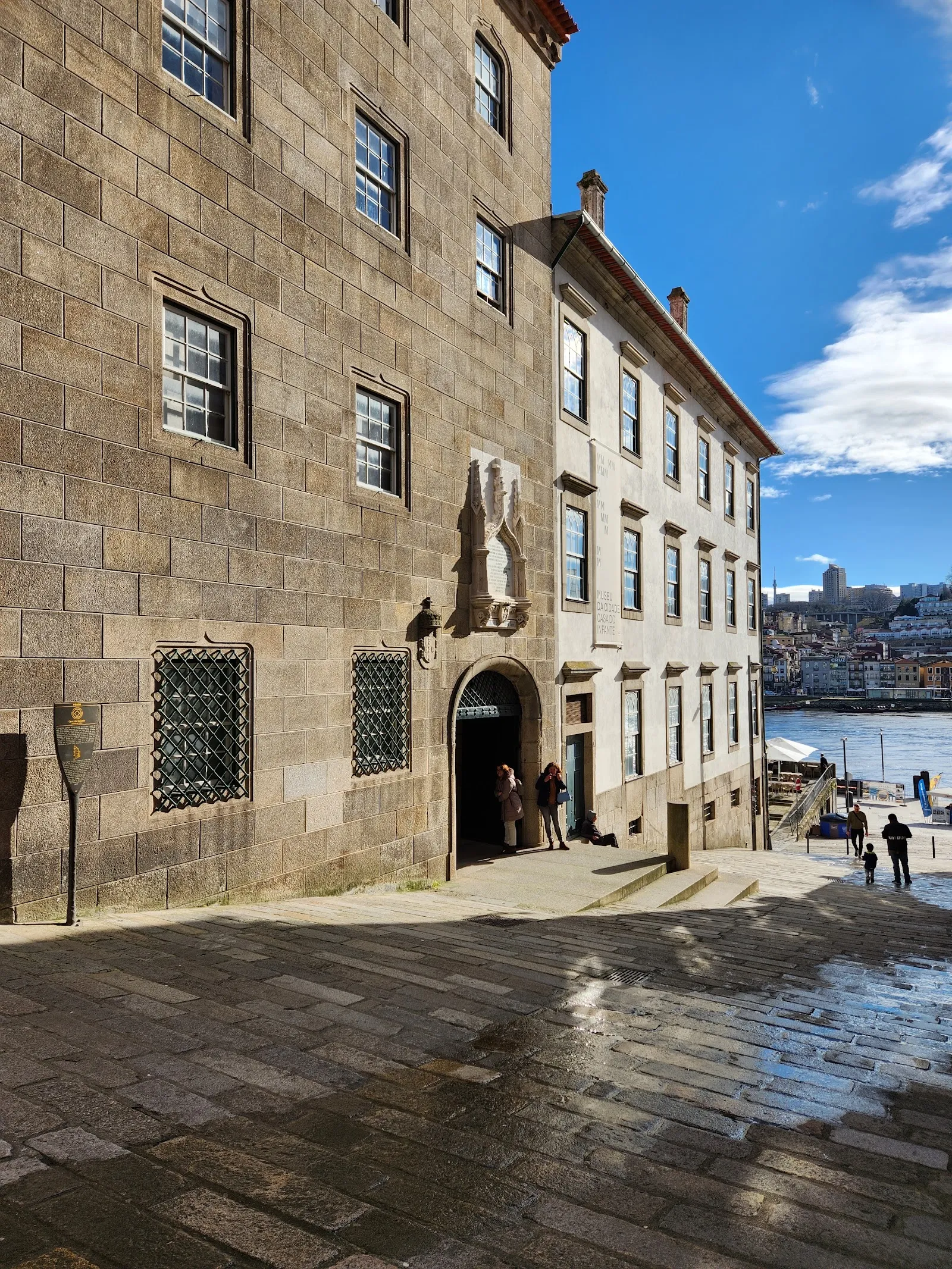
Casa do Infante is a history museum on Rua da Alfândega in Porto, inside a building whose origins date to 1325. It began as the city’s royal customs house and later served as a mint. Tradition holds that Prince Henry the Navigator was born here in 1394; exhibits connect his story with Porto’s past and Portugal’s Age of Discoveries. Look for Roman archaeological remains, including floor mosaics, alongside displays on the city’s development and the building’s changing uses.
A medieval customs house
Casa do Infante is also known as Alfândega Velha, or the Old Customs House. Its history reaches back to 1325, when a royal building was established here for customs and commercial activity. Goods entering the city were deposited and taxed at the site, which became part of Porto’s royal services.
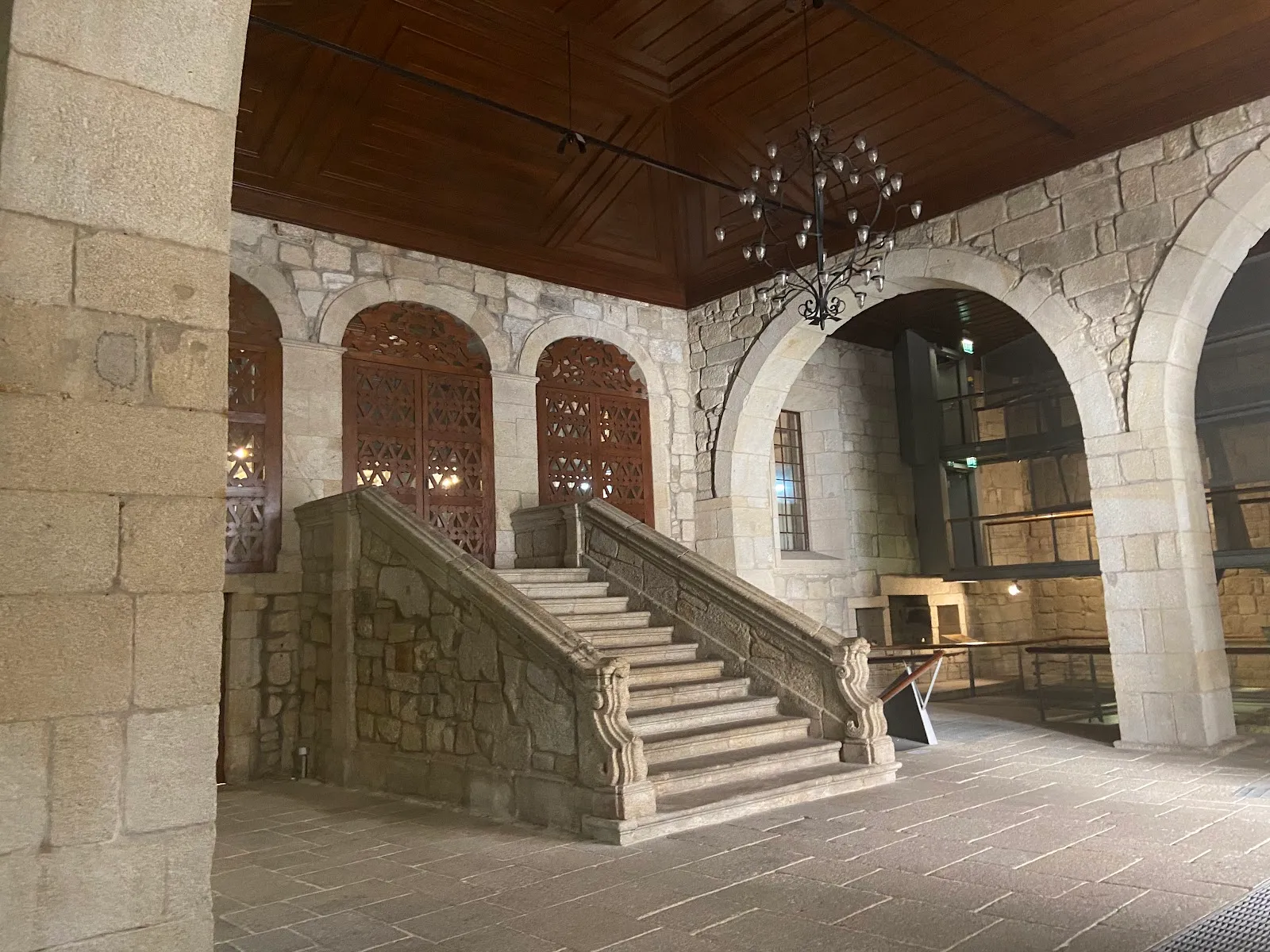
The building’s role changed over the centuries. Alongside its work as a customs house, it served as a mint. Its present appearance reflects a major renovation in the 17th century, so the structure visitors see today carries traces of different periods rather than one unchanged medieval design.
The tradition of Prince Henry’s birth
Casa do Infante takes its name from Infante D. Henrique, known in English as Prince Henry the Navigator. Local tradition identifies the building as his birthplace in 1394. The museum presents his life in connection with Porto and Portugal’s maritime history, including the period known as the Age of Discoveries.
The birthplace story is a tradition, not a certainty established by the material available. The building’s connection to Porto’s history is broader: it also records the customs and commercial activity that shaped the city as a trading port.
Roman remains and city history
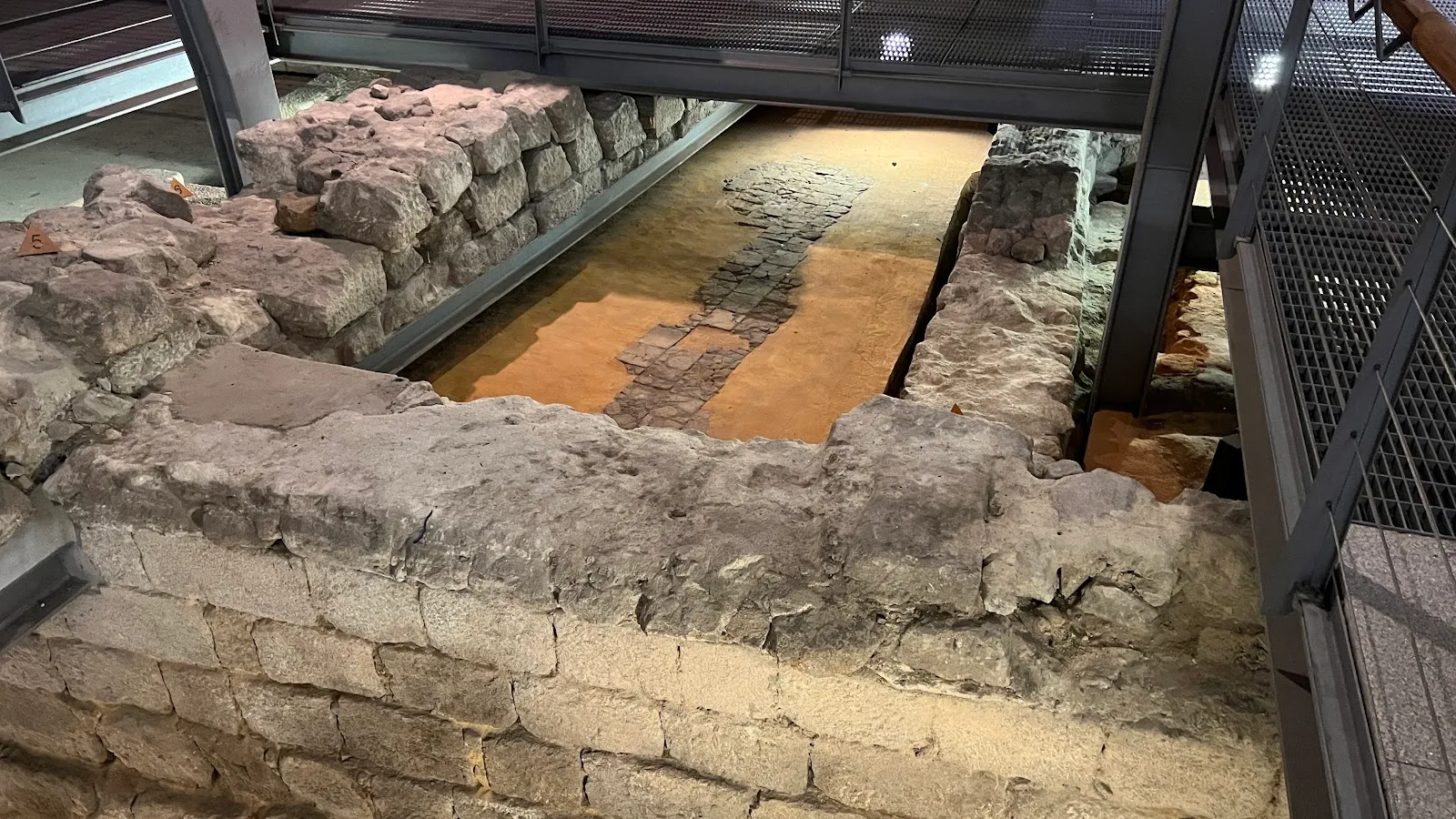
Archaeological remains are incorporated into the museum, including Roman floor mosaics and foundations uncovered beneath the building. They offer a glimpse of an earlier layer of Porto’s history within a site that later served royal and commercial functions.
The exhibitions bring together archaeological finds and historical material to trace the city’s development from Roman times through the medieval period and into its maritime era. A model of medieval Porto depicts the city around 1500. Look across the displays for the links between the building’s physical remains, its changing uses and the wider story of the city.
FAQ
Was Prince Henry the Navigator born at Casa do Infante?
Local tradition holds that he was born here in 1394. The museum explores his life and its connection with Porto and Portugal’s Age of Discoveries.
What can you see inside Casa do Infante?
The museum presents Porto’s history, the building’s former uses and material related to Prince Henry. It also includes Roman archaeological remains, floor mosaics and a model of medieval Porto.
What was Casa do Infante used for?
The site began as a royal customs house and later served as a mint. The building was also part of the Crown’s services in Porto.