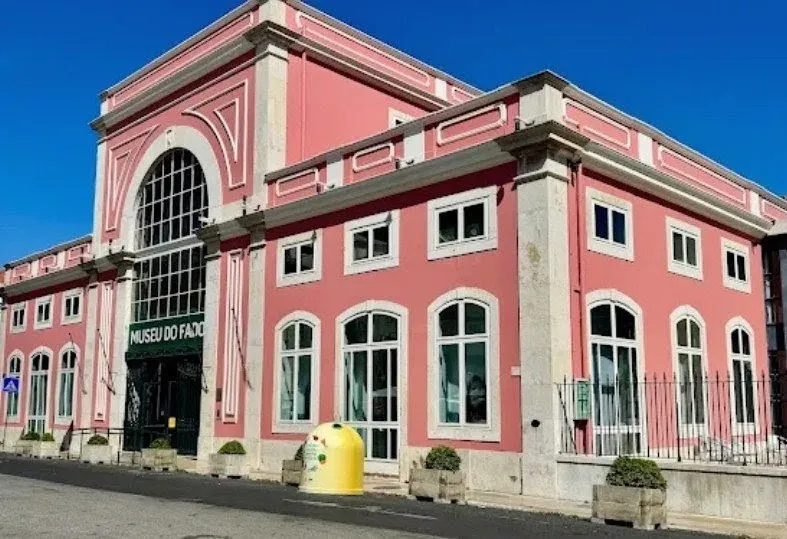
In Alfama, the Fado Museum traces the history of Portugal’s distinctive song through recordings, films, photographs, instruments and stories of its performers. Use the self-guided headset tour to hear singers as you move through the displays, and watch the documentary for context on the emotions and experiences behind the music. The exhibits introduce both newcomers and longtime listeners to the artists who shaped fado. A weekend visit can also include live music at the museum café; afterward, Alfama’s taverns and fado venues offer a chance to hear the music in performance.
Fado’s story in Lisbon
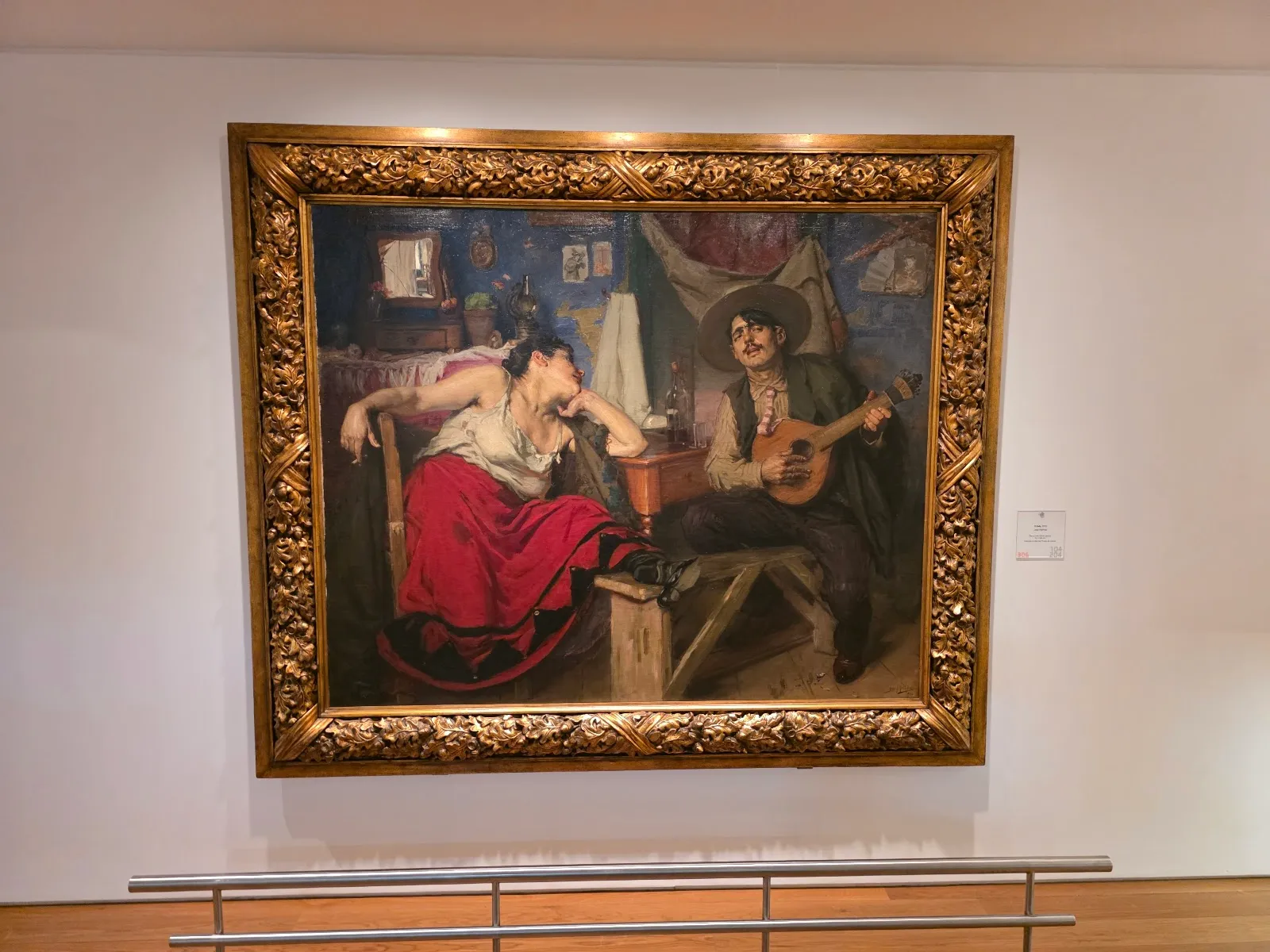
The museum is devoted to fado, a Portuguese musical tradition that became established in Lisbon’s old neighborhoods during the 19th century. Its songs often carry themes of longing, love and separation, accompanied by the Portuguese guitar. The displays follow the music’s development and its place in the city’s cultural life, introducing the artists who helped bring it to a wider audience.
Fado’s history is also tied to the people and places of Lisbon. Alfama, where the museum stands, is closely associated with the genre, which was heard in local taverns. The museum gives visitors a foundation for recognizing the music’s themes and sound before going to a live performance.
Recordings, objects and performers
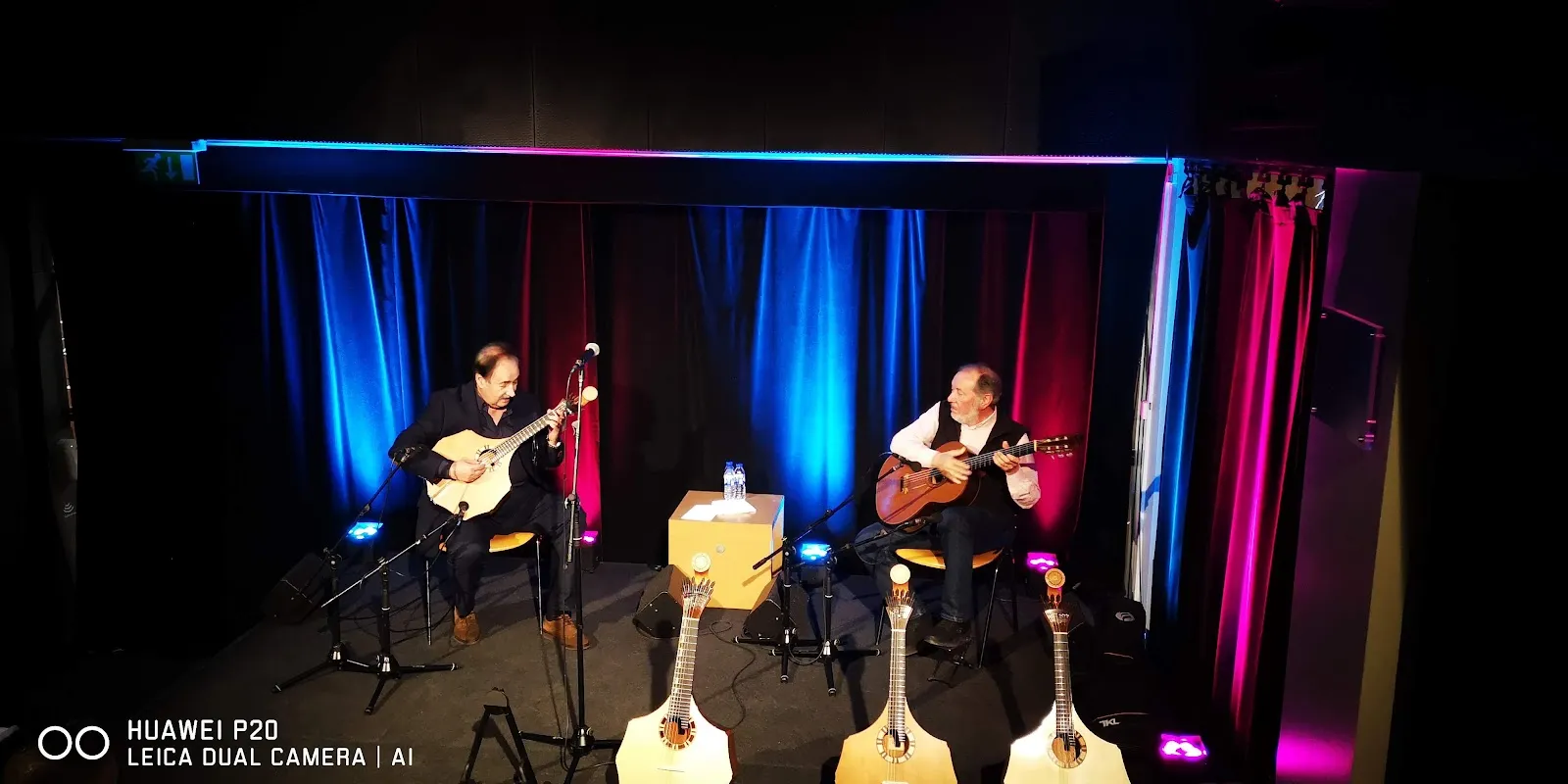
The collection brings together musical instruments, records, photographs, paintings and other material connected to fado. Displays introduce important singers and musicians, while historical images and biographical information give context to the recordings. The Portuguese guitar is central to the sound; seeing instruments alongside the music helps explain how performance and song come together.
The self-guided headset tour lets you listen as you explore. Select recordings linked to the performers on display, and take time with the music rather than treating the museum as a quick walk-through. The documentary includes fado artists speaking about their experiences and feelings. Together, the audio and film add personal context to the objects and the genre’s history.
Connecting the museum to live fado
The exhibits are designed to make the subject accessible even if you arrive with little knowledge of fado. Listening to different artists is a useful way to notice how individual voices and recordings sit within the tradition. The museum also provides a starting point for discovering performers whose work you may want to hear again after your visit.
A live performance in Alfama can extend that introduction. The neighborhood has fado venues and old taverns, and the museum café may host performances on weekends. Check locally for what is taking place during your visit. The museum also has a shop and a restaurant, and its café gives you a place to pause between the displays and the surrounding streets.
FAQ
Is the Fado Museum open on Mondays?
No. It is closed on Mondays and open Tuesday through Sunday.
How long should I allow for the Fado Museum?
Allow about 1 to 2 hours to explore the displays, listen to recordings and watch the film.
Can I listen to fado at the museum?
Yes. The self-guided headset tour includes recordings. The café may also have live performances on weekends.
Does the Lisboa Card include admission?
The card can provide free or discounted admission. Check the current terms before your visit.


