Taxila Museum stands in Taxila, Punjab, near Islamabad, and is the main place to see the Gandhara art of the region. Its galleries hold stone and stucco sculptures, coins, gold jewelry, inscriptions, terracotta figures and everyday objects, mostly from the 1st to 7th centuries CE. Many pieces were found at nearby sites such as Bhir Mound, Sirkap and Sirsukh. Buddhist relics and stupa finds are labelled and laid out in chronological order, which makes the story easy to follow. The garden around the building is a quiet place to sit before or after your tour.
The collection
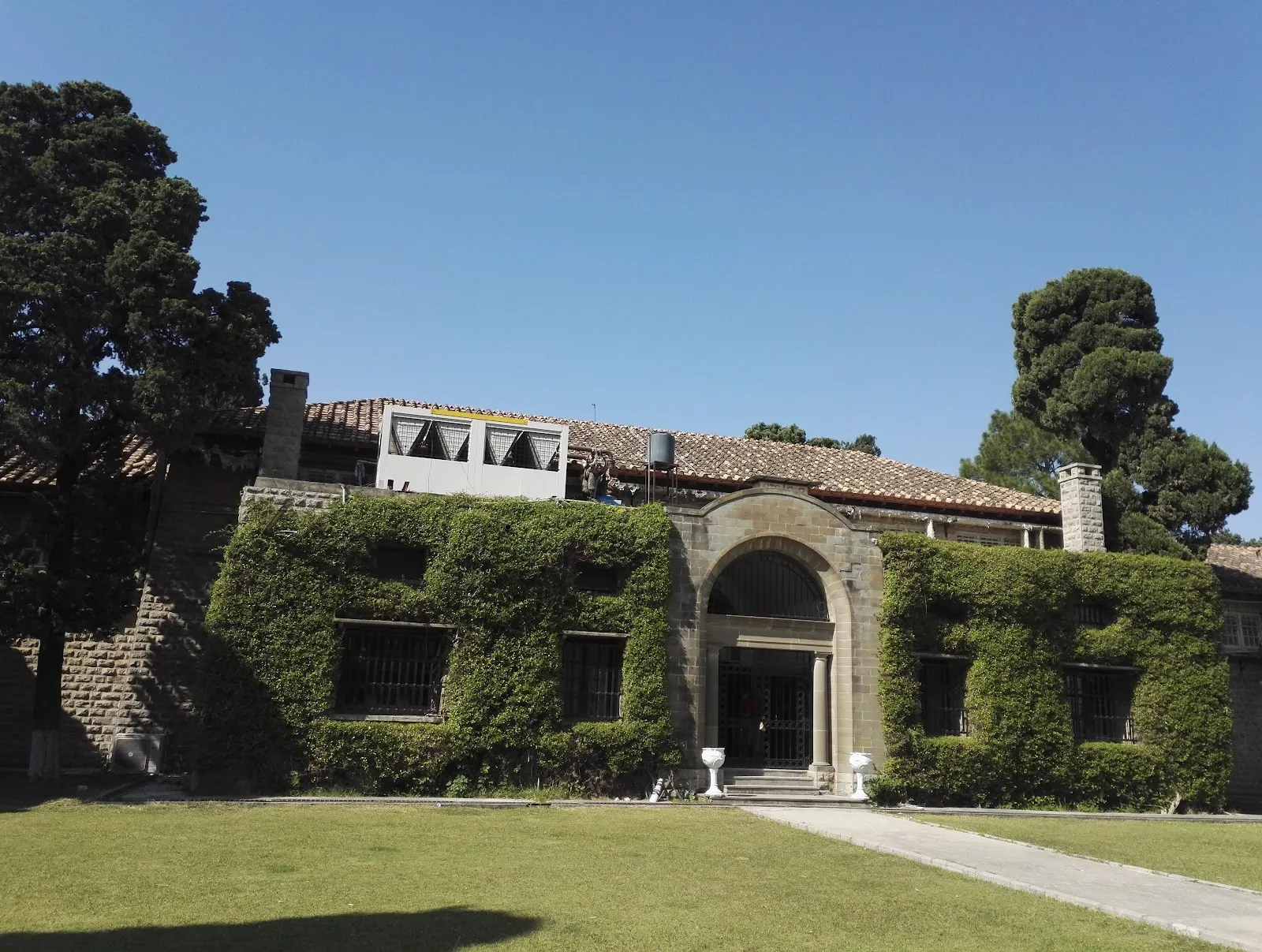
The museum is known for Gandharan art and antiquities. Stone and stucco sculptures make up a large part of the displays, and the galleries include statues of the Buddha from different periods.
The coins are one of the strongest parts of the collection. One visitor noted a group of Greek period coins dating back to around 200 BC. Gold jewelry, terracotta figures, pottery, tools and inscriptions round out the displays.
The objects also show the religious history of the region. Buddhism, Hinduism and Jainism are all represented, which makes the museum useful for anyone studying South Asian antiquity.
Building and history
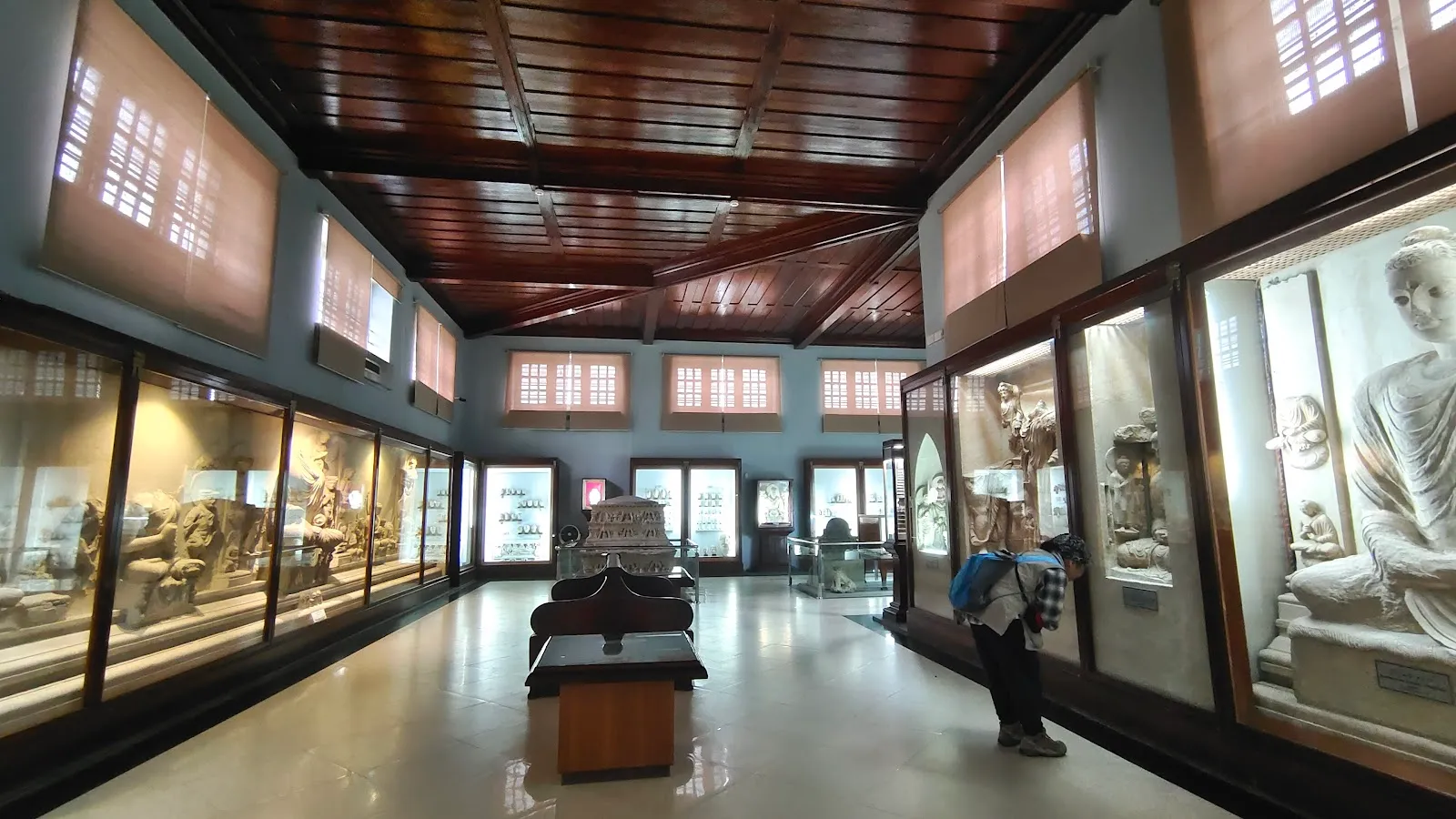
Construction of the museum building began in 1918 and was completed in 1928, during the British era. It was built to hold the finds from the excavations around Taxila.
Many of the objects came from nearby archaeological sites, including Bhir Mound, Sirkap and Sirsukh, as well as Buddhist stupas and monasteries in the Taxila Valley. The valley is a UNESCO World Heritage Site, and the museum is often visited together with the ruins.
Buddhist relics and the galleries
The Buddhist relics and stupa finds are among the most visited parts of the collection. Labels are clear, and the pieces are arranged in chronological order, so you can follow how the art changed over time.
One recent visitor described the sacred Buddha relics as a highlight, displayed in a newer gold-finished case. Plan to spend time with these cases, since the pieces are small and detailed.
Visitors with a special interest in ancient civilizations will find the galleries well suited to slow reading. Take the time to read the labels, as the context is what makes the objects meaningful.
The building and garden
The museum building is clean and well kept. Its galleries are neatly arranged, and the staff are courteous to visitors, including families and groups.
The building sits in a landscaped garden with green lawns. It is a pleasant place to sit before or after the galleries, and it is comfortable for both locals and tourists.
Nearby archaeological sites
The sites around the museum include Bhir Mound, Sirkap, Sirsukh and several Buddhist stupas and monasteries. Chingchi rickshaws wait outside the museum and can take you to these sites.
The Taxila ruins are about 39 km from Islamabad. One visitor who rode a bicycle from Islamabad described the trip as roughly an hour each way. Build in time for the ruins, and aim to reach them before sunset, as the scenery is better in the late light and the area is quieter before dark.
The ruins date back to around the 6th century BC, which gives the museum's collection more context when you visit both in one day.
Guides, access and facilities
Guides are on staff at the museum. They are knowledgeable, and one visitor described a guide with decades of experience in Gandharan history. Ask about the fee before the tour begins, and decide whether a shorter visit suits you.
The site has a restaurant, restrooms and a changing table. The entrance and restroom are wheelchair accessible, and there is a wheelchair accessible parking lot. Both free and paid parking are available, and the museum is good for children.
The museum charges admission. Buy tickets in advance, and plan for a weekday, since the museum is closed on weekends.
FAQ
Is there an entry fee for Taxila Museum?
Yes, the museum charges an admission fee. Check the current price at the entrance or ticket desk before you go.
Is Taxila Museum open on weekends?
No. The museum is closed on Saturday and Sunday, so plan your visit for a weekday.
How do I get to the nearby ruins from the museum?
Chingchi rickshaws wait outside the museum and can take you to the nearby archaeological sites, including Bhir Mound, Sirkap and Sirsukh.
Is Taxila Museum wheelchair accessible?
Yes. The entrance and restroom are wheelchair accessible, and there is a wheelchair accessible parking lot.
Do I need a guide at Taxila Museum?
Guides are available on site, but their fees can be high. You can also explore the galleries at your own pace with labels and a guidebook.