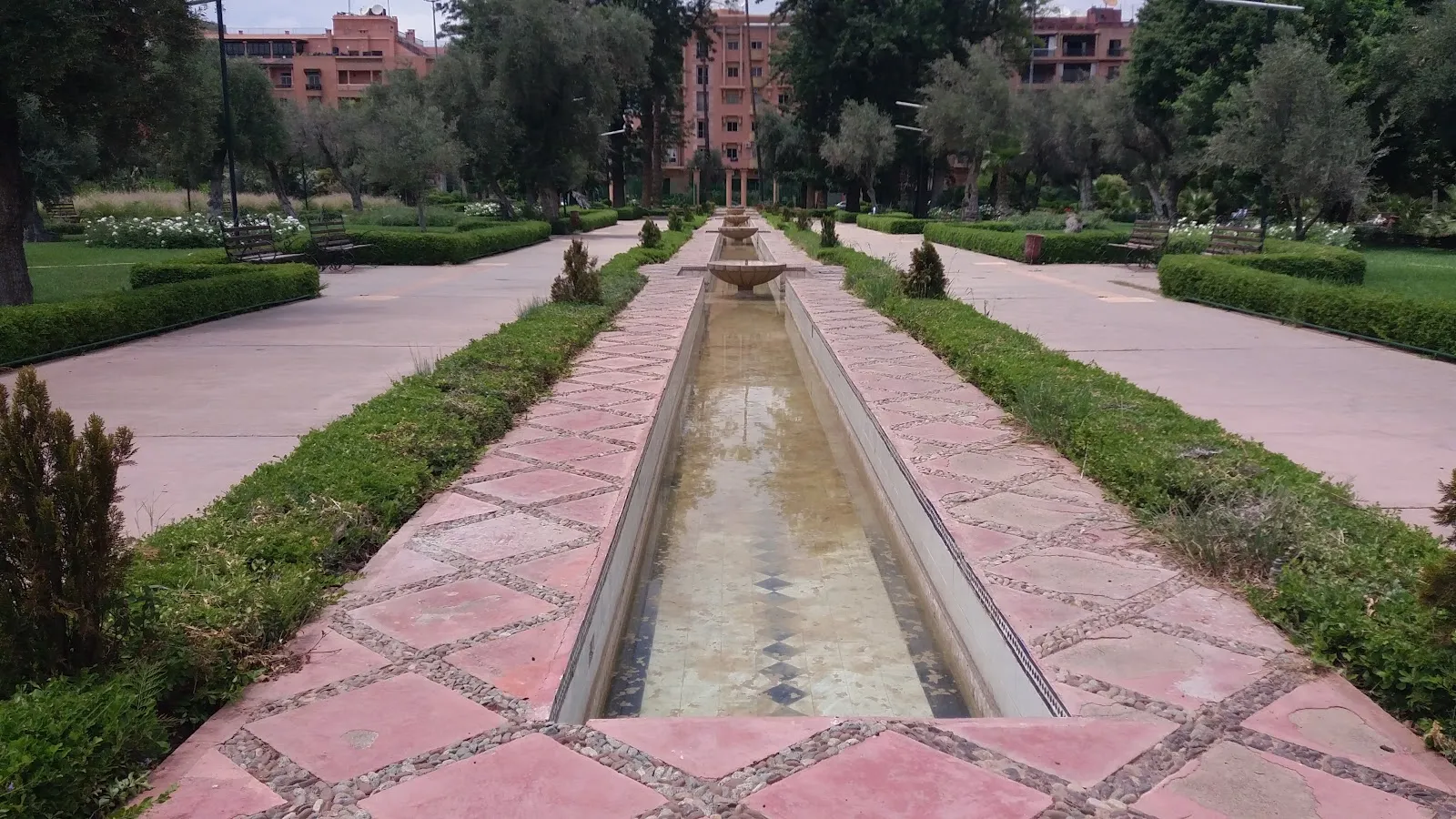
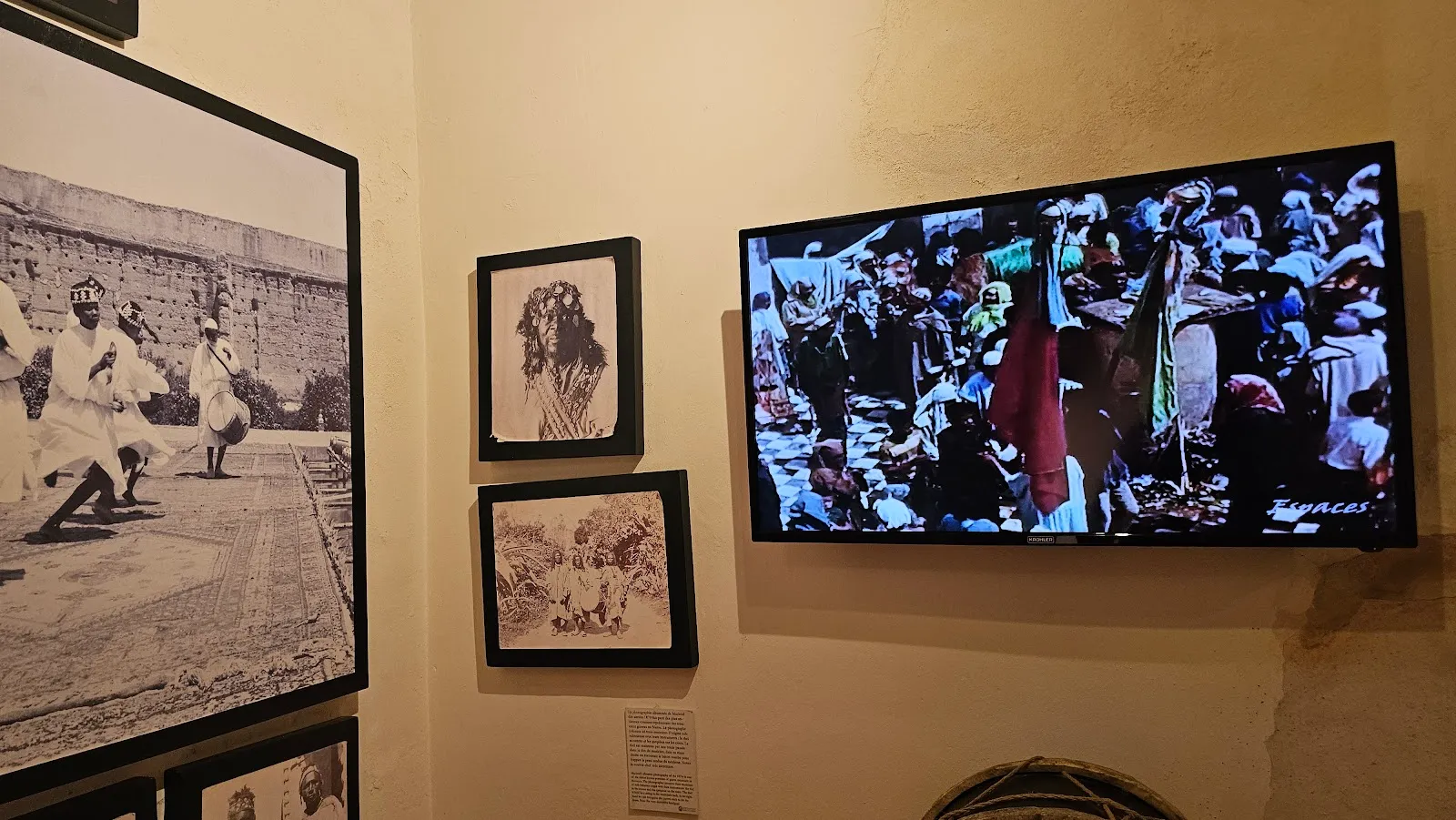
In Marrakech’s Kasbah district, the Saadian Tombs are a royal burial complex dating to the 16th century. More than 60 members of the Saadian dynasty, including Sultan Ahmed al-Mansur, are buried here. Look for the Carrara marble columns, carved plaster, cedar details and colourful zellij tilework in the mausoleums, then see the tiled graves in the garden. The Hall of Twelve Columns is the architectural highlight. Arrive early to have more time to view the details and avoid the queues that can form at the narrow viewing entrance.
A royal burial ground in the Kasbah
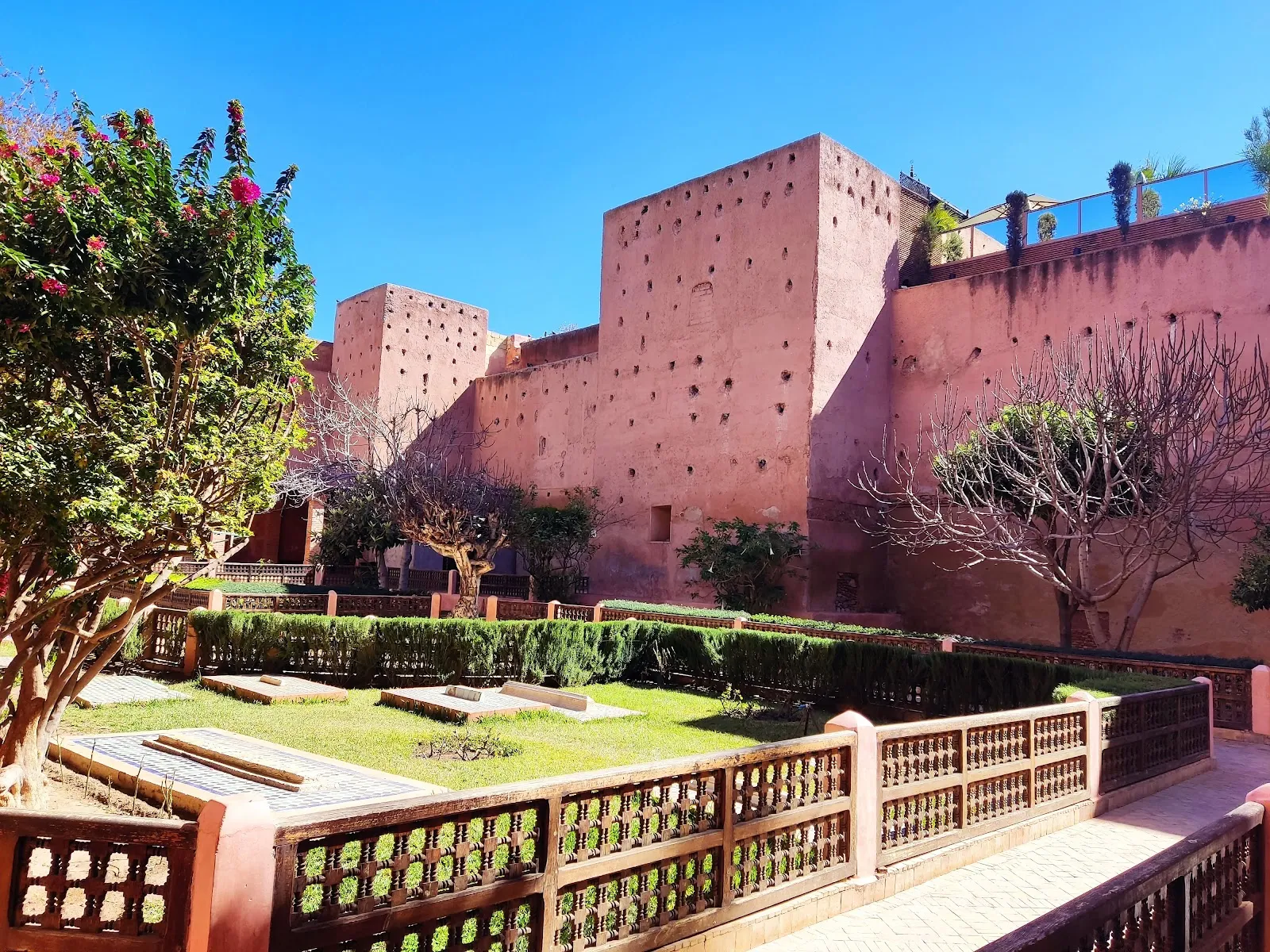
The Saadian Tombs lie in Marrakech’s Kasbah district, close to the Kasbah Mosque. Sultan Ahmed al-Mansur commissioned the complex for himself and his family in the 16th century. It became the resting place of more than 60 members of the Saadian dynasty, which ruled Morocco during the 16th and 17th centuries. Graves also extend into the garden, where members of the royal household, including soldiers and servants, were buried.
The Saadians’ rule ended in the 17th century. Their tombs were then sealed off and hidden from view for centuries. The complex was rediscovered in 1917 and later restored. Its decoration and burial chambers offer a rare surviving record of the dynasty’s presence in Marrakech.
Details to look for
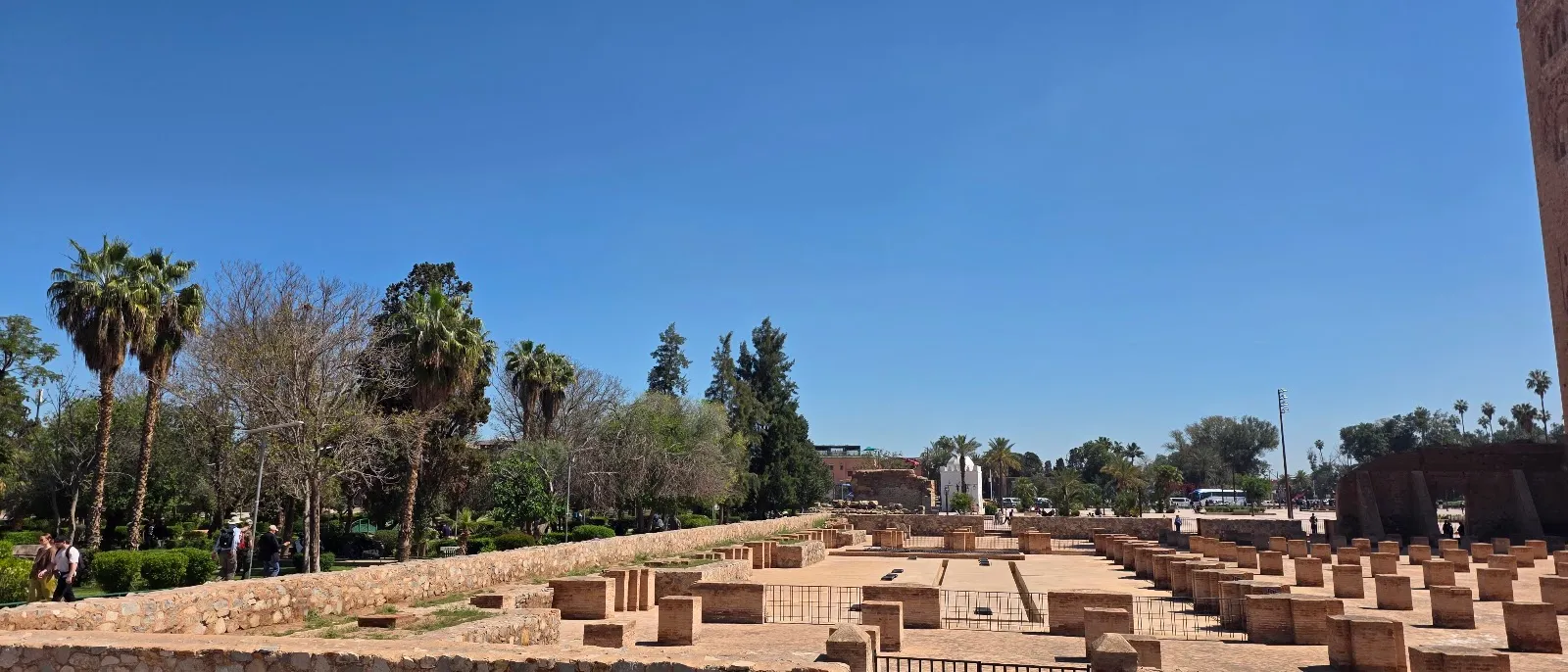
The mausoleums bring together Italian Carrara marble, colourful zellij mosaics, carved plaster and cedar wood. Take time to notice how these materials appear across the tombs and interior decoration. The Hall of Twelve Columns is the main architectural highlight. It contains Sultan Ahmed al-Mansur’s tomb and a cedar wood dome.
The garden provides a different view of the site. Tiled graves sit among the planting, outside the more elaborate mausoleums. Together, the garden and the decorated chambers show how the complex served both the ruling family and people connected to the royal household.
Planning your visit
The site is open daily from 9 am to 5 pm. The main viewing point is reached through a narrow entrance, so visitors can end up waiting in line, particularly when several people arrive at once. Early morning is a practical choice if you want a quieter visit and more time to examine the decoration. Late afternoon is another suggested time to avoid the busiest periods.
A visit can be brief, but a guide can help explain the Saadian dynasty and the role of the tombs. The complex is close to other sights in the Kasbah, so it can fit into a wider walk around the district. Check current access arrangements before visiting, as reports about entry into the main chambers differ.
FAQ
Where are the Saadian Tombs?
They are in Marrakech’s Kasbah district, near the Kasbah Mosque.
Who is buried at the Saadian Tombs?
More than 60 members of the Saadian dynasty are buried in the complex, including Sultan Ahmed al-Mansur. The garden also contains graves of soldiers and servants.
How long does a visit take?
The tombs can be viewed in about 10 to 15 minutes, though a queue at the narrow viewing entrance can add waiting time.
When is the best time to visit?
Go early in the morning to reduce the chance of a long queue and have more time to look around.