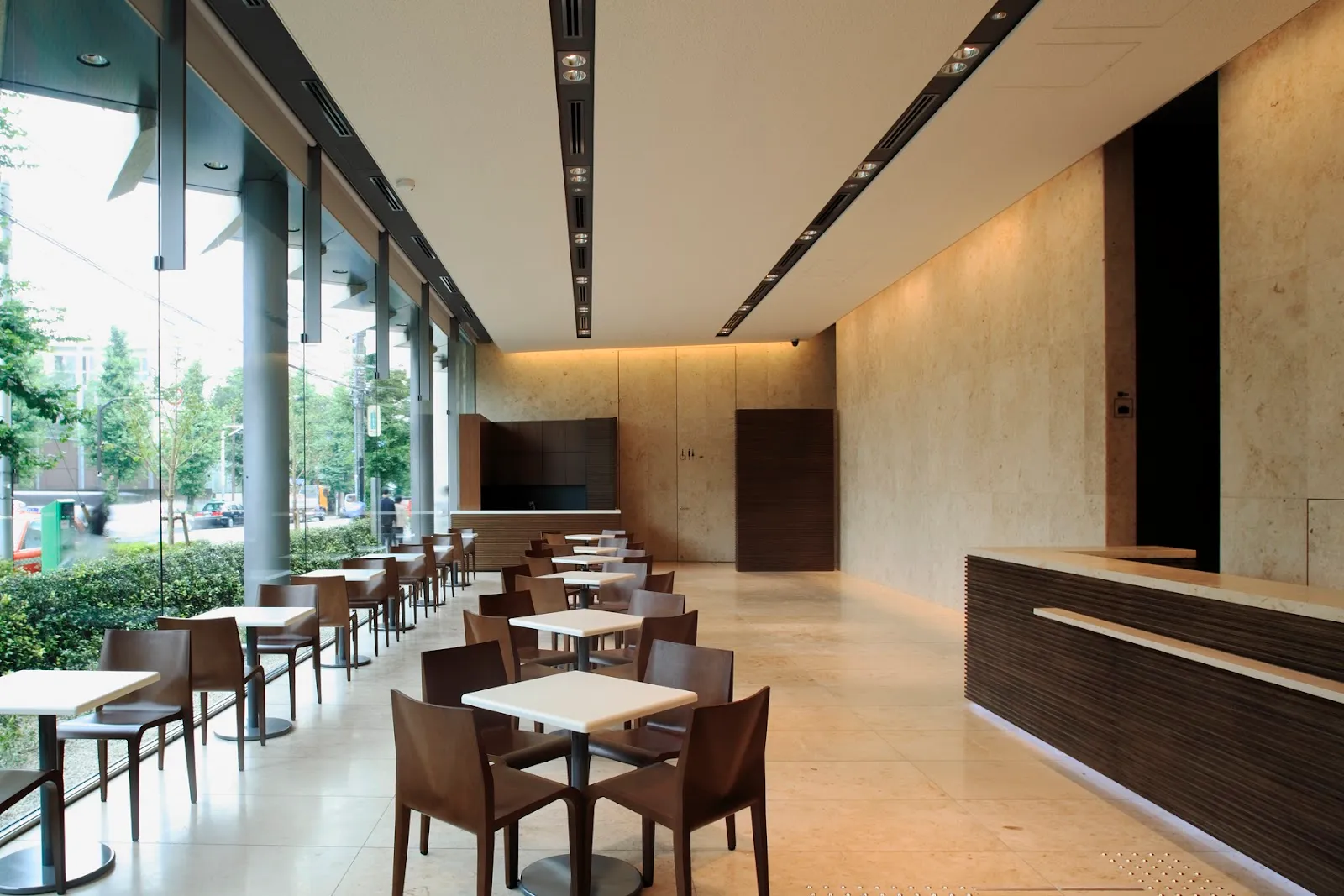
In Tokyo’s Hiroo district, the Yamatane Museum of Art focuses on nihonga, Japanese-style painting, with a collection of more than 1,800 works. Rotating exhibitions draw on paintings, ukiyo-e prints, calligraphy and other art, so the display changes from visit to visit. The compact galleries give you time to look closely at brushwork, pigments and seasonal subjects. QR codes beside many works provide explanations in English and other languages. After the galleries, stop at Café Tsubaki for tea and wagashi, traditional Japanese sweets.
A museum focused on Japanese painting
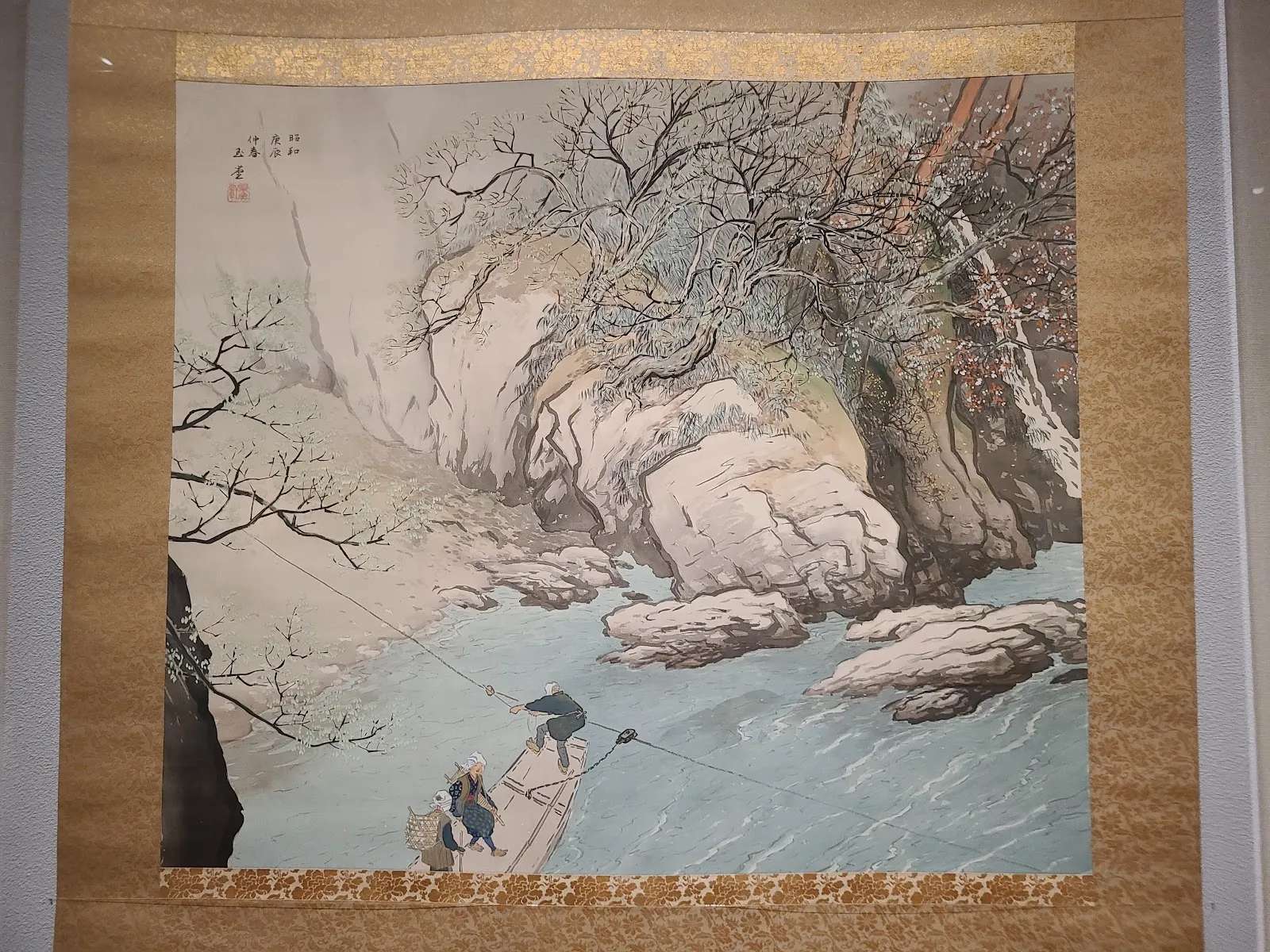
The Yamatane Museum of Art opened in 1966 as Japan’s first museum dedicated to Japanese-style painting. Its founder, Taneji Yamazaki, began the collection that has grown to more than 1,800 works. The museum is in Hiroo, Shibuya, and moved to its current location in 2009.
Nihonga is the collection’s main focus. The term refers to Japanese-style painting, and the works span modern and contemporary periods as well as earlier traditions. The collection also includes ukiyo-e prints, oil paintings, calligraphy and textiles. Only a selection is on view at any one time, so an exhibition is a chance to see particular works and themes rather than the full collection.
Looking closely at the works
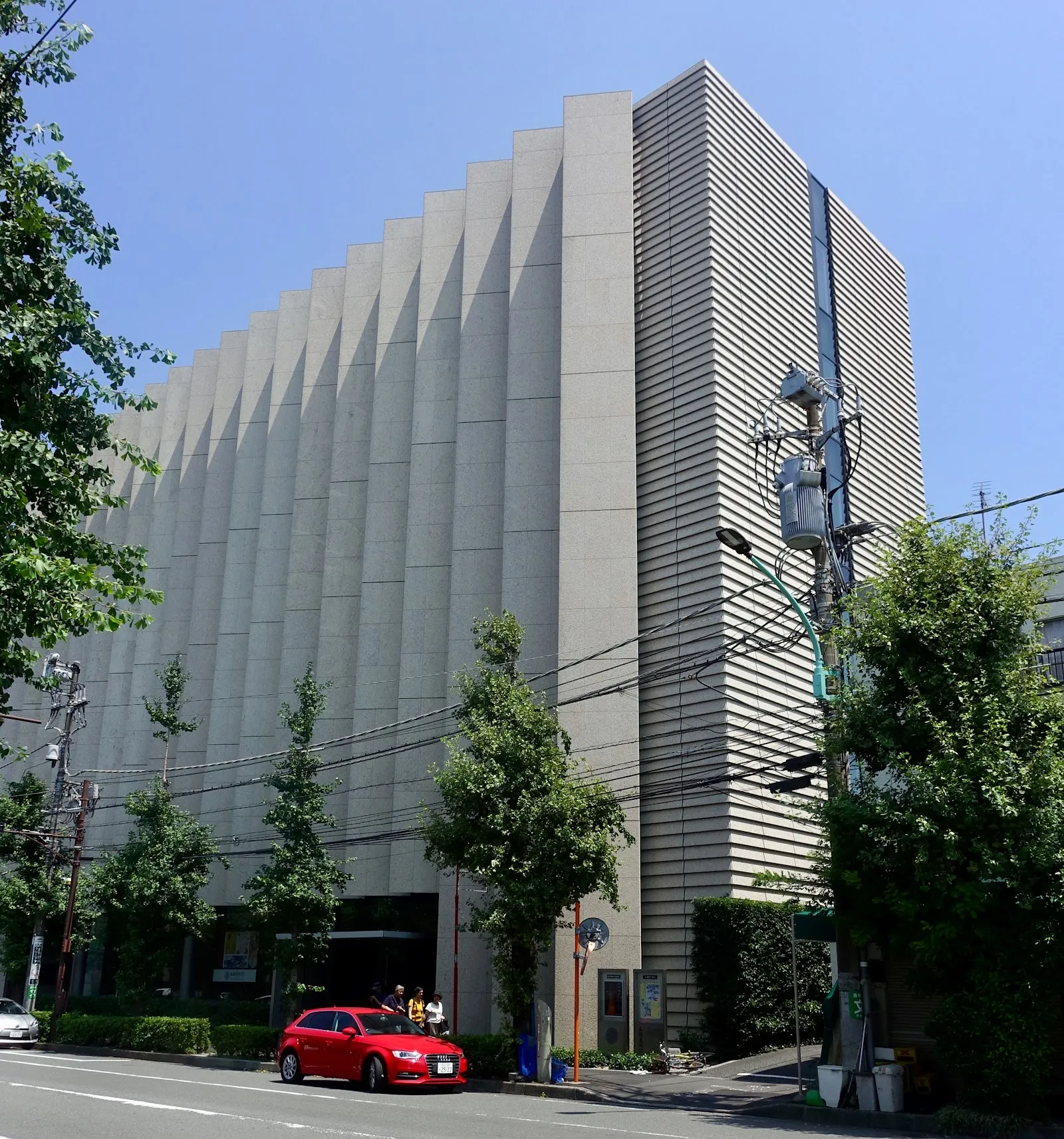
The galleries are compact, with two exhibition spaces on the basement level: one for special exhibitions and another for the permanent collection. Their scale makes it practical to spend time with individual works. Look closely at the brushwork and the use of traditional materials, including mineral pigments and ink on silk screens and wood panels.
Exhibitions draw on different subjects, including the natural world and seasonal themes. Past displays have included flowers and works exploring different forms of love. Since the works on view rotate, check the current exhibition information before you go if you have a particular subject or artist in mind.
QR codes beside many artworks provide explanations in English and other languages. Photography is not permitted through most of the exhibition, which gives you a reason to focus on the works in front of you. Check the signs in the galleries for the current photography rules.
A break at Café Tsubaki
Café Tsubaki serves tea with wagashi, Japanese sweets, as well as cake sets. The museum café is a natural place to pause after the galleries, and its offerings can connect with the exhibition theme. The museum also has a shop between the two gallery rooms, with postcards among the items available.
Free lockers behind reception let you leave belongings before entering the galleries. The museum has restrooms and wheelchair-accessible entrance and restroom facilities. Allow around an hour and a half for a relaxed visit, including time to look through the exhibition and take a break.
FAQ
What kind of art is at the Yamatane Museum of Art?
The museum focuses on nihonga, or Japanese-style painting, and also has ukiyo-e prints, oil paintings, calligraphy and textiles. The collection contains more than 1,800 works, but only a selection is displayed at a time.
Are explanations available in English?
QR codes beside many artworks provide explanations in English and other languages.
Can you take photos inside the museum?
Photography is restricted through most of the exhibition. Check the gallery signs for the rules in effect during your visit.
How long should I allow for a visit?
Allow about 1.5 hours to view the works at a comfortable pace.