The Tokyo Metropolitan Teien Art Museum occupies the former residence of Prince Asaka in Shirokanedai, Minato City. Completed in 1933, the Art Deco building pairs French-inspired interiors with Japanese craftsmanship, and rotating exhibitions bring art into its historic rooms and modern annex. Look for René Lalique’s glasswork, detailed woodwork, lighting and fireplaces, then walk through the gardens, where a koi pond, sculptures and a tea room offer a quieter change of pace. The building’s history is part of the visit, including its connection to the imperial family.
A residence shaped by Art Deco
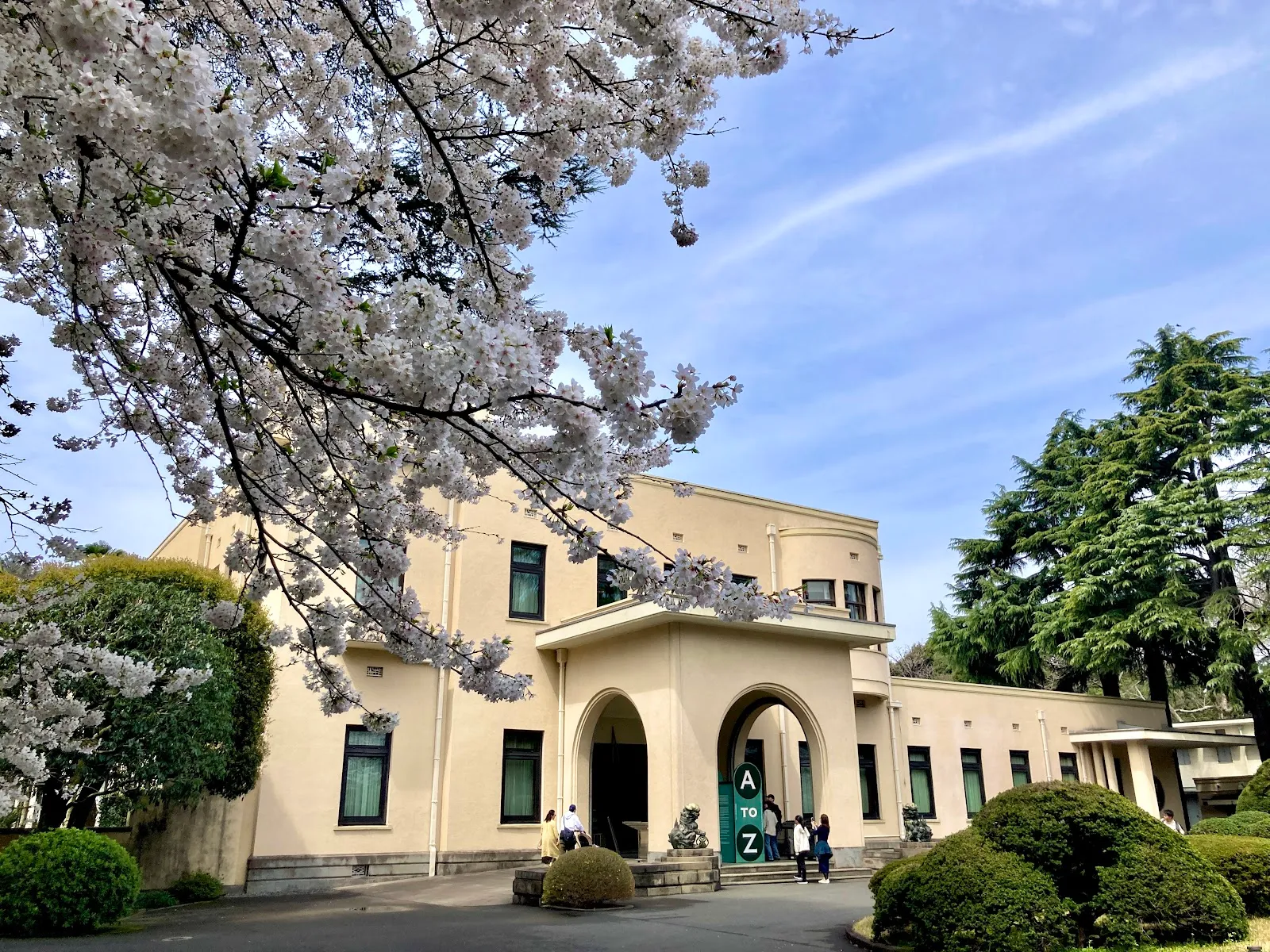
The museum’s main building began as the residence of Prince Asaka and his family. Completed in 1933, it was designed during a period when Art Deco was influencing architecture and decorative arts in France and Japan. Prince Asaka had lived in France, and the house brought that style into a Japanese setting.
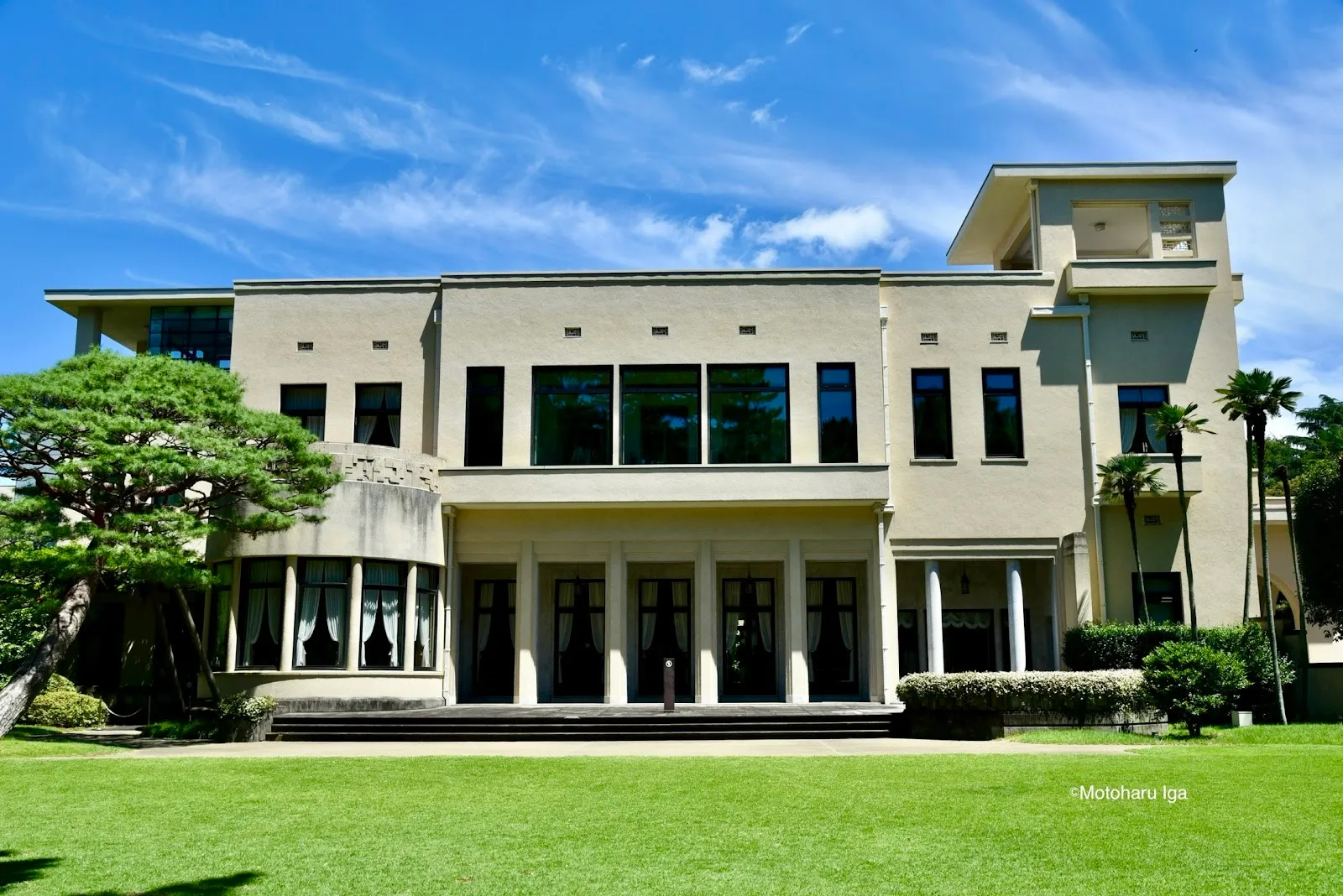
Japanese architect Gondo Yukichi handled the building, while French designer Henri Rapin worked on its interiors. René Lalique created glass elements, including a relief door panel and light fittings. The result is a house where the fittings and rooms are part of the experience, not just a backdrop for the current exhibition.
Details inside the former residence
Exhibitions change through the year, with works shown in both the historic residence and the annex. The museum has no permanent collection; past exhibitions have included modern paintings, sculpture and ceramics, as well as themes such as furniture, fashion and interior design.
As you move through the former home, look for its glasswork, wallpapers, lighting, fireplaces and wood details. Some rooms retain their original appearance, giving the exhibition a setting closely tied to the building’s history. The house was converted into a museum in 1983, after serving other purposes, including as a prime minister’s residence and a state guesthouse.
A garden visit beyond the galleries
The grounds include Japanese and Western gardens, sculptures, a pond with koi and a traditional tea room. The garden gives the visit a different pace from the indoor galleries, with paths and artworks set among greenery. Cherry blossoms in April and autumn foliage are noted seasonal draws.
The museum is close to Meguro Station and Shirokanedai Station. If you are planning around a particular exhibition, check the museum’s current information before visiting, since the main building has sometimes been closed while the grounds remained accessible.
Approaching the residence’s history
The former home is tied to Prince Asaka, a member of the imperial family, and its elegant rooms can prompt reflection on the history surrounding him. His connection to alleged wartime crimes, including the Nanjing massacres, is a painful part of that history. The museum visit can hold both the artistic achievement of the residence and the moral weight of the person who lived there.
FAQ
What is the Tokyo Metropolitan Teien Art Museum known for?
It is housed in Prince Asaka’s former residence, completed in 1933, and is known for its Art Deco architecture, decorative interiors and changing art exhibitions.
Does the museum have a permanent collection?
No. It hosts rotating exhibitions through the year, including works such as paintings, sculpture and ceramics.
What can you see in the gardens?
The grounds include Japanese and Western gardens, sculptures, a koi pond and a traditional tea room.
Can you take photographs inside the museum?
Photography is allowed inside, but video recording is not.