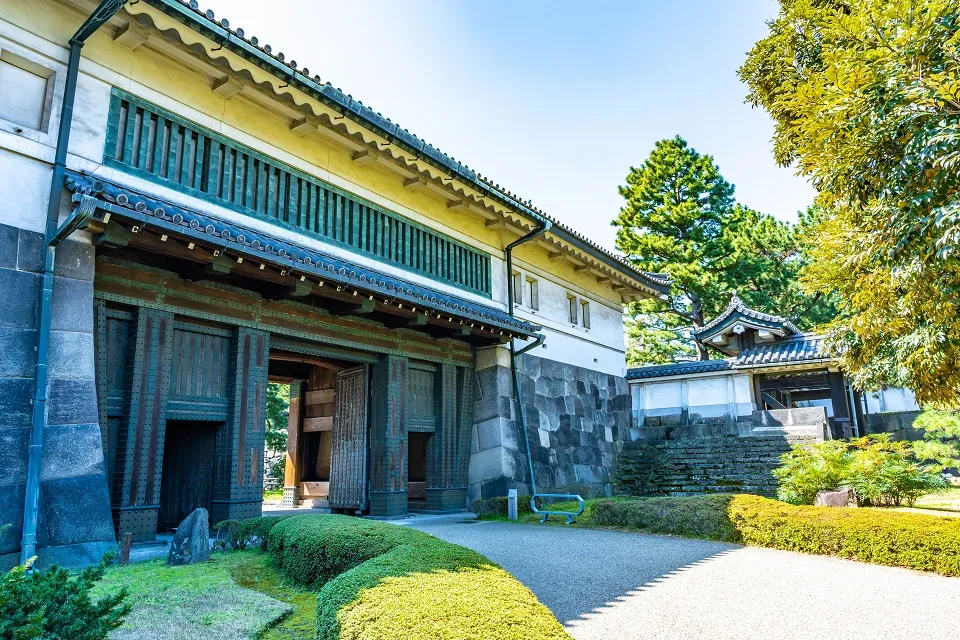
Rikugien Gardens is an Edo-period landscape garden in Tokyo’s Bunkyo City, designed around a pond, wooded paths and low hills. Its name refers to the six principles of waka poetry, and 88 small-scale scenes draw on poems and celebrated landscapes. Walk the circuit to see how the views change, then pause at a teahouse for matcha and traditional sweets. Spring brings weeping cherry blossoms and azaleas; autumn brings vivid maple foliage and, during special events, evening illuminations.
A garden shaped by poetry
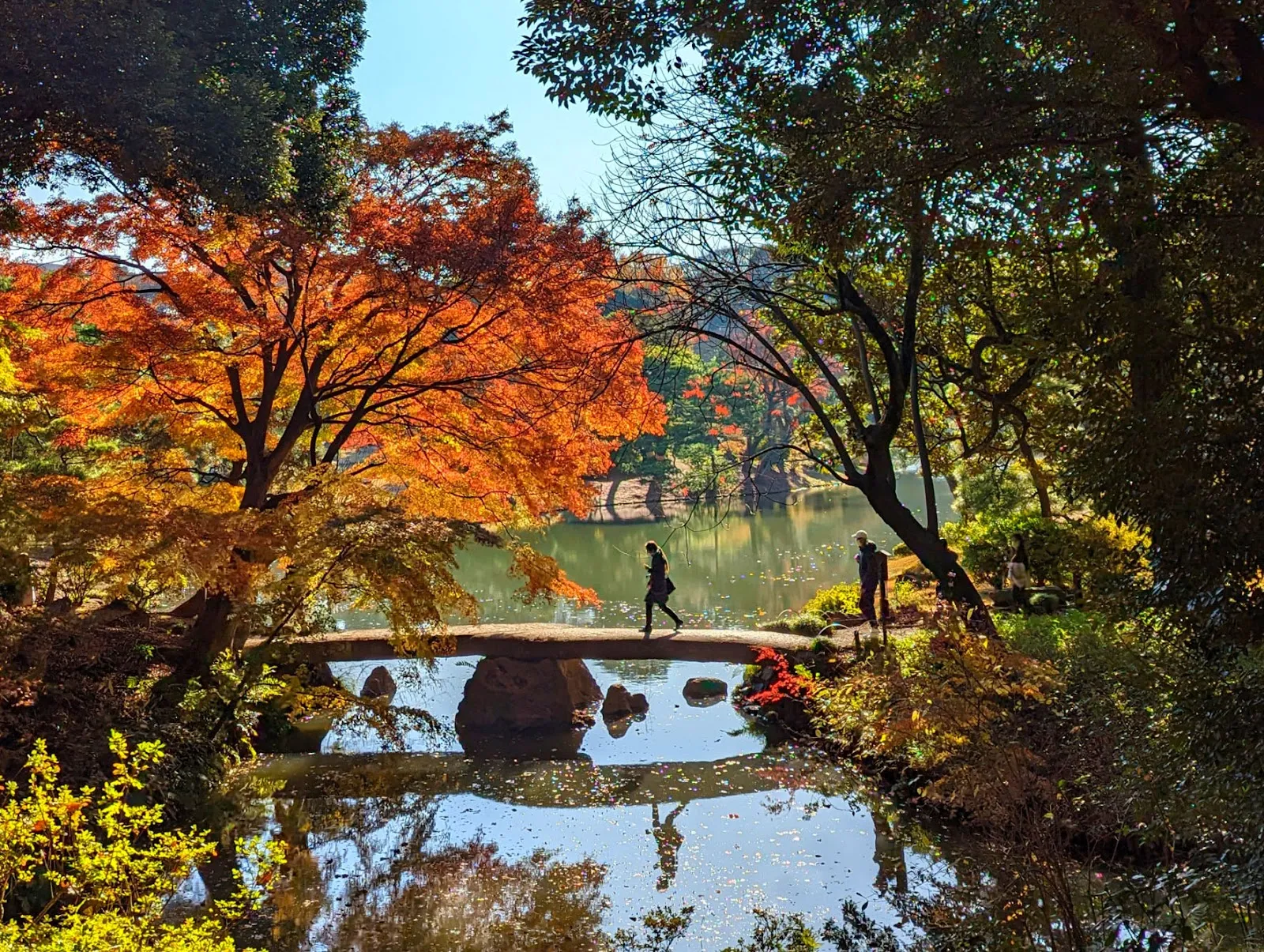
Rikugien was created for Yanagisawa Yoshiyasu, an adviser to the fifth Tokugawa shogun, Tsunayoshi. Work began in 1695 and took seven years. Yoshiyasu drew on his knowledge of waka, a traditional form of Japanese poetry, to shape the grounds around literary images and admired landscapes.
The garden’s name is commonly translated as “Garden of Six Poems” or “Garden of the Six Principles.” Its design includes 88 miniature scenes inspired by classical poems and scenic places. Some are marked by plaques bearing lines from well-known poets. These details reward a slower walk, though you can enjoy the arrangement of water, trees and hills without knowing each reference.
Following the circuit path
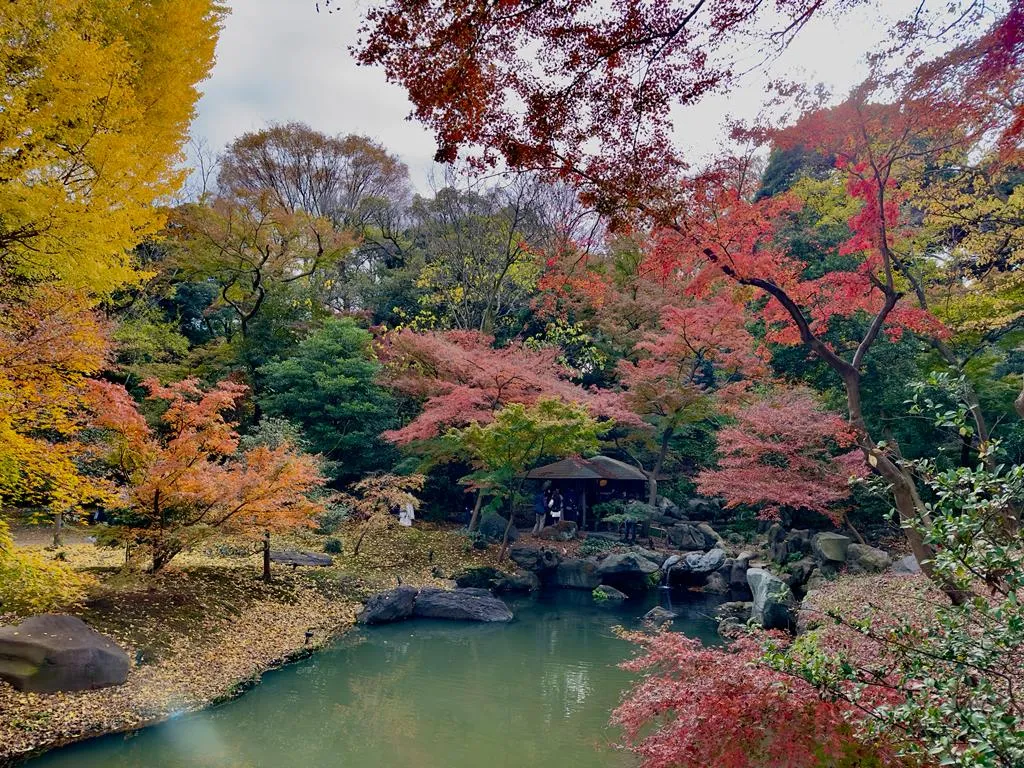
Rikugien is a strolling garden, with a path that loops around a large central pond. Man-made hills, small streams, bridges, pavilions and teahouses shape the route. The pond remains a central point, but the view changes as the path curves and opens onto different parts of the grounds.
Look for the Watarigetsukyo Bridge, modeled on a bridge in Kyoto, and take the path up the viewing hill for a view over the garden. The landscape is designed to be experienced on foot: pauses along the way reveal framed views of the pond, shoreline and planted slopes. Allow time to walk at an unhurried pace rather than treating the circuit as a quick crossing.
Flowers, leaves and evening light
Seasonal planting gives the garden a different character through the year. In spring, its weeping cherry trees are a main draw, with azaleas also in bloom. One large weeping cherry is about 15 metres high and 20 metres wide. Autumn brings color from the maple trees, with around 400 Japanese maples among the garden’s plantings.
Special seasonal events can extend visiting hours and illuminate blossoms or autumn foliage after dark. These events do not follow the garden’s regular schedule, so check the official website before planning an evening visit. Spring and autumn are especially popular periods; an early arrival can help you start your walk before the busiest part of the day.
Teahouses and a quiet pause
Teahouses around the pond give you a place to rest during the walk. At Fukiage Chaya, matcha and traditional Japanese sweets have been available for visitors. Teahouse service and seasonal event details can change, so confirm current arrangements with the garden before you go.
Rikugien is at 6 Chome-16-3 Honkomagome, Bunkyo City. The grounds have wheelchair-accessible entrance facilities, but many of the most scenic areas are difficult to access by wheelchair. If step-free movement throughout the garden is important for your visit, check with the garden about current route conditions.
FAQ
How long should you spend at Rikugien Gardens?
Allow about one to two hours for a relaxed walk around the garden and time to pause at the viewing hill or a teahouse.
What is Rikugien Gardens known for?
It is an Edo-period strolling garden with 88 miniature scenes inspired by Japanese poetry, a central pond and seasonal plantings.
When is the best time to visit Rikugien Gardens?
Spring is known for weeping cherry blossoms, while autumn brings colorful maple leaves. Special evening illuminations take place during some seasonal events; check the official website for dates.
Is Rikugien Gardens wheelchair accessible?
There is a wheelchair-accessible entrance, but many of the garden’s scenic areas are difficult to reach by wheelchair.