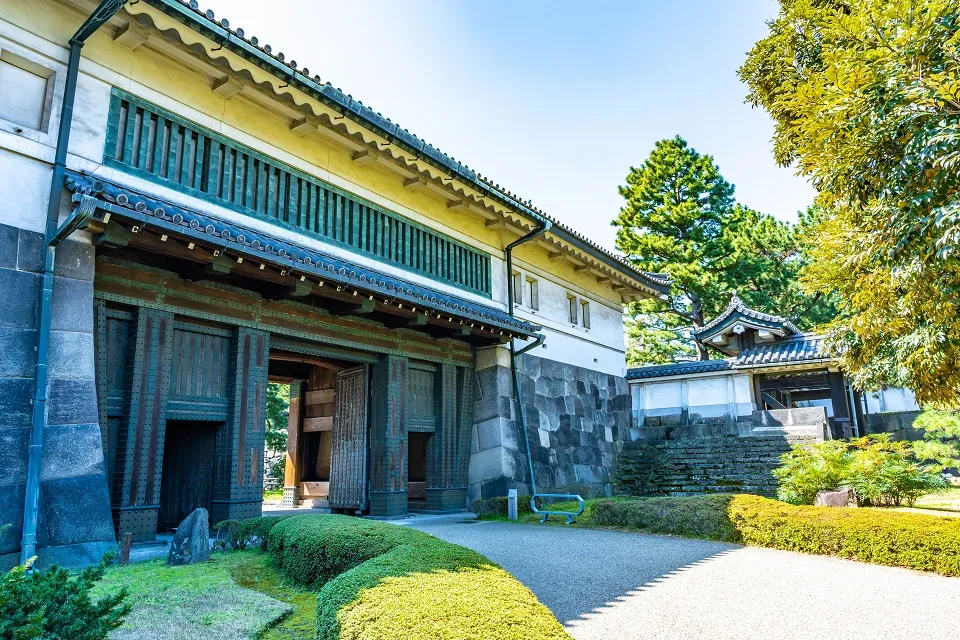
Imperial Palace East National Gardens occupy part of the former Edo Castle grounds in Chiyoda, central Tokyo. Walk among broad lawns, trees and a Japanese-style garden, then look for the castle’s stone foundations, moats, gates and surviving guardhouses. The gardens give you a peaceful stretch of green with a close view of Tokyo’s history, but the Imperial Palace itself is not open for a regular visit. Entry to the gardens is free; allow time to explore the different sections at an easy pace.
On the former Edo Castle grounds
The East Gardens occupy part of the site of Edo Castle, once the residence of the Tokugawa shoguns. The garden’s layout follows the castle’s former innermost defensive areas, known as the honmaru and ninomaru. The main castle buildings are gone, but the remains help you picture the scale of the complex that once stood here.
Look for the base of the former castle keep on the upper lawn. The keep itself was destroyed by fire in the 17th century and was never rebuilt. Large stone walls, gates, moats and guardhouses also remain. These features give the walk a clear historical focus without requiring you to enter a museum or join a tour.
Lawns, ponds and seasonal plants
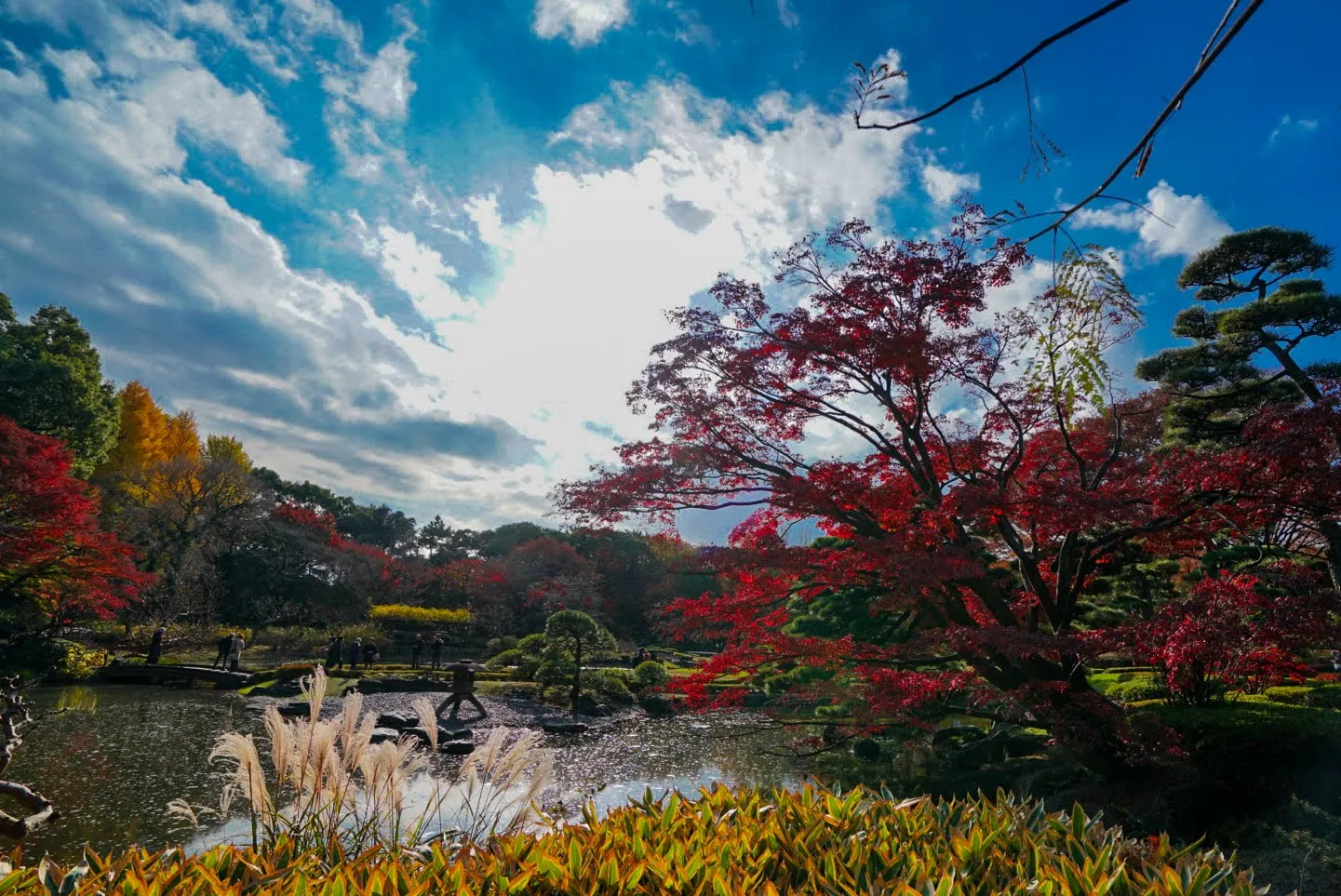
The grounds combine open grassy areas with planted sections and a Japanese-style garden. A pond, small bridge and tea house add quieter corners to the route. Trees and other plants change with the seasons; the grounds include persimmons, citrus and sections devoted to bamboo varieties from across Japan. Huge koi can be seen swimming in the ponds.
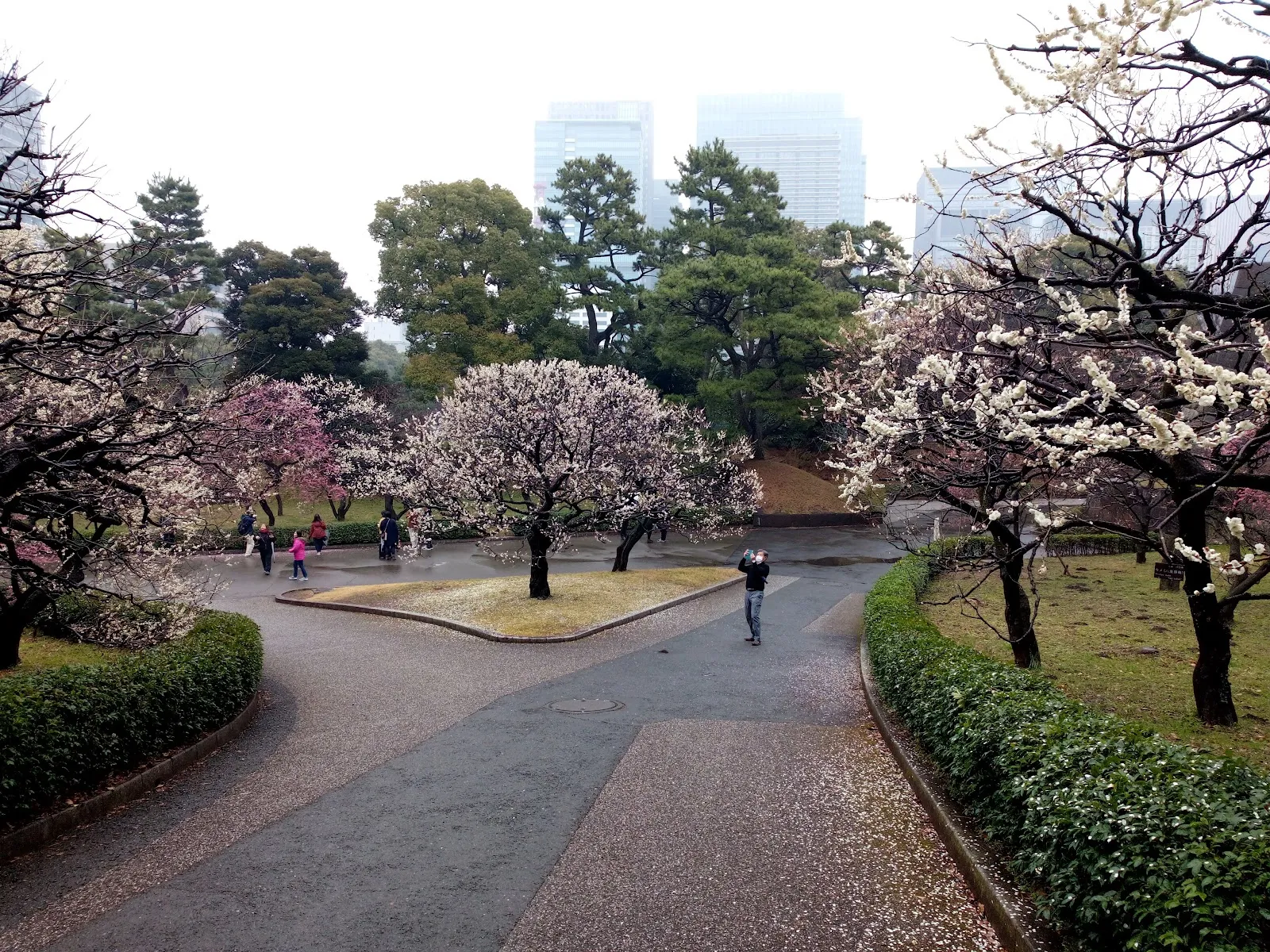
Cherry trees draw attention in spring, while the gardens are also a pleasant place for a walk in autumn. Late October is noted for mild weather and green trees, before autumn colour has fully appeared. If seasonal flowers or foliage are your priority, what is in bloom will depend on when you visit.
Planning your visit
The East Gardens are open to the public and admission is free. Security checks take place at the entrances, so allow a little time to pass through. Vending machines are available at designated rest areas. The gardens are large enough for an unhurried walk, and the paths take you between historic remains and planted areas.
This visit does not include access to the Imperial Palace buildings or the inner grounds. The palace is the Imperial Family’s residence, and ordinary garden access is separate from any guided visit to other parts of the precinct. If you are mainly hoping to see inside the palace, the East Gardens will not provide that experience; come for the former castle site, the greenery and the surviving structures instead.
FAQ
Is entry to the Imperial Palace East Gardens free?
Yes. Admission to the East Gardens is free.
Can you go inside the Imperial Palace?
The palace buildings are not open during a regular visit to the East Gardens. The gardens provide access to part of the former Edo Castle grounds instead.
What can you see in the East Gardens?
The grounds include stone foundations, moats, gates and guardhouses from Edo Castle, alongside lawns, ponds, a tea house and varied plants.
How long should you spend at the East Gardens?
Allow about 1 to 2 hours for a relaxed walk through the grounds.