
The Osaka Museum of Housing and Living, in Kita Ward, uses a life-size reconstruction of an Edo-period Osaka neighborhood to show how people lived and worked. Walk through streets lined with reproduced homes and shops, then look down on the town from above. Changing light shifts the scene from day to night, with weather effects adding to the atmosphere. Other floors trace Osaka’s changing homes through miniature models and displays. You can also rent a kimono for photos in the reconstructed streets; the museum suits families and anyone curious about the city’s past.
A reconstructed Osaka street
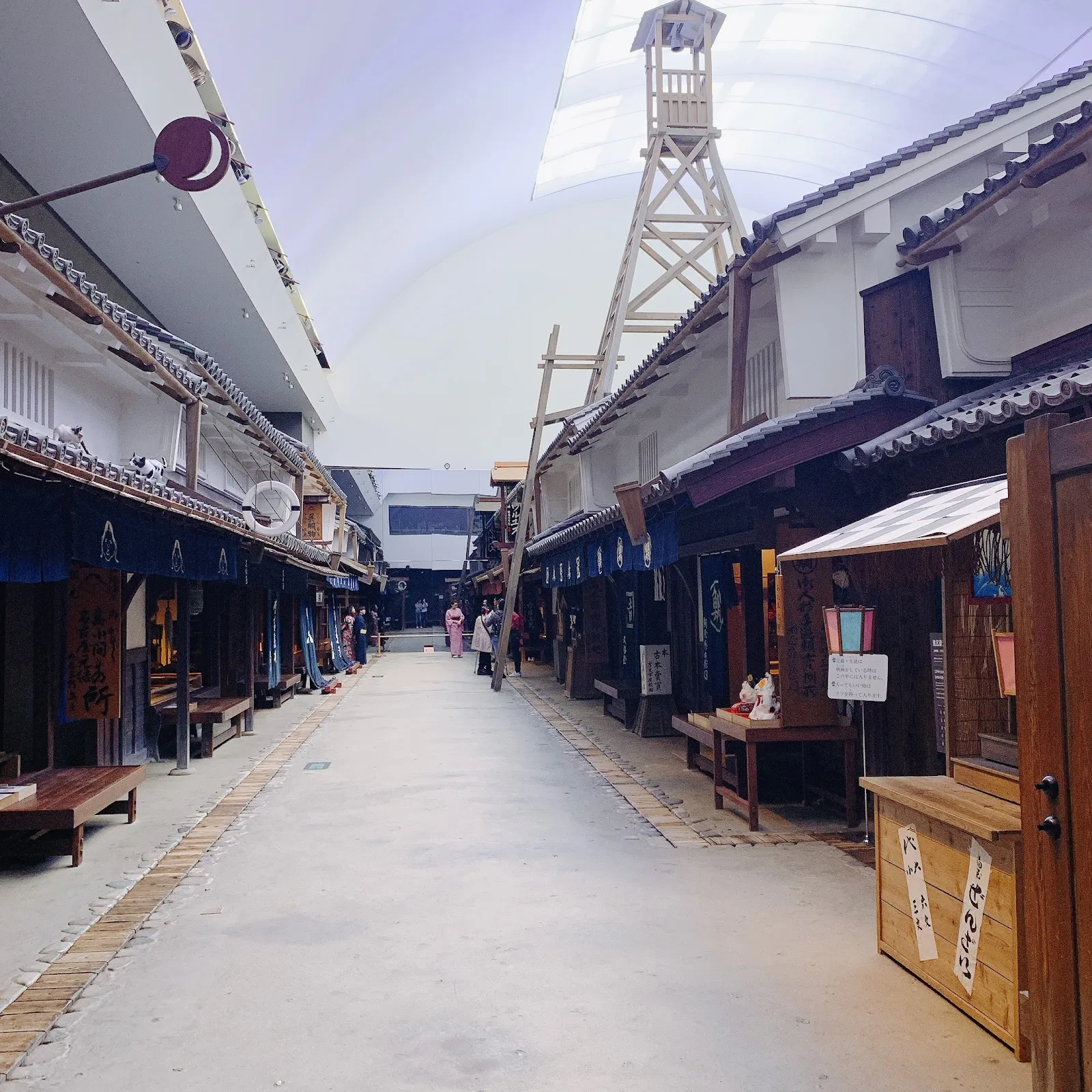
The museum opened in 2001 and focuses on the history and culture of housing. Its central experience is a full-scale recreation of an Osaka neighborhood from the Edo period. Rather than viewing the street only from behind a barrier, you can walk through it and look into reproduced homes and shops.
The buildings and interiors are arranged to suggest everyday life, with details that include domestic spaces. Shops represented in the recreated district include a bookshop, an apothecary and a toy shop. A bathhouse is also part of the street; a 20-minute film there explains the neighborhood and how people lived around 200 years ago.
See the town from above
The visit takes you between different levels of the museum. From the 10th floor, you can view the life-size Edo-period town below. The reconstructed street is on the 9th floor, where you can explore the buildings and see the scene change as the lighting moves through the day and night. Weather effects and background sounds add to the setting.
Interactive displays and dioramas provide context beyond the full-scale street. Videos shown at 30-minute intervals give further background, so check the schedule during your visit if you want to catch one.
Models of later Osaka
The 8th floor shifts from the life-size Edo streets to displays about the city’s later development. Miniature models and dioramas show housing and everyday life in the Meiji, Taisho and Showa periods, alongside historical objects. Some models reveal the interior as well as the exterior of a house, giving a closer look at how domestic spaces changed.
English descriptions on the model floor are limited, so an audio guide may help if you want more explanation. Audio guides are available, and cash is needed to use them. Temporary exhibitions are also held, so check what is on if a particular display is part of your plan.
Kimono rental and access
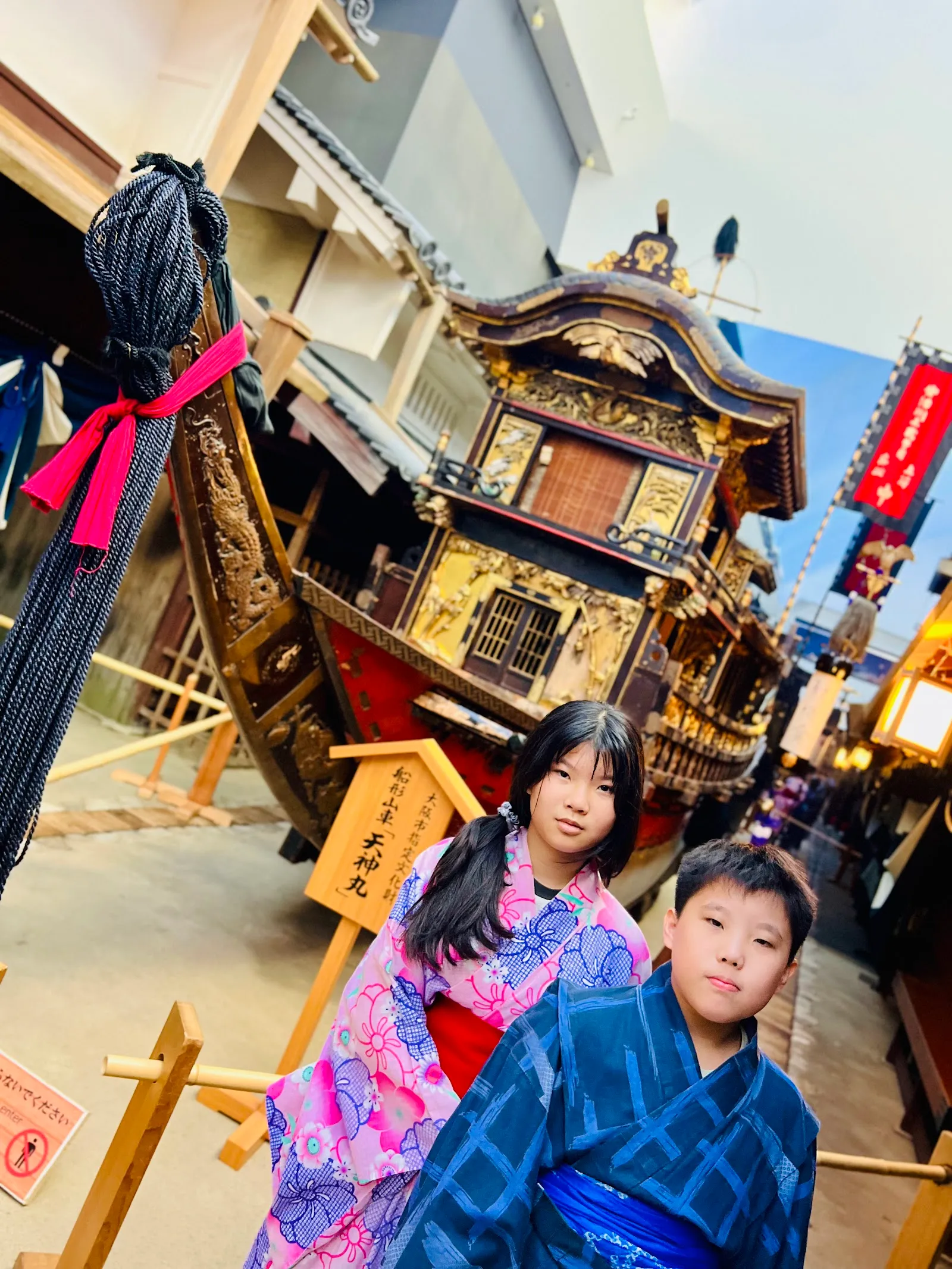
Kimono rental lets you walk through the recreated neighborhood in traditional dress and take photos in the period-style setting. Weekends can bring longer waits for rentals, so a weekday visit may suit you better if this is a priority.
The museum is inside the Osaka Municipal Housing Information Center building, on the 8th and 9th floors. Go through the building lobby to reach it. The museum also has a wheelchair-accessible entrance, elevator and restroom.
FAQ
How long should I spend at the Osaka Museum of Housing and Living?
Allow about 2 to 3 hours to explore the reconstructed street, watch a film and see the models and displays.
Can you wear a kimono at the museum?
Yes. Kimono rental is available for walking through the recreated neighborhood and taking photos. Weekend waits can be longer.
What is on each floor?
The 9th floor has the life-size Edo-period neighborhood, which you can view from the 10th floor. The 8th floor has models, dioramas and historical objects about Osaka’s later periods.
Is there an audio guide?
Yes. Audio guides are available, and you need cash to use one.


