
Kibitsu Jinja, also called Sanbi Ichinomiya, is a Shinto shrine in Kita Ward, Okayama. Its main halls are built in the Kibitsu-zukuri style, with a double gabled roof, and are designated national treasures. The shrine is tied to the Momotaro legend, and its grounds hold a sumo ring and long covered corridors. Crowds are light compared with the major shrines in Kyoto, so you can walk the grounds at your own pace. Entry is free.
Kibitsu-zukuri architecture
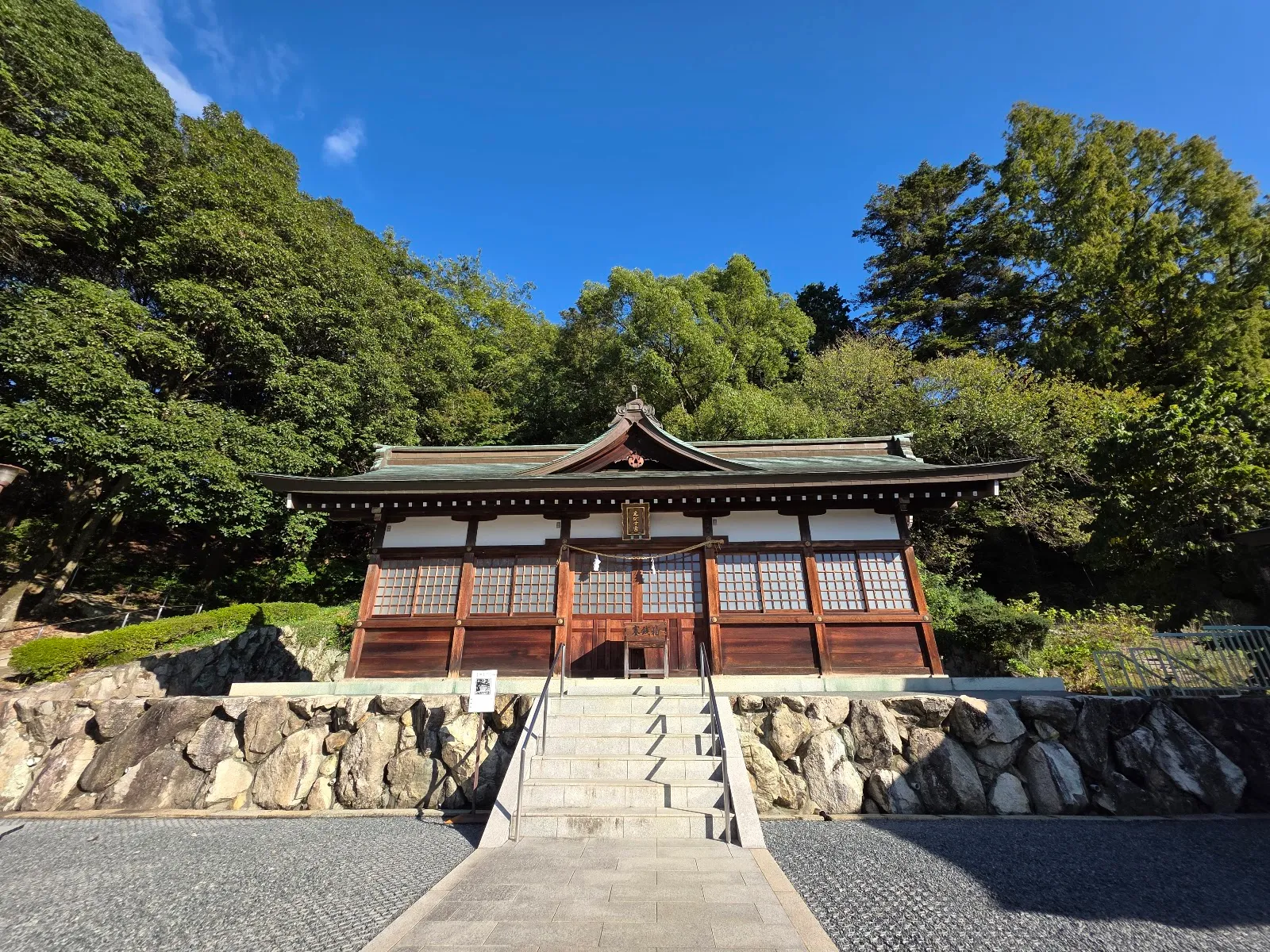
The main halls and worship halls are built in the Hiyoku Irimoya-zukuri style, also called Kibitsu-zukuri. The name comes from the shrine, which is the only example of this style in Japan. The two gables on the roof give the buildings their distinct outline, and the halls are designated national treasures.
The buildings are best seen slowly. Climb the stairs toward the main area, where seasonal flowers line the steps, then look back over the grounds to see the roofs against the trees.
The Momotaro legend at the shrine
The shrine is dedicated to Kibitsuhiko-no-Mikoto, a prince said to have subdued rebels and brought peace and order to the region as one of the four mighty Shido Shogun. He is also known as the model for Momotaro, one of Japan's best known folk tales. The shrine is one of the largest in the old San'yodo area.
The grounds keep several details of the story. The arrow-shaped rock is where the prince is said to have laid down his arrows. The Mikama-den is said to hold the head of the demon king Ura. The story begins with a demon who terrorized coastal villages. The villagers asked the Imperial Court for help, and the prince was sent. He won after a hard battle with Ura.
The sumo ring and the approach
On the grounds is a dohyo, the raised circle of packed clay and sand where sumo matches are fought. Long ago sumo was a ceremony as well as a sport, and matches were held here to honor the gods and to ask for a good harvest. The ring is a reminder of that origin.
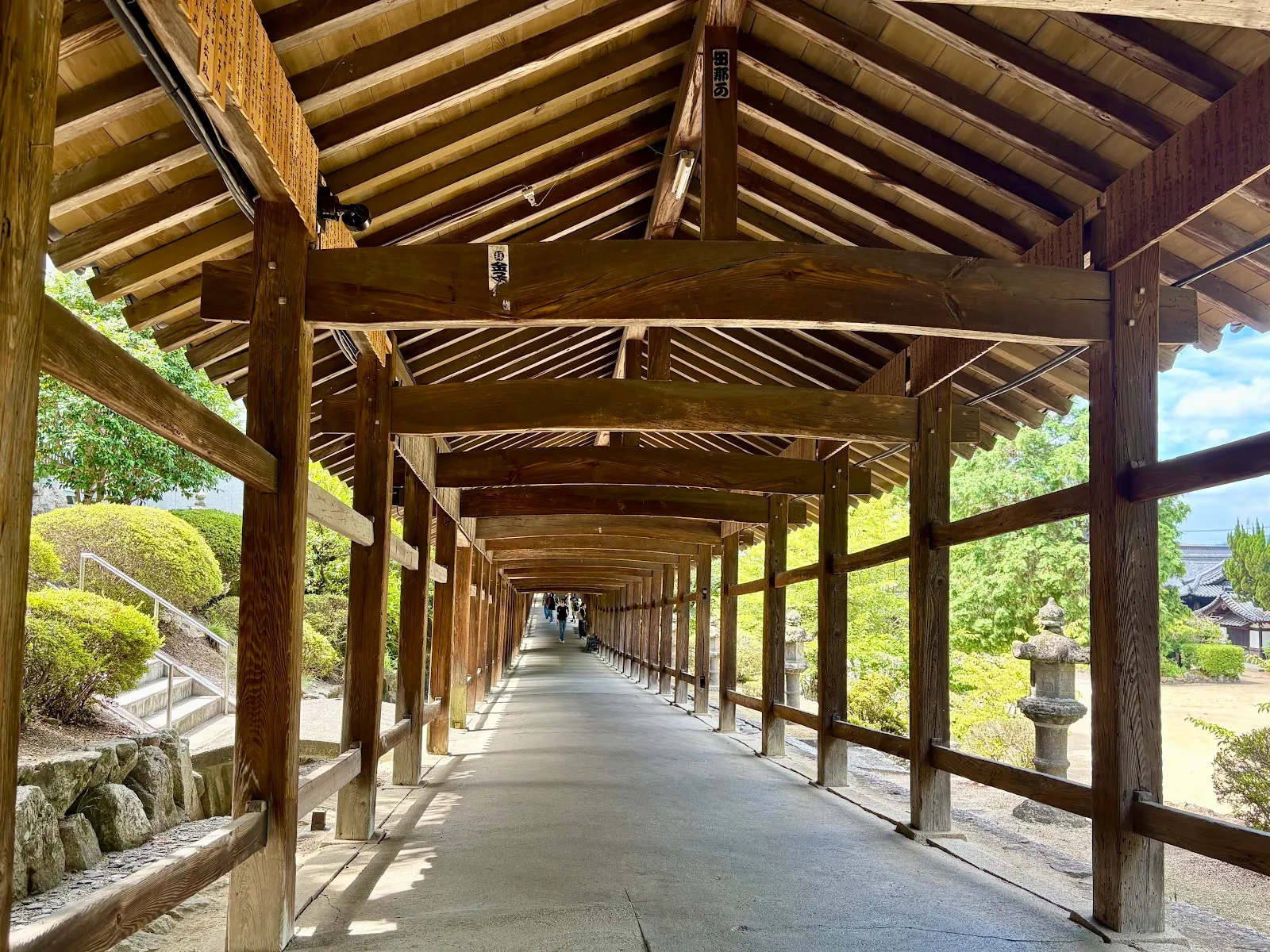
The approach begins at Kibitsu Station. Walk east and you enter a long path lined with pine trees. The vermilion handrails of the taiko-bashi bridge add color to the walk. The long covered wooden corridors on the grounds are a calm place to take in the shrine's setting.
Seasons and events
In spring, cherry blossoms frame the grounds and draw visitors with cameras. The stairs are lined with seasonal flowers, so the shrine looks different from one season to the next.
Festivals and special events are held here, and they bring performances to the grounds. If you plan around one, check the dates before you travel, since the shrine's own notices give the schedule.
FAQ
Is there an entry fee?
No. Entry to the shrine is free.
Is there parking?
Yes. Parking is free, and the site has a wheelchair accessible parking lot.
How do I get there by train or bike?
Get off at Kibitsu Station and walk east along the pine-lined approach. Cyclists can reach the shrine along the Kibiji bike trail.
Are there restrooms?
Yes, but the restroom is small and has a non-flush squat toilet.


