Pellestrina is an 11-kilometre island south of Venice’s Lido, set between the Venetian Lagoon and the Adriatic Sea. Its fishing villages have rows of brightly painted houses, with boats moored along the lagoon side. Follow the island’s cycle path or walk between the villages, then head to the wilder beaches at Spiaggia San Vio or Ca’ Roman. The southern end’s natural oasis is reachable on foot. For a taste of local cooking, look for sardines in saòr, whipped cod or gratin canestrelli at Ai Pescatori.
An island between lagoon and sea
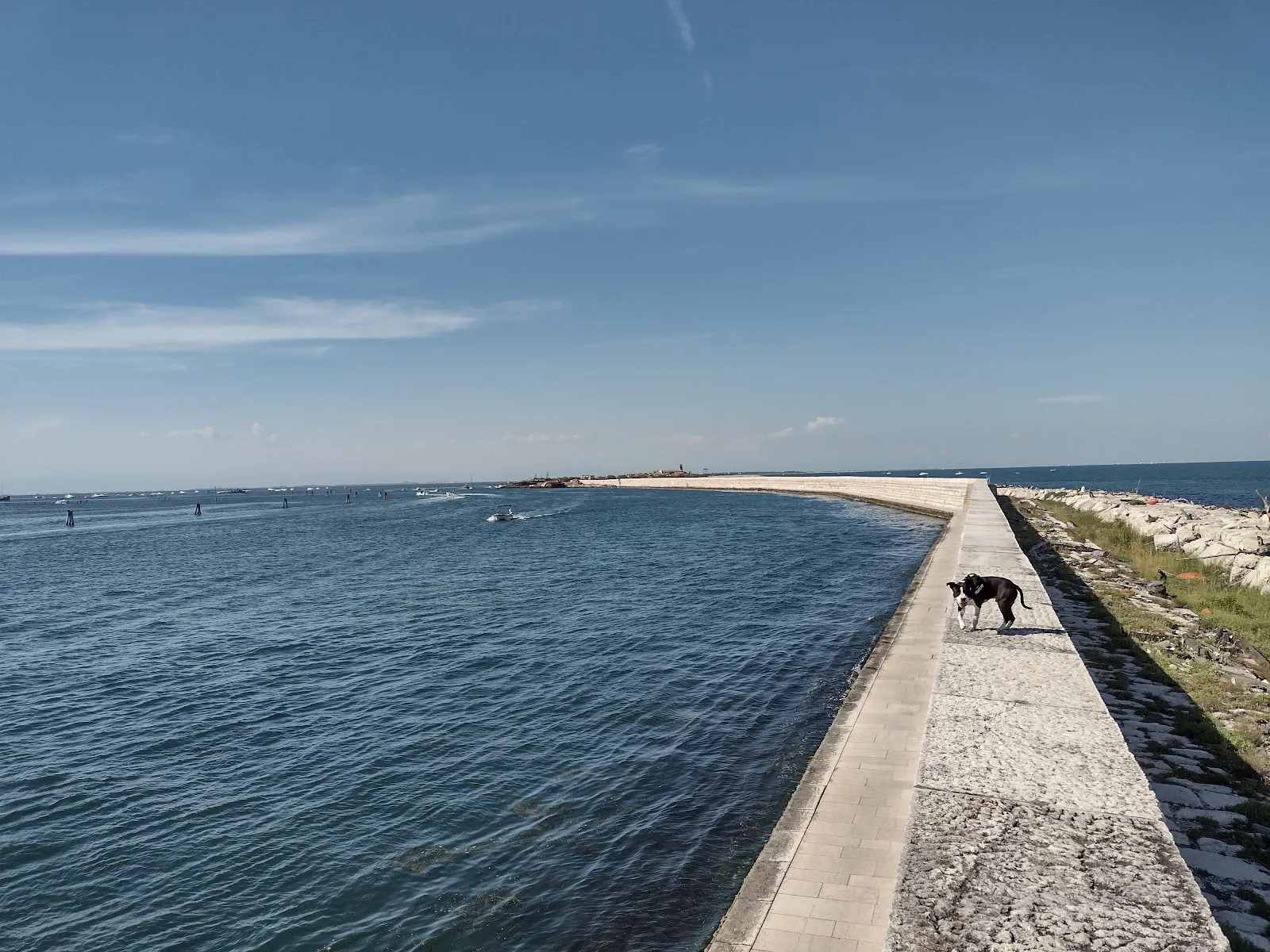
Pellestrina is a slender strip of land between the Venetian Lagoon and the Adriatic Sea, south of Lido. It stretches for about 11 kilometres. On the lagoon side, colorful houses face the water, with boats moored nearby. The island’s villages include San Pietro in Volta, Porto Secco, Sant’Antonio di Pellestrina and Pellestrina.
Fishing and market gardening are part of island life. The Adriatic side feels different from the built-up village shore, with a more rugged beach and open views of the sea. The island also forms part of the natural barrier between the lagoon and the Adriatic.
Walking, cycling and the beaches
A cycle path runs along the island for about 11 kilometres, linking its villages; bike hire is available at several points. You can also walk between villages, taking in the painted houses and the contrast between the lagoon and sea sides. The island is quiet outside high season, which suits a slower visit and a bike ride with children.
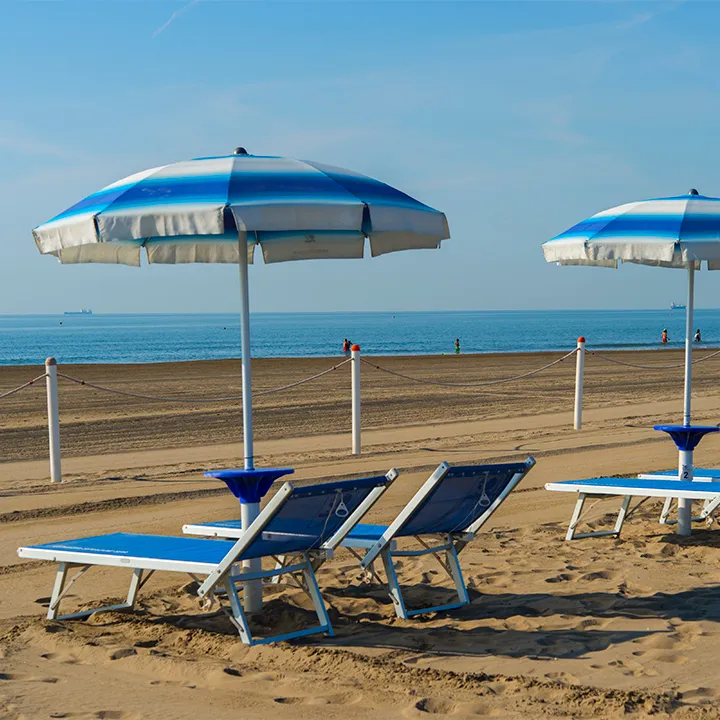
Spiaggia San Vio and Spiaggia Ca’ Roman are among the island’s beaches. At the southern end, Ca’ Roman’s natural oasis is reachable on foot from the beach. The shoreline here is more rugged than Lido’s beach strips, with seabirds and open views of the Adriatic.
Getting to Pellestrina
You can reach the island by ferry from Chioggia. To travel onward toward Lido, continue by bus and ferry via Santa Maria del Mare; bus 11 connects Pellestrina with Lido across the ferry crossing. The route involves a change between transport modes, so check the bus direction at stops before boarding.
Once on the island, you can explore on foot or by bike, or use the bus to travel between stops. The cycle path makes it possible to cover the length of the island without relying on a car.
Local food and lagoon life
Pellestrina’s cooking draws on local seafood. At Ai Pescatori, dishes include sardines in saòr, whipped cod and gratin canestrelli. The restaurant has an outdoor area with views at sunset; its menu depends on what is available at the market.
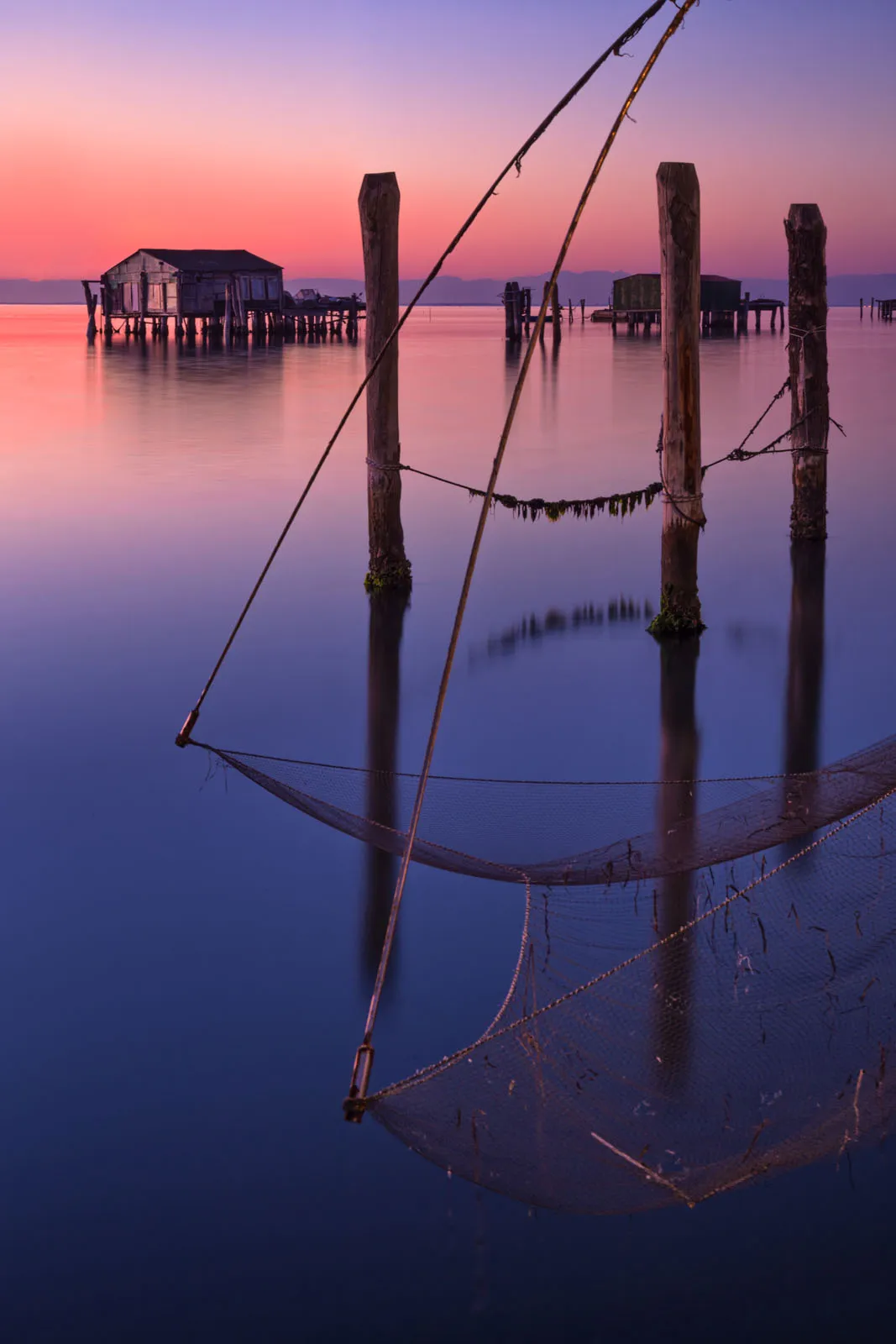
A boat trip with a local fisherman can introduce you to fish habitats and wild plants in the northern lagoon. It offers a different view of the island’s setting, where the lagoon is part of a wider ecosystem beyond the villages and shoreline.
FAQ
How do you get to Pellestrina from Venice?
Take a water bus to Lido, then bus 11 toward Pellestrina. The bus crosses by ferry at Santa Maria del Mare.
Can you cycle around Pellestrina?
Yes. An 11-kilometre cycle path runs along the island, and bike hire is available at several points.
What can you see on Pellestrina?
Explore its fishing villages and colorful houses, walk or cycle between them, and visit beaches such as Spiaggia San Vio and Ca’ Roman. The Ca’ Roman natural oasis is reachable on foot from the southern end of the beach.
What local food should you try on Pellestrina?
Ai Pescatori serves dishes including sardines in saòr, whipped cod and gratin canestrelli. Its menu depends on the market.