Mozia is an archaeological island in the Stagnone Lagoon near Marsala, on Sicily’s west coast. Founded by Phoenicians in the eighth century BC, it later became a Carthaginian settlement before its destruction in 397 BC. Walk among the remains of homes, fortifications and places of worship, and visit the Whitaker museum for finds from the island, including the statue known as the Youth of Mozia. The island also has a working vineyard and views across the lagoon. Bring water and sun protection: shade can be scarce, and paths may be overgrown.
A Phoenician settlement in the lagoon
Mozia, also known as Motya, lies on San Pantaleo Island in the Stagnone Lagoon near Marsala. Phoenicians founded the settlement in the eighth century BC, and it later became a Carthaginian stronghold and trading town. Syracuse’s ruler Dionysius I destroyed it in 397 BC. The settlement was abandoned, leaving archaeological remains on an island that was not built over by later towns.
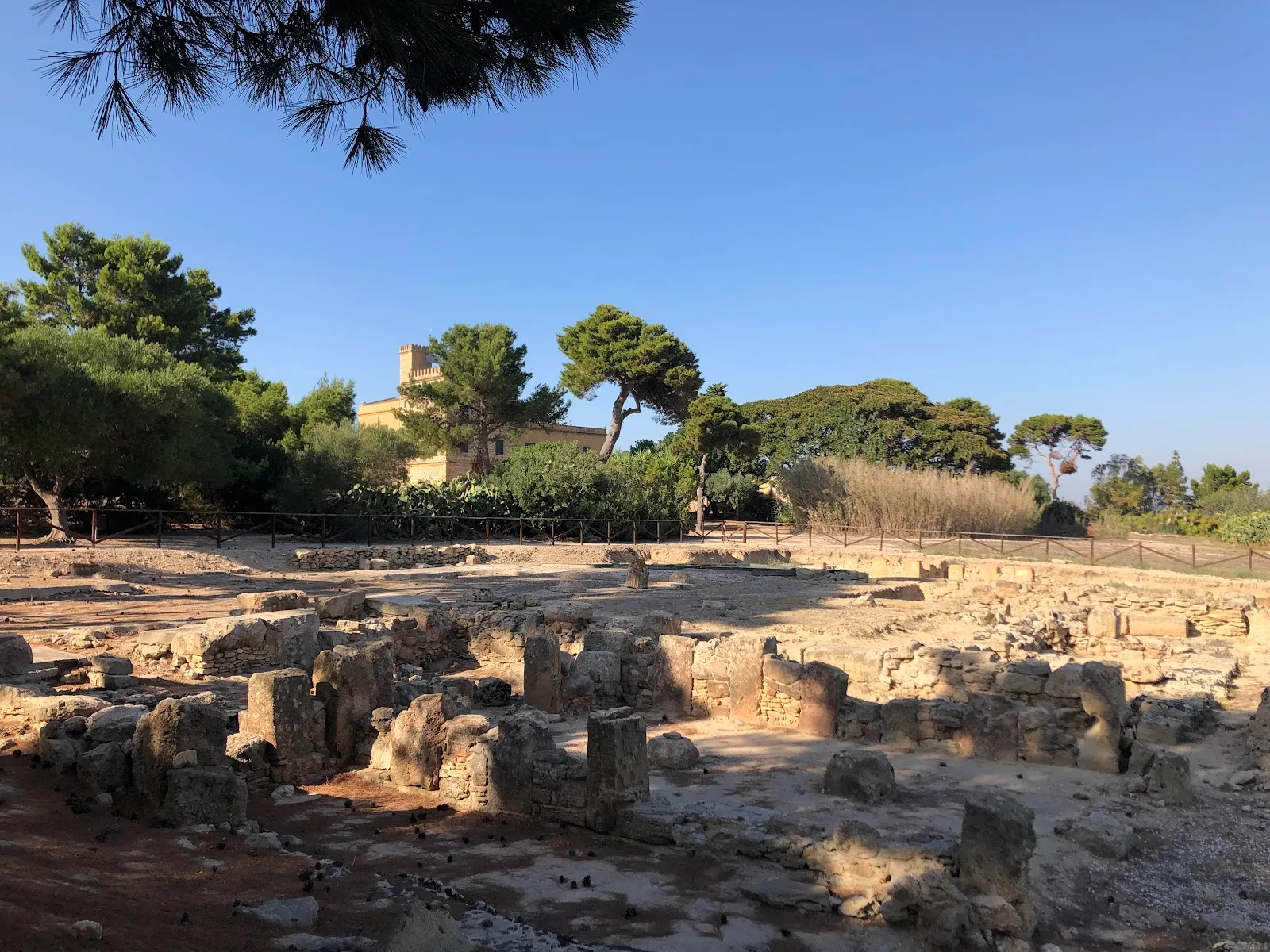
The site includes traces of homes, fortifications, places of worship and burial areas. Excavations have continued to bring its past to light. The ruins are spread across the island, so a visit involves walking between different parts of the archaeological site rather than seeing everything in one building.
The Whitaker museum and island finds
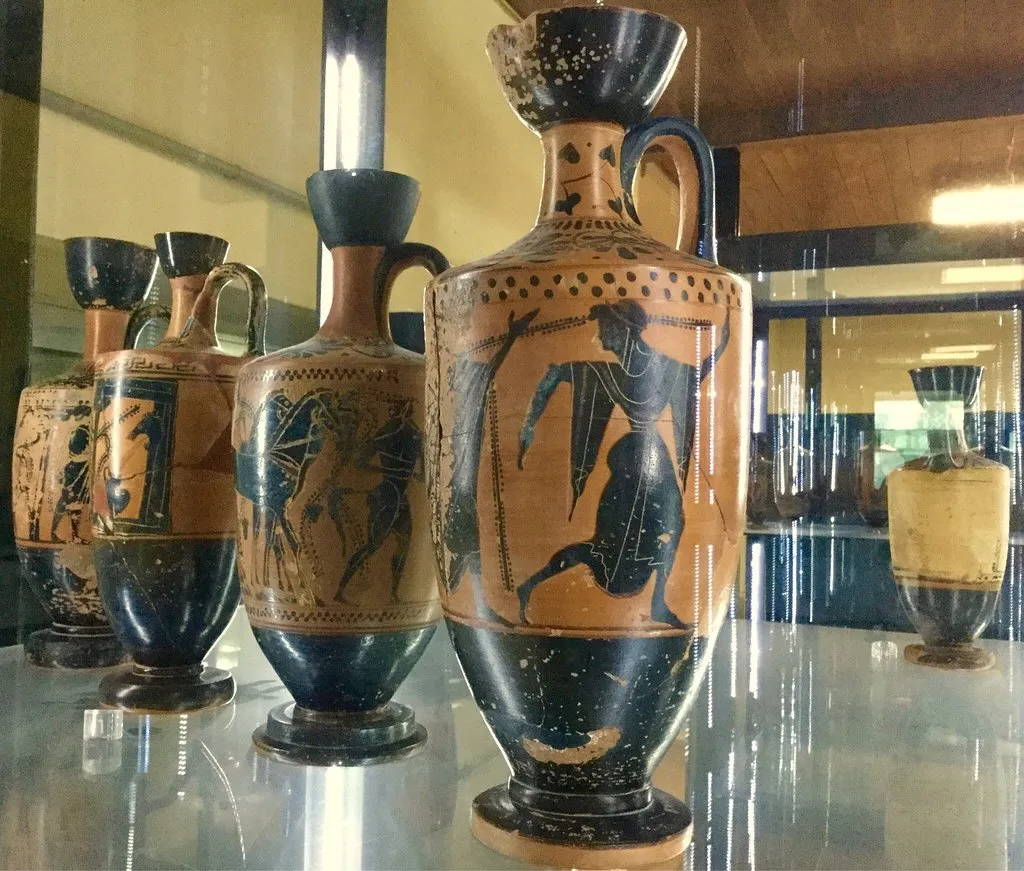
The Whitaker museum holds archaeological finds from Mozia. Joseph Whitaker, an English-Sicilian ornithologist whose family made its fortune in Marsala wine, bought the island and funded excavations. Many of the objects uncovered there are displayed in Villa Whitaker.
Among the best-known works associated with the collection is the Youth of Mozia, a fifth-century statue. Another notable find from the island is the Motya Charioteer, a rare Greek sculpture discovered in a Phoenician setting. The museum and the ruins offer different ways to understand the settlement: objects provide evidence of its material culture, while the island’s remains show where people lived and worshipped.
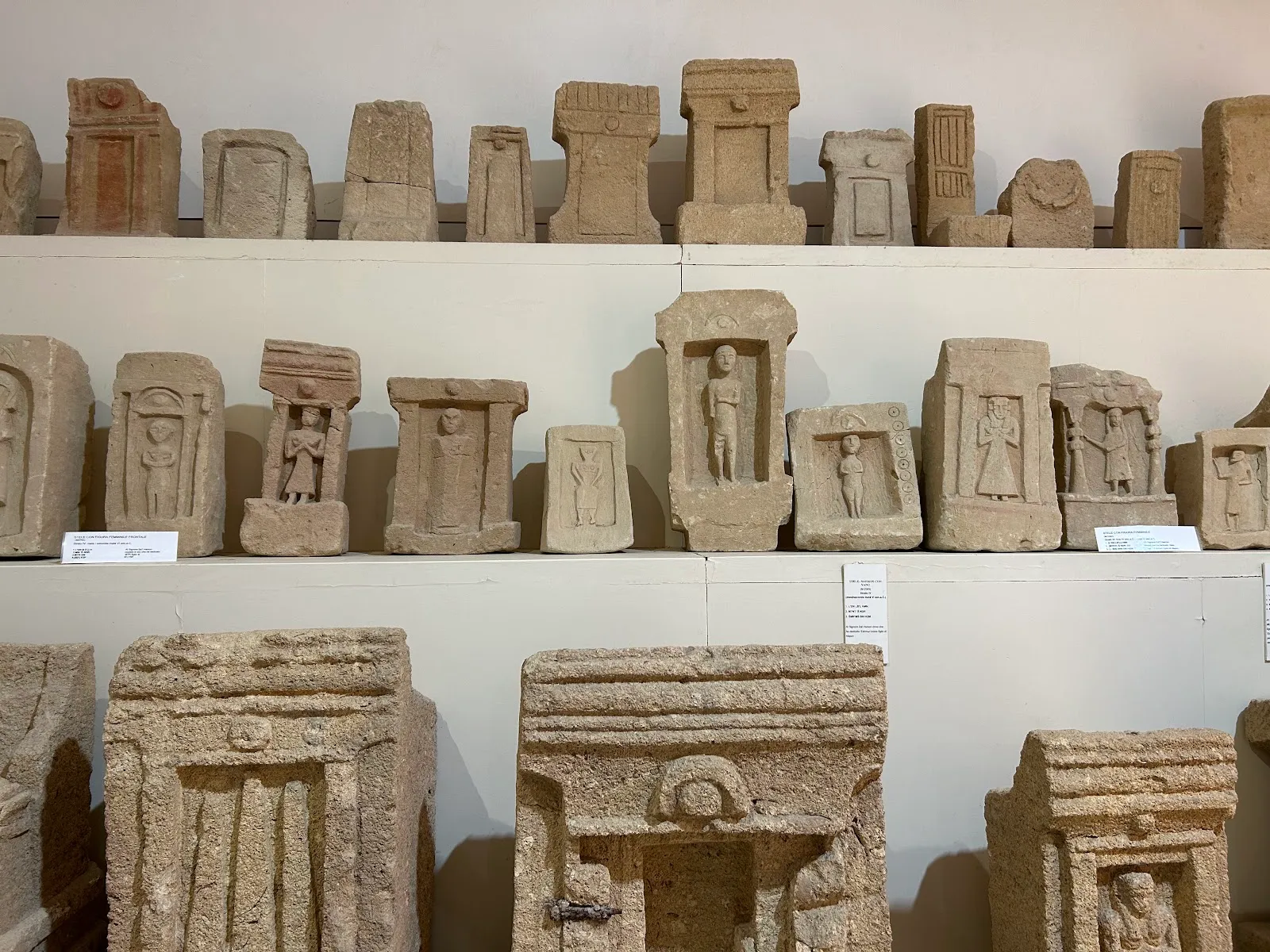
Mozia also has a tophet, a Punic religious site where urns containing the cremated remains of children have been found. It is a solemn part of the archaeological record. Give the site the same care and respect you would bring to other places connected with burial and religious practice.
Walking the archaeological site
The island is small enough to explore on foot, but paths and information signs are not consistently easy to follow or read. Some signs have been damaged by sun, and sections of the route can be overgrown. A map can help you plan a circuit, while a guide can add context to the sites and museum objects.
Boat trips connect the island with the mainland, and some include a circuit around Mozia before landing. That view from the water can add context to the island’s position in the lagoon. The surrounding landscape includes salt pans and windmills, and the lagoon is also known for its birdlife. For a more comfortable walk, avoid the strongest heat: shade is limited, so take water, sunscreen and shoes suited to uneven paths.
FAQ
Where is Mozia?
Mozia is on San Pantaleo Island in the Stagnone Lagoon near Marsala, on Sicily’s west coast.
What can you see at Mozia?
The island has remains of the ancient settlement, including traces of homes, fortifications and places of worship. The Whitaker museum displays finds from the site, including the Youth of Mozia.
How long do you need at Mozia?
A walk around the island can take about an hour. Allow more time if you plan to visit the museum or explore the archaeological remains at a slower pace.
Is there shade on the island?
Shade is limited. Bring water and sunscreen, and consider visiting early in the day or during cooler months.