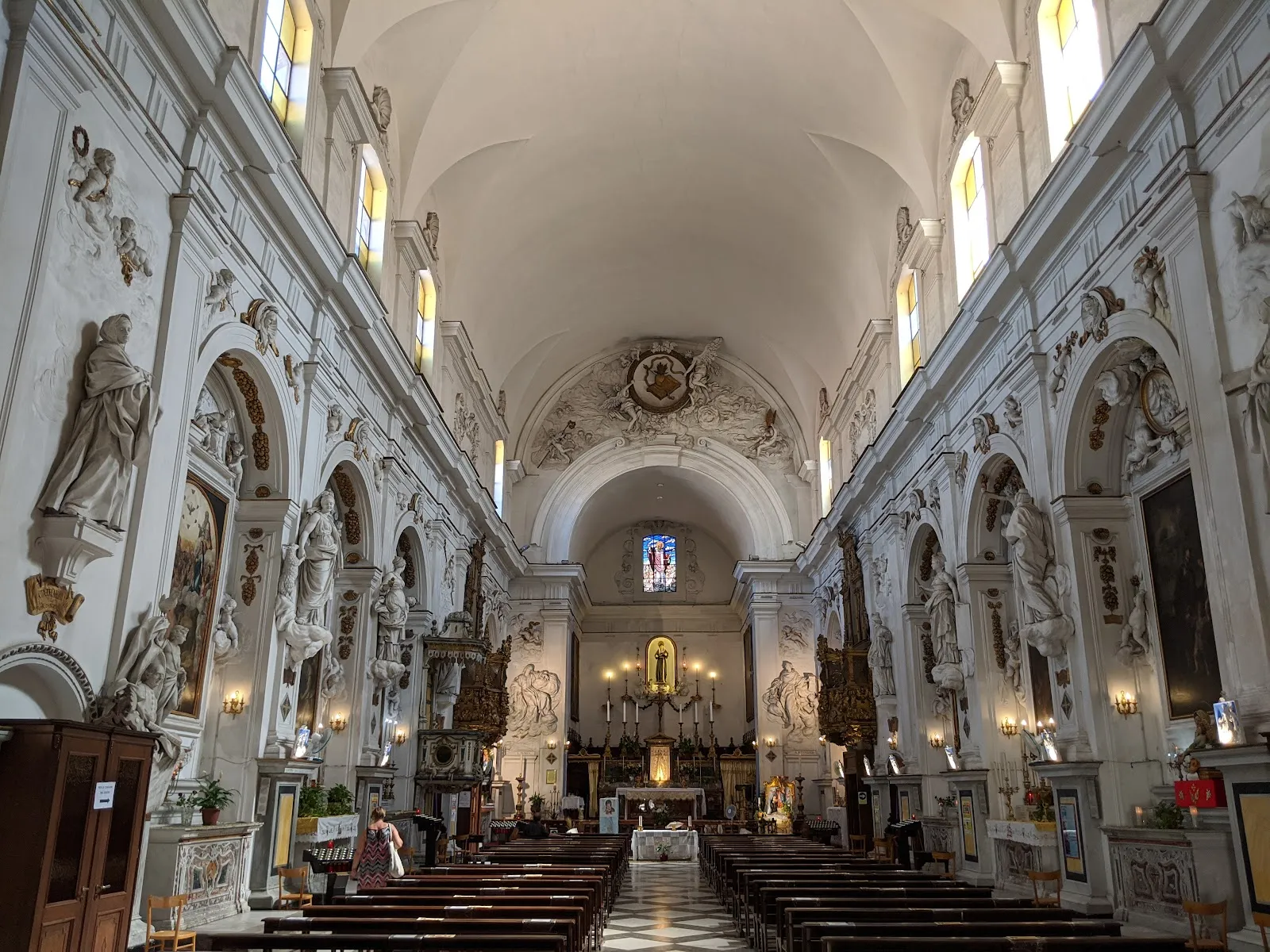
On Via Francesco Raimondo in Palermo, the Church of Saint Augustine rewards a look inside: its stuccoes and sculpted statues by Giacomo Serpotta are the main draw, alongside a collection of artworks and a strong local devotion to Saint Rita. The peaceful cloister garden offers a quiet pause after the church. Come early to take your time with the intricate sculpture details, and speak with the welcoming friars if you would like to learn more about the church’s history and place in the community.
Serpotta’s stuccoes and sculpture
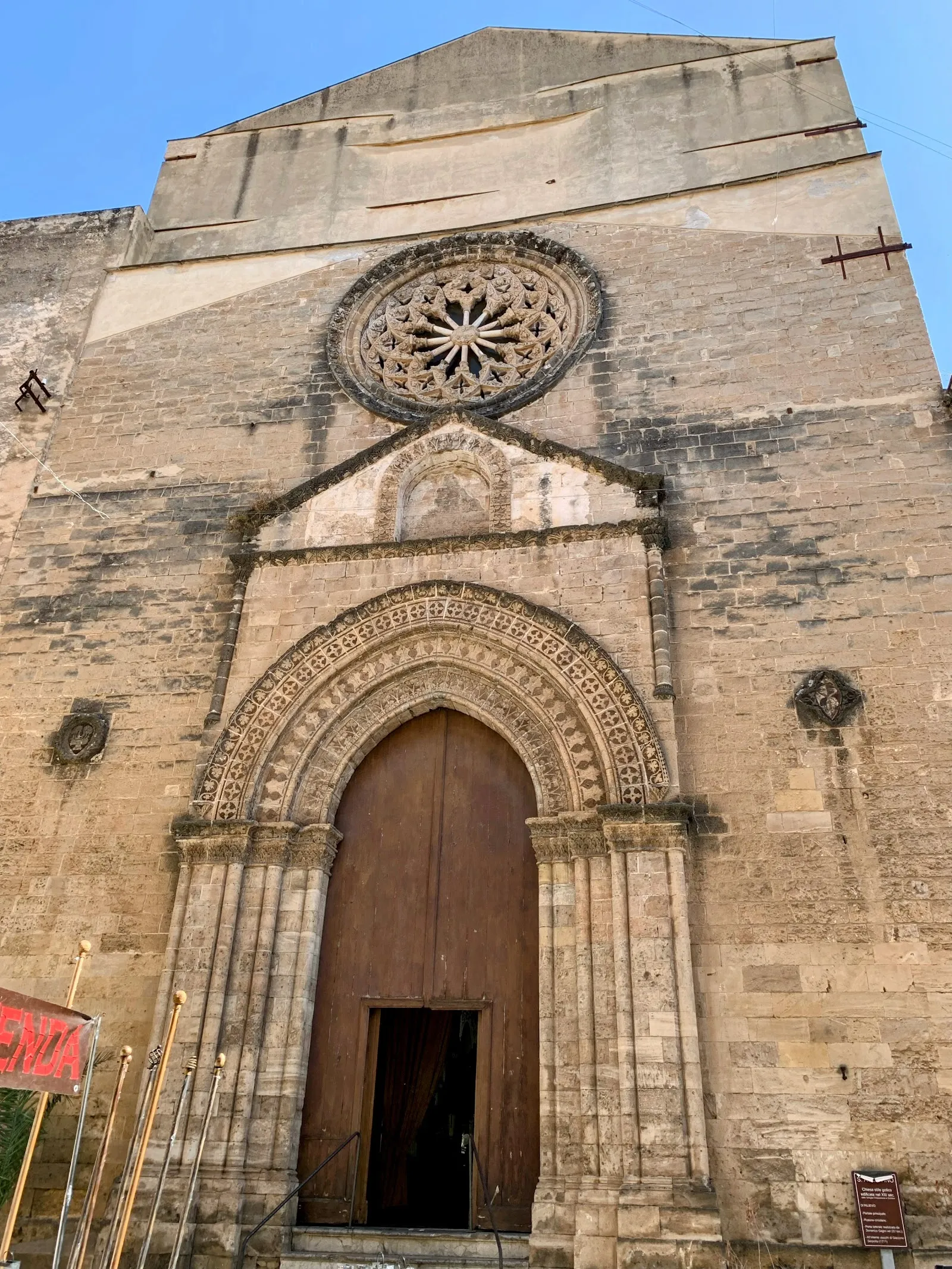
The church’s most distinctive details are its stuccoes and statues by Giacomo Serpotta. Take time to look closely at the sculpted work as you move through the interior. The church also contains an array of artworks, giving you more to explore beyond its best-known decoration.
A church with a local devotion
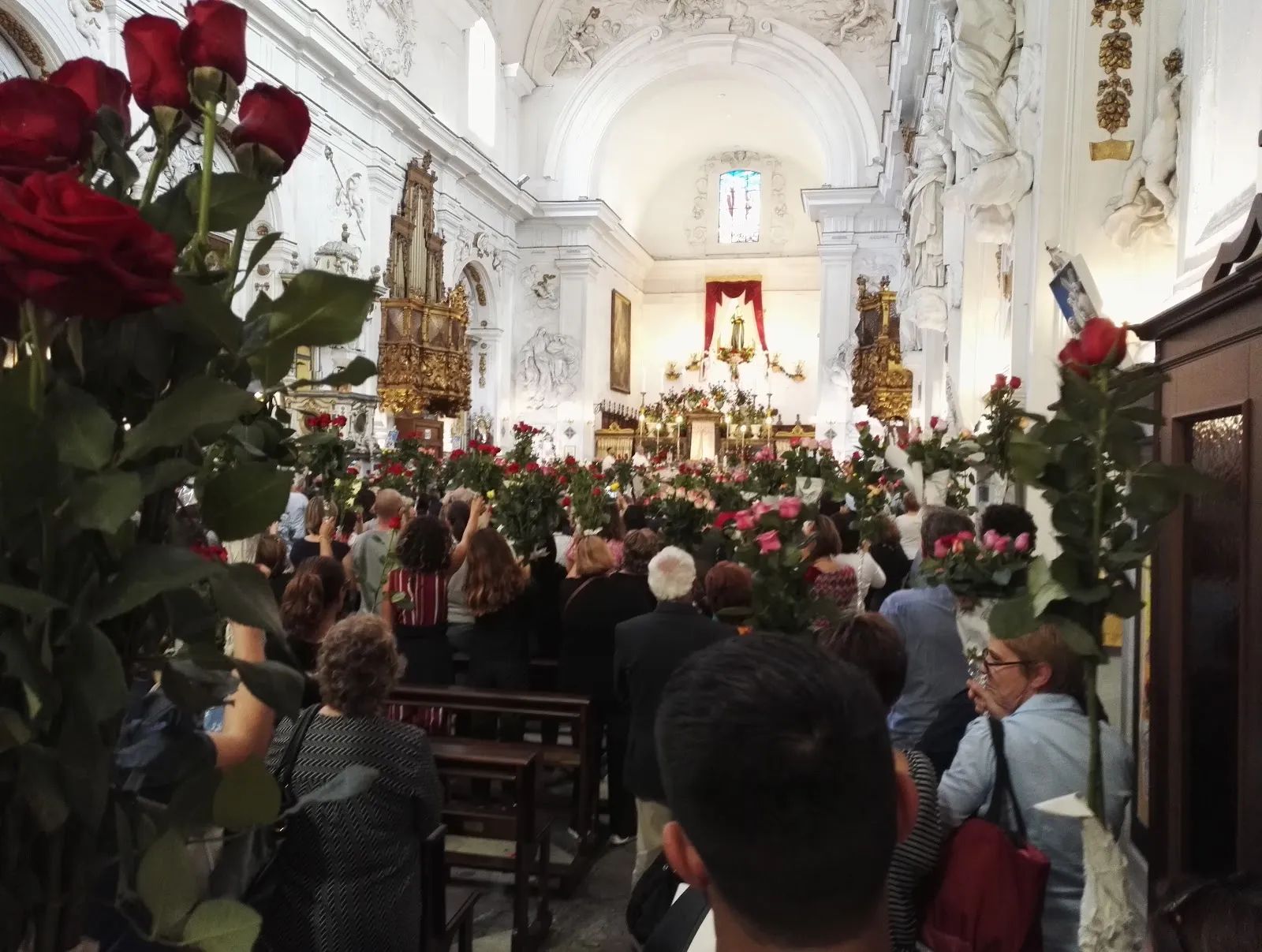
Saint Rita holds a special place in the church’s community. That devotion gives the church a strong local character, alongside its role as a place of worship. The friars are welcoming and can share insight into the church’s history and significance.
The cloister garden
The cloister garden is a calm place to pause after visiting the church. Its quiet atmosphere offers a contrast to the richly decorated interior. Set aside time for both spaces, especially if you want to see the church’s sculpture without rushing.
FAQ
Where is the Church of Saint Augustine?
It is at Via Francesco Raimondo, 3, in Palermo, Sicily.
What is the church known for?
The church is known for its stuccoes and statues by Giacomo Serpotta, its artworks, and the cloister garden.
Is there an entry fee?
The available information reports no entrance fee.
When is a good time to visit?
Go early in the day for a quieter visit.