On the eastern side of Fatahillah Square in Kota Tua, Jakarta, the Museum of Fine Art and Ceramics brings together Indonesian paintings, sculpture, crafts and ceramics in a former courthouse. Look for works ranging from batik and wood carvings to contemporary pieces, alongside ceramics from across the archipelago, including objects with Chinese influences. The colonial-era building has a central garden and an iron spiral staircase. You can also try a pottery session with an instructor, a hands-on change of pace from viewing the collections.
A former courthouse on Fatahillah Square
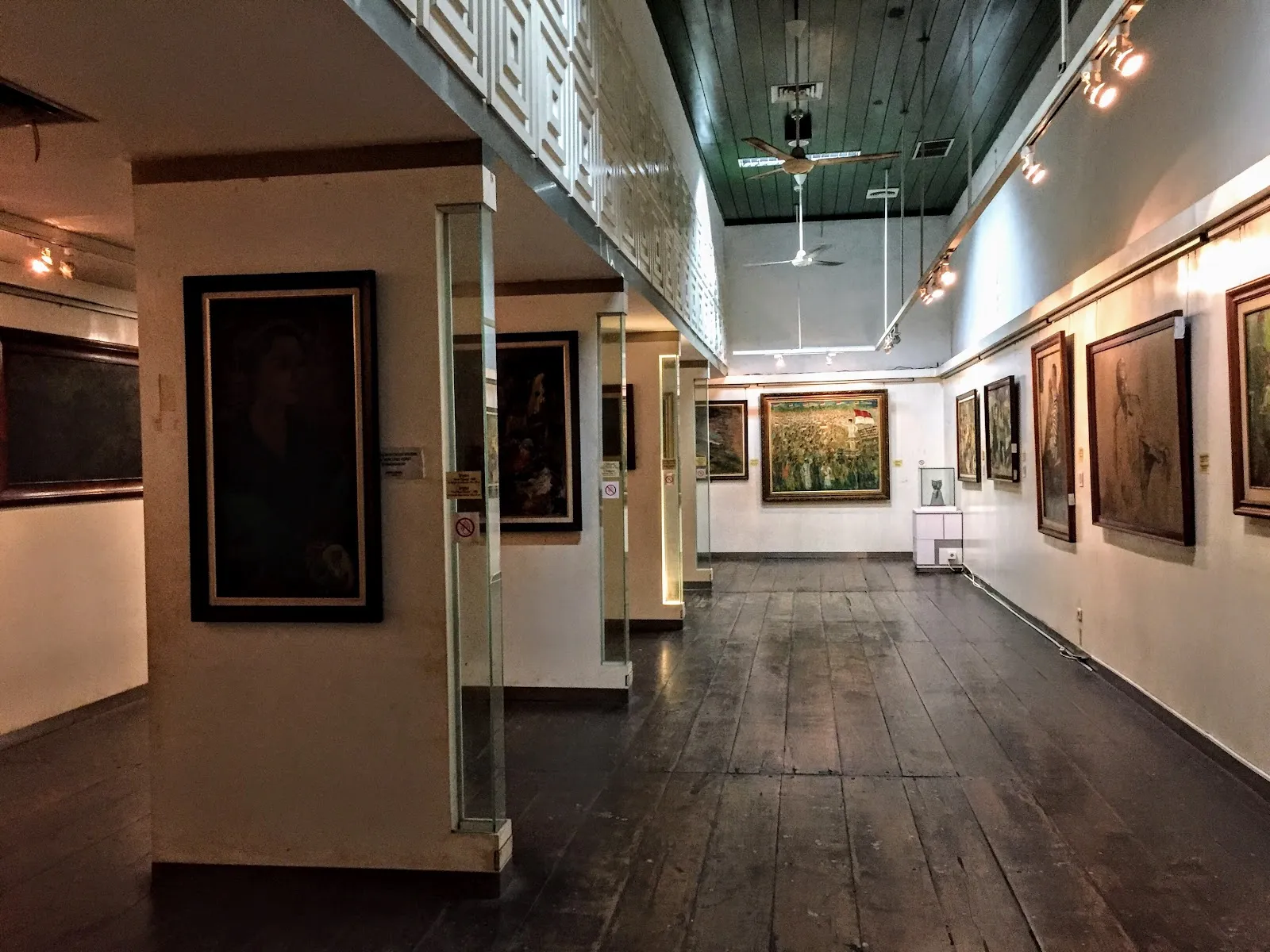
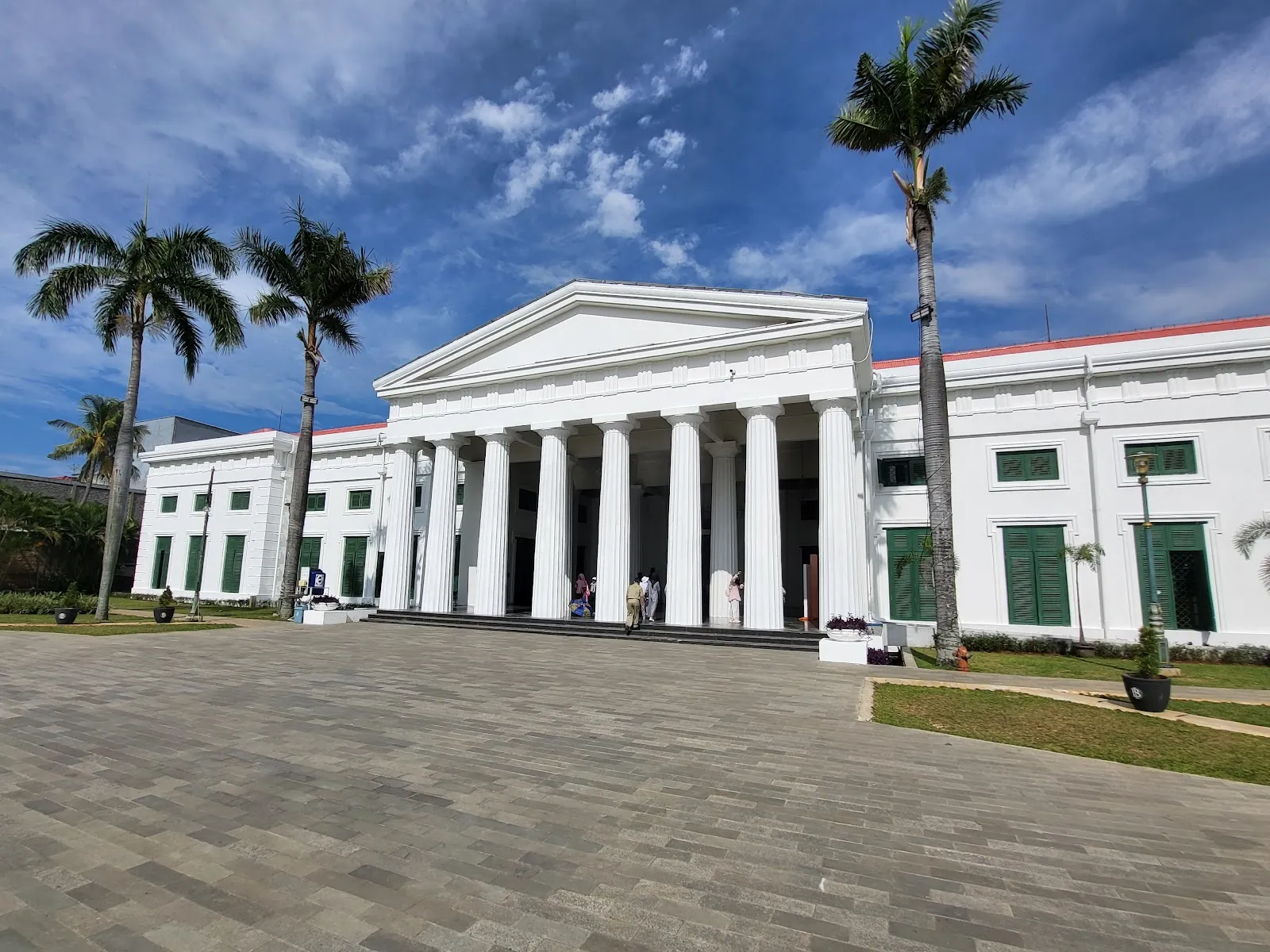
The museum occupies a colonial-era building on the eastern side of Fatahillah Square, in Kota Tua. It was first used as a court of justice and later became a museum in 1976. Its setting makes it easy to combine a visit with other museums around the square, including the Jakarta History Museum and the Wayang Museum.
Look up from the collections to notice the building’s high ceilings, broad windows and prominent columns. A garden sits in the central courtyard, and an iron spiral staircase leads to the upper floor. The architecture is part of the visit, even if you come mainly for the art.
Indonesian art and ceramics
The fine-art collection covers a range of periods and materials. It includes paintings, sculptures, drawings, batik, wood carvings and calligraphy, as well as contemporary works. The exhibits connect traditional art forms with later styles, and some works have local Indonesian subjects and imagery.
The ceramics displays include objects from different parts of the archipelago and from different periods. Some pieces show Chinese influences. The collection also includes historical ceramic objects such as statues and jugs. If you are especially interested in ceramics as fine art, note that part of this section focuses on historical objects and craft traditions.
Trying the pottery activity
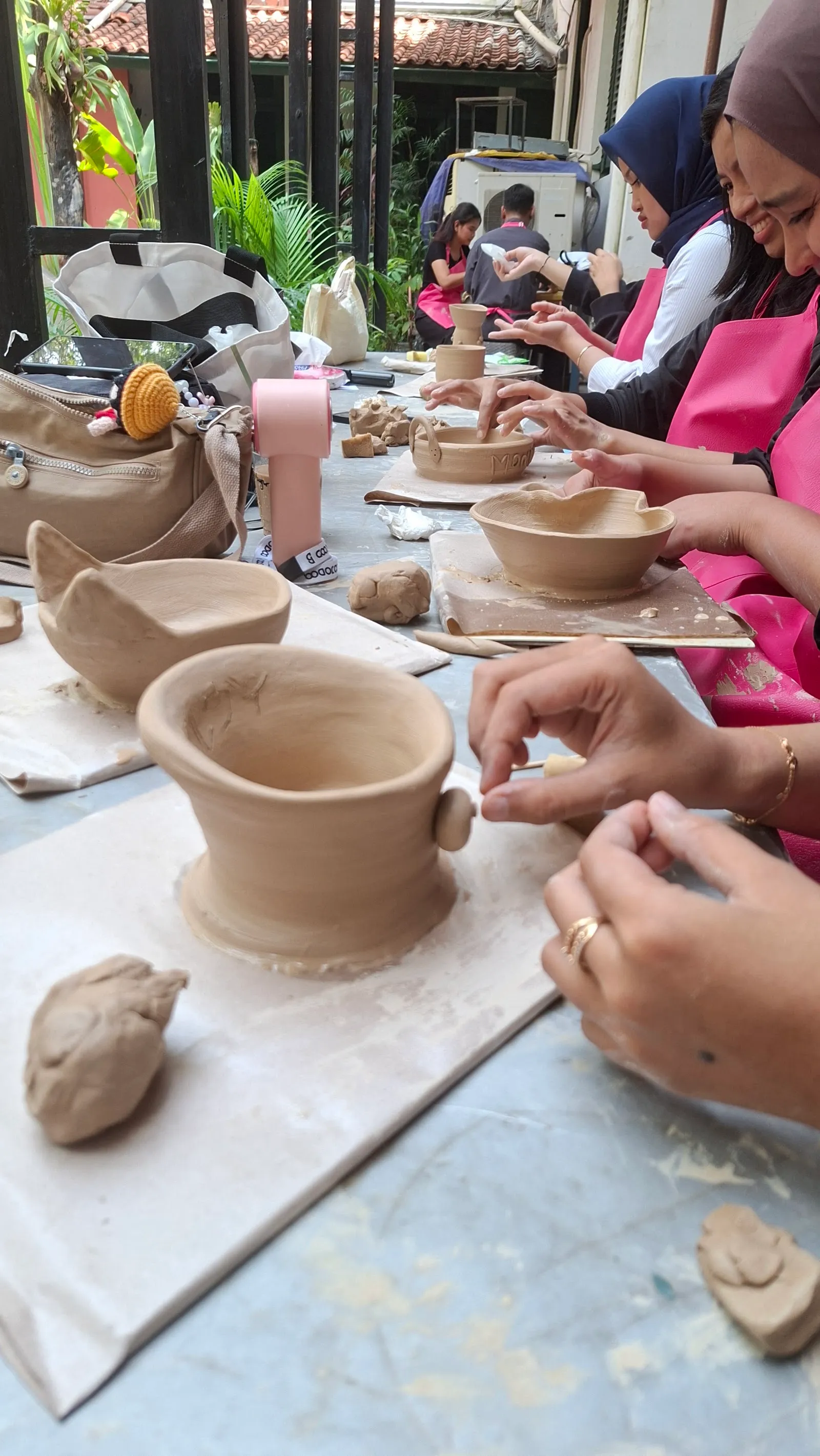
The museum has pottery sessions led by instructors, giving you a chance to work with clay rather than only view finished pieces. A reported option is to buy clay for about IDR 30,000 and spend around 30 minutes making an object with guidance. Ask at the museum for current session details and fees before you begin.
There is also an option to have a finished piece fired and colored, with delivery available for an additional fee. Ask staff about the cost and delivery arrangements if you want to take home a completed piece. The museum has a souvenir shop selling ceramic items and museum merchandise.
Information for planning your visit
The museum is in Kota Tua, close to other attractions around Fatahillah Square. English translations may be available through QR codes, but they do not always work, so a translation app can help with Indonesian-language labels.
Admission differs for local and foreign visitors. Check the applicable fee when you arrive, as the material available does not establish a single price for every visitor. The museum has accessible entrance and restroom facilities, along with accessible parking.
FAQ
Where is the Museum of Fine Art and Ceramics?
It is on the eastern side of Fatahillah Square in Kota Tua, Jakarta, near the Jakarta History Museum and Wayang Museum.
Is there an English guide to the exhibits?
Most labels are in Indonesian. QR codes may provide English translations, but they do not always work; a translation app can be useful.
Can you make pottery at the museum?
Yes. Instructor-led pottery sessions are available. One reported option costs about IDR 30,000 for clay and lasts around 30 minutes; check the current details at the museum.
Is admission the same for local and foreign visitors?
No. Foreign visitors may pay more than local visitors. Confirm the fee at the museum, as prices can depend on visitor category.